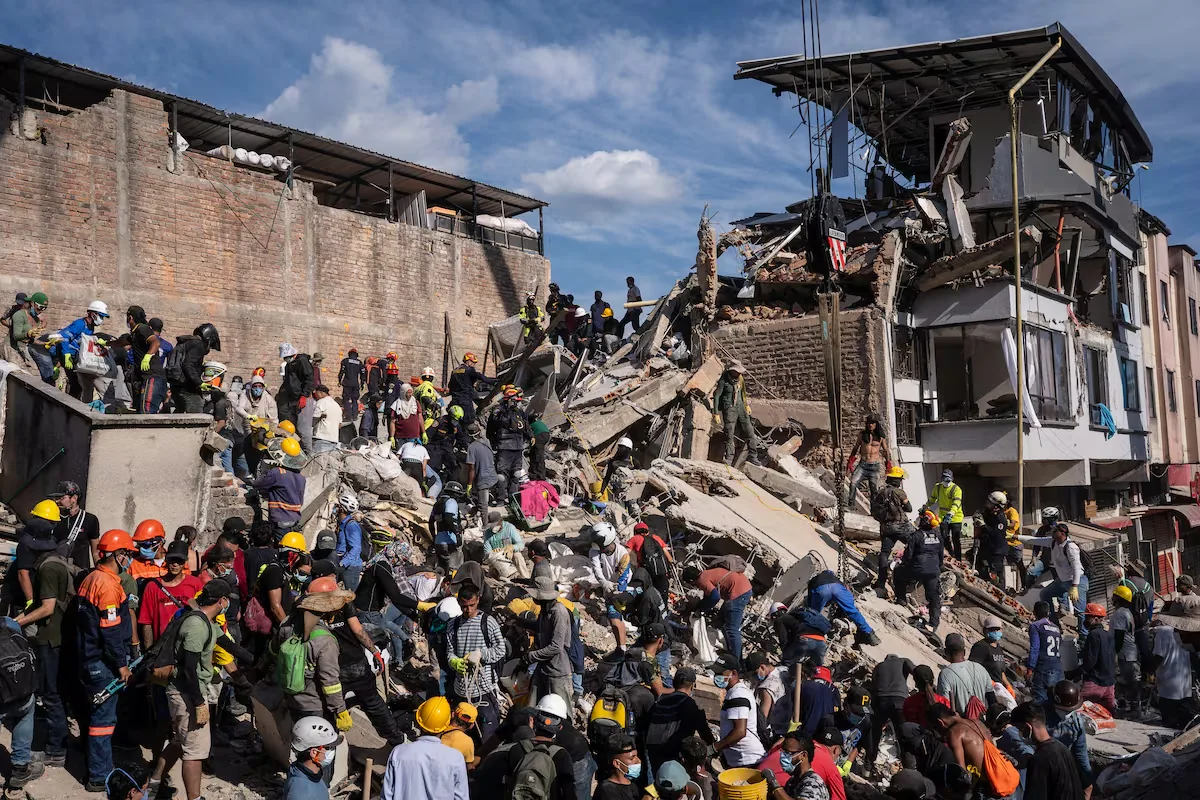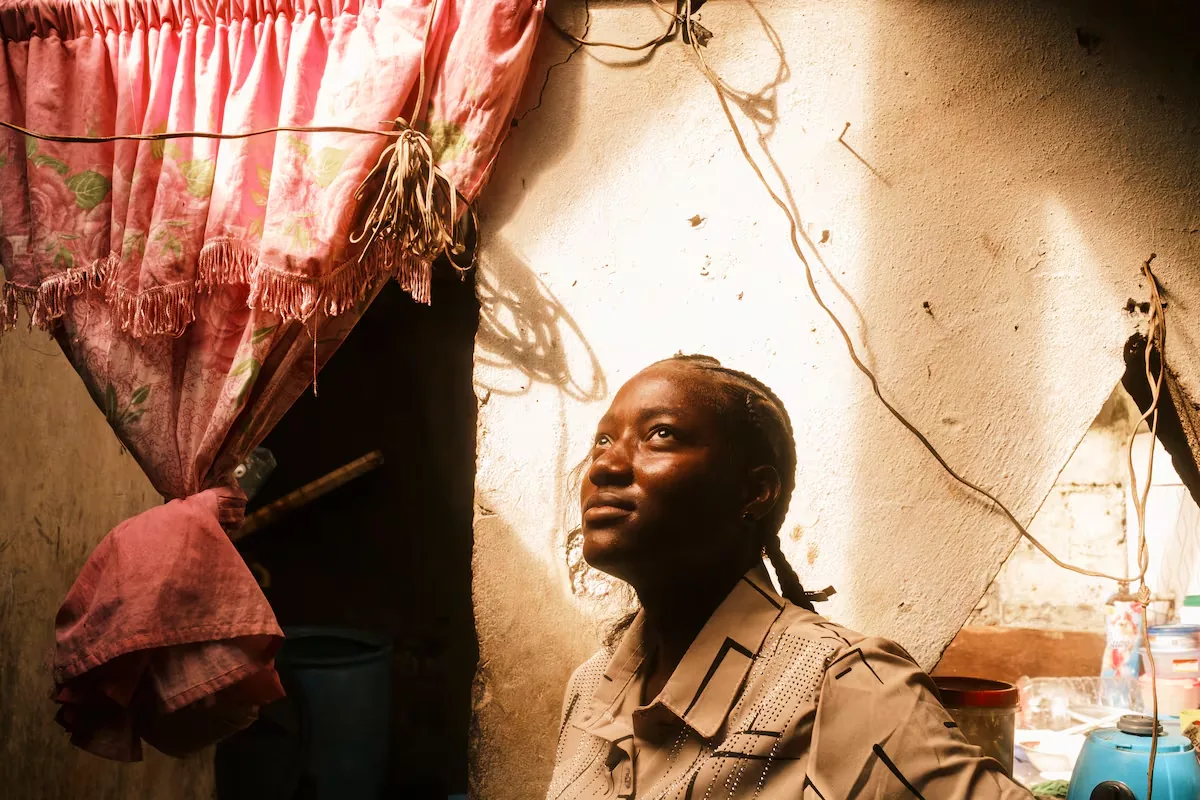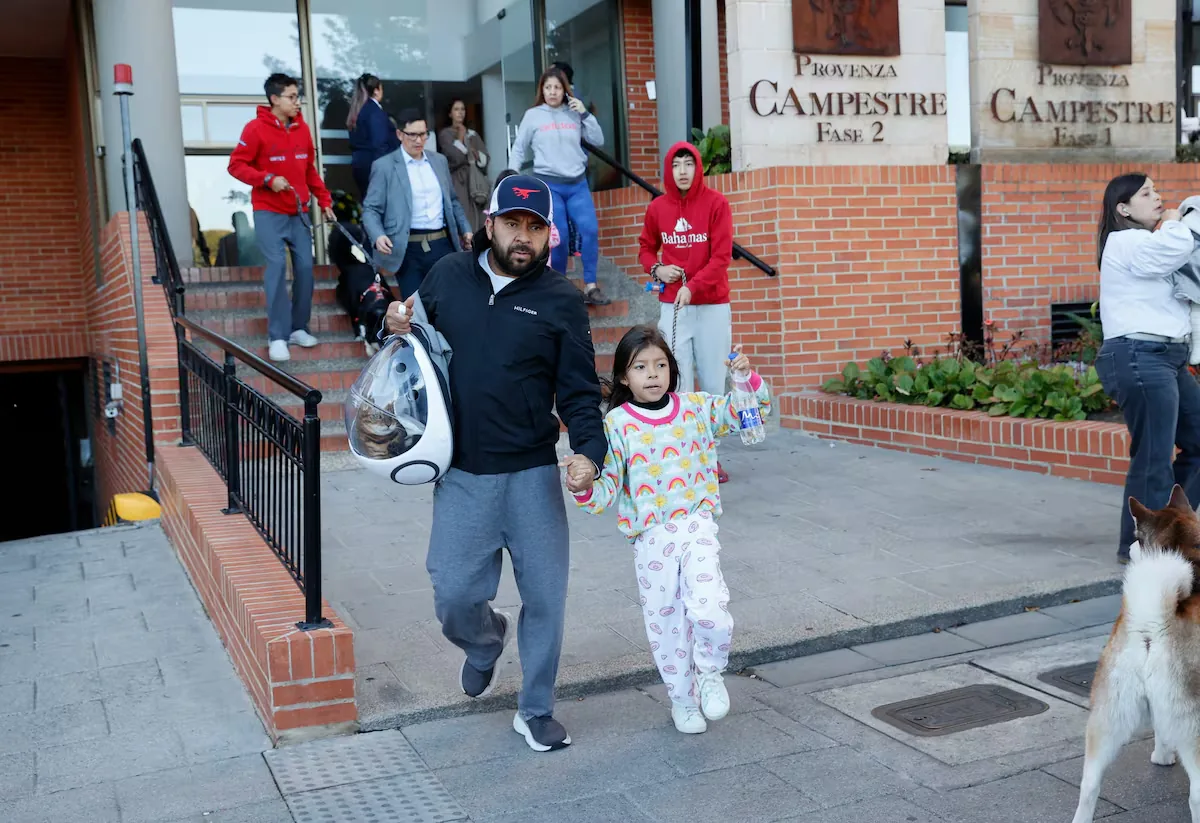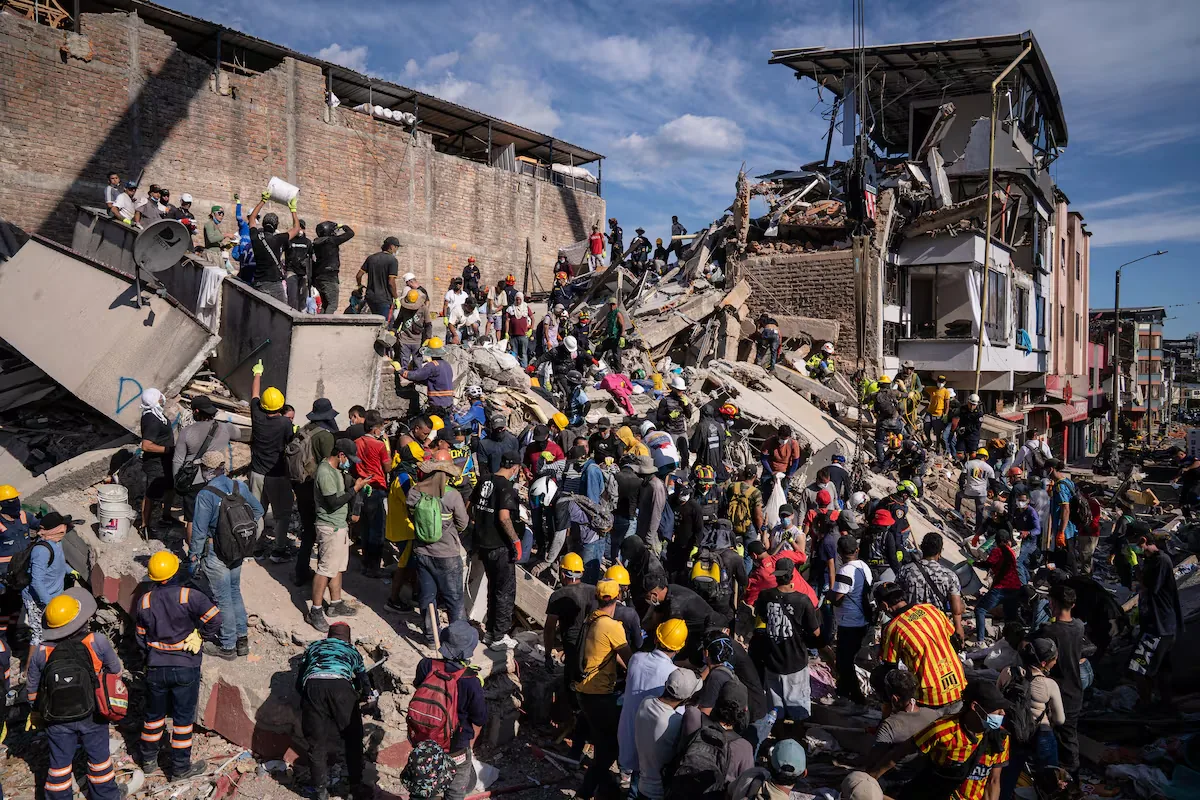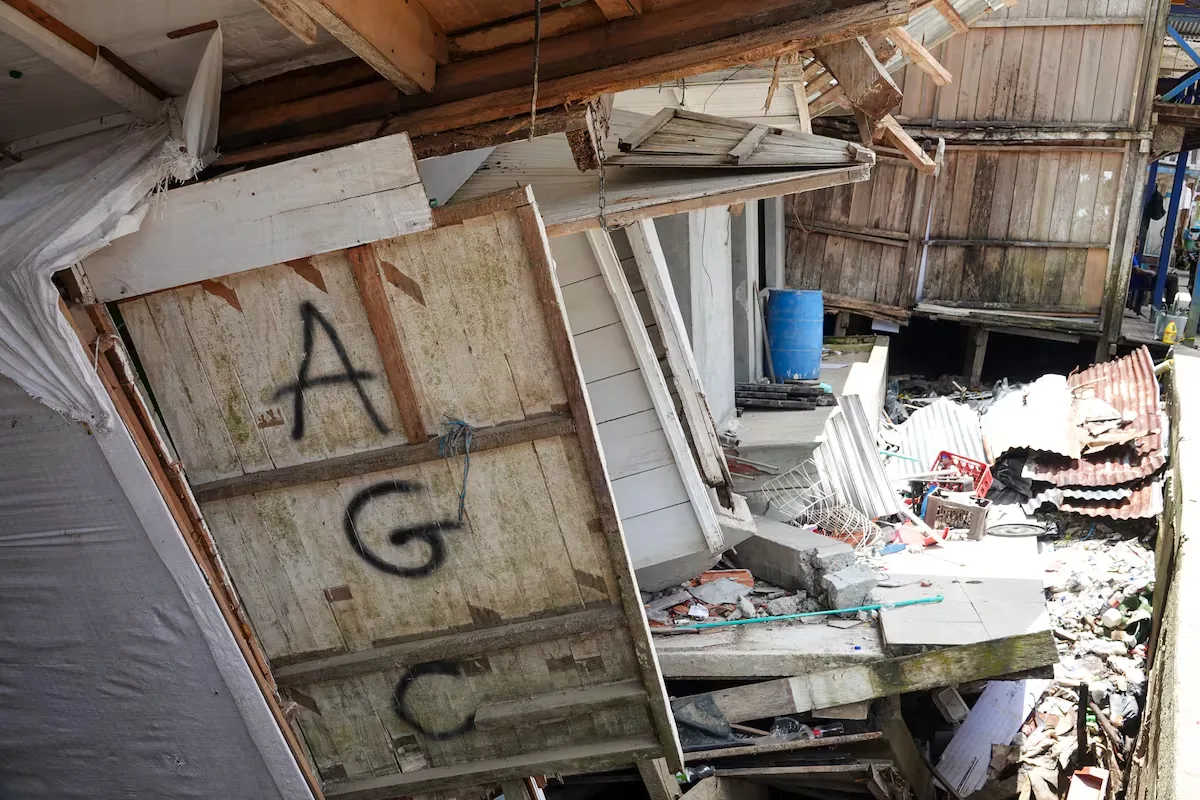
Mario Suárez was already awake when the ground beneath his feet began to shake. He waited a few seconds, but the movement did not stop. He grabbed his children by the hand and, with his wife, went out to the street, from where they saw their house fall apart. They were not the only ones: in the three-story building — located in the Miraflores neighborhood, in Buenaventura — lived 22 families, almost 100 people. They all belong to a community of the Wounaan Nomaan indigenous people, expelled from their homeland four years ago due to the violence of the armed conflict. Two weeks after the earthquake that shook western Colombia and left more than 300 dead, these families are still living in an improvised shelter. This is the situation faced by hundreds of victims of forced displacement, who have already lost everything once and fear having to move their home again amid uncertainty.
Read more Mexico reduces its support for Bachelet’s candidacy to the UN
“We arrived in Buenaventura with nothing and today we are again with nothing. This is a hard economic and psychological blow for the entire community,” Mario says in a phone conversation, whose name has been changed for security reasons. The community member of the Valledupar indigenous council recounts in a phone conversation that, a few years ago, his community lived in peace in Bajo San Juan, a region of the Pacific nestled between the departments of Chocó and Valle del Cauca, north of Buenaventura. Everything changed five years ago.
“Armed groups began to move through. We tried to resist the cases of youth recruitment, disappearances, murders, but in 2022 we could no longer and that is why we left. We left our homes, the school, and our crops.” Various armed groups operate in the area, as it is a disputed region. The Ombudsman’s Office and other entities have recorded the presence of the Gulf Clan, the ELN, and FARC dissidents, who try to control drug trafficking routes and access to the Pacific Ocean.
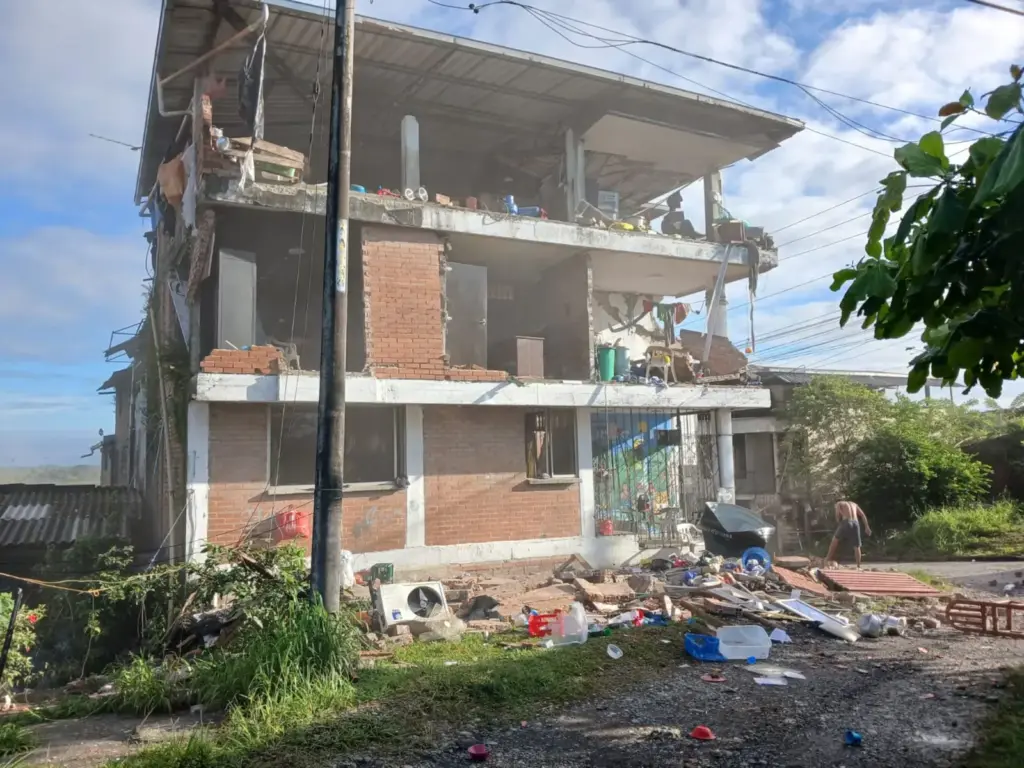
Until August 10, the twenty or so families who were forcibly displaced to the port on the Pacific lived in a building that functioned as a local radio station. They worked as artisans and lived off their handmade art. All their products were left under the rubble. “We are victims twice over. It is a very sad situation,” Mario laments. In the 15 days following the earthquake, which left their house uninhabitable, the hundred people went from sleeping on the street to doing so in an improvised shelter that, in any case, is not designed to last. The spokesperson for the council explains that since their first displacement they have been waiting for the national government to relocate them to definitively settle in a municipality of Valle, very close to where they lived before being expelled by the armed groups.
The case of this community is not unique. Giovanni Rizzo, director of the Norwegian Refugee Council in Colombia, details that the entity has documented several similar situations in the departments of Valle del Cauca and Chocó, which are huge hotspots of organized violence. Among the victims, in addition to internally displaced persons, are Venezuelan migrants. “The earthquake not only damaged infrastructure, it also perpetuates vulnerabilities and increases the gap in services, such as education,” the expert states. The severity of the conflict must be taken into account due to its particularity, he specifies. “I met the case of a woman who said she preferred the roof to fall on her rather than sleep on the street for fear of armed groups.”
The international cooperation organization has documented several cases of displaced people who have expressed the possibility of moving again due to the impact of the earthquake on their homes. The Internal Displacement Observatory and local authorities estimate the number of internally displaced persons in Colombia at 7.2 million, as of last year. Although the vast majority had to migrate because of the armed conflict, more and more people must do so as a consequence of natural disasters or extreme weather conditions, such as droughts or floods. It is a phenomenon known as climate migration, recognized by the UN and affecting more than 30 million people worldwide. The vast majority of displacements occur within the affected country.
Read more The hydrocarbon industry charts the path to do ‘fracking’ in Colombia
This is a concern for Juan Carlos Palacios, president of the community action board of the La Victoria neighborhood, located in Quibdó, the capital of Chocó. He himself is displaced: he was born in Bojayá, one of those municipalities embedded in the collective memory of Colombians, in this case due to the massacre that occurred in a church and ended the lives of more than 100 people, according to the count of the National Center for Historical Memory. “I am a victim, but I was lucky this time. My house had minor cracks, but in the area schools fell, many neighbors’ houses were destroyed,” he says on the phone.
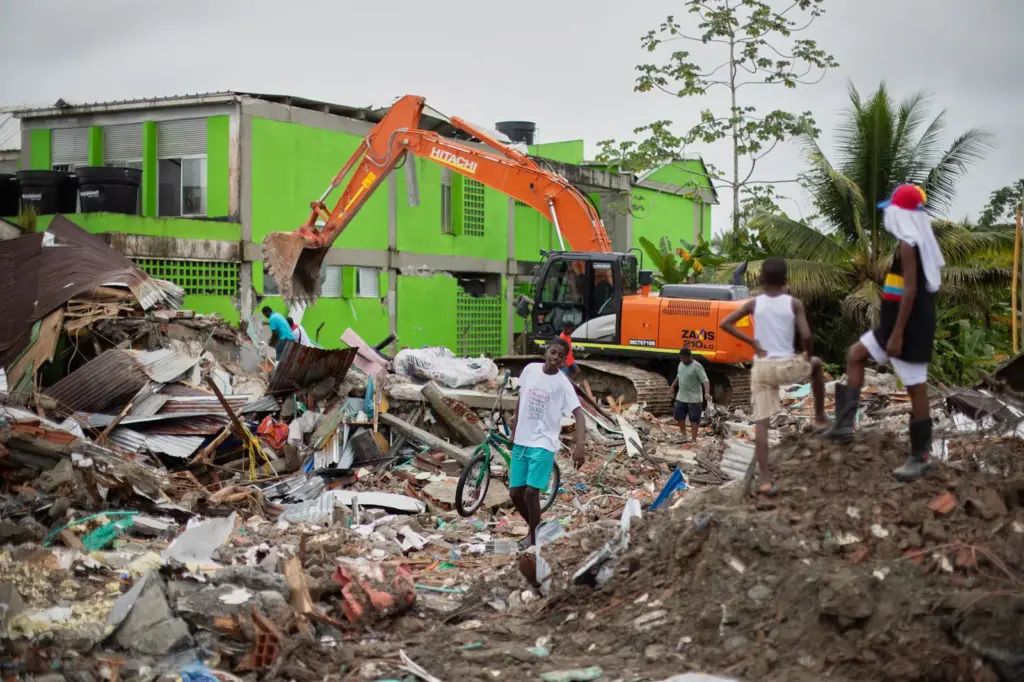
Among those who lost their homes are also forcibly displaced persons. Some are considering leaving again. “Some people have already gone to other neighborhoods or to relatives because they have nowhere to stay. They have to relocate because the rent situation is very difficult,” Palacios deplores. By difficult, he means that rents are very high in the city, a situation also felt in other cities, such as Cali. Those who remain in the neighborhood are in a shelter that was not prepared for the magnitude of the emergency. “We have mats and pillows, but no blankets. There is no bathroom and no electricity.” About 40 families are currently there.
Throughout the region, victims of this earthquake ask for the same thing: mayors’ offices to remain present after the first days, to carry out reconstruction tasks and to take into account the additional vulnerability factors affecting hundreds. In the case of the indigenous council of Buenaventura, community member Mario asks that they be allowed to resettle soon and that their community not be divided. “Some officials wanted to take us to shelters, but they only fit two or three families. We have to stay united because we risk losing the community organizational process,” he argues.
For his part, the community leader of the La Victoria neighborhood urges authorities and civil society to continue helping. “The rescue phase is over. Attention and reconstruction continue, which can last for years.”
Read more No using private planes