Carlota acted strangely since the murder of her parents became known. When three relatives came to her home in Zaragoza to give her the news on Sunday, August 9, she offered confusing explanations about why she had not gone to the meal the day before, where she was supposed to meet them. In addition, she was wearing sunglasses when they were not necessary and had visible wounds and bruises on her face and an arm. One of those relatives recommended she go to the emergency room, and she did. The next day, she was arrested along with her partner, Luis Carlos Rivera, for their alleged involvement in the homicide of Javier Sánchez, 67, and Esther Latorre, 66, a case that has caused an upheaval among those who knew them and also in the union, agricultural, political, and activist world they were part of. Carlota’s mental health will be key in determining her responsibility in the crime.
Read more The holes in the large firefighting machinery in Spain: «We even have problems just to eat»
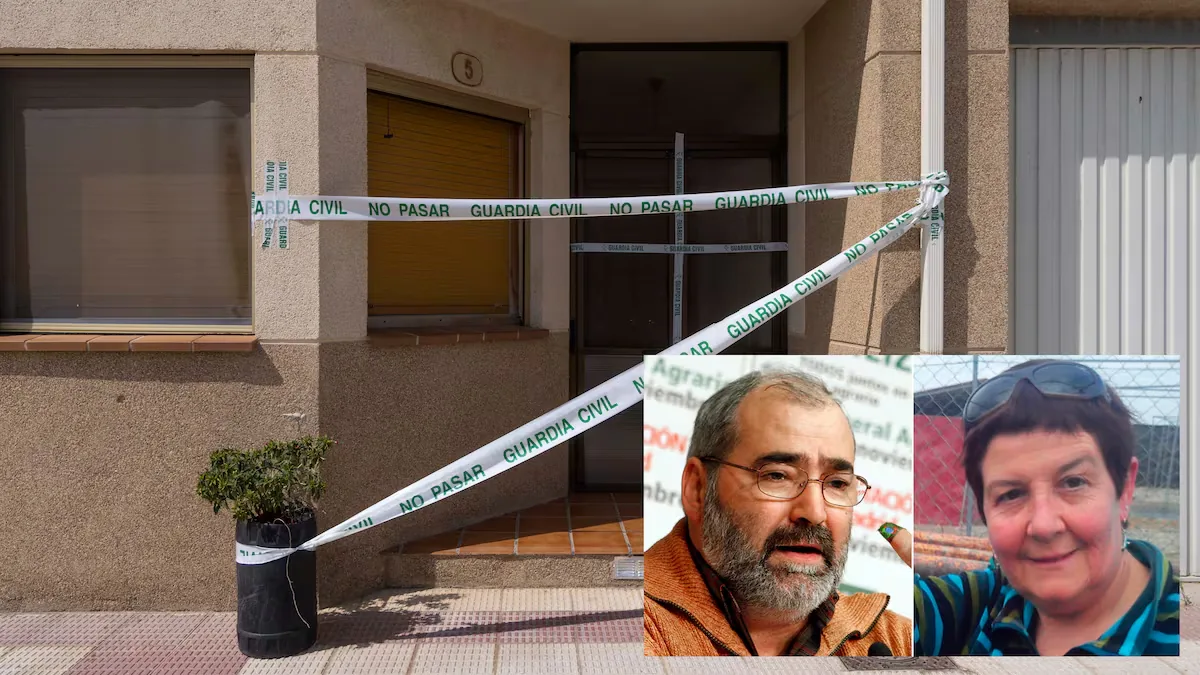
Javier and Esther, prominent members of the Union of Ranchers and Farmers of Aragón, were found dead from stab wounds. He was in bed, on the upper floor; she was on the landing. The investigation suggests that he died first, while his wife tried to go down the stairs to escape. Sources close to the case believe that the wounds their relatives saw on Carlota could have been caused during a struggle at that moment.
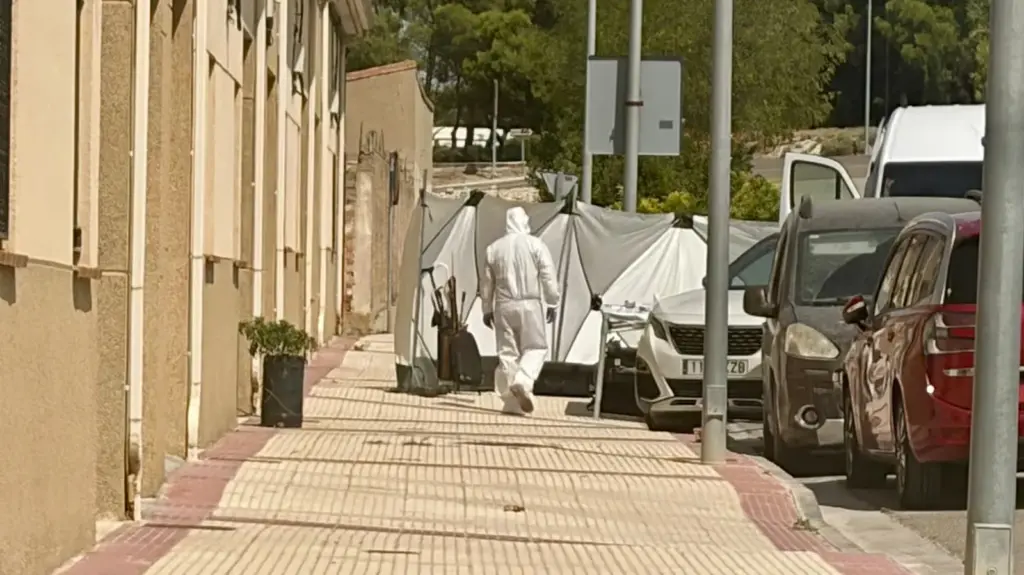
Neighbors’ testimonies and the autopsy place the time of death in the early hours of Saturday, August 8. The bodies were found by the couple’s brother-in-law a few hours later, after the victims missed a meal for Esther’s birthday that had been planned that day. The last time they were seen in the village was Friday night, at a dinner where the couple left around one in the morning. Two hours later, the man connected to his mobile phone for the last time. Neighbors say they heard a scream half an hour later. One hypothesis is that Carlota, 40, and Luis Carlos Rivera, a 31-year-old Colombian, were waiting for them at the house. Surveillance cameras at the home recorded the arrival of the two detainees to the village on Friday afternoon and their departure on Saturday morning.
When the news of the arrest started spreading from phone to phone, the doors of the couple’s wake, located just a few meters from the couple’s house, the crime scene, had just closed. The neighbors who went to pay their respects had already returned home, and the relatives had just left. The eldest daughter, Carlota, had not attended.
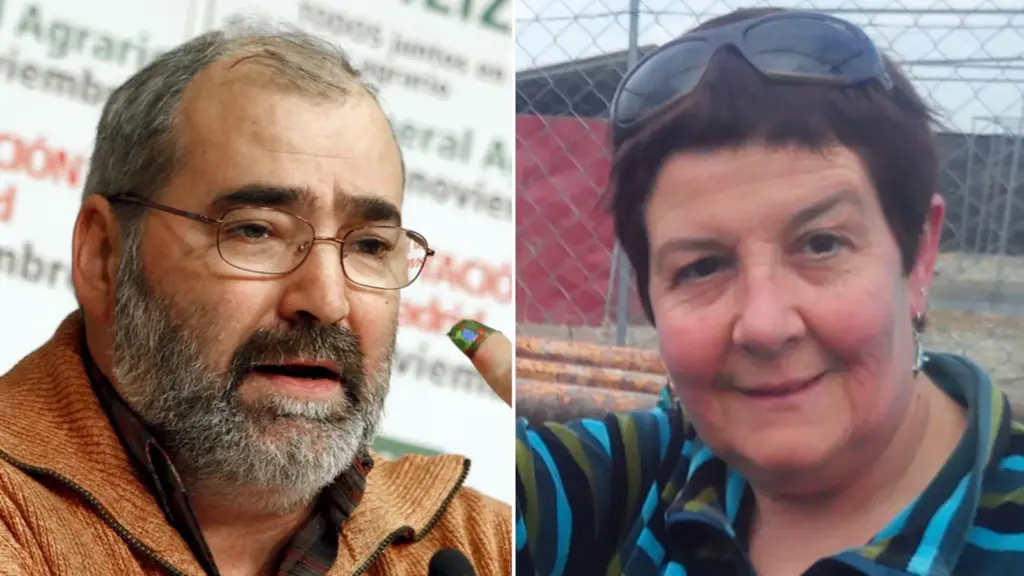
At that moment, many assumed that such an event would be especially destabilizing for her, who according to sources close to the case suffers from schizophrenia. But the closest relatives were still worried about Carlota’s reaction the day before and also about the news she had given them at that meeting: she announced she was three months pregnant. Investigators suspect that this and other legal matters may have been the triggers for the tragedy.
In a police investigation, the why is not as important as the who and the how. The authorship and premeditation are proven by the evidence. That is why the Civil Guard’s Forensic agents spent three days gathering evidence at Javier and Esther’s house and exhausted the 72 hours that the law allows detainees to be held in custody before appearing before a judge. This happened this Thursday, in Ejea de los Caballeros (Zaragoza, 17,129 inhabitants), where the detainees arrived at the court at nine in the morning. The judge presented the two defense lawyers with 300 pages of the report so they could study them for a few hours before the hearing where it would be decided if Carlota and Luis Carlos would be sent to prison. At that hearing, the judge ordered their provisional imprisonment. They remained silent. The main evidence considered was the cameras that recorded their arrival in the village, as well as the activity of their mobile phones.

“That they were in the village means nothing, they went regularly. And the mobile antennas do not place them in the house,” says Sergio Piracés, Luis Carlos’s lawyer. The attorney emphasizes that the investigation is at a very early stage and that right now it does not even point to either of them as the material author. The two accused will be represented by different lawyers, “in case at some point there are incompatible interests.”
Read more At least 12 dead as a Polish tourist bus overturns on a highway in Hungary
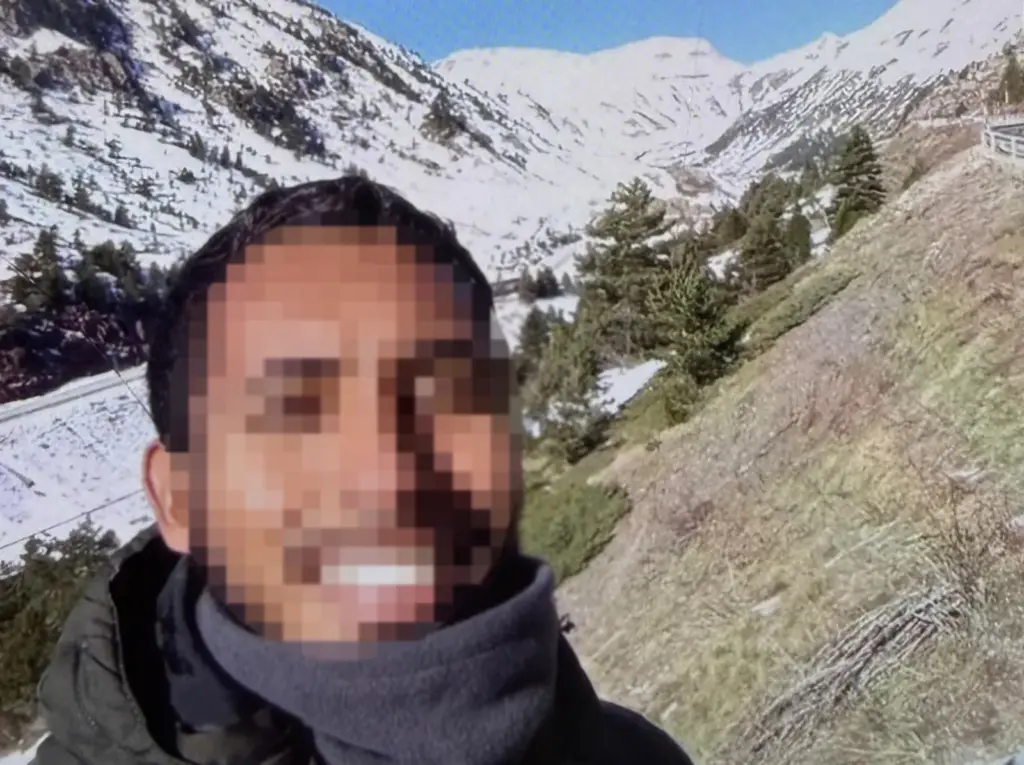
The arrest of Carlota and Luis Carlos took place in Zaragoza. The environment is now trying to digest this whirlwind and is preparing for the vital dissection that a judicial investigation entails. The detainee’s mental health will surely be a key piece in determining her degree of criminal responsibility.
“If Javier were alive, he would be at the court accompanying his daughter,” says a family friend. This phrase sums up the willingness the father always had to help Carlota and fight for her. The couple was characterized by fighting even for the most lost causes, and they applied that philosophy at home as well. They never turned their back on their eldest daughter, despite the disagreements they had had for much of her life. Not long ago, they had given her and her partner an apartment they owned in Zaragoza, and Javier had also been committed to helping his son-in-law Luis Carlos regularize his situation in Spain and find work. The couple had another daughter, younger than Carlota.
According to those close to them, Carlota and Luis Carlos had started their relationship just a few months ago, around March. Javier and Esther had welcomed this new boyfriend as one more member of the family, according to sources close to the couple. They thought he had brought a period of relative stability to their daughter. From time to time, the young couple spent days in the garden the family had in Tauste, a village of 6,838 inhabitants, and it was Javier himself who took them to and from Zaragoza.
The week before the crime, Esther and Javier had received a couple of friends at home, who stayed for dinner and to sleep one night at the house. Carlota and her boyfriend also attended that meeting. According to sources close to the investigation, the dinner went normally, although the friends did notice strange behavior later from the daughter and son-in-law.
At the tribute dedicated to the couple by their close ones, a colleague from Vida Campesina ―an international movement defending farmers and ranchers― recalled that Javier had traveled much of the world to fight for the rights of rural people. “If he didn’t speak the language, he made himself understood,” he said. Another colleague, from the Union of Farmers and Ranchers of Aragón (Uaga), José Antonio Miguel, highlighted Javier’s negotiating skills: “If you had him by your side, you were calm; if he was in front… tough.”
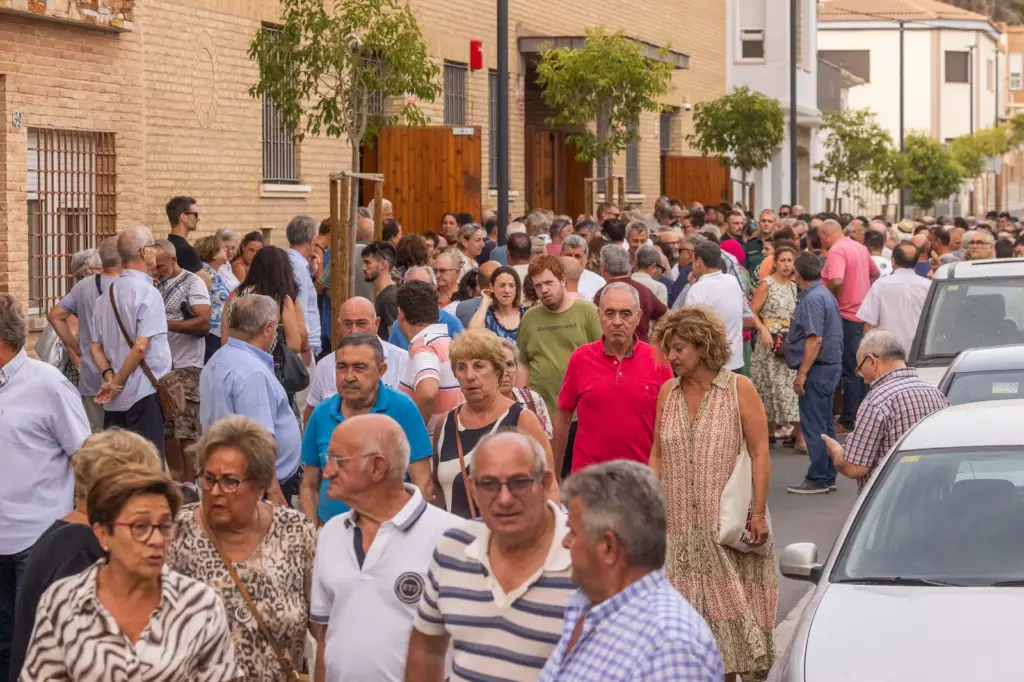
Ángeles Ramón, a friend of Esther, recalled at that meeting that the woman “made feminism her banner,” and Lola García, another close friend, said she gave conversation classes every week to migrant children in the village. “And I know the mothers were delighted with her,” she said. Carlos Alegre, the first mayor of Tauste in democracy while Esther was a councilor, recalled her participation in the creation of the first House of Culture built in Spain after the dictatorship. The same place that, 50 years later, hosted her farewell event, presided over by a photo of the couple raising their arms while Somos, by José Antonio Labordeta, a social struggle song for equality and freedom that is an anthem in Aragón, played.
Read more The Iran war alters the course of a Trump urged by his low popularity