The League begins and it does so intermittently, as if it were lazy, as if the competition were one of many of us returning to the office after the summer, turning on the computer and facing routine tasks with slow and weary movements. The League begins, yes, although the preseason continues at the same time, as if with climate change the football seasons were also going crazy and one could no longer quite tell if it is summer or winter or spring, or all at once. The League begins, we say, the World Cup seems something already distant, perhaps a memory of youth, and one feels like quoting Nietzsche and Mufasa, about the eternal return of the same, about the cycle of life and all those things. Life returns, then, as we knew it before the second star. Juanma Lillo said that the league is the steak and the cup the fries. I say that all of it together is the daily menu.
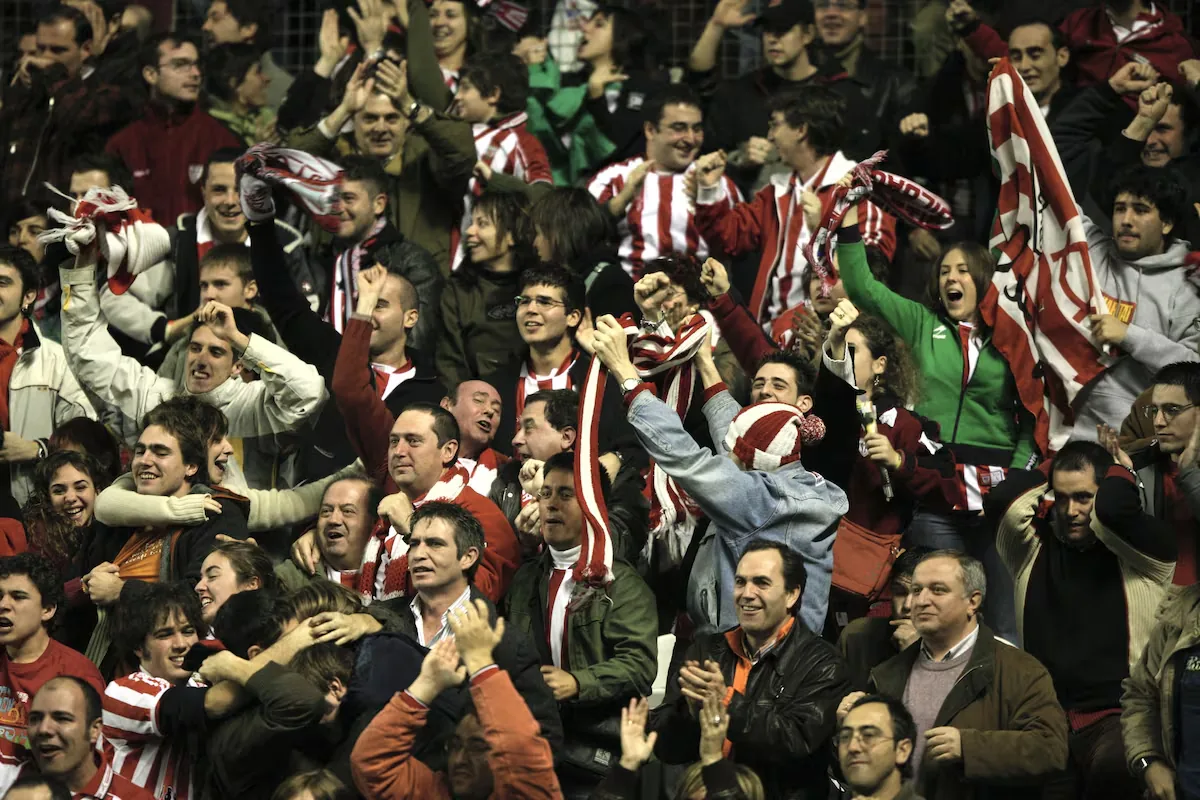
This week I discovered, in a conversation with Alejandro Fernández-Aldasoro, a die-hard football fan and one of the most talented writers I know, that when we were children, in the mid-eighties, we shared a stand at San Mamés. We were both then members of the Lateral Preference of the old stadium, that part of paradise with bench seats and rented cushions. We recalled moments lived there by both of us: the smell of cigar and damp grass, the substitutes warming up in the rain and the sometimes harsh comments of the fans, and also the human fauna that surrounded us in that place. He named a guy who finished off other people’s drinks he found between the seats (if he caught you with your back turned, you might be left without a Coke) and also the famous El Txapela, with his disproportionate beret. I remembered one who comes back to my memory repeatedly, a man with an intellectual disability whom someone (his father? a brother?) left at the door before each match and picked up at the end. During the ninety minutes, he dedicated himself to walking the stand from side to side with a red-and-white flag on his shoulder, over and over, muttering tensely who knows what, only glancing sideways at the pitch, and that only when the crowd reacted to an impossible play, a red card or a goal. Why didn’t he pay attention to the game? That intrigued me.
I think if I remember him so much it is because as a child I saw in him the key to why I was also inevitably connected to that stand where we coexisted. Watching him match after match, especially on gray days, in muddy zero-zero games where nothing happened, I perhaps understood (as we understand as children, in a physical way, not with words) that the ball was just the excuse that brought us together, that the essential thing was to feel part of that whole of faces, voices, sounds and emotions of every Sunday, to be a tribe.
Read more Chess analysis | The fullness of Carlsen (XVIII)
In England it is often said that football is the opera of the people. But maybe the phrase has become outdated. Elite football today resembles more one of those elitist restaurants that offer gastronomic experiences; one of those places where you are there to be seen and to certify, through social networks, your presence. Hypercapitalism demands the stand for its own in those same terms: rich people and influencers. Fans (not supporters) who divide into two: those who pay a lot and those who provoke others to do so.
For the supporters (not fans), the sufferers, the common people, however, football is the daily menu. Sometimes we indulge ourselves and order seafood or have dessert again: an unexpected victory, an afternoon of goals that will always be remembered, that final. But the supporter is made in routine, there where what matters is not what we eat, but the fact of eating. Taking our place at the table, looking up, saying good afternoon, recognizing those who sit next to us and then, if anything, looking at the plate.