
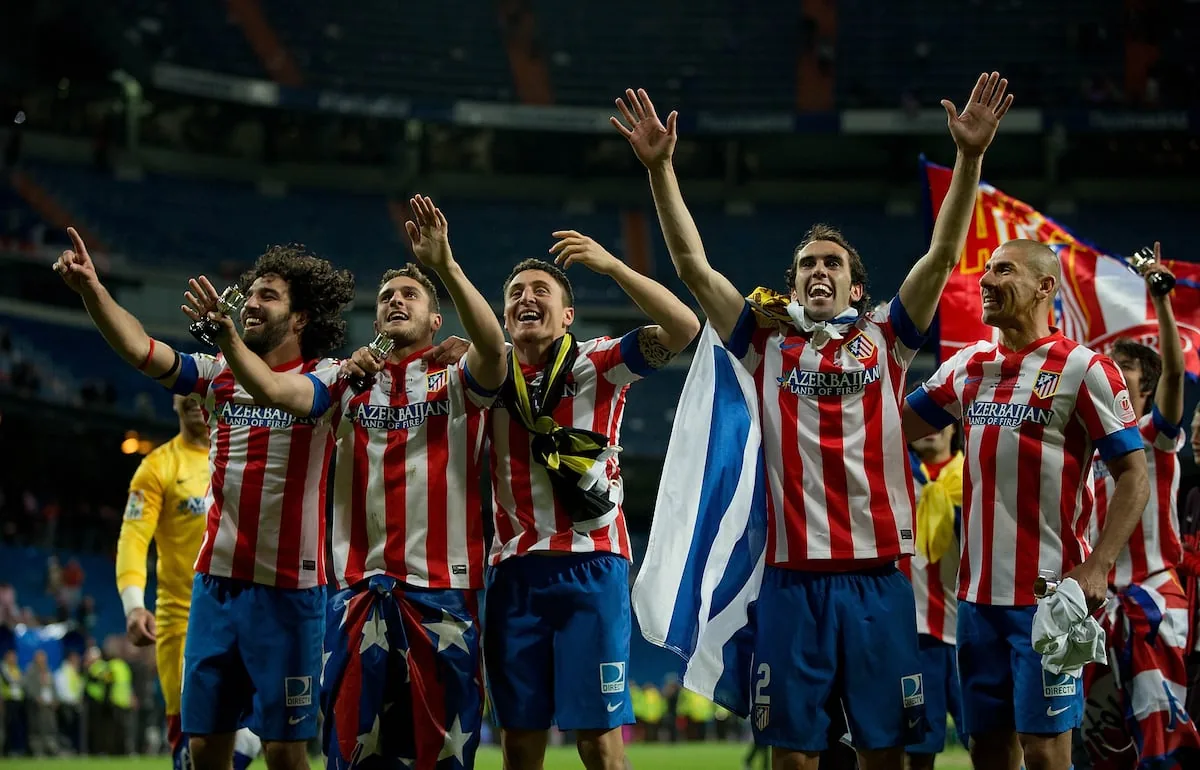
“Atlético has always been a cup team,” Diego Pablo Simeone often says, who 13 years after winning the last Copa del Rey can raise to 11 the titles that the rojiblanco entity has achieved in this competition. The previous ten had a remarkable impact on the course of the history of the rojiblanco club. From the first, won at the Santiago Bernabéu in 1960, against Di Stéfano’s Real Madrid (3-1) freshly crowned five-time European champion at the Bernabéu, to the last in 2013, which ended 14 years without winning a derby with that header from Miranda in extra time, each of the cup titles was a turning point in the club’s history.
Read more Inhumanity: the most enduring invention of humankind
Villalonga’s revenge and the scared Adelardo
On May 26, 1960, Real Madrid and Atlético met at the Santiago Bernabéu. The occupant of the rojiblanco bench was José Villalonga, who had been bounced out of Real Madrid after leading them to the conquest of two European Cups. In that team, a barely 18-year-old from Badajoz, Extremadura, began to write his legend as a rojiblanco. “In the days before, I was scared, I was a kid in my first final and against Di Stéfano’s Real Madrid and the five European Cups and, moreover, at the Bernabéu. They had just won the last European Cup after thrashing the German Eintracht (7-3) and took the lead with an Olympic goal from Puskas,” recalls Adelardo, a historic captain whom only Koke has been able to surpass as the player with the most matches in the club’s history. “We recovered because we had mentally prepared ourselves that they were very good, but so were we and the difference was not that big. It was our way of shaking off the fear on the field. We had a team that Villalonga had built very quickly. We arrived physically well because the coach, besides being military, was a physical trainer. He was an innovator and taught us things like stretches that we had never seen before,” Adelardo adds. That Cup, then called the Generalísimo Cup, was the club’s first title after ten years of drought. “The one in ’61 we also won against them (3-2) at the Bernabéu. Again they took the lead with a goal from Puskas, but we came back again. Peiró scored two goals and Mendonça the third. That Cup gave us the right to participate in the Cup Winners’ Cup the following season and we gave the club its first European title,” Adelardo continues. He was also present in the finals won, both also in the Madrid coliseum, against Zaragoza (1-0) in 1965 and Valencia (2-1), coached by Di Stéfano, in 1972.
Garáte’s last goal and Luis’s “win and win”
The fifth Cup obtained in 1976 was the last goal of another rojiblanco legend, José Eulogio Gárate. A header from him defeated Zaragoza (1-0) before a fungus in his knee forced him into premature retirement. “Gárate was everything as a person and footballer, he solved a final for us that was not easy at all because it was tough, but we had Panadero Díaz behind us and with that I say it all… I remember Gárate diving to the far post and sending the ball to the opposite top corner. It was a great goal from a player with enormous class,” recalls Miguel Reina, providential with a couple of saving stops in the second half. In the Bernabéu box, King Juan Carlos handed Gárate the last Cup called the Generalísimo Cup.
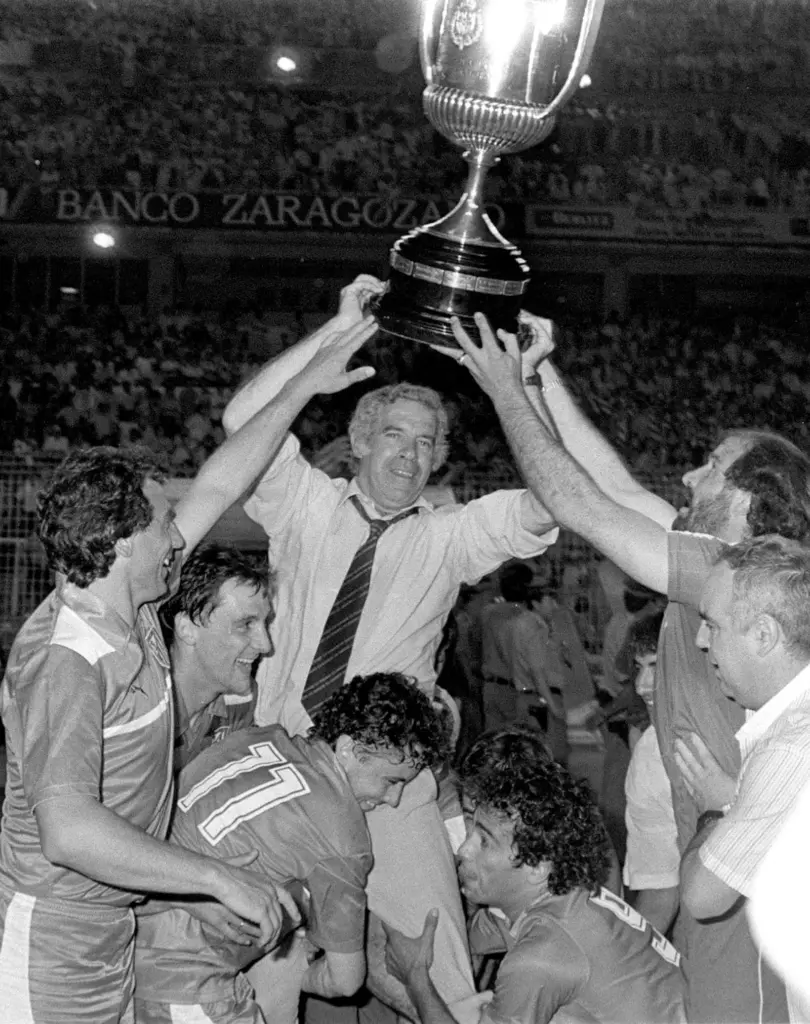
In 1985, nine years later, Luis Aragonés articulated his famous mantra of “win, win and win again” so that Atlético would celebrate a Cup title again, this time against Javier Clemente’s Athletic Bilbao (2-1). Miguel Ángel Ruiz was the captain of that team trained in the art of counterattack that Aragonés applied so well. “We had gone some time without winning a title and Luis told us that finals are not played, they are won. He said that thing about winning, winning and winning again.” Ruiz remembers Luis’s intensity in the days before. “He pushed us a lot. Also, we went out to the field and there were more Athletic fans than ours because they did not like to go to the Bernabéu, although that later changed. That was another incentive.” The final was also Hugo Sánchez’s last match before signing with Real Madrid.
Gil’s first title and the ball boys’ battle
In 1991 Atlético reached a final against Mallorca (1-0). Alfredo Santaelena was the goal scorer. “Five months earlier I was playing in Segunda B with Getafe and suddenly I was in a final with my idols. The goal was a rebound after a shot from Sabas and it was the first title of the Gil era.” “He could have at least given me a horse!” jokes Santaelena. The following year, the party was at the Bernabéu and against Madrid (2-0). Futre and Schuster scored two great goals. That day the rojiblanco fans occupied half of the white coliseum and Aragonés insisted in the locker room: “We have to win for those 50,000 Atlético fans out there.”
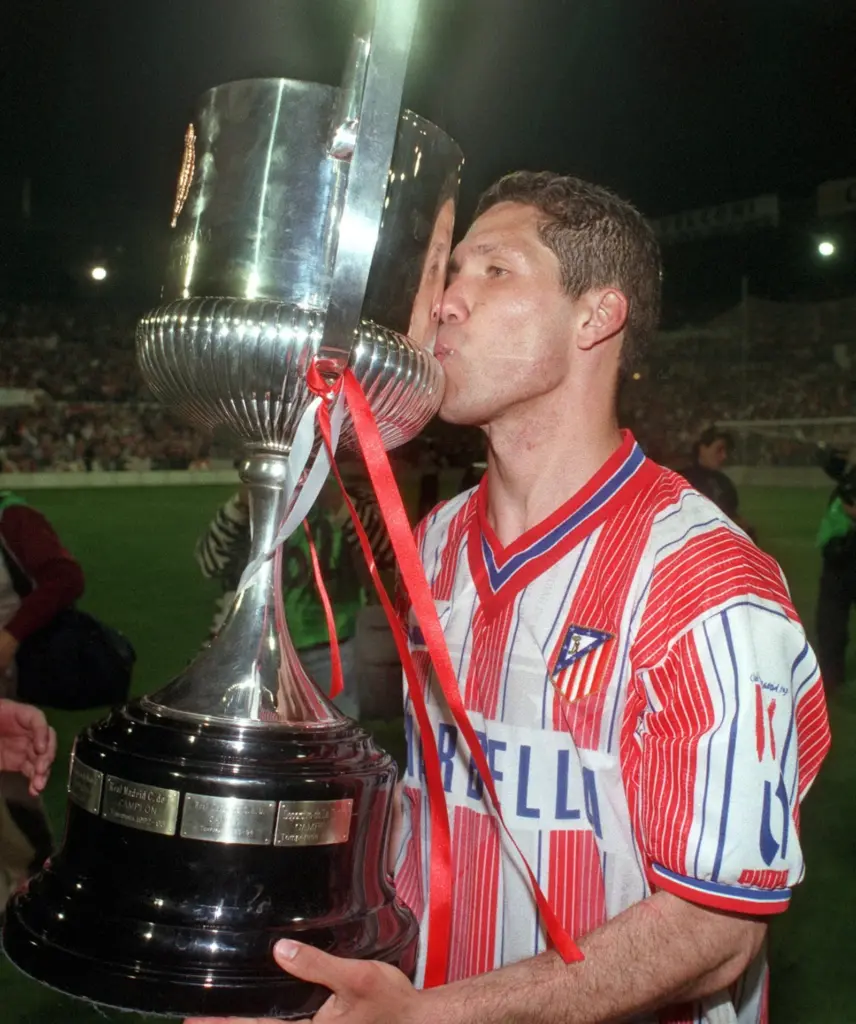
In the 1996 final, Atlético faced Barcelona at La Romareda. They won with a goal from Pantic and it was key to boost the team in the final stretch of the League, which they also won to sign the first double in the club’s history under Antic’s direction and with Simeone on the field. The tenth, won against Mourinho’s Madrid in 2013, also at the Bernabéu, left for memory Miranda’s phrase, author of the 2-1. Atlético had gone 14 years without winning a derby and the Brazilian sentenced: “On Monday my son will go to school wearing the Atlético shirt and they won’t mess with him.” Simeone started winning that final when he found out that all the ball boys had been chosen by Madrid. The Cholo showed his street-smart side and did not stop until he got them to be half and half.
Read more The return to retail in the Santa María neighborhood of Cádiz revives its drug mothers