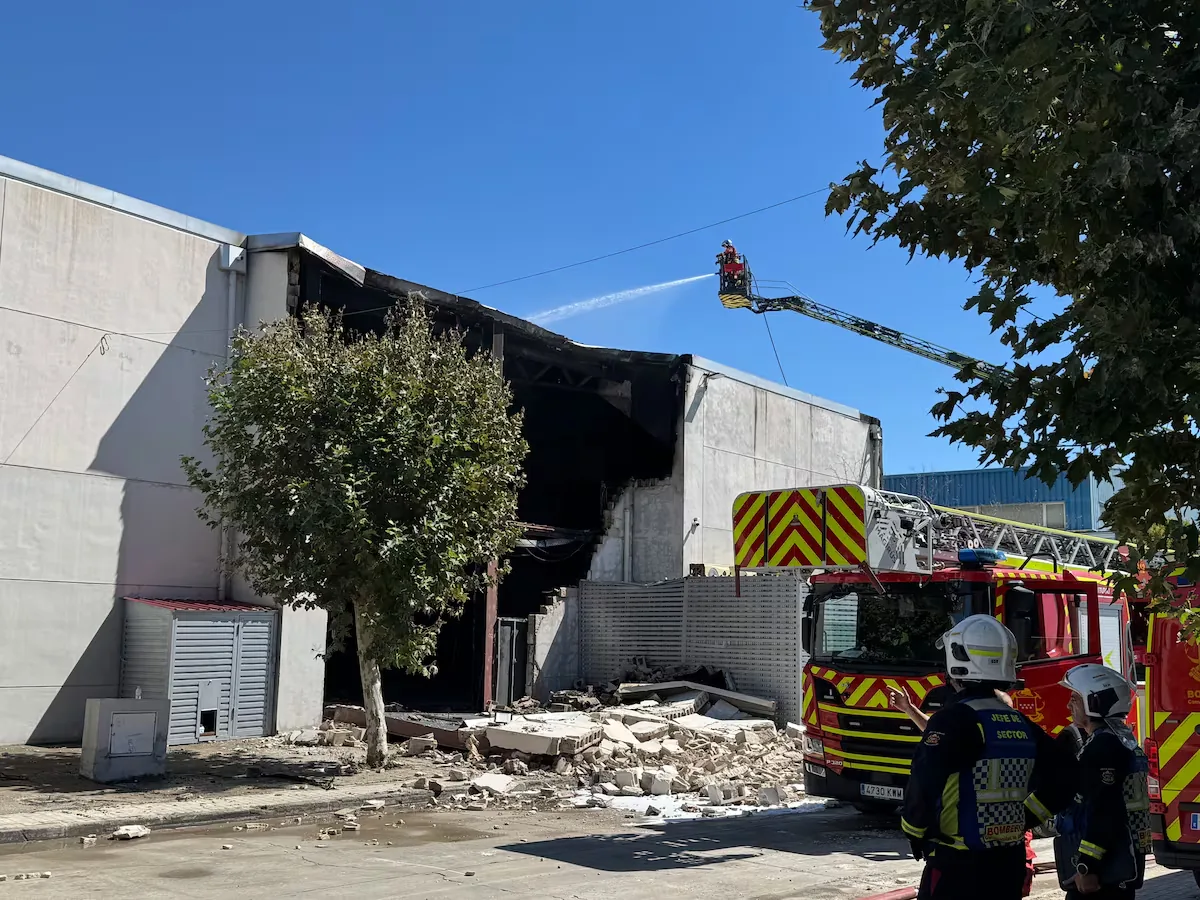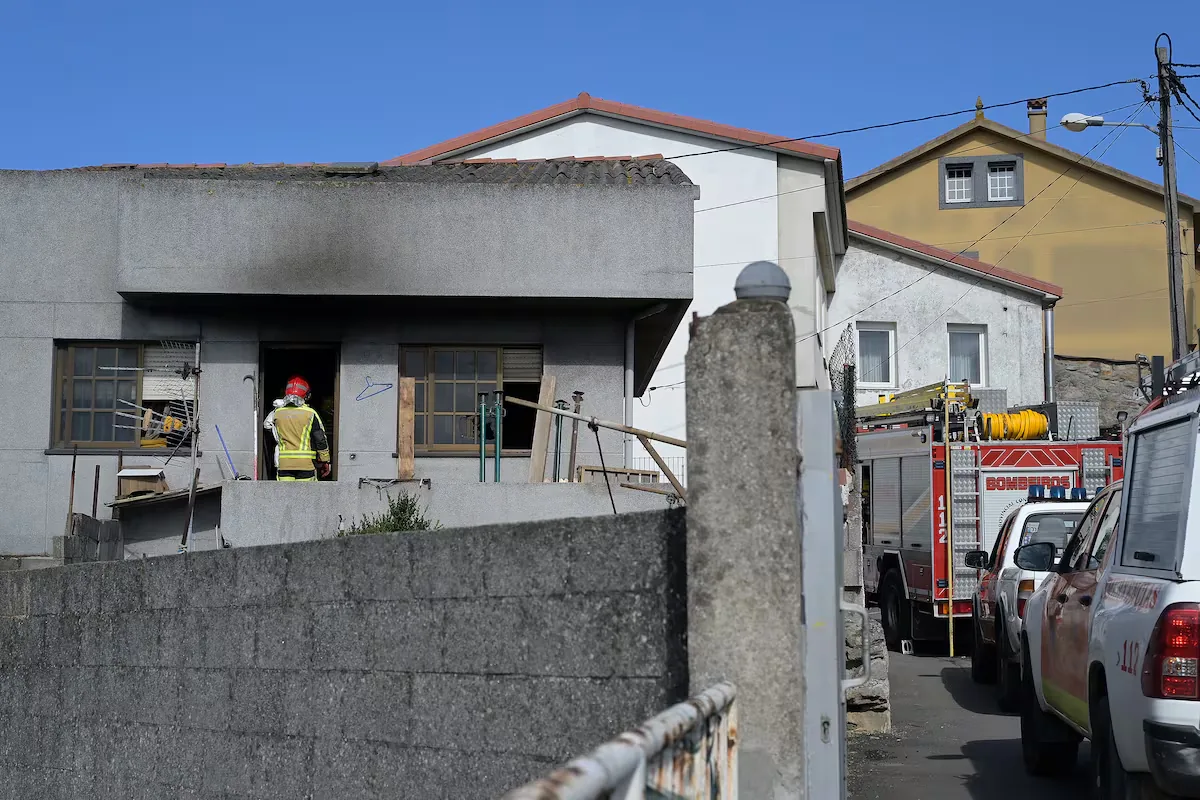






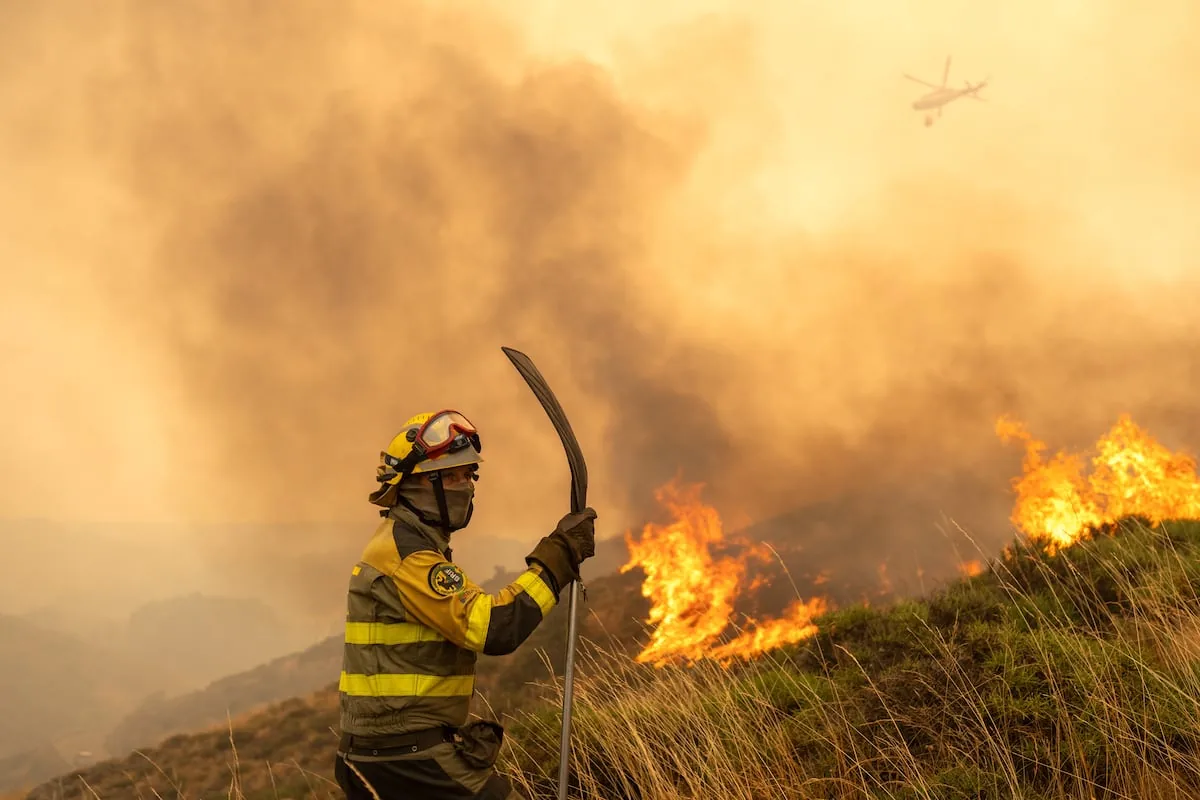
Firefighter Sergio Fidalgo, 25 years old, spent two days in bed after the fires last August because his body imploded after frantic weeks. The brigadier, who was not working that summer campaign, voluntarily helped his colleagues and witnessed the “misery” of the profession in the form of scarce and late supplies, lack of coordination at command posts, shortage of resources and trained personnel, and underutilization of resources, to name a few. The man from El Bierzo has structured the complaints of the group and has allied with the Bierzo Aire Limpio association so that the Prosecutor’s Office receives a complaint against the Junta of Castilla y León (PP) for how it managed that crisis. Elena de la Puente and Andrés Sánchez, members of the platform, thank those who are getting involved despite the fear of losing aid or suffering punishments if they take a stand: “People are alone and angry, but fear reprisals if they report.”
Read more The return to retail in the Santa María neighborhood of Cádiz revives its drug mothers
De la Puente explains that years ago they also filed complaints about the succession of flames “in the epicenter of the northwest fires,” but they were dismissed, among other arguments, “because there were no deaths.” Last summer, besides thousands of hectares burned, five people died in the fire in Castilla y León, four of them in León, including a firefighter, and that is why they trust that the procedure against the Junta will prosper in the Prosecutor’s Office of the Superior Court of Justice of Castilla y León. The case includes alleged offenses such as prevarication by omission, environmental crimes, omission of the duty to assist “and other inactions,” describes the president of Bierzo Aire Limpio.
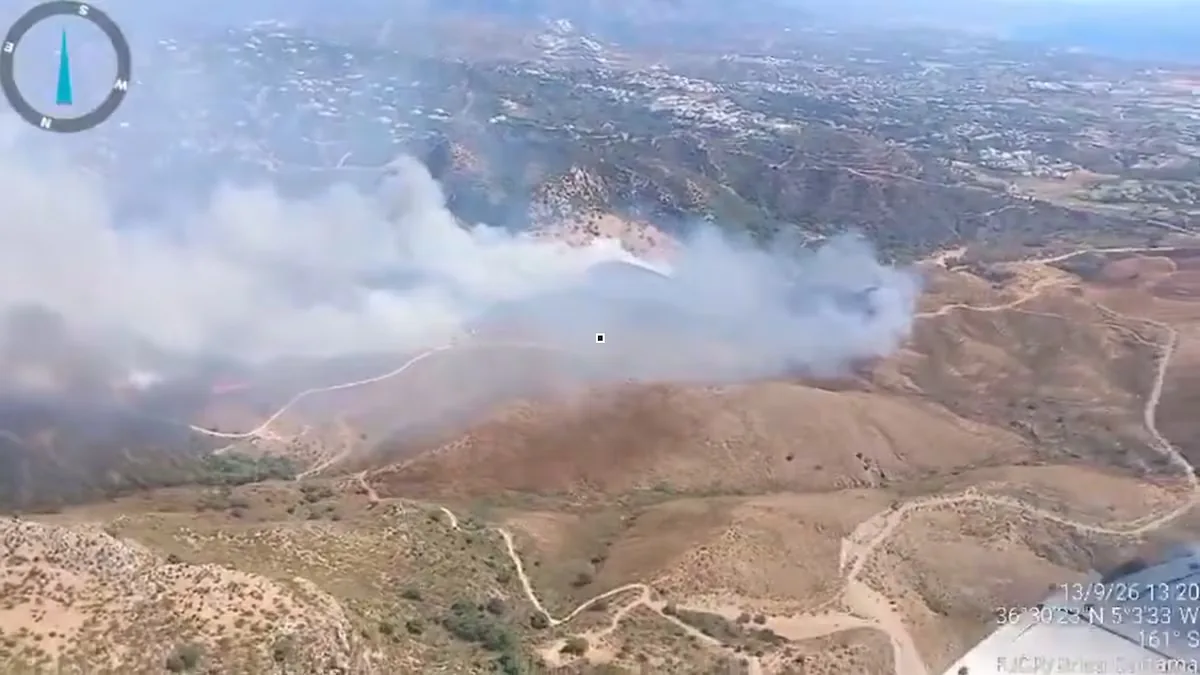
The first complaint was filed on August 18 against the regional president, Alfonso Fernández Mañueco, and his Environment minister, Juan Carlos Suárez-Quiñones. At that time, much of the territory was still burning and Las Médulas, a Roman site and World Heritage Site, had already been scorched, which outraged them given the “responsibility” to protect that wonder. EL PAÍS revealed in September that this Natural Monument faced the fire with a plan expired since 2022 and that Castilla y León did not update the resource management programs required for this site. The complaint has been expanded and has included the Culture minister, Gonzalo Santonja, since his ministry holds the competencies for the protection of Las Médulas.
“We continue to receive testimonies with full names,” thanks De la Puente, from everyone related to a fire: firefighters, volunteers, neighbors, farmers, businesspeople, mayors… The secretary of the complaining entity, Andrés Sánchez, values the courage of those who fill out the form sent to justice: “People talk but then back down, they agree with you but fear losing aid or reprisals.” The case remains on the Prosecutor’s desk. The duo trusts Justice, Sánchez highlights, “because it is the last thing we have left”: “Environmentalists seek to enforce the law. If not, what do we believe in? People are very psychologically damaged.” The voices heard coincide on several key points repeated to exhaustion in the community this summer or in previous fire episodes: lack of resources and lack of coordination.
The Junta announced aid of more than 100 million during the fire wave and in the following months, and prior to the elections, Mañueco assured that “Castilla y León will adopt the necessary measures so that within the next three years the forest fire device will have a public nature.” The unions criticize this promise: they emphasize the public-private nature of the device, since this means that those hires Mañueco proclaims will affect workers paid by private companies, which have worse agreements than those hired directly by the Junta for its public staff.
Fidalgo has attended dozens of colleagues, some anonymous and others bold, to sign the statement and take a stand, and states that the greatest drama of those months was “the negligence of the lack of coordination.” The firefighter knows of colleagues who had to sleep on the floor in rooms they were given in Ávila, others spent long days without eating or drinking because supplies did not arrive, and many suffered a “fatal excess of hours” for their performance and physical and mental reflexes. There were colleagues who were not activated despite the obvious lack of hands and took more than an hour to receive instructions from command posts, an excessive time to try to react quickly to such a crisis.
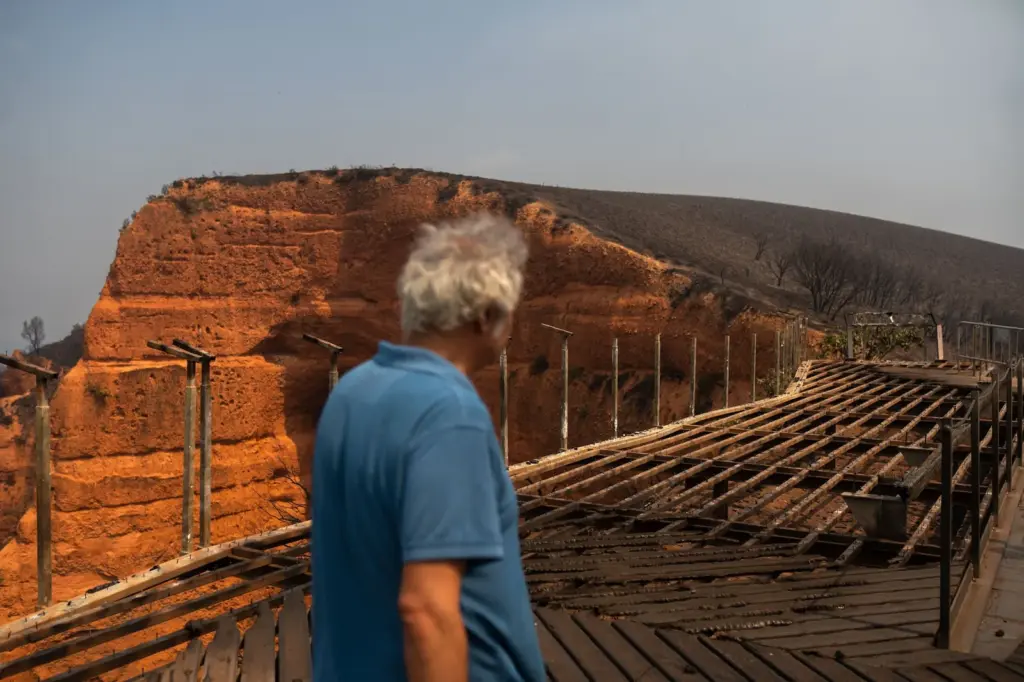
The Junta’s reaction, De la Puente reproaches, has consisted of turning the debate towards “polarization” and politicking without clarifying responsibilities. “It is an economic, social, and environmental disaster, there is a brutal campaign to isolate those who demand responsibilities,” says the activist, encouraging the mayors of the municipalities damaged by the fire to join the movement. Highly affected municipalities like Castrocalbón (León) have also denounced the Junta with testimony from forest agents who warned of the lack of resources and the seriousness of what could happen in an area where 37,000 hectares burned.
The group breaks down the “empty bulletins” and the Junta’s “whitewashing” with supposed plans that never get fully executed and improvements to the firefighter corps that also do not bring major investments like those promised months ago. Sánchez questions “where those millions have gone.” What has been approved, generating enormous rejection from social groups and even hunters, is that the Junta has allowed hunting in burned areas barely seven months after the flames, despite its regulations raising the period to five years for ecosystem regeneration since 2009.
The three mention recent episodes like the floods in Andalusia, where those affected were sent to hotels and not to pavilions like in León or Zamora. In parallel, they lament the “nerve” of Quiñones, “who always sleeps in hotels,” and recall: “We have the bad habit of eating,” to justify his delay in going to the action site. The brigadier outlines “three profiles” among the people they have communicated with since the fronts were extinguished: the unaffected who never cared that the forest burned and who kept going to village festivals or those in Ponferrada, where fireworks were set off while Las Médulas smoked; the affected who “fights” because aid does not arrive and feels “abandoned”; or the aggrieved who, “out of fear or disinterest,” has reduced their involvement.
Fidalgo has accepted that his media exposure may have consequences in the form of the companies awarded the public-private forest management system of Environment deciding, or being urged by the Administration, not to hire him for the summer campaign: “In two months we will see.”
Read more A Busy Neolithic