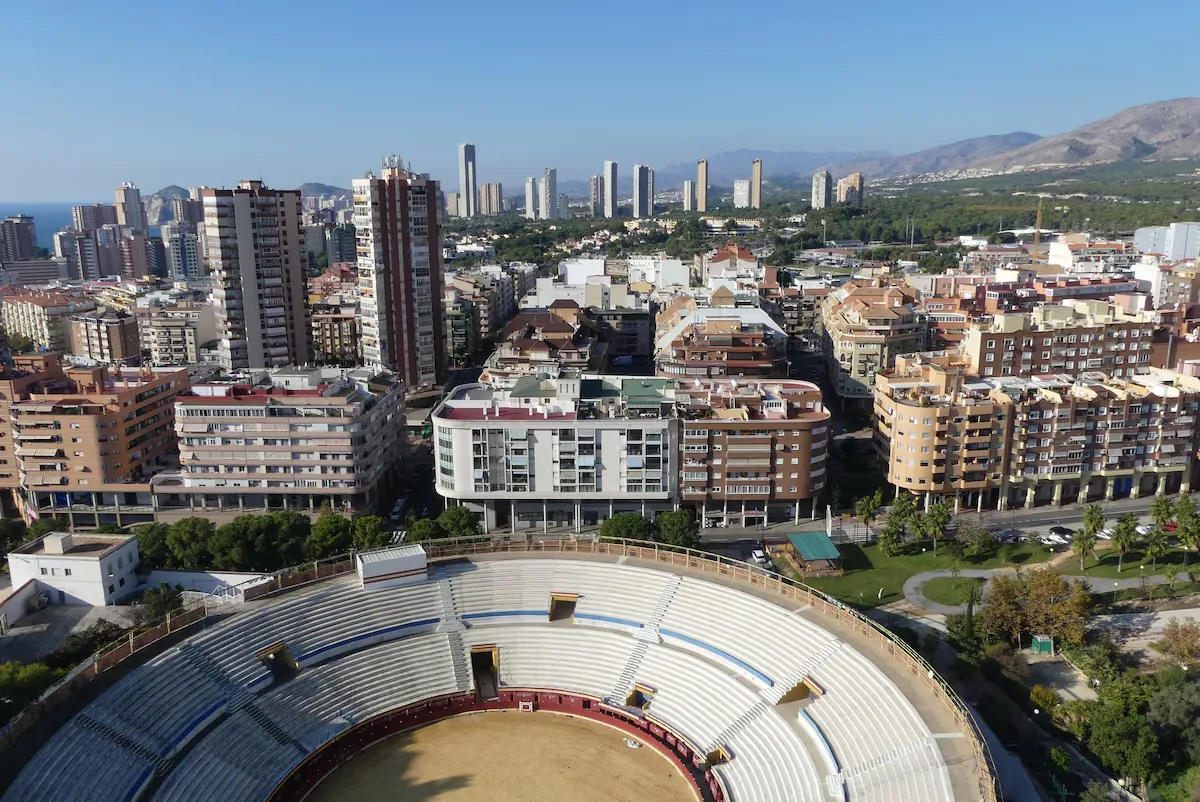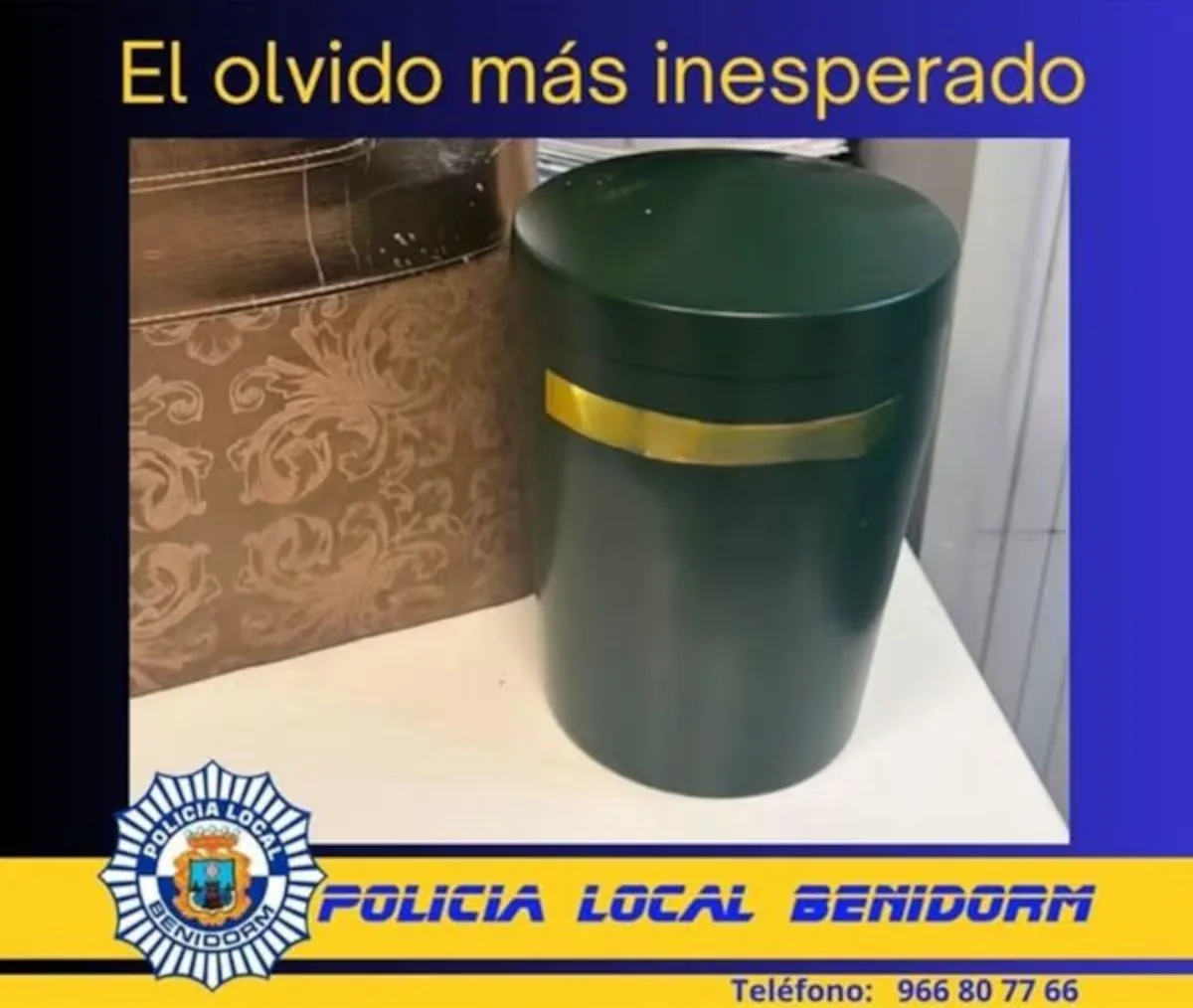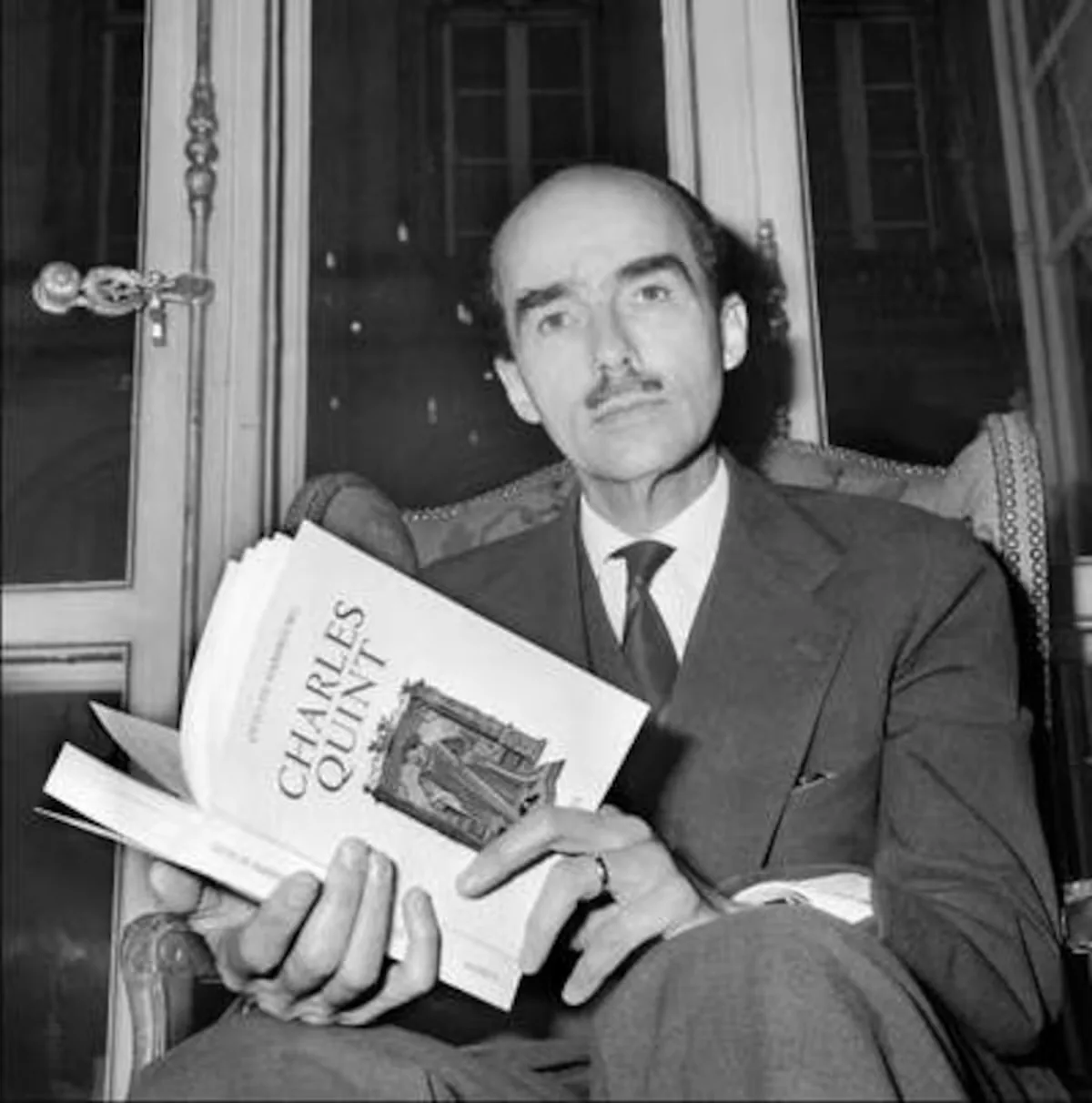
When Otto von Habsburg died in 2011, the press simply recalled some titles: sovereign of the Austrian imperial lands; apostolic king of Hungary; king of Bohemia; king of Croatia and Slavonia; grand duke of Krakow and Transylvania; duke of Lorraine, Salzburg, Styria, Carinthia, and Carniola; and king of Jerusalem. Upon reading the news, Guillermo exclaimed: “This Otto was insured by us.” The company Unión y el Fénix, for which Guillermo had worked, protected against fires, thefts, and other misfortunes the chalet that the nobleman owned in Benidorm, a city that now dedicates a street to Archduke Otto von Habsburg. Yes, the one that starts from Severo Ochoa Avenue.
Read more Carlos Espí avoids the flop in the 90th minute in the debut of the new Real Madrid
The truth is that Otto von Habsburg had renounced his aspirations to revive the empire (and to lead it, of course). He did so in the 1960s. Because despite living peacefully in Franco’s Spain, his most urgent desire was to regain Austrian nationality. For this, he had to solemnly sign that he would never claim a throne. Neither Austrian nor Hungarian nor Jerusalem. Thus, the Republic of Austria granted him nationality, but Otto preferred to settle in neighboring Bavaria (Germany). The last heir of the Austro-Hungarian Empire was born in 1912 at Villa Wartholz, in Reichenau an der Rax (Lower Austria), a palace where his family would retreat to rest after months of doing nothing. He died in 2011 in Pöcking (Bavaria).
Guillermo worked many years in insurance and told the anecdote to his friend Joan Benesiu, author of a novel that exudes a subtle Austro-Hungarian scent: Serem Atlàntida (published by Periscopi in Catalan and by Acantilado in Spanish), where Otto appears briefly.
Benidorm journalist Juan Díaz Ortuño personally knew the archduke and visited him a couple of times at his chalet. Díaz explains that Otto was a close friend of Mayor Pedro Zaragoza, famous for having obtained permission from Franco to authorize bikinis on Benidorm’s beaches. It was a sin, yes, no one could dispute that, but it would attract foreign tourists. Juan Díaz recalls the archduke’s simplicity, his vast culture, and his warm voice. Also his voracious reading: “He always received guests on the chalet’s porch with a book in hand.” He spoke Spanish with a “very strong accent, but he managed well.”
For Otto to become the aspirant to the Austrian imperial throne, a series of bizarre deaths had to occur. The natural candidate was Rudolf, son of Emperor Franz Joseph I and Elisabeth of Bavaria, the cosmopolitan Sissi. Rudolf was found dead in 1889 alongside his lover, Maria Vetsera, under circumstances that continue to fuel speculation: double suicide, state murder… The not very feminist legal system ruled out Rudolf’s sisters as candidates, and the responsibility fell to Archduke Franz Ferdinand, who was frowned upon since he decided to marry, for love, Sophie Chotek, who was a duchess but from a family that did not reign, an ordinariness that enraged the emperor. This disorder was resolved by Gavrilo Princip, with two shots, in June 1914 in Sarajevo. But Princip caused an even bigger mess: World War I. And in the middle of the war, in 1916, Franz Joseph died of pneumonia in the Schönbrunn Palace in Vienna (where he had also been born). He was 86 years old, and the crown passed to his nephew Charles, Otto’s father.
Charles I’s reign was brief: the victory in 1918 of the so-called Triple Entente (France, United Kingdom, and Russia, as main allies) ended the Austro-Hungarian Empire. Otto’s family went into exile and lived in different countries, without abandoning hope for a revival of the empire. In 1922, while on the Portuguese island of Madeira, Charles died and his son Otto became the imperial aspirant.
Read more Mourinho, about Vinicius: “He is not a saint, but what they do to him is too much”
The new heir studied in Belgium and began spending long periods in Spain, initially in Lekeitio (Biscay) and later in Madrid. In 1951 he married Regina of Saxe-Meiningen. On their honeymoon, the couple visited Benidorm and began a continuous relationship with the Costa Blanca.
In Benidorm, according to Juan Díaz, the people on the street affectionately referred to the Austro-Hungarian archduke as Pototo. Perhaps it was too complicated to say Otto, and even less Otón, as the legitimist royalists preferred to call him. More specifically, Otto I of Austria, Otto II of Hungary, Otto I of Bohemia, and Otto II of Croatia.
The archduke has gone down in history as a sincere Europeanist (he was a Member of the European Parliament for the Christian Social Union of Bavaria for 20 years), but few remember his close friendship with dictator Francisco Franco. Historian Matilde Eiroa San Francisco, from Carlos III University of Madrid, published an article in 2007 where it reads: “Minister Alberto Martín Artajo was one of Otto’s great supporters, united by their condition as practicing Catholics. A key event was the 25th International Eucharistic Congress held in Barcelona in 1952, which brought together numerous leaders from around the world and marked a turning point in relations between the Spanish authorities, Franco, and the archduke.” And she adds: “We must emphasize his tendency [of Otto] to note the contents of conversations, to write about his perceptions, his eavesdropping, his observations, and the various international analyses he had the opportunity to share. These notes, reports, or simple summaries usually bore the heading very confidential and were delivered to Franco for his personal use. In this sense, he was the person with the most political influence over the Caudillo, who listened attentively, commented on the information he provided, and took it as his own.”
Matilde Eiroa cites as sources for her work some documents from the Francisco Franco Foundation (22597, 16597, 1042, 16354, 16596, 21913, 22491, 2198, 1043, and 23899, among others). This foundation, now on the path to being outlawed, in its eagerness to highlight the dictator’s friendships, always with the best intentions, can ruin the democratic pedigree of anyone, even an aspirant to emperor. The reality is that Otto and Franco shared anti-communism and an ultra-conservative version of Catholicism, but the archduke opposed Hitler (especially his annexation of Austria) while Franco sent troops to fight alongside the Nazis. The dictator admired the times when the Habsburgs also reigned in Spain, all stemming from the marriage of Joanna, the somewhat unbalanced daughter of the Catholic Monarchs, to a very attractive Habsburg.
Now Otto’s body rests in the Capuchin Crypt in Vienna. A place that, despite its suggestive name, architecturally resembles a large parking lot where the tombs of more than 140 Habsburgs are parked, from Empress Maria Theresa I to Sissi herself, one of the few people with some common sense in that gloomy place. For Otto, perhaps a simple cemetery on the Costa Blanca would have been better. With views of the Mediterranean Sea. A plot, that is, well insured by Unión y el Fénix.
Read more An earthquake of magnitude 5.9 shakes the Tokyo region