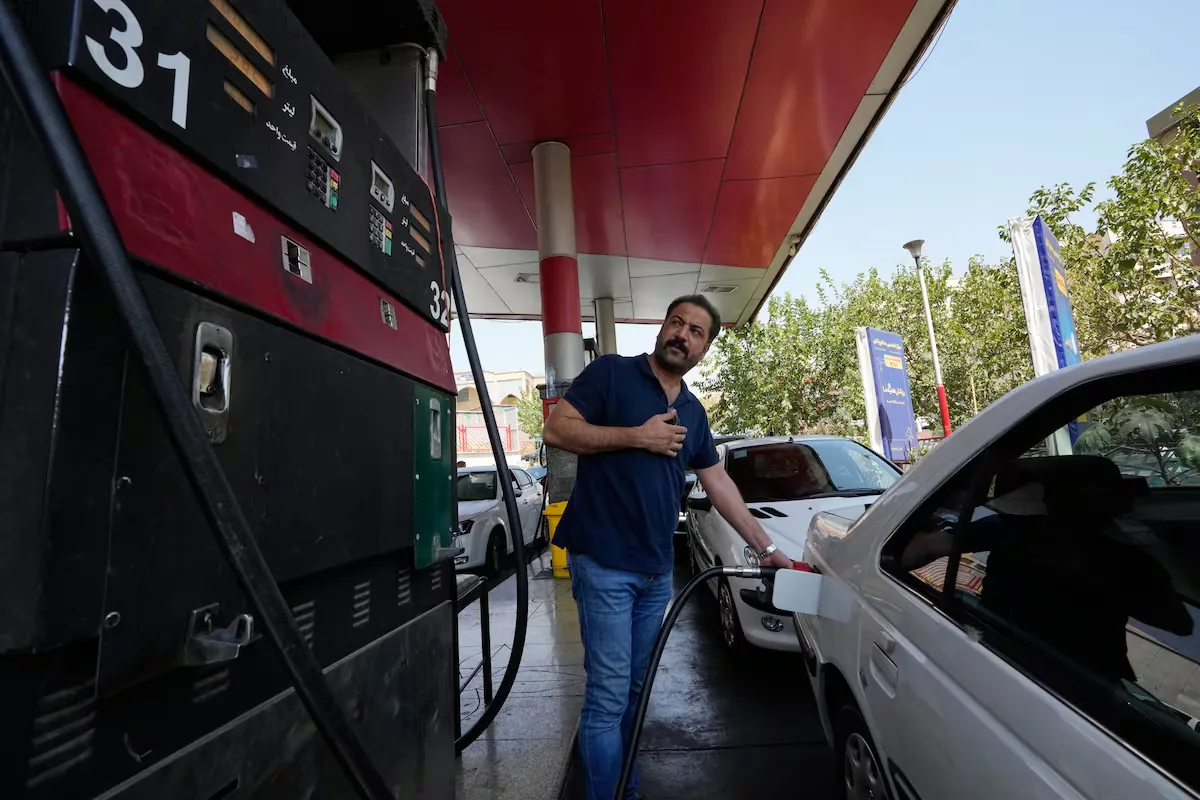
Iran stated this Tuesday that it is prepared to face the expansion of United States sanctions, after Washington announced new measures aimed at further isolating its economy. US Treasury Secretary Scott Bessent presented on Monday what Donald Trump had described as an “economic D-Day” against Iran and warned that any country maintaining financial ties with Tehran could be excluded from the dollar-based financial system.
Read more Them, from Netflix, and them, from HBO Max: this is the audience of each platform
Iranian Economy Minister Ali Madanizadeh stated that his country is “fully prepared” to face the sanctions, which, he said, will mean “another defeat” for Washington. The Foreign Ministry spokesperson, for his part, shared a mocking message on social media with an image of former US President George W. Bush, alongside Bessent’s Monday statement: “The final stage begins today.”
Scott Bessent: “The final stage begins today.” pic.twitter.com/23wjKQia8C
— Esmaeil Baqaei (@IRIMFA_SPOX) August 25, 2026
Iranian authorities have promised to retaliate against the expansion of US sanctions which, Washington hopes, will cut the country’s economic lifeline. They have expressed confidence that their main trading partners would withstand Trump’s latest pressure campaign.
On Monday, Bessent avoided imposing the harshest sanctions, as expected, and left everything as a major warning: those who continue trading with the Persian country, he said, risk being excluded from the international financial system. However, he refused to identify the countries that would be targeted by the measures or to reveal when the sanctions would take effect, explaining that he would give them time to comply with the new directive. The Treasury Department did announce new sanctions against 60 individuals, entities, and ships, but the list did not include any of the major Chinese financial institutions suspected of facilitating Iranian oil trade.
Asked why he had avoided imposing harsher sanctions, Bessent replied: “Why would I want to blow up the global financial system?” His intention, he said, is to give countries and companies time to sever their ties with Iran.
Earlier, Bessent had called on China — the largest buyer of Iranian oil for several years, although the US blockade of Iranian ports, reactivated in mid-July, has reduced that flow — to cooperate.
Experts say Washington fears Chinese retaliation if it imposes sanctions on its banks, especially ahead of the talks scheduled for next month between Trump and Chinese President Xi Jinping. Any restrictions on Chinese exports of critical minerals would be especially sensitive.
Read more Shakes that “replace a meal” impact our relationship with what we eat
Asked on Monday about Chinese banks, Bessent stated: “We want to make clear today that no one is beyond the reach of US sanctions.” That country’s Foreign Ministry said this Tuesday that sanctions and pressure tactics do not help solve problems and noted that Beijing will do what is necessary to protect China’s interests.
Iran and the US reached a provisional agreement in June aimed at ending the war that began with US and Israeli attacks against Iran, but the memorandum ultimately failed. Nevertheless, Pakistan, acting as mediator, reported this Tuesday “significant progress” in recent talks with Tehran, focused on measures such as avoiding a new escalation of the conflict and reopening the Strait of Hormuz.
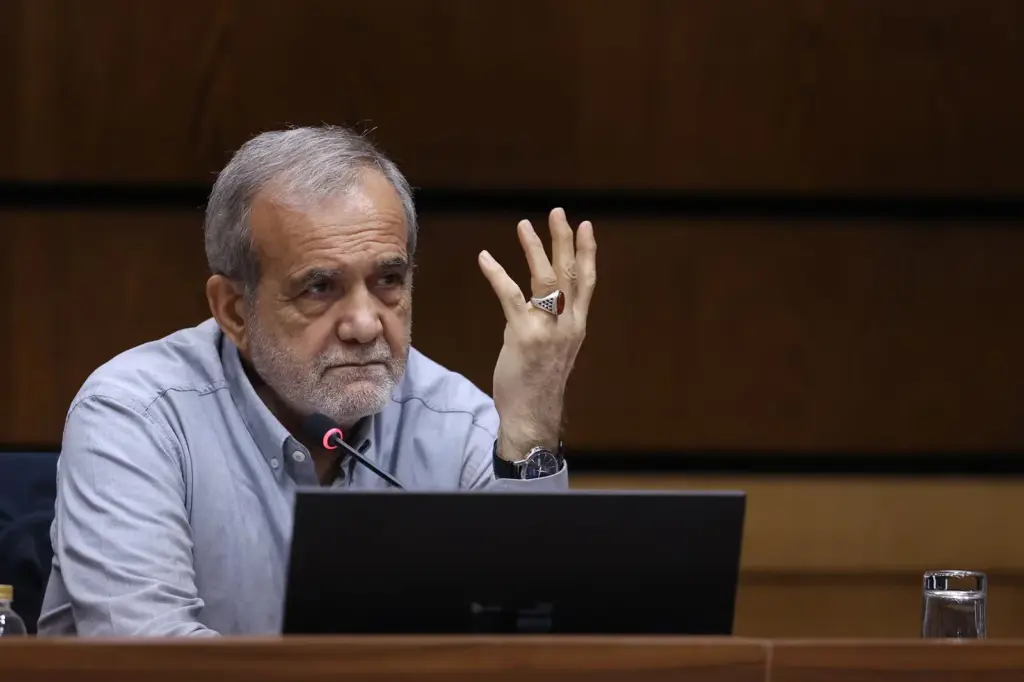
Before the new sanctions were announced, Iran had threatened both a possible military response and a further reduction of its oil exports from the Persian Gulf — the largest fossil fuel starting point on the planet — in retaliation for the economic measures pre-announced by the White House. This Tuesday, Madanizadeh added that neither China nor Russia have “accepted” the US measures, and predicted that other countries will also resist doing so.
Only two cargo ships passed through the strategic Strait of Hormuz on Monday, through which typically one-fifth of the crude oil and gas consumed worldwide each day flows, according to the latest data from navigation platforms. This is the lowest number of daily transits since early May.
Although the war has weakened much of Iran’s conventional military capacity, caused severe economic damage, and ended the life of the then supreme leader, Ayatollah Ali Jamenei, Iran retains sufficient missile and drone capability to attack neighboring Gulf countries and threaten tankers passing through Hormuz.