It was 7:34 a.m. on Monday, August 10 when a magnitude 7.4 earthquake, with its epicenter in San José del Palmar, Chocó, shook much of Colombia. In seconds, it interrupted the start of the day and turned an ordinary morning into an experience of uncertainty and pain. Like many, I was stunned to feel the earth move with such force. My world moved too.
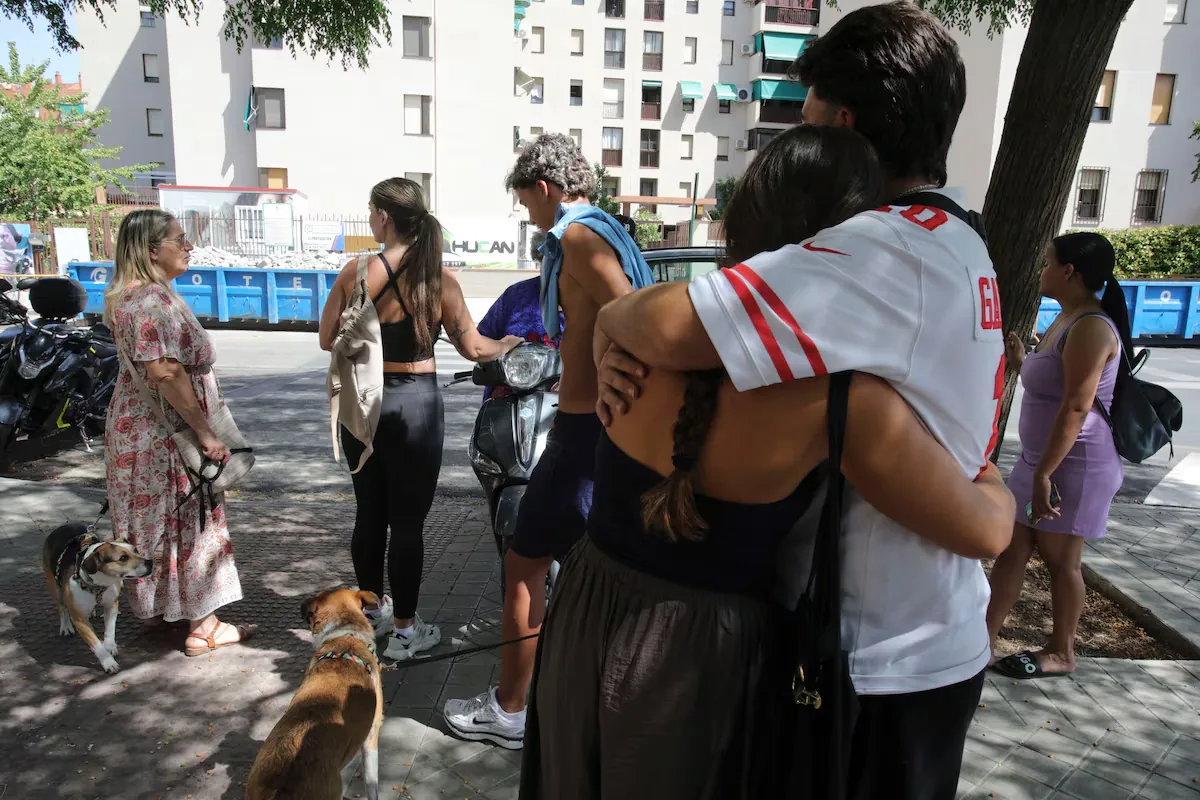
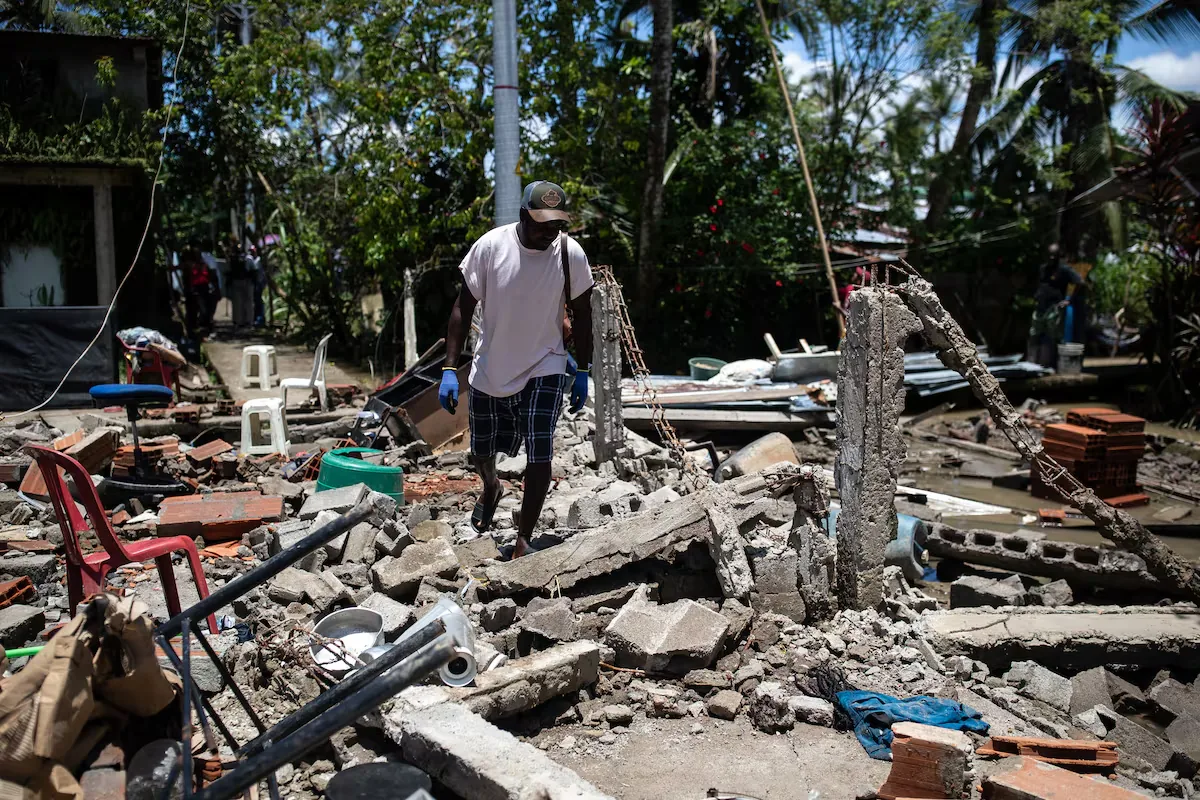
As the hours passed, news arrived of human losses, families without homes, and damage to hospitals and schools. While the earth regained its stillness, the tremor remained in the body. The same body that reacted before we could understand what was happening: we sought shelter, embraced others, called those we love. Then came the crying, the silence, the confusion. Each person found their own way to regain balance. Some needed to talk, others silence. Some found calm by resuming their activities, others still need more time.
Along with attending to material needs, emotional support began to take a central place. Families, communities, and institutions opened spaces for listening and psychosocial support for those feeling fear, anguish, or bewilderment. The emergency had left visible cracks in buildings and others more silent in the inner world.
In those days, the two faces of our emotional life have become visible. One reveals vulnerability, fear, and the need to be accompanied. The other drives us to seek others, offer help, care, and rebuild. Emotions reveal our fragility and also awaken our capacity to respond.
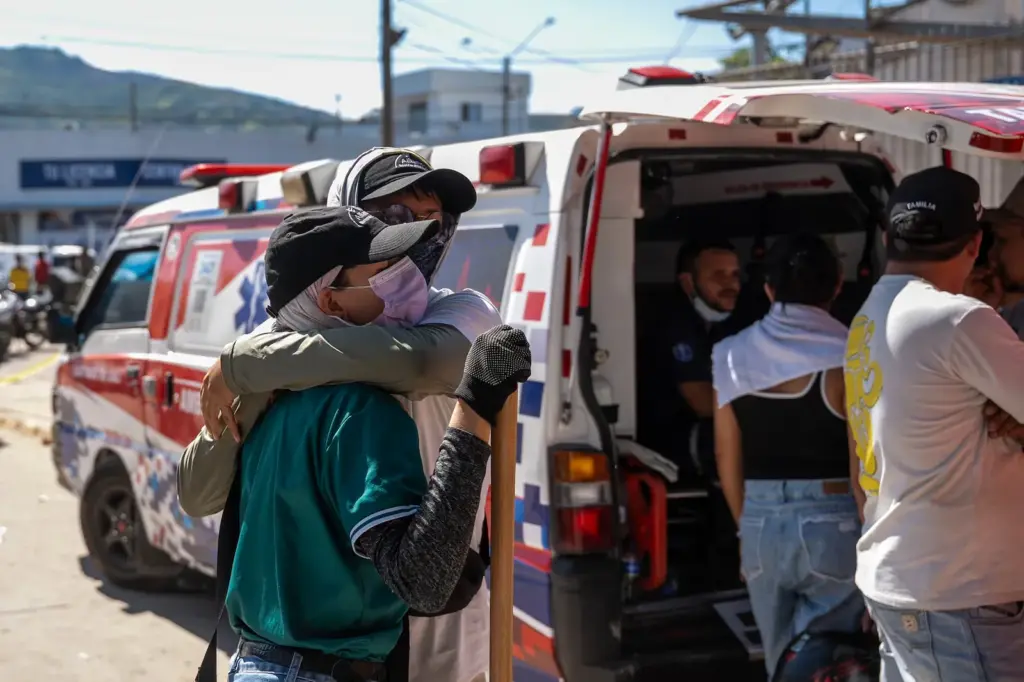
Perhaps we need to learn to read that inner seismograph that emotions are. The one that records what moves within us. It shows us what has been shaken, where we feel vulnerable, and what requires our attention.
Martha Nussbaum holds that emotions contain judgments about what we value: fear signals that something valuable is threatened; sadness speaks of what we have lost; helplessness appears when our desire to help exceeds what is in our hands; we are moved by the suffering of others because we understand that life matters.
Emotions reveal our vulnerability and the bonds that give meaning to our existence. Listening to them means asking ourselves what they try to show us and where they can lead us. Fear can invite us to protect. Sadness can bring us closer to those who need company. Helplessness can help us recognize our limits and discover possible action. A welcomed and understood emotion can become the beginning of a response.
Emotion usually arises close to us. We think of our fear, our family, our home, and what we might have lost. Imagination expands that first circle. It allows us to approach the experience of the other, who will always retain their own depth. Then, the relief of being safe meets the awareness of those who are experiencing loss.
Read more The value of support: what UMCE classrooms reveal about PACE
Judgment gives direction to that shock. It gathers what the emotion reveals and what imagination brings closer. It allows us to understand what is happening and find a responsible, timely, and attentive response to the needs of others.
From that encounter, compassion can be born. The word comes from the Latin cum pati, to suffer together with another, and names exactly that, the capacity to let ourselves be touched by what another person lives and feel called to act in the face of their pain. Compassion reminds us that vulnerability is a shared condition and turns the suffering of the other into a reality that demands our attention.
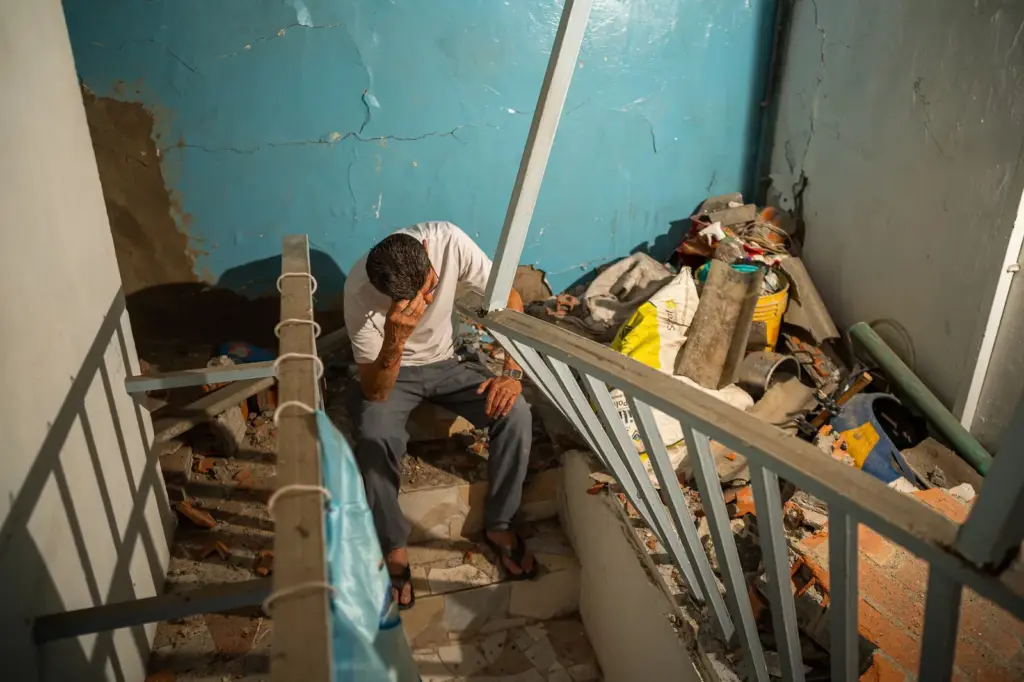
When that disposition is expressed concretely, we speak of solidarity. It is in those who seek, shelter, listen, donate, accompany, or help rebuild. Also in those who share reliable information, care for someone who is afraid, offer their knowledge, or simply stay close. A call, a listening, concrete help, or timely presence can support a part of life. Thus, what moves us is transformed into action and helplessness becomes presence.
Perhaps resilience implies that journey. Recognizing what has shaken us, allowing ourselves to receive help, gradually recovering daily life, and discovering that we can also support others. Being resilient is rebuilding ourselves with what we have lived and relying on the bonds that sustain us.
After an earthquake, we check structures, look for cracks, and ask about the firmness of what remains standing. Doing something similar within ourselves is also part of recovery. Fear, sadness, and confusion make our fragilities visible. Imagination, judgment, compassion, and solidarity reveal our capacity to respond.
The earth moved and our inner world moved with it. Perhaps the question that remains is not how much the earth shook, but how much it moved us inside, and where to.