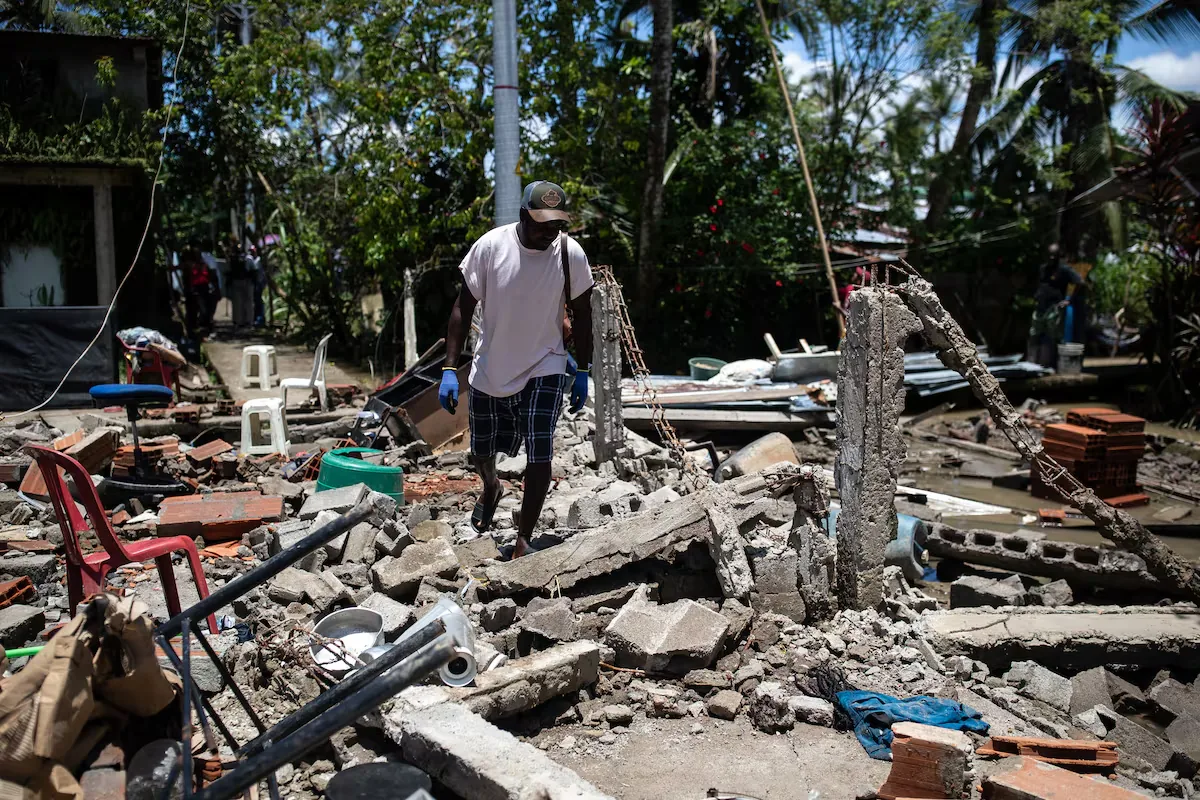
The National Geographic Institute has recorded six earthquakes of different intensities in Granada and its metropolitan area during the early hours of this Wednesday. According to the agency, residents have reported five of them after feeling them in different municipalities of the Vega de Granada and the Granada coast. The province faces the day with inspections to assess the condition of the affected buildings and with evacuees in different localities following the magnitude 4.8 earthquake on Tuesday. Health centers and hospitals are returning to their usual operation after the inspection of the buildings that house them.
Read more The challenge of the next 72 years
After the tremors that occurred on Tuesday ―the strongest felt in the morning with an intensity of 4.8―, La Zubia and Las Gabias recorded two earthquakes of 1.7 and 1.8 in the first part of the early morning and, later, Otura, Alhendín, Ogíjares and Gójar ―the latter municipality was the epicenter of the main earthquake on Tuesday― felt another four with a magnitude between 1.6 and 2.5 on the Richter scale. Since August 14, more than 150 tremors have occurred in the province of Granada, according to IGN data.
Wednesday’s earthquakes have been felt in about twenty municipalities in the province, where inspections will continue to assess the material damage caused by the tremors. Tuesday’s episode resulted in three people with minor injuries and 600 residents evacuated in the municipality of Las Gabias, who do not know when they will be able to return to their homes.
The concern of the inhabitants of the Vega de Granada and the capital prompted many of them to head towards the Granada coast, causing traffic jams at the main exits of the capital, especially on the highway towards Motril and near municipalities such as Salobreña or Almuñécar, already on the coast.
Read more Is that what the opposition wants?
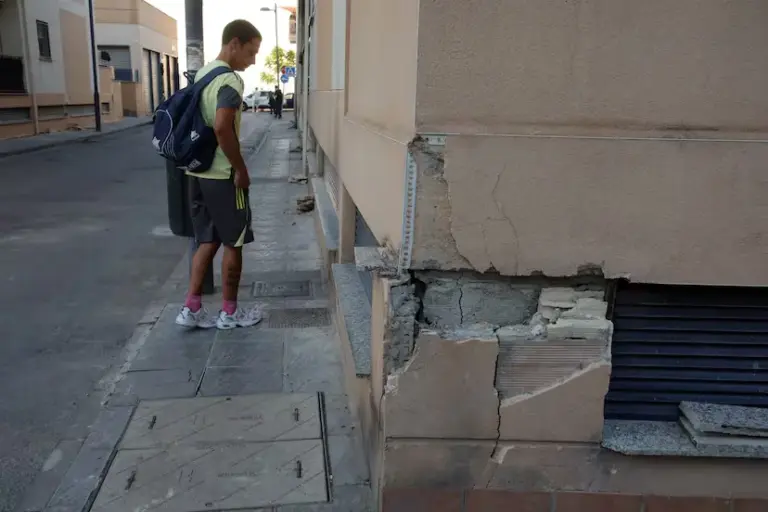

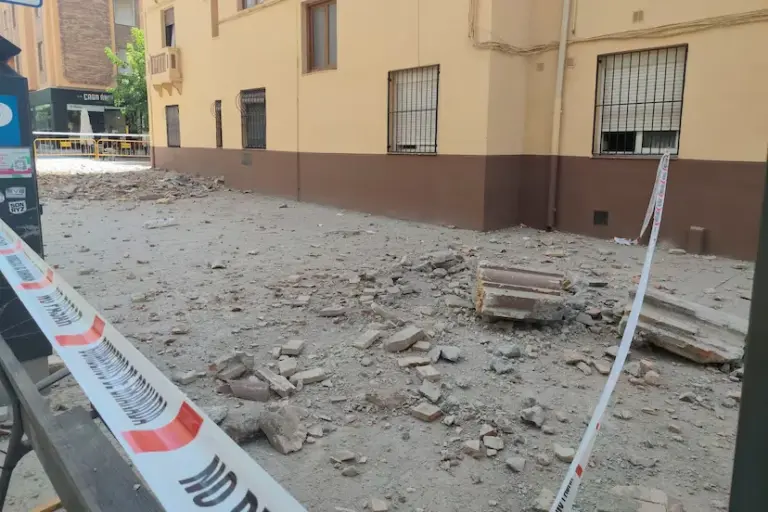




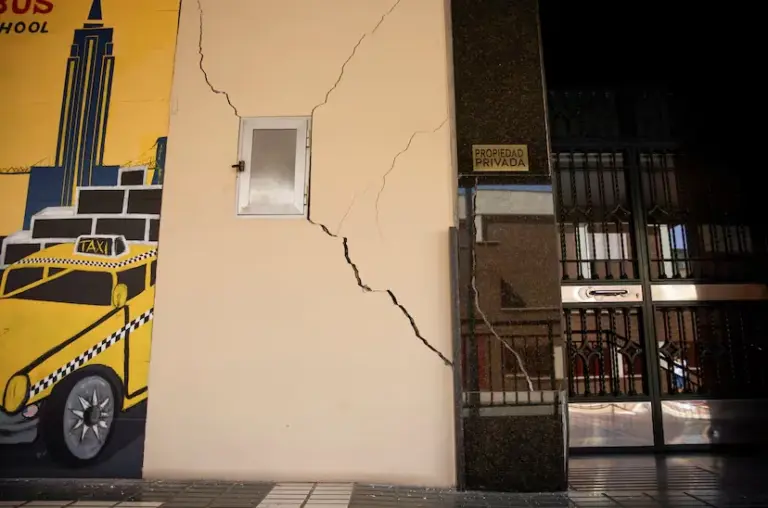








The Andalusian Government maintains the pre-emergency phase of the plan active due to the seismic risk since the earthquake recorded in the early hours of last Saturday, with a magnitude of 5 and epicenter in Alhendín. Meanwhile, the Andalusian Health Service, dependent on the Ministry of Presidency, Health and Emergencies, has reported that healthcare activity has been restored “normally” after the “temporary and preventive suspension” agreed to facilitate the evaluation of the facilities and ensure the safety of patients and professionals.
The Alhambra reopens without the Alcazaba
The Alhambra, the historically most visited monumental complex in the country, reopens to the public this Wednesday with the routes through the Nasrid Palaces and the Generalife adapted to guarantee visitor safety and facilitate quick evacuation if necessary. After the evacuation on Tuesday of part of the facilities, the Alcazaba remains closed until further notice.
Read more Judicial exile demands President Arévalo “concrete actions” for a safe return to Guatemala