Organized crime associated with drug trafficking that has taken root on the coast of Andalusia, especially in Huelva, is overwhelming the response capacity of the State security forces and bodies. Police officers and civil guards warn of the magnitude of the violent reality they face almost daily, such as shootings with war weapons or ramming with semi-rigid boats. Shootings against law enforcement officers, executions, and settling of scores are now as common as the seizure of long guns and assault rifles in anti-drug operations.
Read more ‘Little Perfect War’, return to the bloody nationalism of the nineties in the Balkans
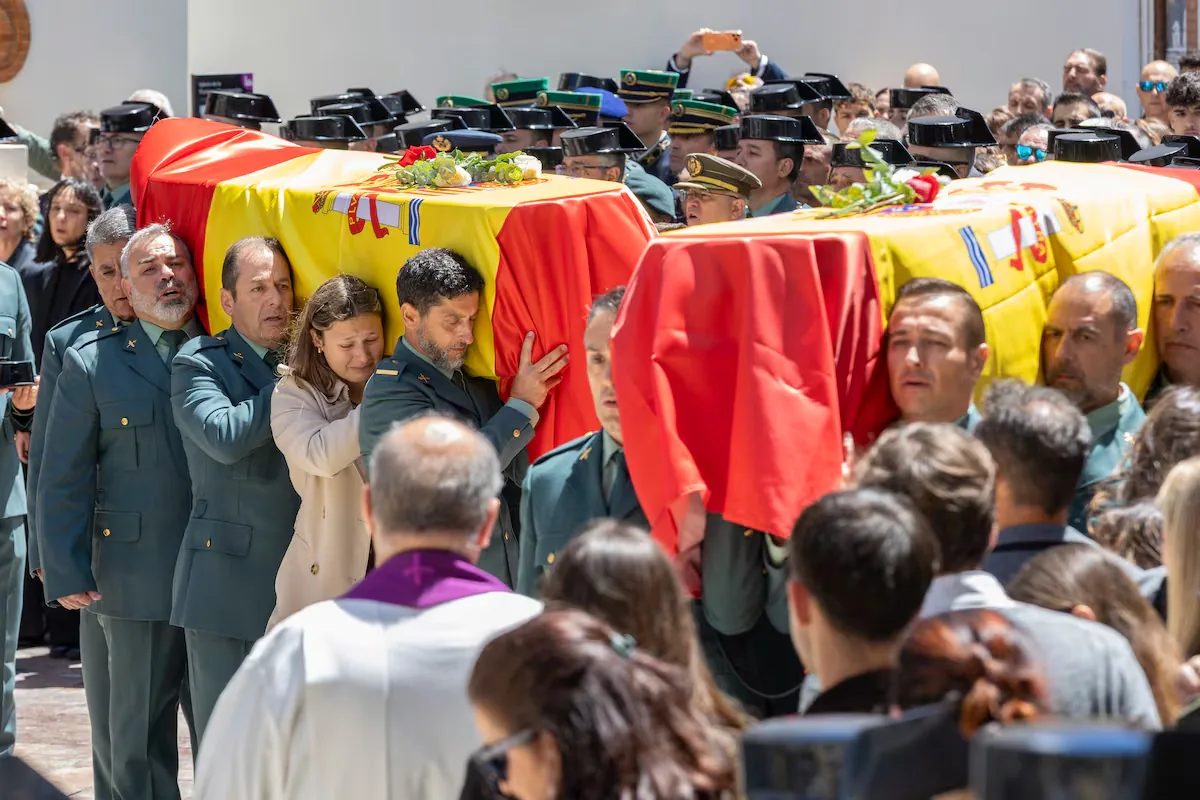
In 2024, two civil guards died after being rammed by a drug trafficking boat in Barbate (Cádiz). Last May, another two died in Huelva in an accident while pursuing another drug trafficking boat. Three police officers were seriously injured in Isla Mayor (Seville) after being machine-gunned when confronting hitmen hired to protect the merchandise. This month, extreme violence shocked the residents of Isla Cristina (Huelva) when a shooting settling of scores in the middle of the street left three dead, including a pregnant woman and a minor.
“It’s a matter of time before they kill us,” said an officer stationed in the area to this newspaper. The professionals remain anonymous to protect their families and live with their targets in the towns. The situation is an Andalusian replica of the so-called North syndrome: the hypervigilance with which police officers fighting ETA lived in the Basque Country.
In response to demands for more resources, the Ministry of the Interior argues that this area already has special plans since the beginning of the legislature, referring to the different editions (five) of the Special Security Plan for the Campo de Gibraltar, which began in 2018 and was allocated another 32.8 million euros this year to reinforce staff and material and technological resources. In the entire area, there is a higher number of agents relative to the population, and the crime rate is lower compared to the average in the rest of Spain. But this is not about crime but organized crime. The numbers do not alarm but the category of what is happening does. Guards and police interviewed by this newspaper describe it as a “war” between the State and drug trafficking.
Read more China already has a culprit for its real estate crisis, but still has not found the solution
Shielding the 1,100 kilometers of Andalusian coast and its navigable rivers (Guadalquivir, Guadiana, Guadalete, Odiel…) is an impossible mission. Drugs enter from all sides and with all kinds of vessels. Cocaine, whose prices on the market have fallen due to oversupply, now comes from Latin America via the Atlantic-African route and enters the Peninsula from Portuguese waters, piercing the coast of Huelva or using the hashish routes of the Strait.
The Andalusian president, Juan Manuel Moreno, has asked the Government for more resources and to reinstate the elite group (OCON) of the Civil Guard in the area, which was dismantled in 2022 due to alleged corruption. But reducing it to a matter of police resources distorts a reality that rides on the enormous demand for drugs that exists in Europe and the huge business it entails. Drug-related violence in Andalusia also requires intelligence services and probably the military, needs to strengthen investigation and follow lessons from other parts of Europe where drug trafficking has subjected entire cities: more courts and specialized prosecutors and reconsidering procedures that drag on and favor impunity. Drug trafficking in Andalusia is already more than a matter of crime. The comprehensive response must start now.