Six months after suffering a major judicial setback in the Supreme Court against indiscriminate tariffs by decree, Donald Trump has resumed the trade war as a tool of foreign policy. The chosen enemy is neighboring Canada. The governments of both countries have embarked on a worrying escalation of retaliations and heated statements whose consequences could affect the whole world.
Read more Narcoviolence in Andalusia
Negotiations between the two countries broke down on Friday, when contacts seemed on track to avoid a new wave of tariffs between two countries that exchange nearly 900 billion dollars annually in goods and services, and that have traditionally been model allies. Washington blames Ottawa for the failure. Canada denounces that Washington introduced unacceptable demands at the last moment, including the abolition of the use of French on labeling, a gratuitous offense that has touched national pride, or the demand for access to Canadian critical minerals. As a result, on Saturday the United States announced it will impose 50% tariffs on 20 billion dollars of Canadian products, from hockey sticks to paper. Canada has promised to respond “dollar for dollar” with reciprocal tariffs. This Monday, Trump added fuel to the fire by announcing 50% levies on vehicles and steel manufactured by the neighbor.
A year and a half of global trade chaos does not seem to have convinced the White House of the contraindications of this policy. As expected, after Trump’s new threats, shares of American automakers fell on the stock market. The measures threaten to further fuel inflation. One of the reasons for the president’s meager popularity is the widespread perception that the Administration launches into wars without clear objectives, military and commercial, which citizens pay for at the checkout.
Read more ‘Little Perfect War’, return to the bloody nationalism of the nineties in the Balkans
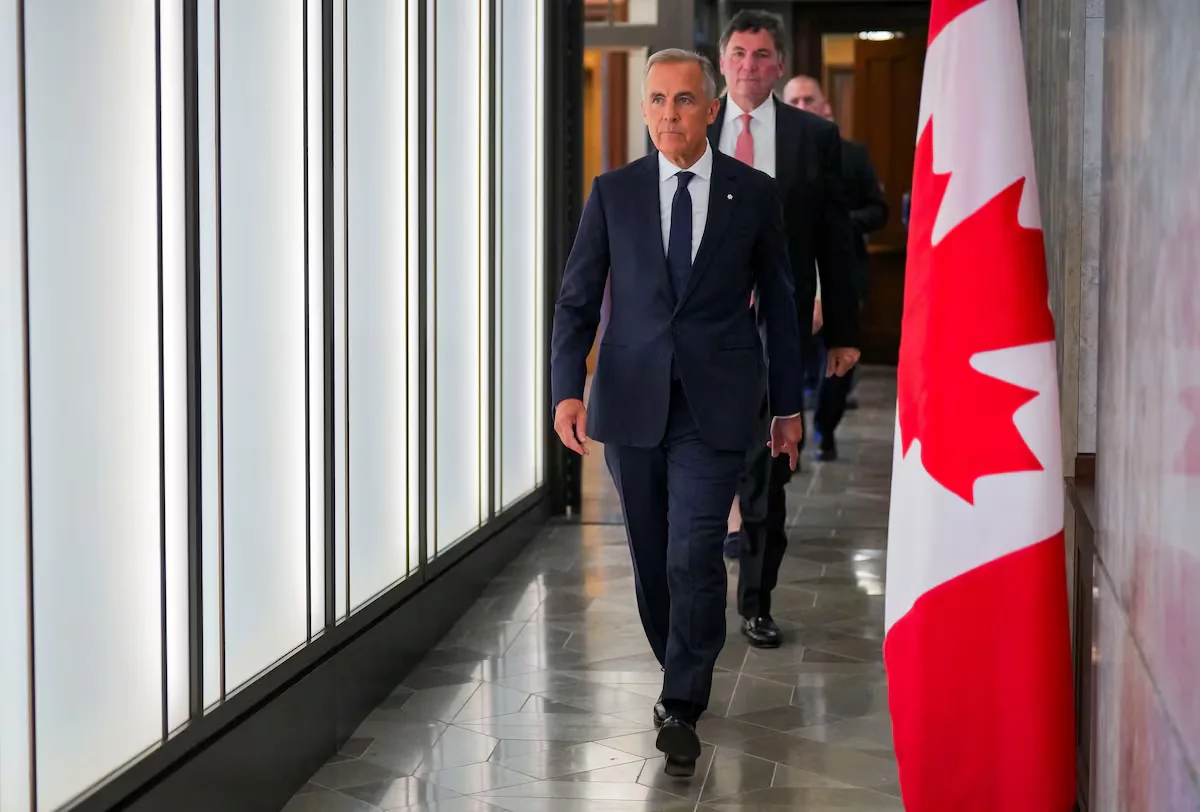
What is at stake is not only an economic issue. It is, above all, a matter of sovereignty and respect from the US towards its allies. On Saturday, Canadian Prime Minister Mark Carney pointed out that Washington’s requirements would have made it difficult, among other things, for Canada to sign free trade agreements with other countries or trade zones. Trump has made it clear that he sees Canada as a subordinate nation that could be just another state of his country.
The danger of this escalation for Washington is the example of Canada. Three quarters of Canadians agree to suspend negotiations. If its greatest historical ally decides to stand firm against the slights, stand up and assume the economic consequences, that resistance can be replicated in partners with far fewer historical ties to the United States.
Read more China already has a culprit for its real estate crisis, but still has not found the solution