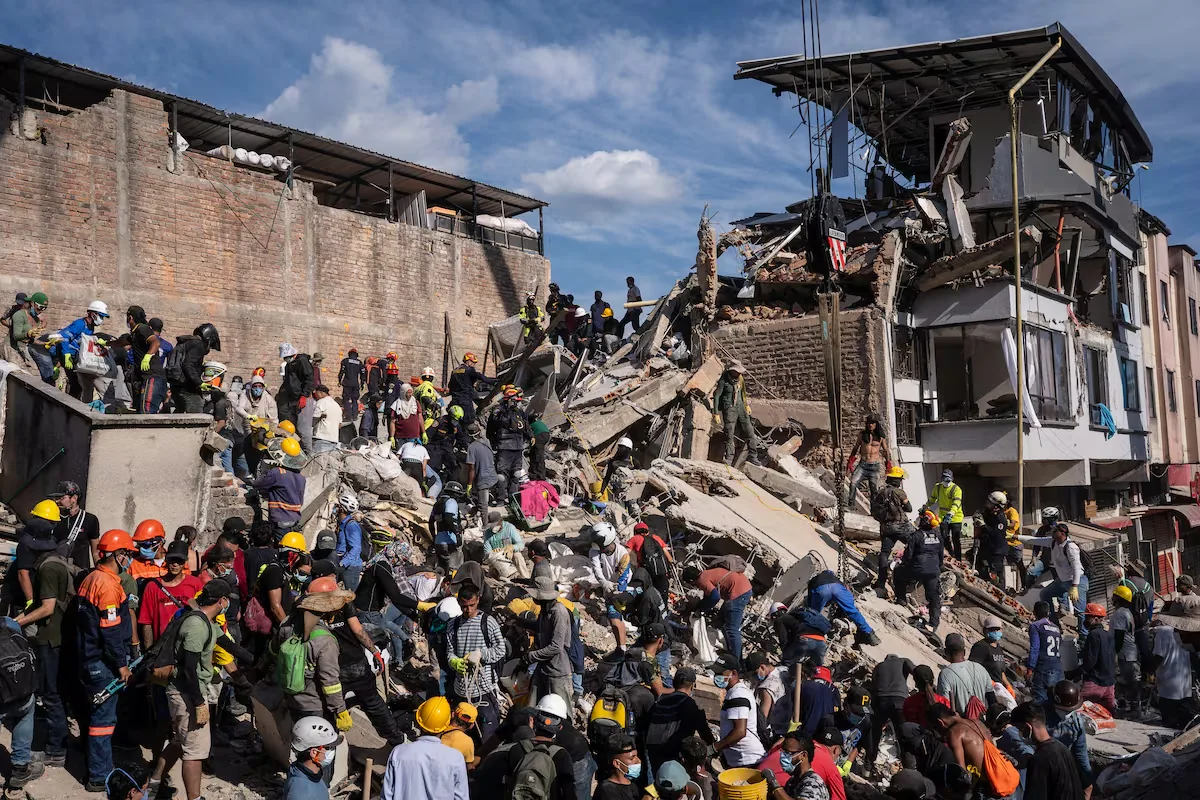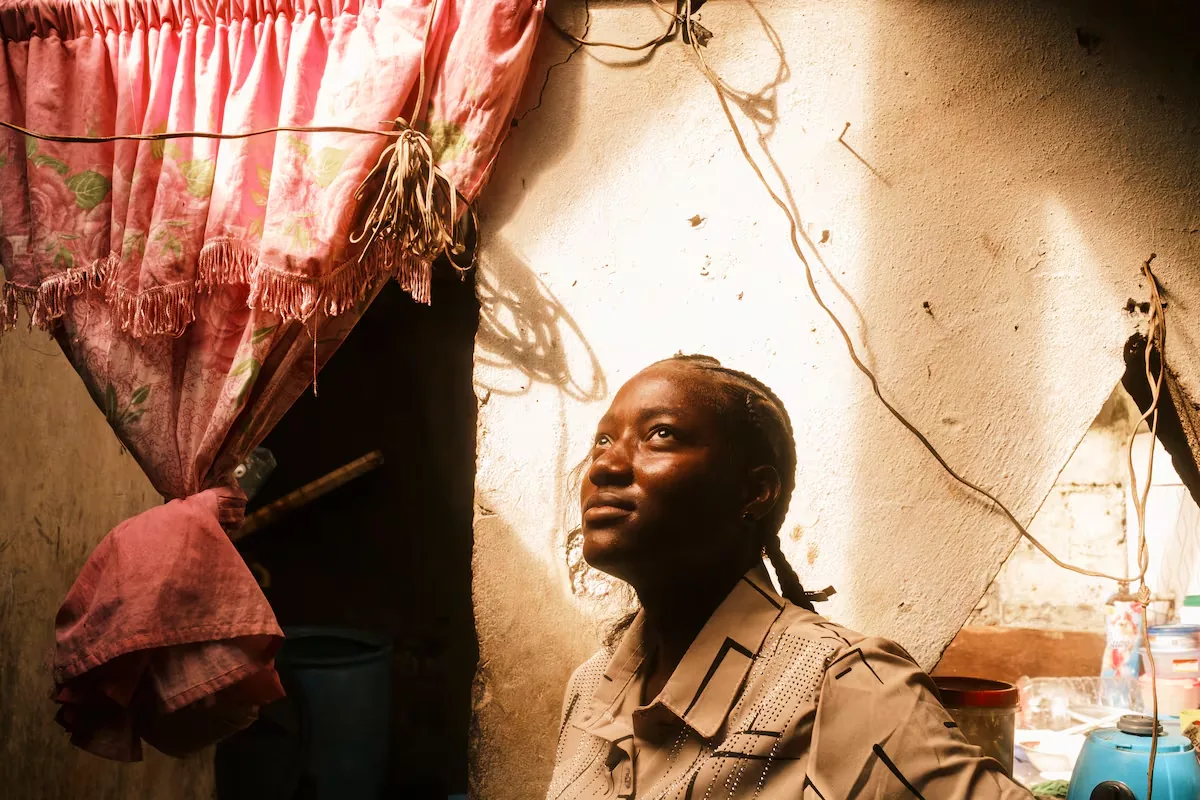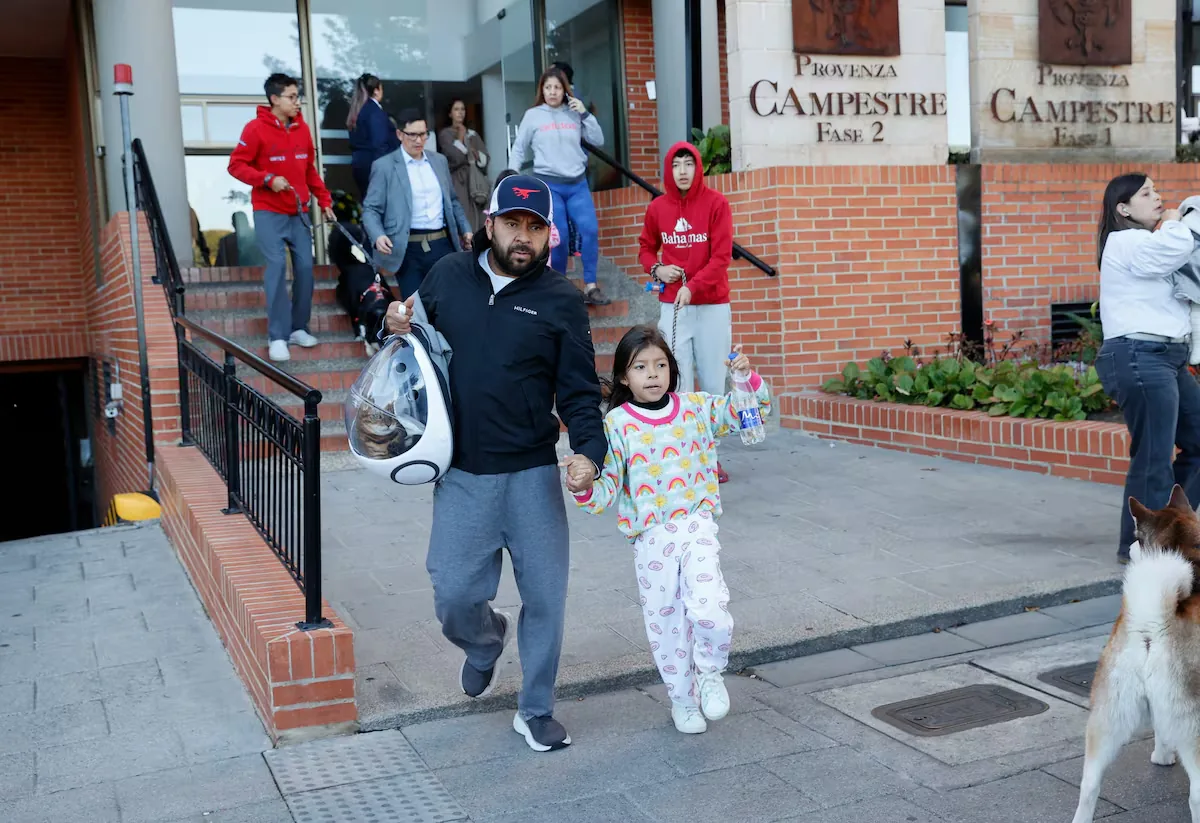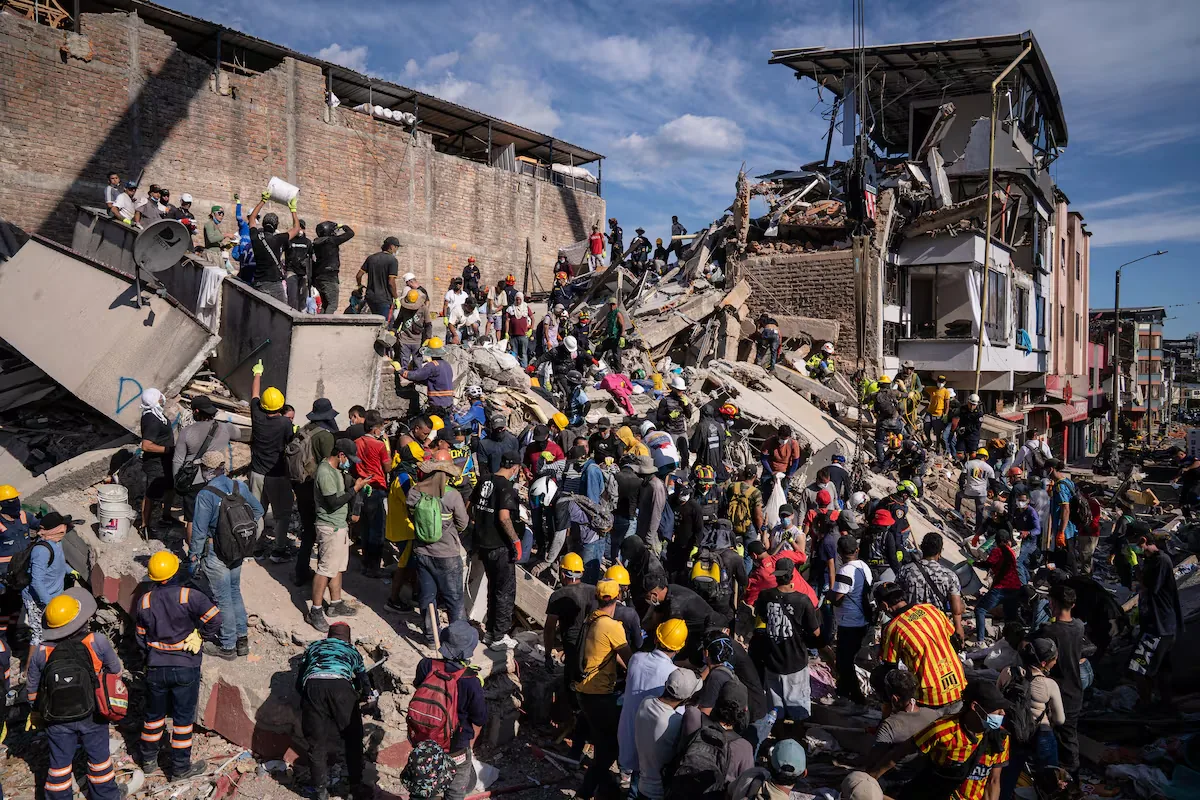
The Government of Colombia has announced aid for families affected by the earthquake that shook the western part of the country on August 10. The response includes different types of support, such as direct transfers, rental subsidies, and delivery of construction materials. According to the Administration of Abelardo de la Espriella, the so-called Miracle Plan includes an economic fund, with public and private resources, to assist the people and communities affected by the earthquake.
Read more More than 160 missing or abused children rescued in the United States
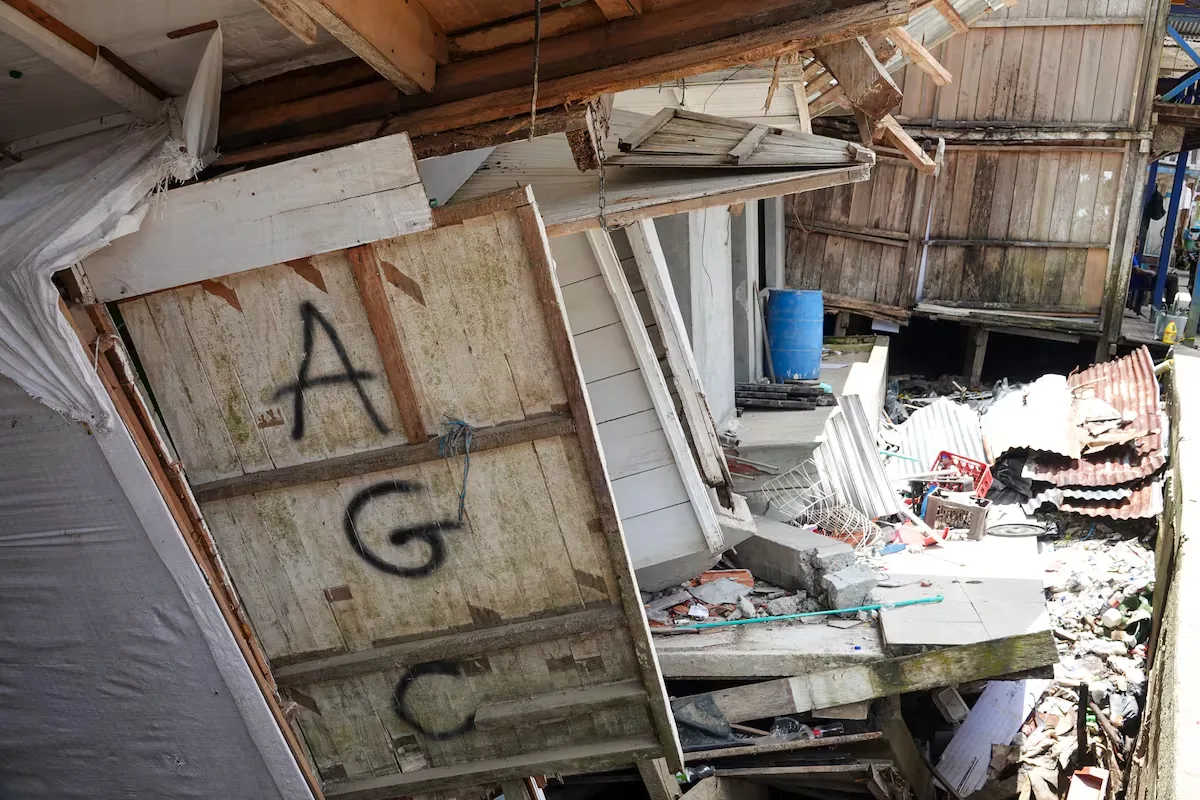
The emergency caused damage in at least 16 of the 32 departments of the country and, according to the most recent Government report, up to 178,515 homes were damaged and another 31,613 completely destroyed. The magnitude of the tragedy led the Executive to declare a State of Economic, Social, and Ecological Emergency through Decree 1261, which is valid for 30 days during which the Government can issue decrees with the force of law to take immediate measures to address the situation.
Economic support for families in Chocó
In the department where the earthquake epicenter is located, the Government announced direct aid of 2,626,356 pesos per family, distributed in three monthly payments of 875,452 pesos.
According to what De la Espriella said, the delivery begins this Wednesday, August 26, and is aimed at people who lost their homes or whose houses cannot be inhabited. The condition announced by the Government is that families must be registered in the Single Registry of the Affected.
The Government has explained that reconstruction in the department on the Pacific coast will begin with a technical diagnosis, house by house and village by village, to establish the level of damage and define the appropriate solution for each family. Homes with minor damage can be repaired, while immediate aid is planned for those that became uninhabitable as definitive solutions progress.
Economic aid in Buenaventura
In the port of Buenaventura, one of the localities most affected by the earthquake, the Government announced support of 1,050,000 pesos monthly for three months, totaling 3,150,000 pesos per family. The announcement came after the Government reported more than 5,000 people affected in the district on the Pacific Ocean, as well as nearly 9,200 damaged homes and 954 destroyed. The delivery also begins on August 26 and will be managed by the National Unit for Disaster Risk Management (UNGRD).
On August 24, De la Espriella announced the donation of 51 houses by the private sector for those who lost their homes, although he did not specify how or when they will be delivered. He added that families with damaged homes will receive a “materials kit and technical advice and support for their rehabilitation.”
What about the rental subsidy?
Another of the planned measures is the temporary rental subsidy. The Ministry of Housing has indicated that the UNGRD allocated 100 billion pesos for this purpose. The allocation will depend on the diagnosis and characterization of the affected families carried out by the governors and territorial authorities.
Read more Betis punishes Valencia’s stinginess
It is important to distinguish this mechanism from the direct economic supports announced for Chocó and Buenaventura, pending specific announcements for other affected regions such as the cities of Pereira and Cali. The rental subsidy aims to guarantee a temporary place to live while a housing solution is defined, whereas the transfers are direct economic supports for certain affected households.
How to access the aid?
The central point to access the support is to be officially identified as an affected person. The Government’s response is based on the records and censuses prepared after the earthquake by territorial authorities and the National Disaster Risk Management System.
In the case of Buenaventura, the Presidency expressly specified that the support of 1,050,000 pesos monthly will be for families “duly registered and censused” and enrolled in the Single Registry of the Affected. In Chocó, the Government also conditioned the support on identifying families whose homes were destroyed or became uninhabitable. The technical diagnosis will be decisive in establishing the situation of each household.
Therefore, if a home was affected and has not yet been characterized, it is advisable to go to the municipal mayor’s office or the corresponding governor’s office and inquire about the registration process for the damage.
What other aid does the Government include?
The economic emergency opened the door to measures beyond money transfers. Decree 1261 of 2026 contemplates the possibility of creating credit mechanisms with special conditions (such as mortgage loans for home acquisition with an 8% annual interest rate, announced by the private bank), rate compensations, grace periods, guarantees, and commission subsidies, to support affected people and economic activities.
In parallel, health care for victims has a specific mechanism. The Administrator of the Resources of the General Social Security Health System (ADRES) reported that it recognizes indemnities and funeral expenses for fatal disaster victims and for people with permanent disability, provided there is the corresponding certification from the UNGRD. It also covers health services provided to victims of these events, including emergencies, surgeries, hospitalization, rehabilitation, and transfers.
Read more The CIA director, John Ratcliffe, travels to Moscow unexpectedly