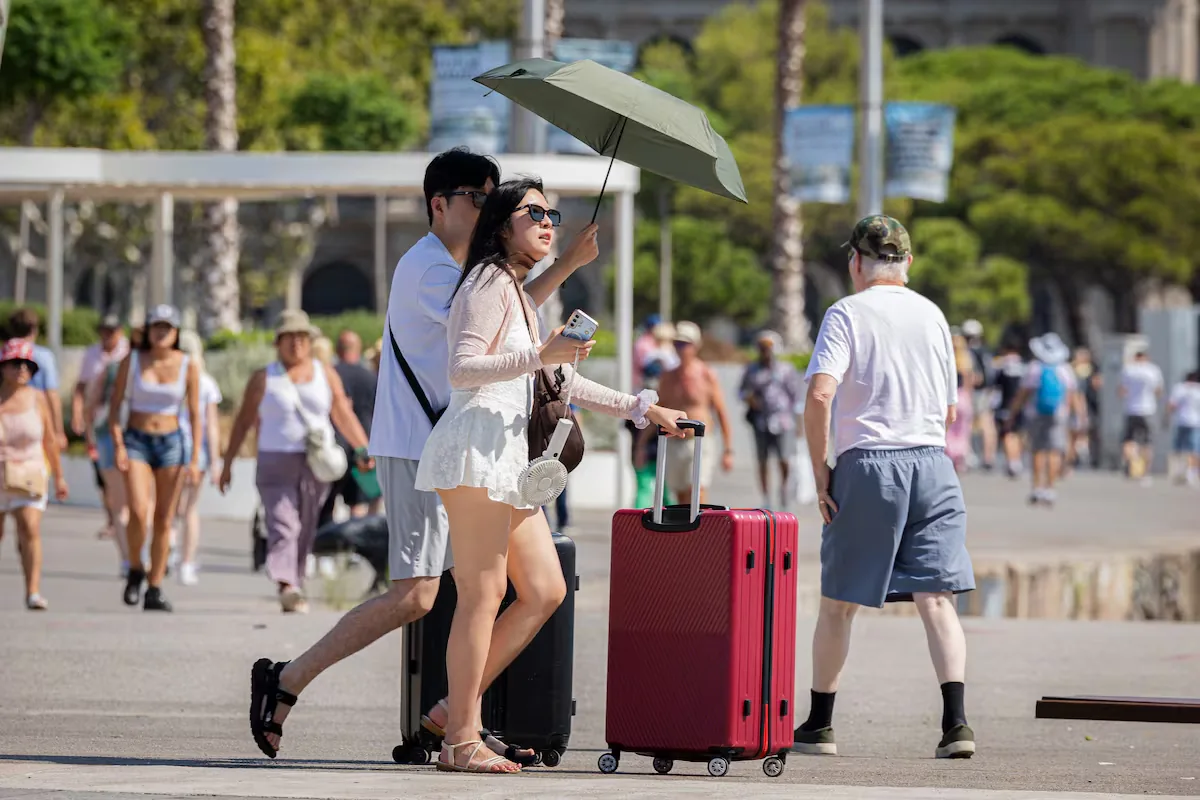
Since the end of the pandemic, Spain has recorded 61 consecutive months of year-on-year growth in the arrival of foreign tourists, a virtuous cycle that has helped it remain at the forefront of growth among the major economies. The clearest expression of this success is the three consecutive records since 2023, when pre-COVID figures were surpassed, reaching 96.8 million visitors last year. Spain benefits as a destination from the turbulent global situation, despite the resulting energy instability and the high cost of fuels making travel more expensive. The data from the first half of the year confirm this: 46.5 million tourists (4.6% more). If this pace continues, Spain would exceed 100 million visitors this year, a symbolic milestone also indicated by hotel and travel bookings in recent months.
Read more The “resurrection plant” of the desert paves the way to make vaccines without a fridge
July records two other unprecedented figures: there have never been so many jobs linked to tourism (almost 3.1 million Social Security affiliates, 13.9% of the total); July had never recorded so many overnight stays (44.8 million). With the widespread increase in prices, tourists are spending more and more money: 63.8 billion in the first half, 7% more than the 2025 record.
The story of this boom cannot be told without considering its other side: tourism cannot be infinite, as a sector in transformation well knows, and its multiple impacts on citizens’ lives are increasing. Its sustainability involves administrations, parties, and companies. The figures reflect a diversification of the market and destinations and advances in quality, which, together with the sector’s awareness that the low-cost model is exhausted and examples that another type of tourism is possible, invites cautious optimism. But they do not hide complex challenges that have grown alongside the sector’s numbers, the main one being overcrowding and its pressure on housing and public services.
Read more Peridis: for the crown prince
It is necessary to reflect and act on issues such as the quality, productivity, and wages of tourism employment; the proper planning of growth and the renovation of the hotel stock; the size of companies and their innovation; the provision of public services and their financing in the most visited destinations; or that the price increases that improve the results of hotels and other businesses do not make it impossible for millions of Spaniards to travel within their own country. All this while the climate emergency may radically change what it means to travel or vacation in Spain.
One hundred million is one of those round figures that seem to demand reflection. In this case, it must be that neither unlimited tourism nor the absence of tourism is valid, so as a society we are at stake to make the model viable.
Read more The debate | Does it make sense to keep searching for Lorca’s body?