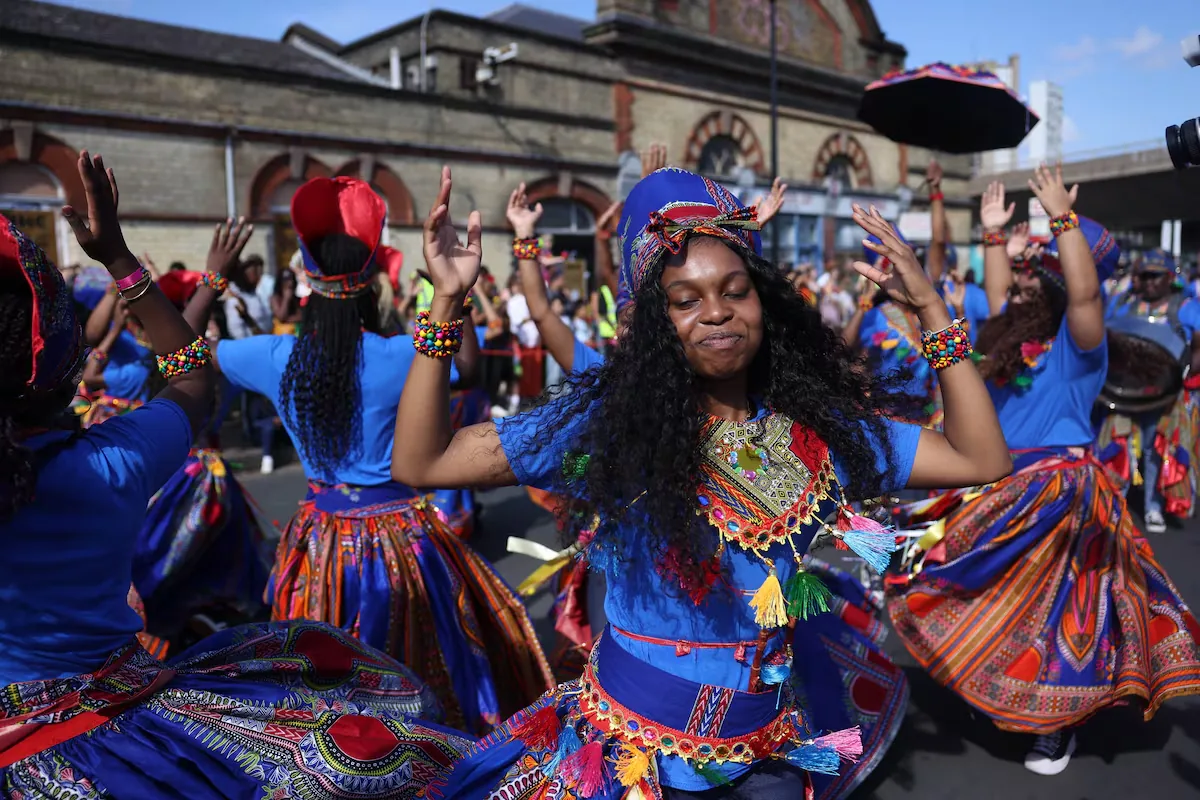
Linett Kamala is called “the queen of the sound system.” She was the first woman to DJ at the Notting Hill Carnival back in 1985, at just fifteen years old. Since then, she has performed every year on its streets. This year she has set up a silent space in the residential gardens of St Stephen’s Gardens, an oasis of calm amid the two million people who gather in this West London neighborhood for two days. This year the carnival celebrates sixty years. “People can come to relax and to chat,” she says.
Read more Five injured, three of them in critical condition, after a car overturns on a rural road in Lleida
The gardens are surrounded by imposing white Victorian and stately houses and by the noise and music blasted from the mountains of speakers of the sound systems or street discos. There are more than a hundred discos set up throughout the neighborhood. The rhythms of reggae, dub, soca, calypso throb. Kamala recalls that first time she got on one of these stages with the three mixing tables. “Everyone laughed because they had never seen a girl DJ before, but I ended up winning people over.” Three years ago, a friend of hers who attended an exhibition of historical photos of the carnival saw a photo displayed of that first performance. “When I saw it, I got emotional,” she says. It shows Kamala with a microphone speaking to the audience.
From these gardens, you can see the top part of the parade passing along Chepstow Road, with walls of speakers decorated with shiny fabrics and Caribbean flags. Behind, the parade participants dance with huge plumes of brightly colored feathers. Among the crowd is Michael Becket with his camera. He is a neighborhood resident and has been photographing the carnival since its beginnings in 1966. He is 88 years old. He worked all his life as a journalist for the Daily Telegraph.
Becket recalls the racism problems with the so-called Windrush generation, which is how the Caribbeans who came to the UK to rebuild the country after World War II are known. They mainly settled in the North Kensington area, which includes Notting Hill.
“I came to live here because the prices were affordable,” Becket explains. Later the neighborhood became trendy due to the success of the film Notting Hill in 1999 and wealthy people, especially Americans, wanted to live near Hugh Grant’s bookstore and prices rose. “It’s the new rich in the neighborhood who complain about the noise and want the carnival moved elsewhere,” says Becket.
But in the fifties it was an overcrowded neighborhood with a housing shortage and the far right and teddy boys gangs blamed the Afro-Caribbeans. In 1958 a wave of racist attacks broke out. In 1959, 32-year-old Antiguan carpenter Kelso Cochrane was stabbed because of his skin color. The police concluded it was just a robbery attempt. “The neighborhood police station was very racist at that time,” says Becket, who is a strong supporter of the carnival.
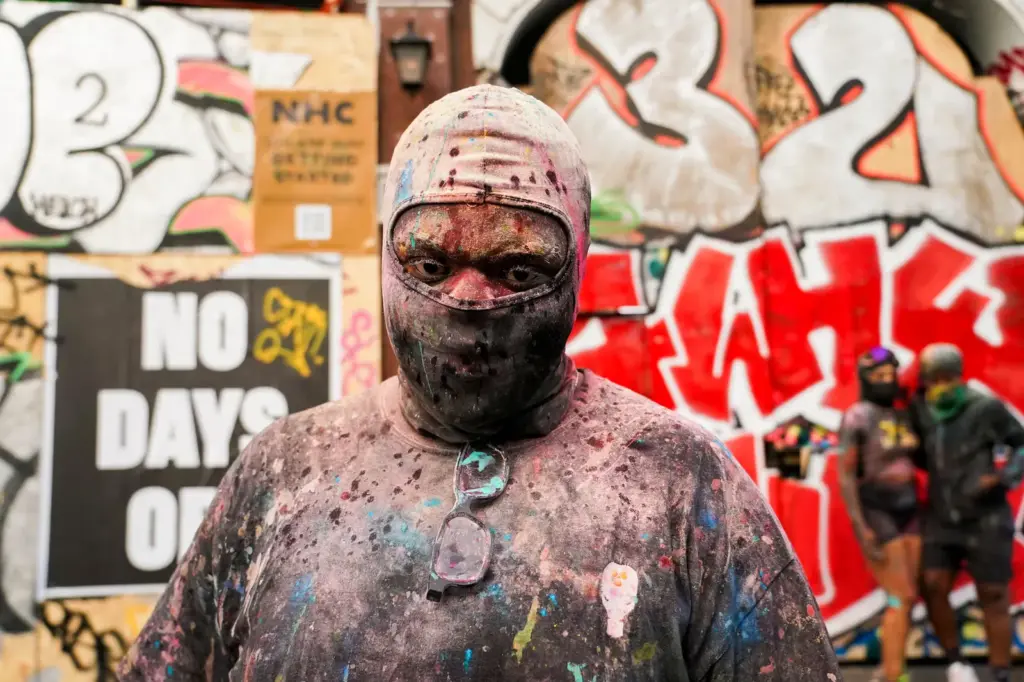
The shock over Cochrane’s death pushed Claudia Jones to organize a Caribbean carnival in an indoor space, to build community bridges and reaffirm Caribbean cultural dignity in the face of extreme violence. In 1966, social worker Rhaune Laslett organized the first official carnival. In Westbourne Grove, a giant mural commemorates Laslett and Jones, the mothers of the carnival.
Read more A German woman drowns on a beach in Girona
Krishauna Dixon, 21, comes from South London and has just passed the metal detectors on Westbourne Grove and walks with a Jamaican flag tied around her neck like a cape, alongside some Saint Lucian friends. “Since I was little, I come to the carnival every year — she explains —. I have an aunt who lives here, we always followed the parades and went to her house and stayed there because on her street they had their own disco.” “I just got back from a vacation in Jamaica a week ago, and here I feel at home. It’s a way to represent your country, your roots, and the Caribbean as a whole. We love keeping that generational tradition alive,” she says.
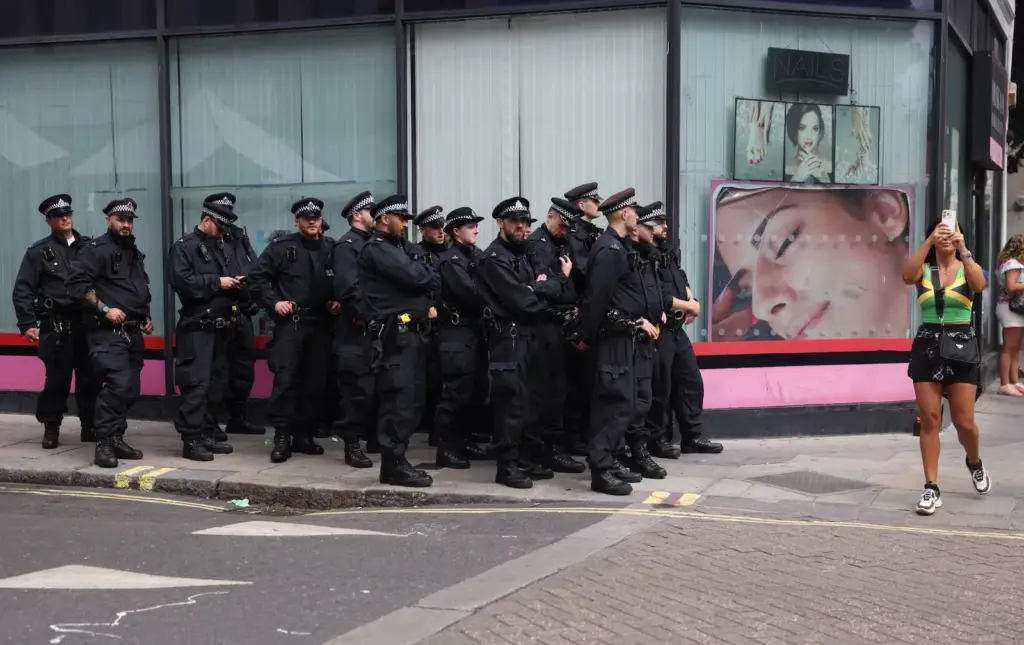
The Metropolitan Police and some Conservative MPs have called to move the carnival to an indoor space or a park like Hyde Park because, they say, there are too many people in too small a space. The carnival organizers and Afro-Caribbean groups reject this option. They consider it would uproot it, destroy its historic character of neighborhood resistance, and turn it into a private commercial event.
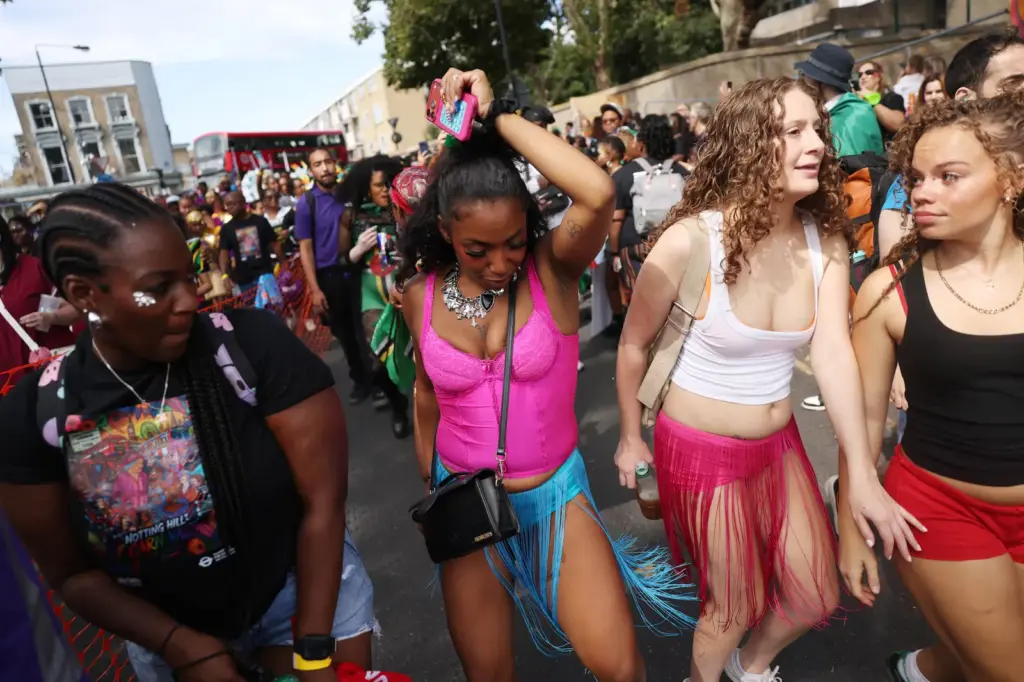
“I’ve been coming all my life and I’ve never had problems, it’s just two days a year, every week there are football matches and large music festivals,” says Krishauna. Music festivals like Glastonbury and weekly football matches usually record arrest rates similar to or higher than the carnival.
“It’s something that came from the community itself. If you move it somewhere else, it loses its essence, it becomes a conventional festival,” says Ilia Rogatchevski, with his partner, Laura, and their 7-year-old daughter, Kitsuné, who has her face painted with a smile and a whistle hanging from her neck. It’s their first carnival. Today is the children’s parade. Ilia is Russian and Laura is English. The last time they were at the carnival was thirteen years ago, when they were still friends. “We wanted to show our daughter the celebration of the cultural diversity of the Afro-Caribbean communities established in the UK. It’s a mix of cuisines, music, and drinks,” he says.
Ilia expresses the need for the carnival to continue being celebrated here. In 1966 there was extreme racism against the Afro-Caribbean community. “Sixty years later — he says —, there is a growing danger that far-right and fascist-leaning parties will come to power. They are already changing the discourse about who can and cannot belong to this country. In a way, there is a risk of going back to the problems of the past, and we cannot allow that to happen.” And the Notting Hill Carnival is a reminder of the importance of tolerance.
Read more A woman and a girl die in a restaurant fire in Cedrillas, Teruel