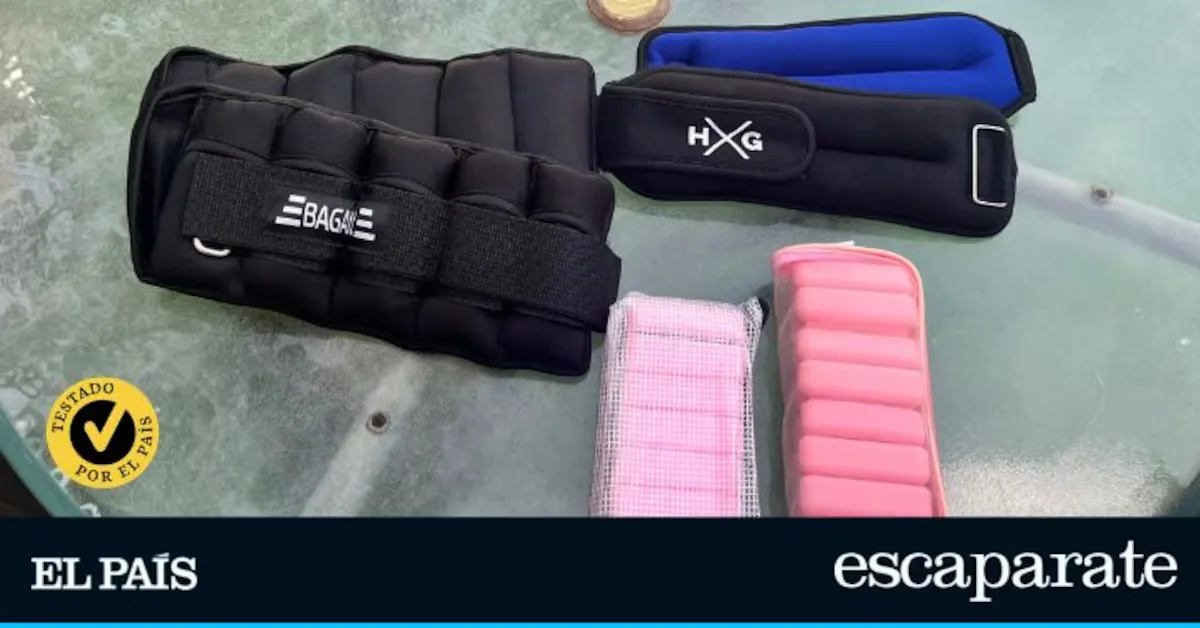
Bala Bangles
Bagail
Cretee
HxG
The best weight bracelet
If you are one of those people who like to practice pilates, yoga or exercises that allow you to work your muscles, weight bracelets will become your best allies. They feature an adjustable design and are characterized by incorporating weights, being able to be used interchangeably on both wrists and ankles. They are an excellent method to increase resistance, tone the lower body (glutes, hamstrings, and quadriceps) and strengthen the core without needing to go to the gym or use more expensive and heavier materials. If you want to start practicing sports, grab your yoga mat or pilates mat and get some of the weight bracelets we have analyzed in this comparison.
How we chose and tested the products
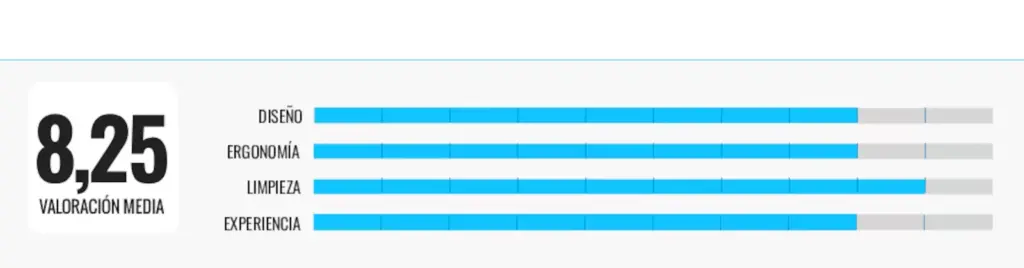
For a couple of weeks I have been testing the products participating in this comparison. How? Using them alternately to practice different exercises. Since I usually do yoga and pilates at home through YouTube tutorials, I included the weight bracelets in my exercise routines to check their performance. Also, when analyzing and evaluating them, I took into account the following aspects:
- Design: how is their build quality, materials, and the velcro they incorporate.
- Ergonomics: whether the comfort of use and the bracelet adjustment is good or not.
- Cleaning: does it clean well and does any accumulated dirt come off easily?
- Experience: whether the weight bracelet fulfills its purpose and effectively helps to exert greater strength and resistance in training by working the muscles.
Why can you trust me?
I am a journalist specialized in technology and, in recent years, I have focused on product analysis and making comparisons, testing devices and items of all kinds for home and personal care. In each of them, I analyze the products in real conditions, reviewing their features, advantages, and possible limitations to offer clear and useful recommendations. My goal is simple: to help the reader choose wisely among the different market options, always based on verified information, practical experience, and an independent perspective.
Comfortable and practical: Bala Bangles
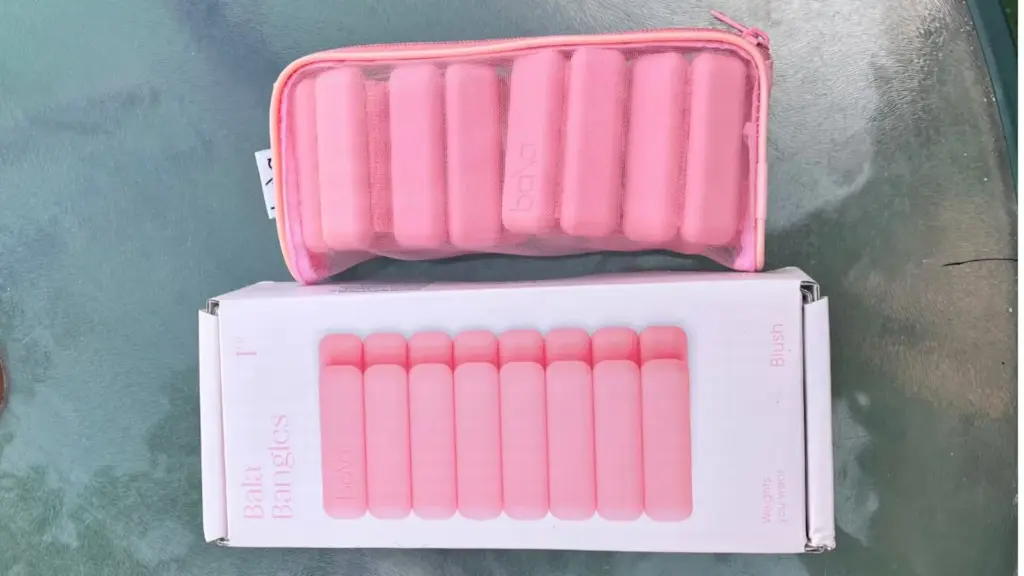
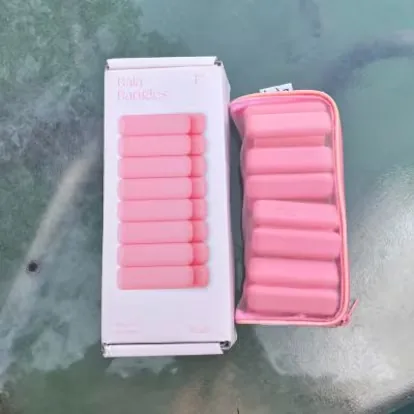
Who it is for: they are the originals that popularized this format and are designed for people who want a comfortable model, with a correct weight and quality.
Why we chose it: for several weeks I have used them both on wrists and ankles to add extra intensity to pilates workouts, also to accompany some walks and while doing mobility exercises and various functional movements at home.
In terms of construction, they convey a premium product feel. They are made of small steel bars covered with soft silicone joined by an elastic strap with velcro closure, which makes the weight evenly distributed around the wrist or ankle. In my case, the fit was firm from the first moment and they barely moved, even during dynamic exercises, something that does not always happen with other weights of this type. Also, the silicone finish feels pleasant on the skin and avoids that stiffness sensation that traditional models usually have.
The biggest difference I noticed compared to other models was in low-intensity workouts with many repetitions. In pilates, for example, simple exercises like lateral leg raises, arm circles, or planks with movement become much more demanding without needing to increase the load too much.
Its weak points: they are expensive.
With removable sandbag: BAGAIL adjustable ankle weights
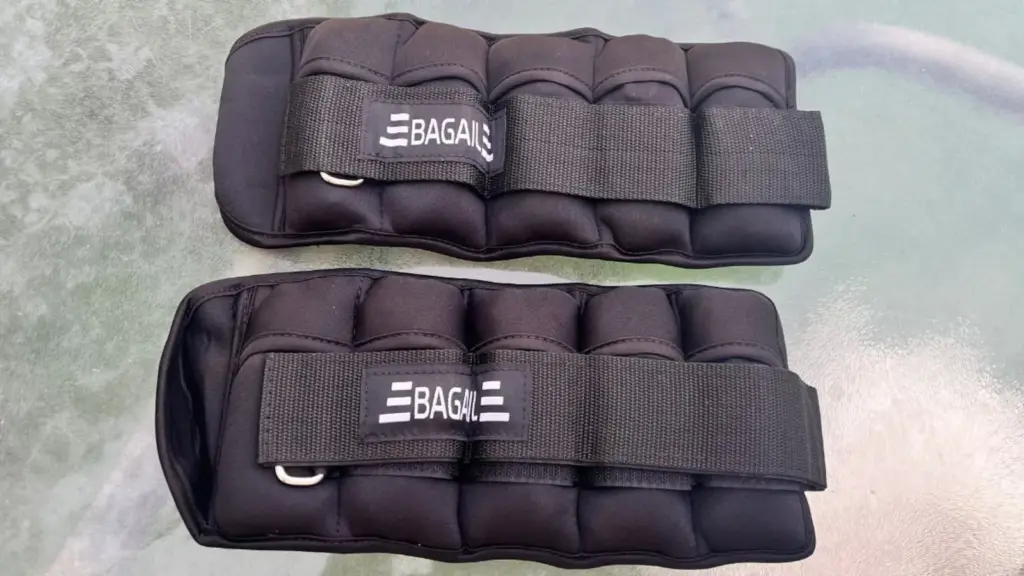
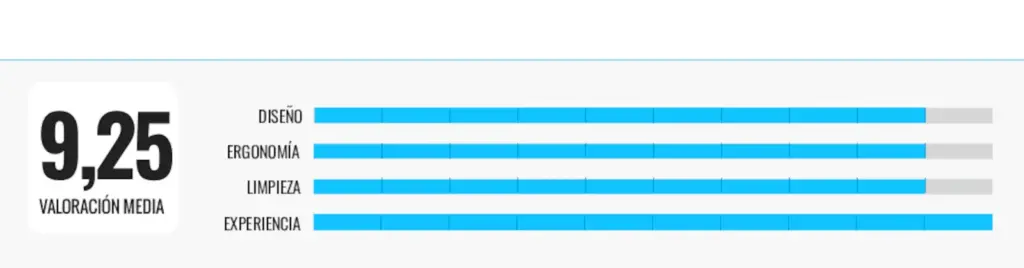
Who it is for: those looking for weights that adjust easily and do not have a silicone design.
Why we chose it: since they are a model with adjustable weight, they allow adapting the training intensity without needing to buy several pairs of weights. In my case, I first tried them with a light configuration for arm exercises and added load for leg workouts. Their strong point is precisely that versatility. Each bracelet includes removable pouches filled with iron sand, so the weight can vary between 0.45 and 1.6 kg per unit (depending on the chosen configuration). This makes them much more adaptable weights than fixed-weight models and allows gradual progression.
Regarding comfort, the experience is quite good as they are made with a multilayer fabric of Lycra and SBR (synthetic rubber), a padded material that absorbs sweat well. Also, the closure combines a wide velcro strap with a metal ring, providing a sense of security even during dynamic exercises. During walks, they barely shifted and, in movements like leg raises or glute kicks, they remained quite stable.
Its weak points: they are thicker and less aesthetic.
Ergonomic and small size: Cretee
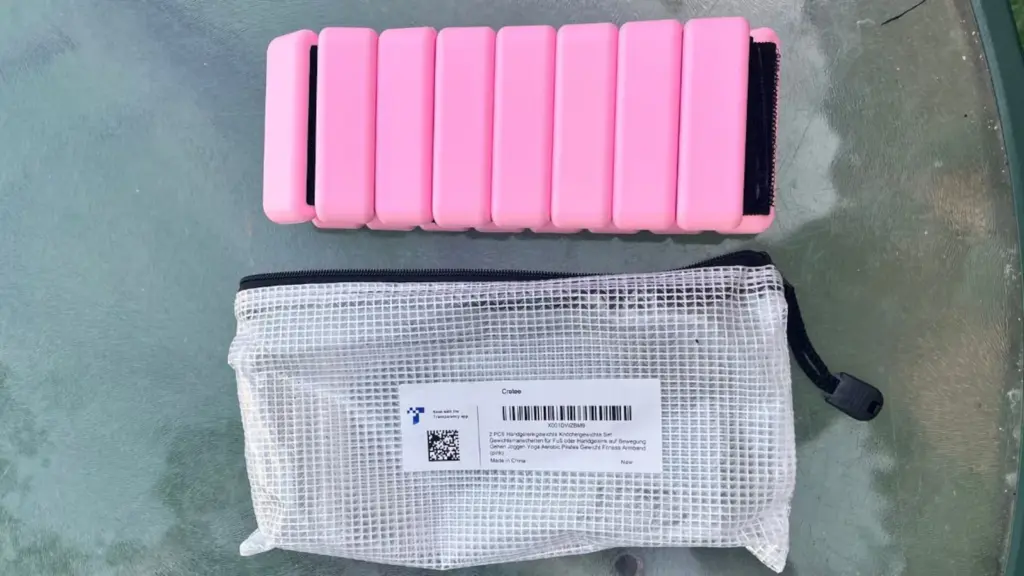
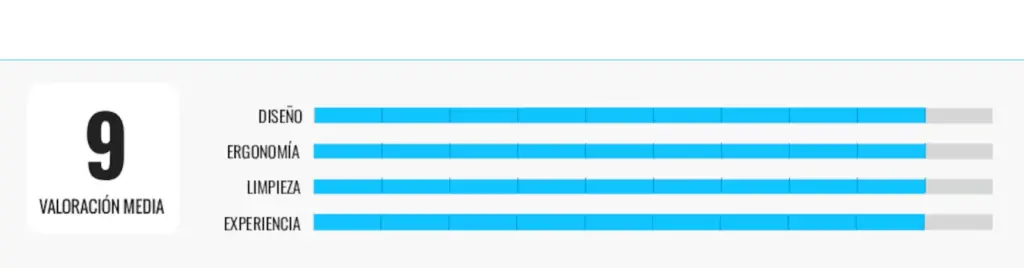
Who it is for: those who want a cheap and ergonomic model.
Why we chose it: they are the ‘low cost’ model of the Bala Bangles, as they have a similar design but with lower material quality. Like the winners of this comparison, they are made with small steel bars covered with soft silicone joined by an elastic strap with velcro closure. Once placed, they remain quite stable and barely move during moderate intensity exercises. Another aspect I liked is their simplicity and that they have a quite affordable price, so they can be useful for those looking for a model like Bala but do not want to invest much money.
Its weak points: their quality is more limited.
Made of neoprene: JOWY HXG ankle weights
Who it is for: those who want a weight bracelet that fits well and is not made of silicone.
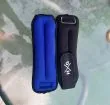
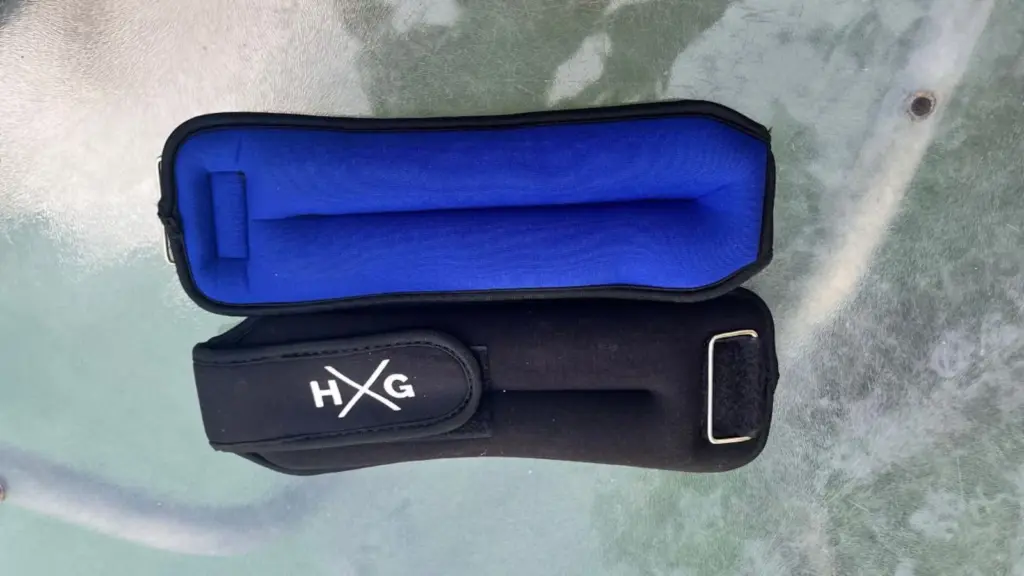
Why we chose them: they have a design similar to the BAGAIL model but with a smaller size. They have a padded structure designed to improve comfort during prolonged use. The outer coating is neoprene and feels soft on the skin, and the adjustable strap with velcro closure allows adapting them to both wrists and ankles. During my workouts, they stayed quite well secured, even in repetitive movements, although in very dynamic exercises I had to reposition them sometimes to keep them well adjusted.
Its weak points: sometimes they get displaced.
Another interesting weight bracelet model:
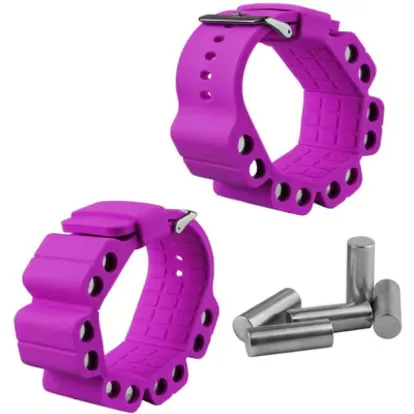
If you are looking for a model to quickly add and remove weight
Frequently asked questions about weight bracelets:
What are weight bracelets for?
They serve to add resistance to exercises and increase training intensity. They help work the muscles more during activities like pilates, yoga, fitness, walking, toning exercises, or rehabilitation.
Is it better to use them on wrists or ankles?
It depends on the exercise. On wrists, they are useful to increase work on arms, shoulders, and back in movements like raises or mobility exercises. On ankles, they allow intensifying leg and glute exercises, such as kicks, lateral raises, or extensions.
What weight should I choose?
For beginners or workouts like yoga and pilates, light loads (between 0.5 and 1 kg per bracelet) are usually recommended. For more experienced users, models of 1.5 or 2 kg can be interesting, although maintaining good technique should always be prioritized.
Are they useful for losing weight or burning more calories?
They can slightly increase energy expenditure by making muscles work more, but they are not a method to lose weight by themselves. They work as a complement within an exercise routine and balanced diet.
Can they be used for walking?
Yes, they are one of the most common uses. Wearing them during walks can slightly increase exercise intensity, although moderate weights are recommended to avoid overloading joints.
Can they be used for running?
It is not the most recommended, especially with heavy weights. The extra weight on ankles or wrists can modify running technique and increase stress on joints like knees, hips, or shoulders.
What is the difference between fixed weight and adjustable weight bracelets?
Fixed weight ones always have the same load, so they are simpler to use. Adjustable ones allow adding or removing weight blocks, offering more progression possibilities and adapting to different exercises.
Are they better than dumbbells?
They do not replace dumbbells for strength training, as they usually have more limited loads. However, they offer more freedom of movement because they leave hands free and are more comfortable for dynamic exercises.
What materials are they usually made of?
Most are made with a neoprene exterior or padded fabrics resistant to sweat and an inner filling of iron sand, steel, or other heavy materials. Premium models may use metal bars covered with silicone.
*All purchase prices included in this article are updated to September 2, 2026.
You can follow EL PAÍS ESCAPARATE on Instagram, or subscribe here to our Newsletter.