

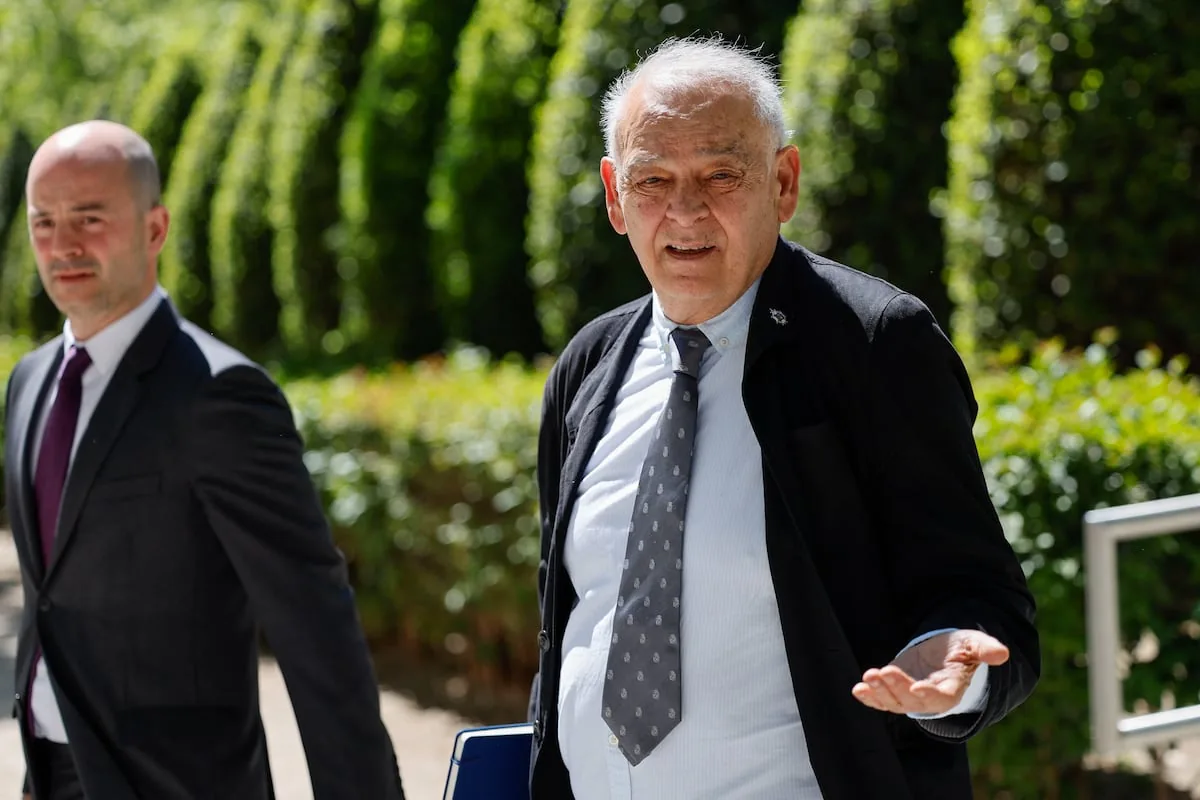
It was June 2021 when, sitting with a huge filing cabinet full of papers on his lap, Chief Inspector Manuel Morocho recounted to magistrate Manuel García-Castellón the endless dirty tricks played on him within the National Police itself to prevent his investigations into the Gürtel case from coming to fruition. The meticulous and exhaustive lead investigator of the corruption plot that nested in the heart of the PP, for hours offered the judge details of how several of his superiors aligned with political pressures from the conservatives to slow down his inquiries, remove key names from his reports (such as Mariano Rajoy), remove him from his unit, and even try to buy him off with a better assignment. “Frankly speaking, they were looking for a situation that would be personally and professionally unsustainable for me so that I would abandon the investigation and leave them a clear field to manage it as they intended,” Morocho concluded.
Read more News without sources, the weed in the Newsroom
“You leave me with a bleak picture,” García-Castellón, who was then leading the investigations into Operation Kitchen, acknowledged that day.
“This honesty costs me a lot to maintain, as you can imagine,” the inspector replied forcefully.
Kitchen was not just an espionage operation concocted in 2013 within the Ministry of Interior against former popular treasurer Luis Bárcenas. But also, as the accusations emphasize in the trial that began this April in the Audiencia Nacional, an operation against other police officers. The instigators of the plot wanted to stop the Gürtel investigations by any means, and for this, according to the State Attorney’s Office, in addition to trying to steal the “compromising” information that the former PP accountant might still have about high-ranking party officials so that it would never come to light, they conspired to “intimidate the head of the investigative team.” That is, Morocho, whom the court expects to hear as a witness this coming Monday.
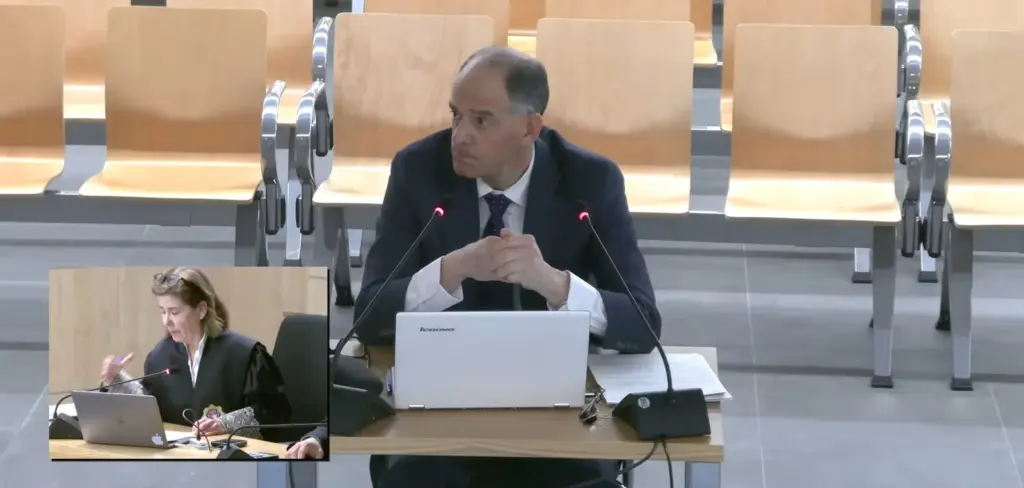
The chief inspector’s testimony will serve to further expose the inner workings of the institution and to further dissect the machinations within the Corps, where a group of high-ranking officials decided that crossing red lines didn’t matter. Jorge Fernández Díaz, Rajoy’s Minister of Interior from 2011 to 2016, and his Secretary of State for Security, Francisco Martínez, head the list of defendants sitting in the dock. But alongside them are five police commissioners (among them, Eugenio Pino, the institution’s top operational chief at the time; the shadowy José Manuel Villarejo; and José Luis Olivera, to whom the execution of the pressures on Morocho is attributed); two chief inspectors; and an eighth agent, Sergio Ríos, Bárcenas’s driver who collaborated with the plot as an informant and who in 2015, when Kitchen ended, passed the tests to serve with a badge and gun — an examination that the accusations suspect was rigged —.
This week, with the interrogations of the first witnesses, the magistrates have already been able to get an idea of the irregularities. About twenty agents have paraded before their eyes. The second stood out above the rest. It was Gonzalo Fraga, chief inspector of Internal Affairs and lead investigator of Kitchen, who unequivocally implicated the top echelons of Interior and Rajoy’s Police. That his professional ID number (111.470) appears at the end of an official document constitutes a real nightmare for the accused, just as Morocho’s (81.067) was for the PP and those involved in Gürtel. In fact, both are quite similar. As they demonstrate every time they appear before a court to offer the results of their investigations, they are detailed, meticulous, precise, scrupulous… They boast a prodigious memory for navigating the thousands of data and evidence that plague their reports, which underpin the Anti-Corruption theses.
Read more Applied Ethics for AI Natives
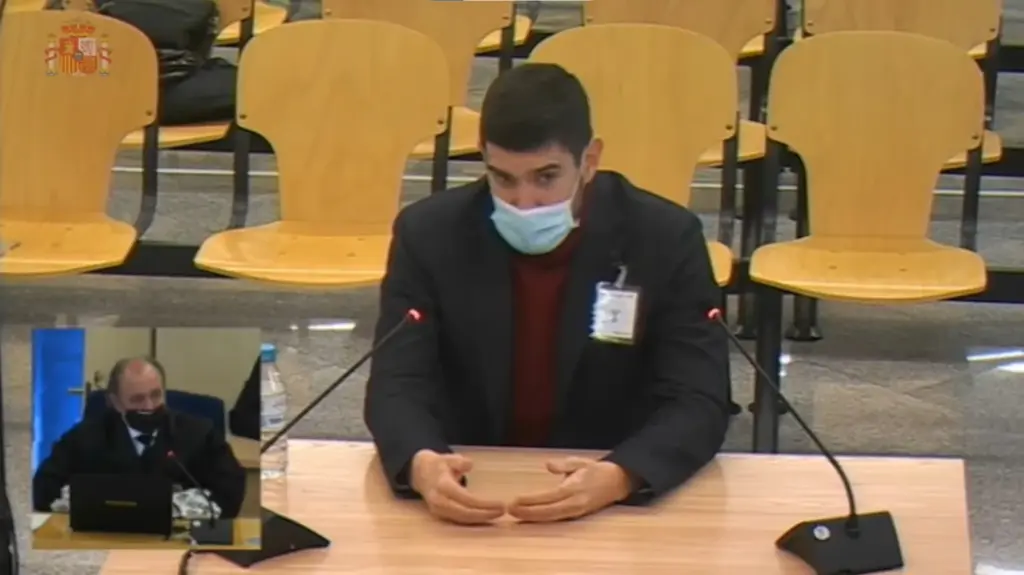
This rigor drives their enemies crazy. Last Monday, when Gonzalo Fraga had already accumulated nearly two hours of testimony, destroying the defenses with evidence and clues, an accused muttered against him during a recess: “Son of a bitch.” “They must have promised him something,” Villarejo also pointed out. Morocho was also targeted for destruction, with the PP at the forefront, which even asked the Audiencia Nacional to reprimand him. “You simply take contracts, take donors, put them on an Excel sheet and draw conclusions. You have no legal training,” then-popular deputy Eloy Suárez Lamata attacked the police officer in 2021, during the investigation commission opened in Congress on the Kitchen case. Today, five years later, the courts have confirmed the investigations of the lead investigator of the Gürtel case, which has resulted in almost a hundred people sentenced to prison (dozens of them linked to the PP). Suarez Lamata is now a senator and chairs the commission opened in the Upper House on the Koldo case.
Wars and complicities
The parade of police officers before the Kitchen case tribunal, to testify as witnesses in this second week of trial, has also already served to confirm the excesses under Pino’s command, as well as the complicities and brutal clashes within the institution. The so-called “war of commissioners” between Villarejo and Marcelino Martín Blas, who also sits in the dock, was an open secret. “I was aware of that confrontation,” admitted Ignacio Cosidó, the Corps’ director general in those years, on Wednesday.
Furthermore, up to nine different agents have delved before the magistrates into how they participated in the summer of 2013, by order of their superiors, in two parallel espionage operations against Rosalía Iglesias, Bárcenas’s wife, of which the Gürtel investigators were never informed. And two other officials have reported that an informant handed over several electronic devices to be cloned and all information extracted — the Prosecutor’s Office emphasizes that these were two phones and a tablet belonging to the former PP finance chief. This informant, whom both agents later identified as the former treasurer’s driver, was a collaborator of Enrique García Castaño, alias El Gordo, who was the head of the Central Operational Support Unit (UCAO). This commissioner was the one who launched the deployment of dozens of agents in Kitchen to spy on Bárcenas and his entourage for months; and, he even confessed that he entered the wife’s studio to steal sensitive documentation.
Commissioner Enrique Barón was at that time in command of the General Information Commissariat, which oversaw the UCAO, García Castaño, and that multitude of agents who participated in the surveillance of Bárcenas. With a serious demeanor, the high-ranking official told the court on Wednesday that he knew nothing about Kitchen and that El Gordo bypassed him with Pino. In turn, he took the opportunity to try to downplay the deployment: he said that the almost 70 agents who participated in the surveillance did not neglect other operations. And he stopped the attempts of some lawyers to bring up the confrontations within the force: “I consider that the General Directorate of the Police is not a school playground,” he concluded, before heading towards the area where witnesses exit. There, one of the accused, Chief Inspector José Ángel Fuentes Gago, stood up to open the door for him. Barón then left the room and, out of sight of the court, turned to Fuentes Gago to whisper that he thought his testimony had gone “well”; while giving the defendant a thumbs-up in a gesture of approval.
Morocho has an anecdote to summarize all the years of pressure and attacks in that mini-world that is the Police. One day, when Pino directly placed him under his tutelage in the Deputy Operational Directorate (DAO) in 2015, he introduced him to Commissioner Enrique García Castaño. Upon seeing him and hearing his name, El Gordo exclaimed, surprised and jokingly: “And what are you doing here, you were supposed to be dead?”