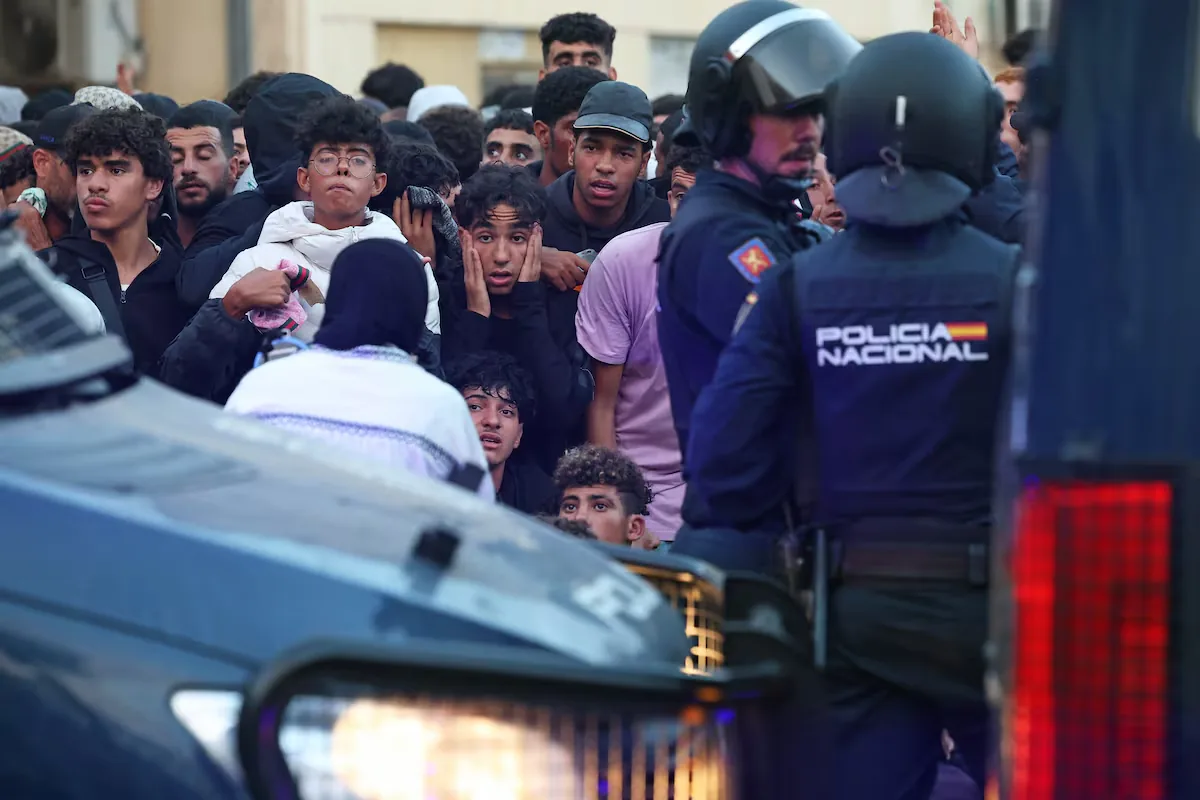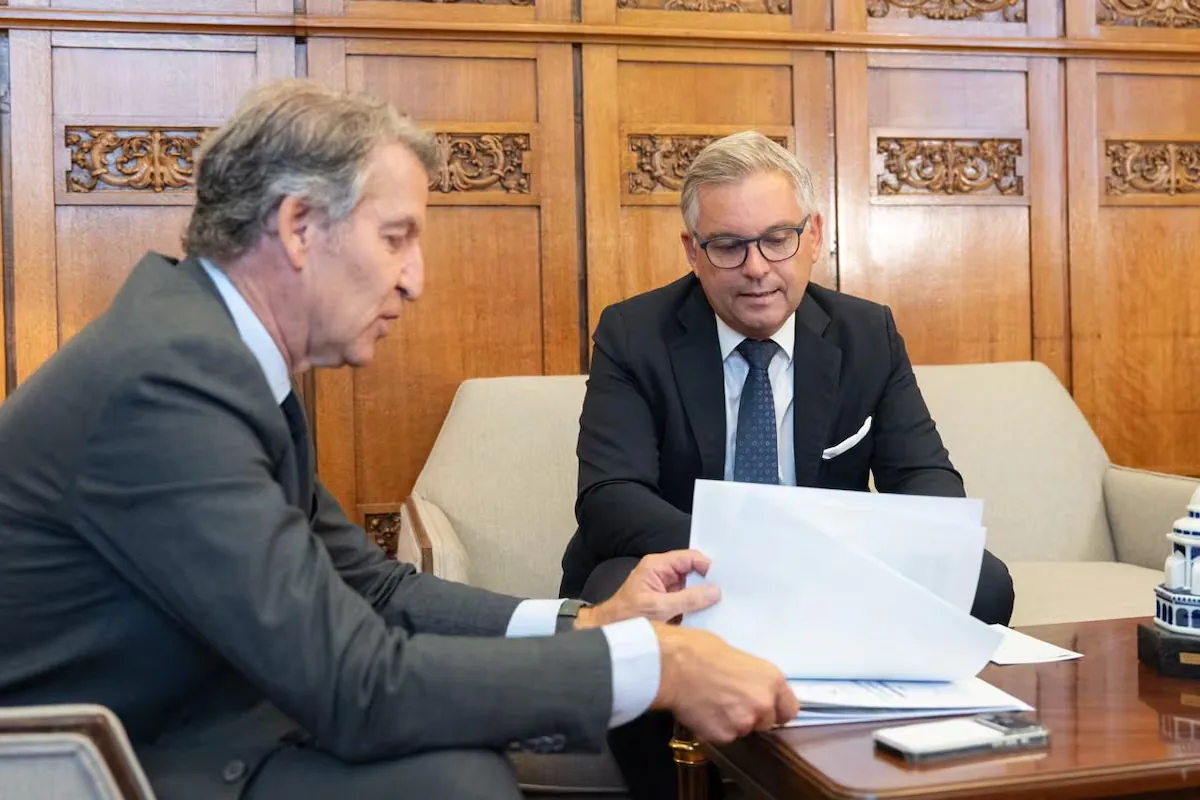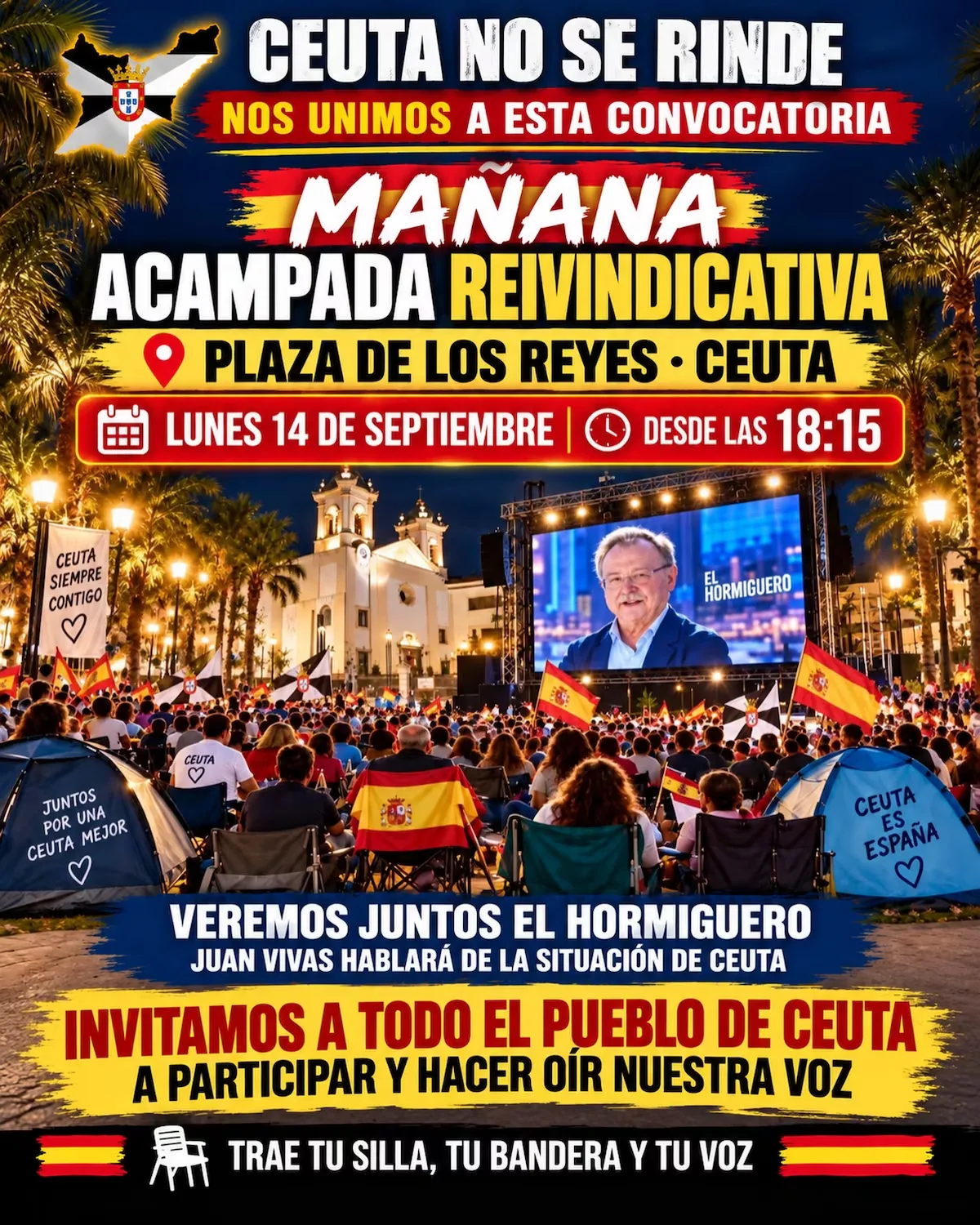
Morocco has shifted the current migration crisis in Ceuta, the biggest bilateral conflict with Spain since the Perejil islet incident in 2002, towards a claim of authority over the North African autonomous cities. From the initial demand for the return of minors in Ceuta’s territory, amid accusations of a change in the rules regarding the hot return of undocumented migrants due to a Supreme Court ruling, Rabat has moved on to unearthing the diplomatic axe of the unilateral sovereignty claim. A protest gathering in front of the Spanish Embassy in the capital symbolized this Wednesday the first anti-Spanish demonstration on Moroccan soil since the beginning of the crisis, more than a month ago.
Read more Donald Trump claims that Venezuela is not yet ready to go to elections
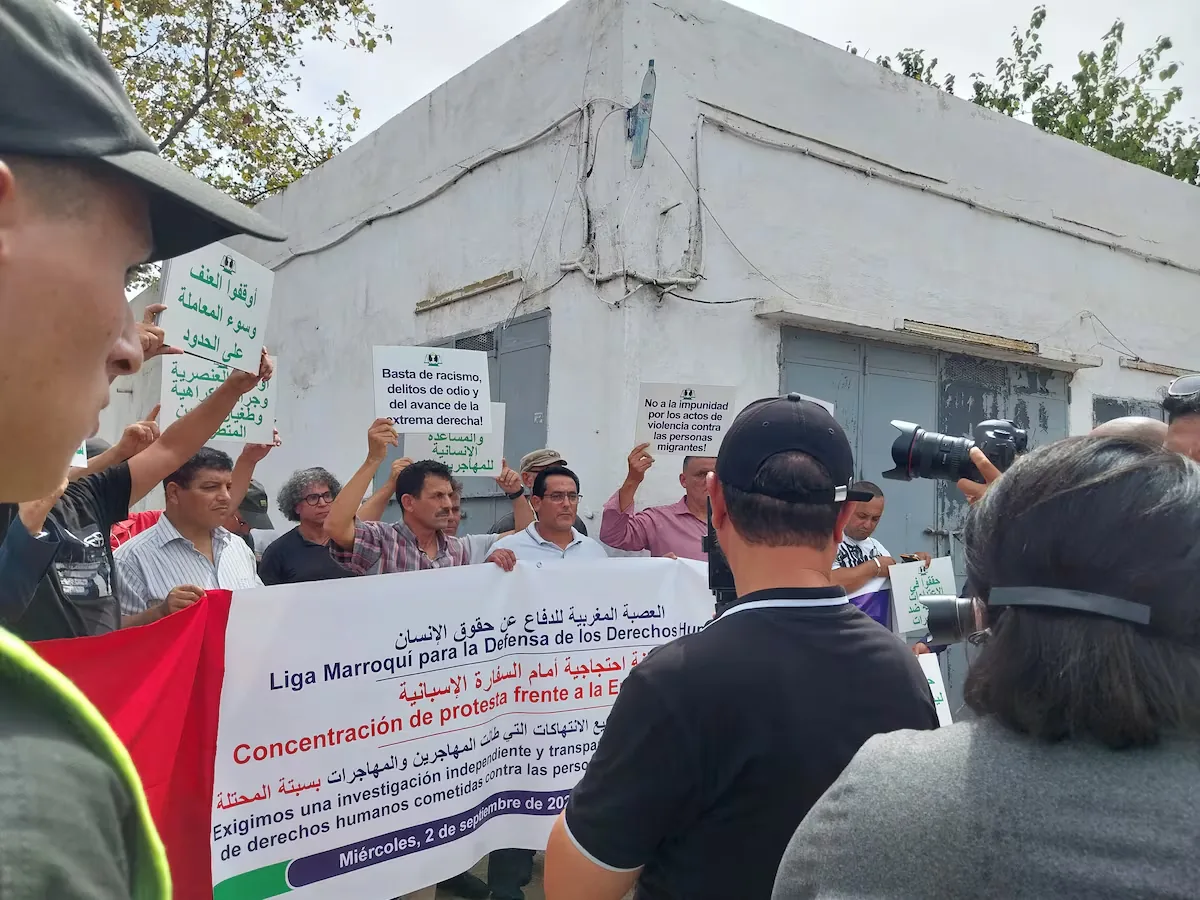
“No to colonization!”. “Ceuta and Melilla belong to Morocco!”, chanted along with nationalist slogans barely a dozen people. They supported the march called by the Moroccan League for the Defense of Human Rights, an organization linked to the Istiqlal Party, conservative and nationalist, member of the governing coalition. The League had just presented a few hours earlier a report on the migration crisis accusing the Spanish authorities of having ignored attacks on Moroccan migrants in Ceuta and having given shelter to extremist groups who perpetrated them and radical politicians who incited them.
The mobilization proceeded peacefully along the street where the diplomatic mission’s headquarters and the residence of the Spanish ambassador in Rabat are located, framed by a deployment of several dozen members of the security forces with vehicles and riot gear. Both sides of the road had been closed to traffic by police checkpoints, while the surveillance by Spanish security services remained within the usual, with only some plainclothes agents discreetly following the small procession closely.
The protest organizers demand the creation of an international investigation commission supervised by the United Nations on the migration surge of July 30 and 31, when more than 70,000 people broke into Ceuta. The president of the Moroccan League for the Defense of Human Rights, Adil Tchikitu, has also requested “the participation of Spanish civil society organizations” in the investigation of this “large-scale humanitarian crisis,” reports the Efe agency.
On the eve of elections
The protest gathering takes place with only three weeks left until the legislative elections in Morocco, marked by a growing claim of sovereignty over the North African Spanish autonomous cities. In an election dominated by citizen apathy, the migration crisis seems to have energized the campaign thanks to the boost of the nationalist drift towards the claim of sovereignty over Ceuta and Melilla, which together with Western Sahara form part of the core identity of the Maghreb country.
Read more The United States Secretary of Energy promotes new oil agreements in Caracas
In its report on the situation of migrants in Ceuta, the League warns of the growing discourse of hate and xenophobia that Moroccans perceive in the autonomous city and the rest of Spanish society. A diagnosis that coincides with warnings issued by diplomatic analysts in Rabat about a possible Moroccan outbreak of response. The same nationalist-affiliated NGO has denounced the “excessive use of force” against migrants, both by Spanish and Moroccan security forces, which includes “beatings, kicks, stoning, and cruel or degrading treatment.”
The claim of sovereignty over Ceuta and Melilla prevailed at the end of the march over the requests for identification and repatriation of the deceased victims (estimated at at least 141 by Moroccan NGOs), as well as the location of dozens of young people reported missing when trying to swim into Spanish territory during the late July surge. Representatives of left-wing NGOs who showed solidarity with the League against mistreatment of migrants, such as the Moroccan Association for Human Rights and ATTAC Morocco, highlighted that the claims over the two Spanish cities were not included in the protest call in front of the Spanish embassy.
As analyst Ali Anouzla, editor of the progressive online media platform Lakome, summarizes, “the issue of recovering Ceuta and Melilla has returned to the heart of Moroccan political and media debate (…) before a public opinion that rejects them being under Spanish sovereignty.” The debate has already reached the prominence of ministers such as the Minister of Justice and Islamic Affairs, closely linked to the royal palace, but has not yet been explicitly manifested in the Ministry of Foreign Affairs, which handles sovereignty issues, under the direction of King Mohammed VI by constitutional prerogative. “One hypothesis is that it is rhetoric mainly aimed at the Moroccan public to create a climate of national mobilization and revive patriotic sentiment,” concludes Anouzla, “after the images of a massive exodus that have struck the public’s sensitivity and tarnished the country’s image abroad.”