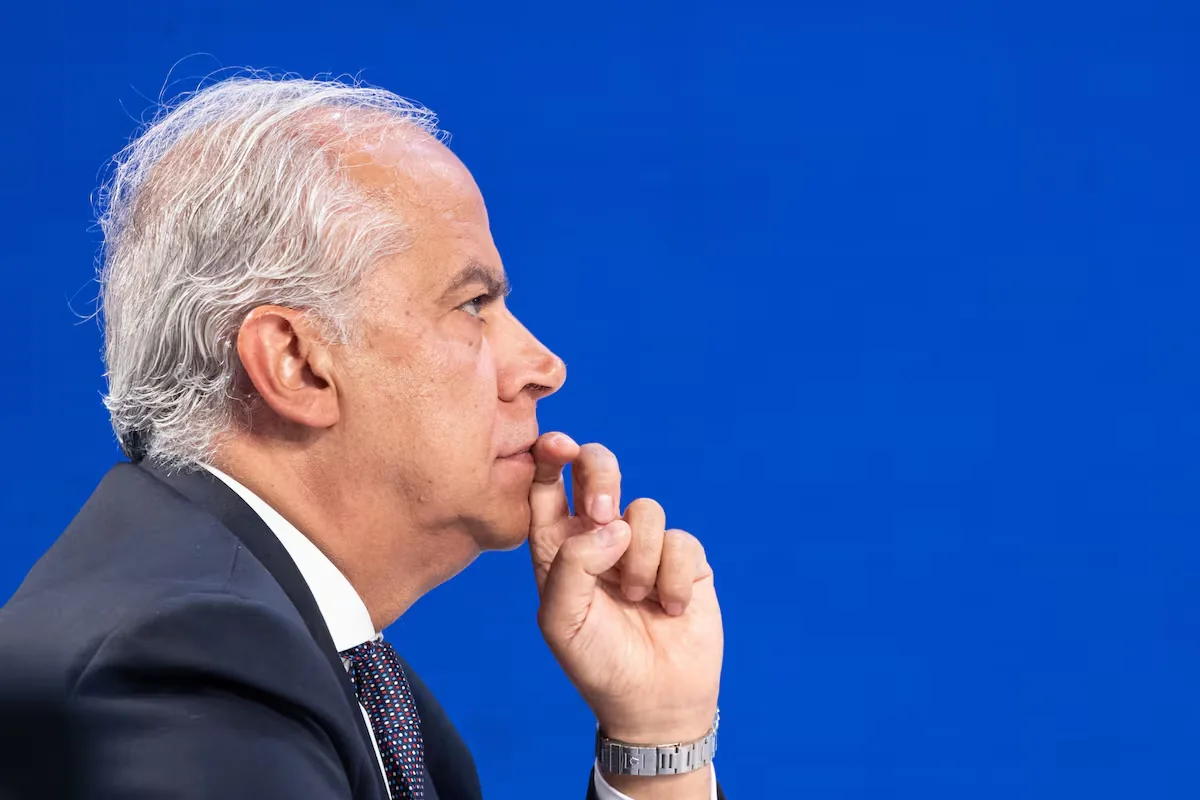

There is an ongoing global debate about democracy, and it is also happening in Spain, with a focus on Latin America. It is not an academic dispute, but a conflict over which voices exist politically, who recognizes them, and by what criteria. While Lula was landing in Barcelona to meet with a dozen progressive leaders, Ayuso snapped at Vox in the Madrid Assembly: “The region is in fashion.” She presented her political project as a category of consumption and lifestyle: Madrid as an aspirational brand, a space that replaces citizens with consumers. In Madrid, “all accents fit,” she pointed out to Vox. But hers is not generosity, but pure brand management. Vox spoils the product with its crudeness while she pretends to take care of it. The immigrant who fits in is the one who doesn’t clash in the shop window, and their accent is literally the sound mark of origin. It sounds inclusive, but it is selective recognition disguised as openness. Ayuso is not anti-Latin American; she is selectively Latin American. She chooses which Latin America she recognizes: that of the Venezuelan businessmen from Barrio de Salamanca, that of those who call Sheinbaum a dictator. Unlike Feijóo, Ayuso does not wait to govern Spain to have foreign policy. And she does not build it through conventional channels but from the same circuit where Meloni and Milei forged their projection: an international that does not need institutions because it thinks they are the enemy.
Read more The paradox of Madrid’s public bike: many bicycles, few lanes to cycle safely
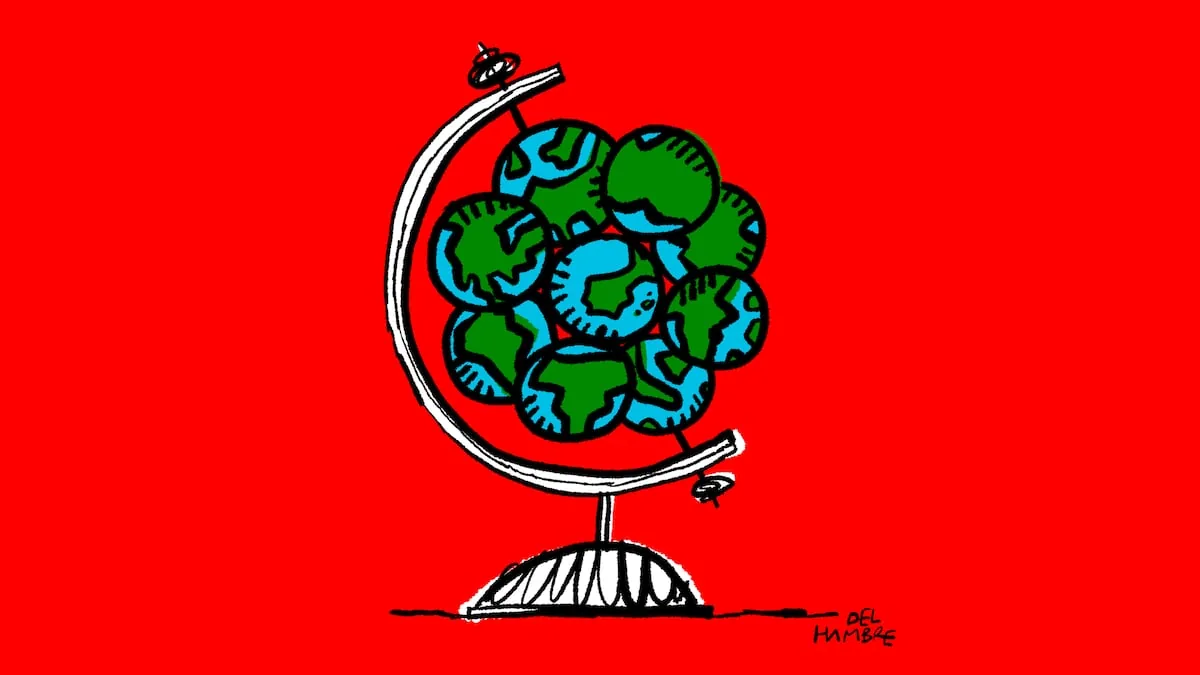
Meanwhile, in Barcelona, a dozen progressive governments are discussing whether democracy will survive Trumpism. And here Sánchez’s keen sense appears on the scene, doing something no European leader is doing today: showing his own geopolitical position. The summit with Lula, the visit to China, the recognition of Palestine, and the hosting of the progressive international is not an improvised line. Sánchez aspires to occupy a space that Macron has lost and that Scholz never had: that of a European interlocutor with the Global South. The liberal order has a void at its center: the US is no longer its guarantor, Europe has no doctrine of its own, and the Global South, which never quite believed in that order because it experienced it as extraction, seeks interlocutors who do not speak to it from hegemony or condescension. It is not the Global South of dependence but of recomposition, and Spain seeks to become a nexus, perhaps because we are Europe without being the Global North, a country on the threshold between two worlds that can speak to both.
Read more Peridis: the disciple Peter
But there is a question to ask before invoking the Global South. Has it really chosen Spain as a node, or is it a narrative that European progressivism needs to build to give itself a place on the map after the evaporation of the Macronian agenda and the non-existence of German doctrine? The question matters because its answer depends on whether we are facing a real reconfiguration of the international order or a projection with better lighting. And another more difficult question remains: what does the Barcelona summit actually produce? Does it build an institution, a durable framework of plurality, a common space that survives its conveners and the media cycle? Preferring one project over the other does not exempt us from examining it. The most serious criticism of Sánchez’s foreign policy is not that it is misguided, but that it could be building a media counter-figure when what is needed is to build a world. As the two projects face each other this week in Spain, the question remains open, but there is a difference that analysis cannot erase: one project needs all accents for its shop window, the other needs them to exist. And whether the second lives up to what it says is precisely what is at stake these days.
Read more The first cycle of childhood