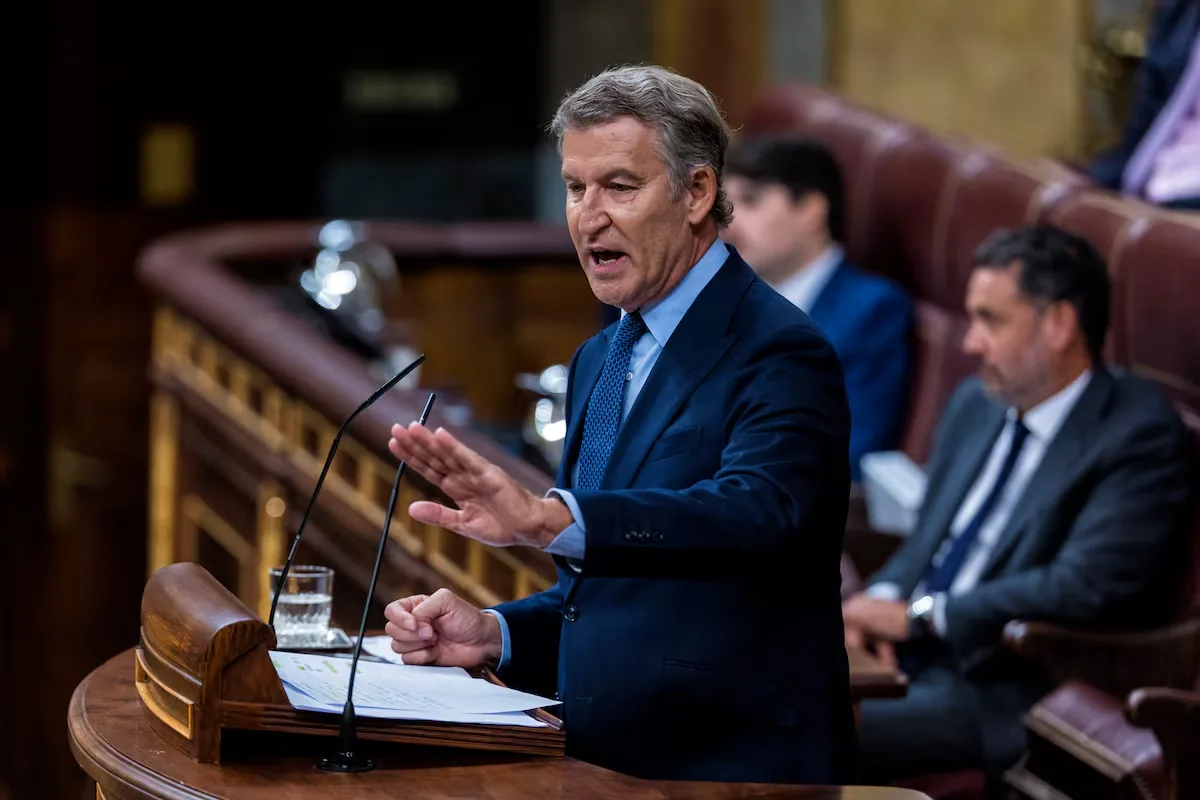
Alberto Núñez Feijóo presented this Thursday before the Congress his own theory on why Pedro Sánchez claims that his Government does not have solid evidence that Morocco is behind the massive jump to Ceuta. The leader of the PP maintains that the president of the Government is “under blackmail” from the Alaouite kingdom because it has some kind of compromising information about the socialist leader following the Pegasus espionage on his mobile phone. Feijóo defended this from the podium, launching a thesis for which there is no evidence in order to try to increase Sánchez’s political wear. “What document, conversation or clue was on your phone for you to behave this way? Why are you afraid of Morocco? What does Morocco know about you? What does Morocco know about you?” Feijóo challenged Sánchez. The leader of the PP raised the tone one degree more against the socialist president and warned him that the Ceuta crisis not only brings political responsibilities but also judicial ones. “Mr. Sánchez, look at me,” Feijóo challenged him. “You will pay before Justice and at the polls.”
The leader of the PP arrived at this Thursday’s debate strengthened by the report known yesterday that the National Police delivered to the judge and which points out that Moroccan agents directed the massive entry of people into Ceuta with a different objective than migration. That report has given the Popular Party the perfect ammunition to insist on the message it had already launched before it was known: that the Executive did know what was going to happen on July 30 and that it has tried to hide that Rabat was behind the incident. This Thursday, Feijóo emphasized this argument from the podium: “The conclusion was obvious from the beginning, but also in recent hours it has emerged that it was also written in the reports prior to the attack, and reiterated in a Police report requested by the judge of the National Court,” he said. “Conclusion. Yes, yes, it must be said here: the operation came from Morocco, it was consented by Morocco and there are indications that Morocco coordinated it and the Government knew because it was warned about it.”
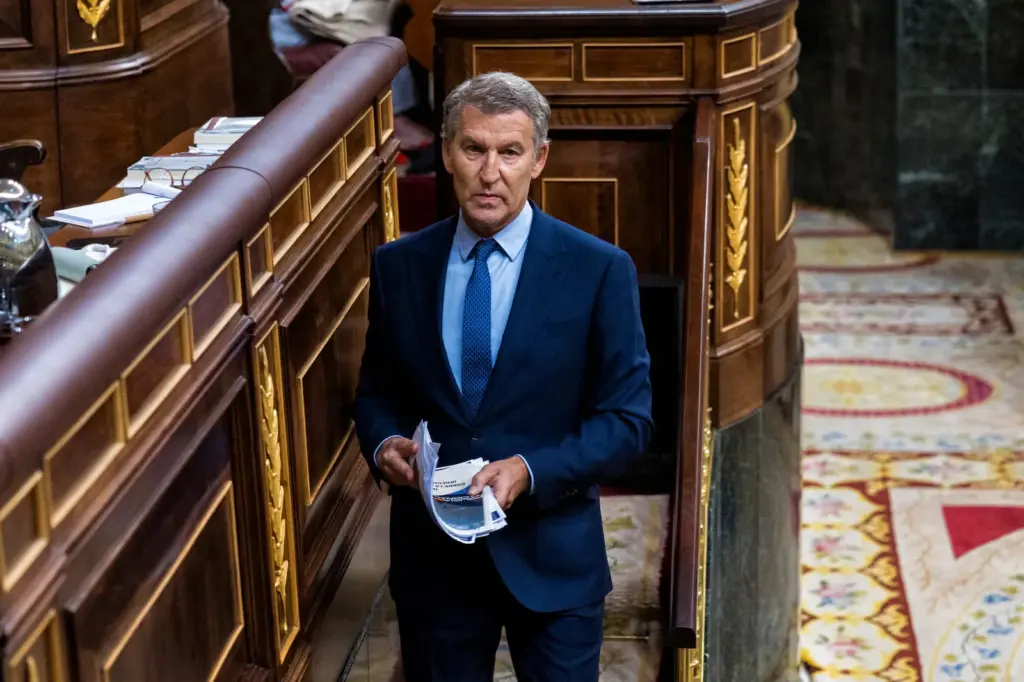
By shooting at Sánchez, Feijóo also shoots at Morocco, which he reaffirms to accuse directly of having “coordinated,” according to the “indications,” available the massive jump to Ceuta. The PP had so far measured its steps with the neighboring country, but after the report from the National Immigration and Borders Center of the National Police delivered to the National Court, it has launched into the attack. However, the popular leader has defended that he intends “a stable and constructive bilateral relationship” with Rabat, but maintains that this “is not protected by hiding the facts, nor ignoring the firm and proportional response that a sovereign Nation must give in the face of suspicions of this gravity.” “A possible act of hybrid war is on the table and before it a free president must give explanations and make decisions,” he emphasized.
Read more Elliot Page laments not having received any job offers after participating in ‘La Odisea’
Feijóo also warned Sánchez that the PP will pursue him not only with political responsibilities for the Ceuta crisis but also with judicial responsibilities. “Yes, the judicial responsibility will be resolved during the case that is already open in the National Court, and in which my party has already appeared and will probably escalate to the Supreme Court,” he warned him. The Populars are taking the last phase of the legislature exploiting the judicial wear of the Executive, and the leader of the PP has made it clear that he will maintain that strategy.
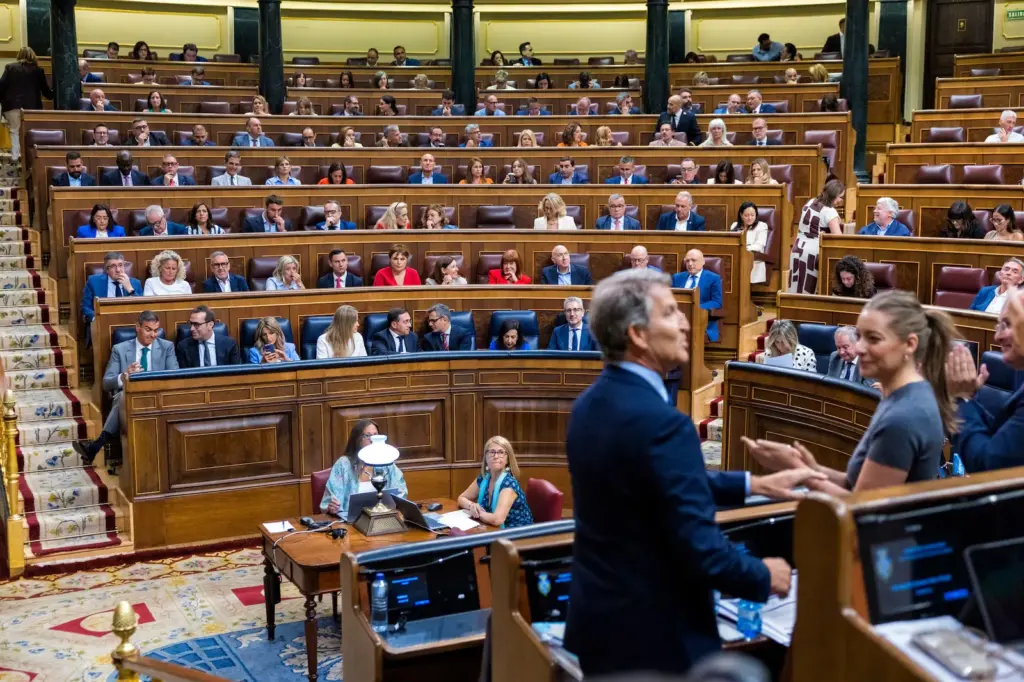
The leader of the opposition has also tried to project an alternative as a presidential candidate. “What would I have done?” he replied to Sánchez in the reply. “Not go on vacation. Dismiss the Minister of the Interior for incompetence and lying. Not ridicule the Civil Guard, the National Police and the CNI. Accompany the King to Ceuta. And summon the ambassador when he is in Spain, not when he is abroad.”
Read more Chess analysis | Marta García, three-time Spanish women’s champion at 26 years old