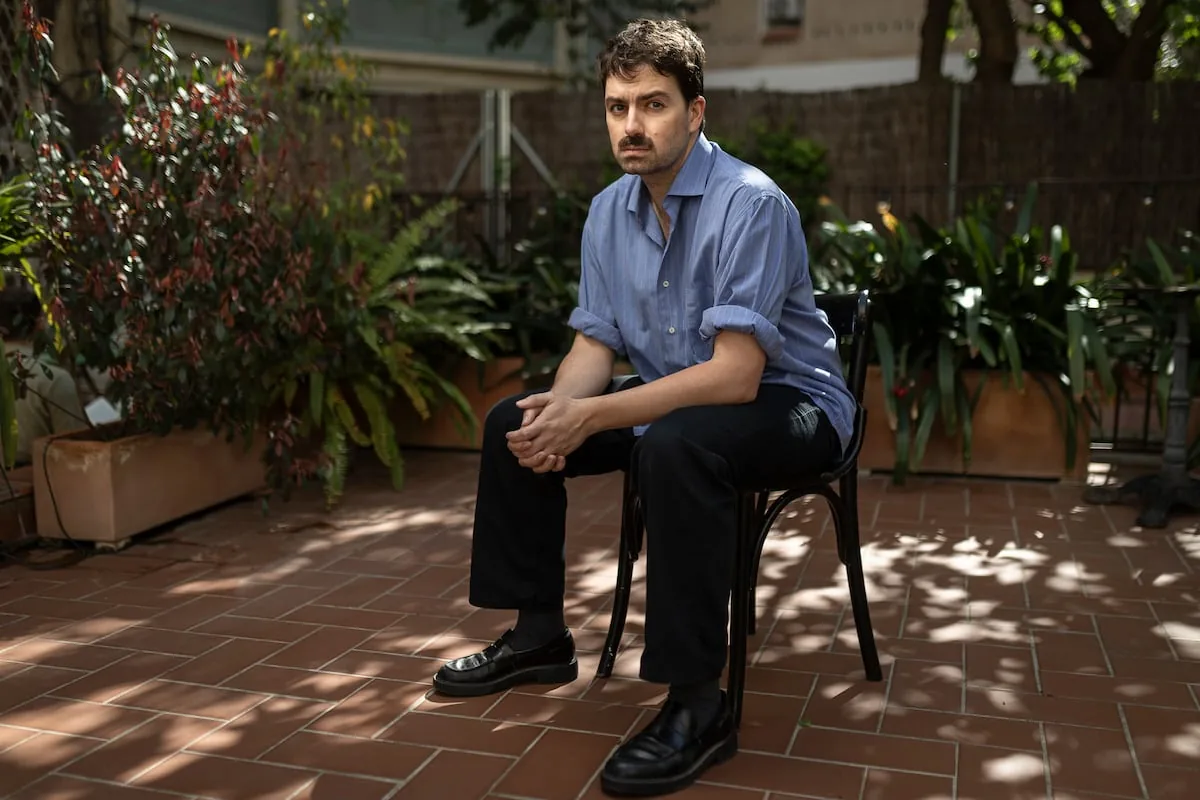
Fifteen years ago, Edu Galán (Oviedo, 46 years old) ran into Belén Esteban in an elevator. The writer, screenwriter, and comedian was not yet well-known. She, on the other hand, was already “the people’s princess.” Esteban assumed she knew her from TV, so she started talking to her with astonishing familiarity. During the five-floor ride, she asked about her family and work. And he, who knew all about Jesulín’s ex from the gossip shows, did the same. “If you run into Belén in an elevator, there’s no chance to talk about the weather. You have to ask her about her life. That’s fame, that’s being famous,” says Galán.
Read more An uphill week for Ayuso due to the penthouse crisis awaiting a power move
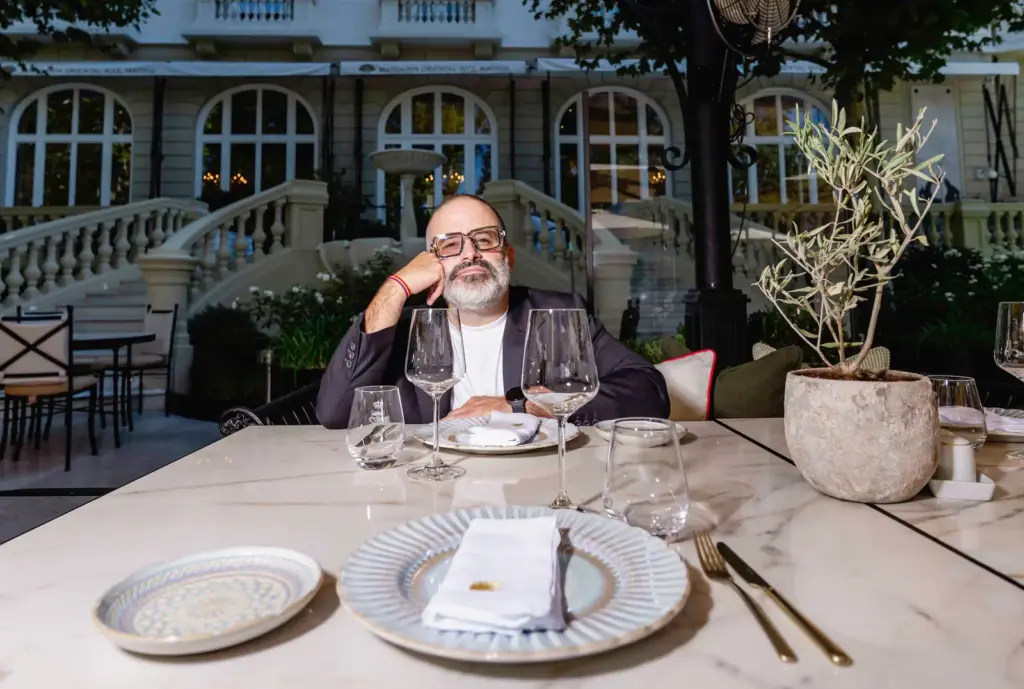
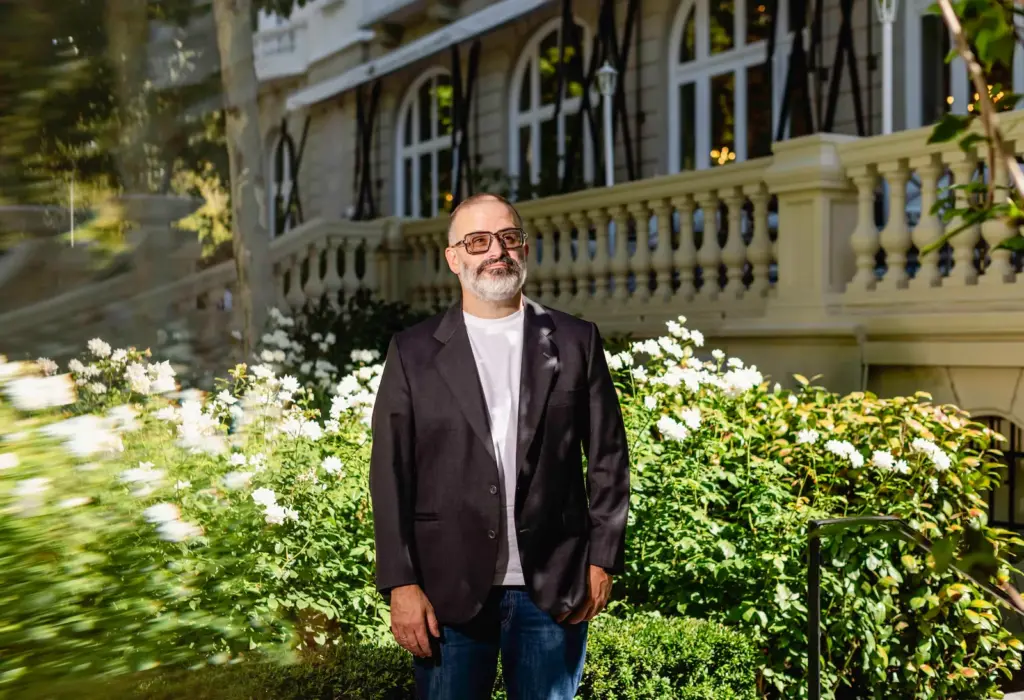
More or less at the same time, the writer launched the satirical magazine Mongolia. Then, he also began to become famous. After a decade and a half of popularity, he publishes More Famous Than Jesus Christ (Debate), an essay on fame from Ancient Greece to Survivors. “I wrote it to help my famous friends not to suffer so much and to help myself sell my image without believing that image is entirely me,” he says during a conversation in the Palm Court of the Ritz hotel, an elegant amusement park for all those who want to see and be seen.
Question. You are famous, but your wife is more [he is married and has a daughter with presenter Marta Flich]. How do you handle that?
Answer. Fame came to me late, and that gives you psychological tools to cope. Marta had a similar experience. Those of us who become famous later handle it better.
Q. Have Marta and you been offered money for a photo shoot or exclusive story?
A. No. A shame because we might have considered it [laughs]. The concept of exclusives is dying, and it makes me sad. I liked the exclusives in ¡Hola! and I have a lot of affection for glamour. Before, magazine editors were intermediaries between celebrities and the public. Now, editors have been replaced by social networks and algorithms. Magazine directors had some eye, taste, and judgment, but the algorithm has none. The tech billionaires deserve a Nuremberg trial for killing glamour.
Q. Glamour is no longer in fashion. Now authenticity is what’s in.
A. That authenticity you talk about is completely artificial. There is nothing less authentic than the grotesque spectacle we see on social media. Influencers are pure artifice because what we want to know about them, they won’t tell you. The Pombos can’t have glamour because they are posh girls from Santander. Believing the Pombos are glamorous is like believing McDonald’s is haute cuisine. The pinnacle of all this artifice is one of the most-watched shows of the last decade: Ibai Llanos’ fights, the streamers brawls. The Event of the Year is an individualistic artifice with a fascist and Trumpist whiff glorifying physique, violence, and the worst masculinity. It’s a tacky anti-intellectual show.
Q. What do you think about the supposed fall of influencers?
A. Influencers have not fallen at all. That’s absolutely false. They are simply readjusting their apparent authenticity, that’s all. They are pigeons forced by clicks and algorithms and will look for new strategies to stay there. Four or five of them will set the path for the rest, whom I call slave influencers, who are 99% of social media users. Being an influencer is a terrible profession: no regulations or laws, no labor rights, and on top of that, they think they are connected to the community when they are more isolated than anyone. This new fame has traces of a thousand things, and we are all swallowing it every day without knowing what it’s made of.
Q. You say you wrote this essay to help your famous friends not to suffer. Why do famous people suffer?
A. They really want no one to see them and, at the same time, because of their work, they have a tremendous need to be seen. That creates tensions that lead to many fears, anxieties, depressions, and addictions. Today, more than ever, anyone can have the 15 minutes of fame Warhol talked about, but almost no one has the psychological tools needed to face that exposure. I also wrote this essay so parents stop using their children to become famous.
Q. Look at the case of Ana Obregón.
A. Ana’s case worries me a lot. I’m concerned about how she is trading with her granddaughter-daughter, but she, at least, knows the fame industry well. Many things can be said about her, but it’s true she knows the timing and how to publicize herself. She has a know-how she can pass on to her granddaughter, which can be psychologically beneficial for the girl. I’m more worried about YouTube parents who become famous doing unboxing or dancing with their kids and know nothing about fame. Those parents and kids confuse true intimacy with constructed intimacy meant to be shown.
Q. In Ancient Greece and the Middle Ages, there was no distinction between public and private life. Have we returned to Antiquity because of social media?
A. It’s no longer clear what is public and what is private. The goal of this essay is to learn to distinguish it. If you want to turn your life into a Broadway musical, you have to know how to do it. If you go on the Broadway stage and don’t know how, you’re going to have problems.
Read more The PP and Vox surpass 50% of the vote for the first time amid the Ceuta crisis
Q. I have the impression that women are still required to be beautiful, slim, and young to be famous, which doesn’t happen with men. Is fame still sexist?
A. Fame has a sexist part, but the main problem with fame is that it demands a lot, and it demands even more from women, as always.
Q. Let’s talk about fame and old age. Do we treat our old celebrities badly in Spain?
A. There are shocking cases in Spain. There are great stage legends like Marisa Medina, Gracita Morales, and Tony Leblanc whom we have treated like freaks or grotesque creatures. Bárbara Rey is another example. We have a serious problem with older actresses. They are pushed aside, and this has to do with the glorification of youth we are immersed in. Consumer society demands constant reinvention. If you want to maintain your fame, you have to sell a part of your private life. Otherwise, you disappear. For me, Charo López is still just as talented, but since she doesn’t sell her private life, we don’t see her.
Q. It’s no longer necessary to do important things to be famous.
A. Selling your life is also a talent. A successful theater career requires a lot of work, and going on Women and Men and Vice Versa or First Dates seems easier, but it’s just as hard.
Q. Who were you a fan of when you were little?
A. I was very old-fashioned. At two years old, I was already old. I had posters of The Beatles, Paul McCartney, Bob Dylan, Stephen King… I was old school. Maybe because of my fondness for glamour, for the unattainable, I already looked up to the elders. My mother was a perfumer, had a beautiful shop in Oviedo, and sold luxury. That greatly influenced my certain disdain for the famous of my generation and my fondness for the great actors and actresses of old Hollywood.
Q. In the book, you say you hate some famous people. Give me names.
A. I loved Boy George a lot, and now his opinions about Israel really piss me off. I was also a big fan of Bill Maher, and the same happens. He has aged badly. Real hatred? When I was young, I hated Raphael. I’m sure he’s a great guy, but I never liked his art. Now, with age, I understand he is a multifaceted artist. But when you’re young, you have to hate, you have to kill people to make room for others. I hated the light music of Francisco and Camilo Sesto. Now I’ve made peace with them. And all my life I have hated the trashiness of Ana Obregón.
Q. And Preysler?
A. I was fond of her for a while because she had a hint of glamour, but she has totally lost it. From the moment Isabel Preysler appeared on MasterChef with Mario Vargas Llosa, glamour ended in Spain.
Q. Which famous person would you have a beer with?
A. With Javier Bardem, whom I admire a lot. And with Fernando Alonso, whom I don’t admire at all. I’m not interested in Formula 1 and it disgusts me, but I would have a beer with him to understand his enigma.
Q. Who is the most famous person in the world?
A. Trump, unfortunately. That’s what he wanted. When he entered Graceland, he said: “Elvis was the most famous man in the world, but now there’s someone more famous.” And he was right. It’s a total tragedy.
Q. Tell me what is the best and worst about fame.
A. The best is that you always have a place at the restaurant. Here we are, at the Ritz. In my case, the best is that my fame is very niche, very sectoral. The worst are the insecurities, the anxiety because you depend on what others think to keep working. You try to please people you don’t like, and that’s what I try to avoid.