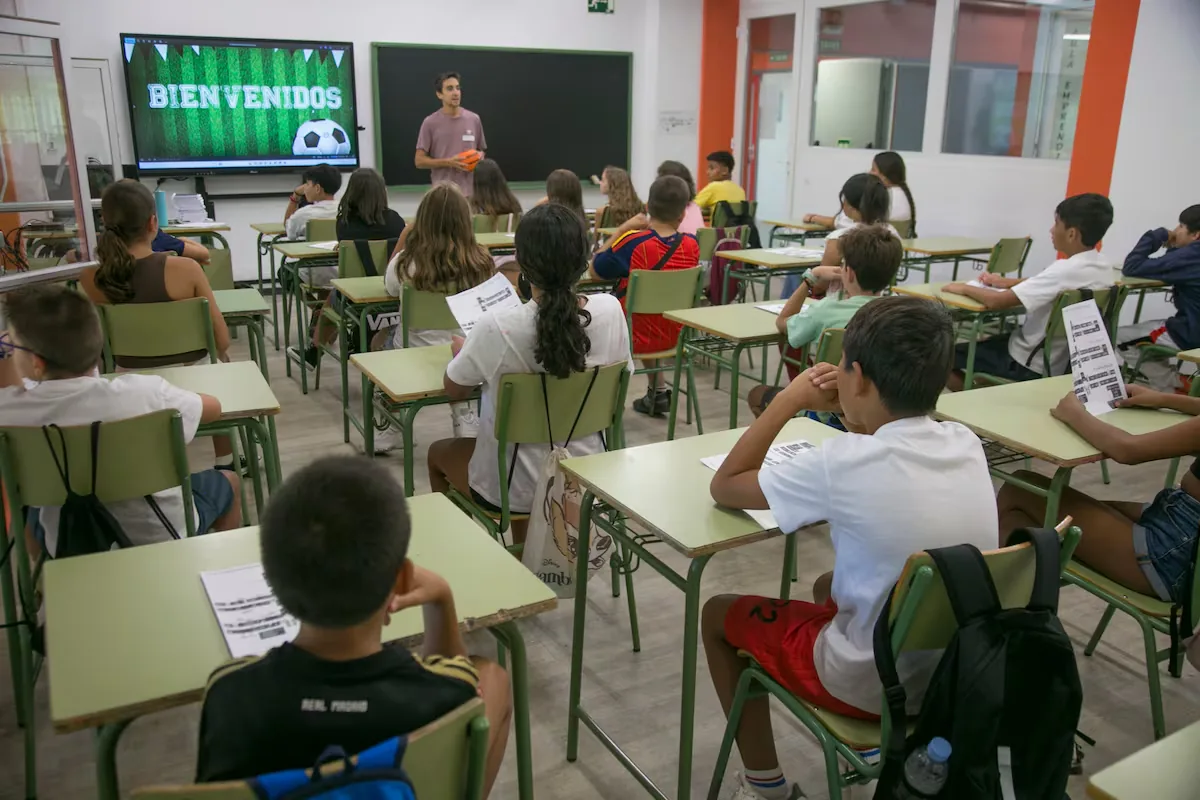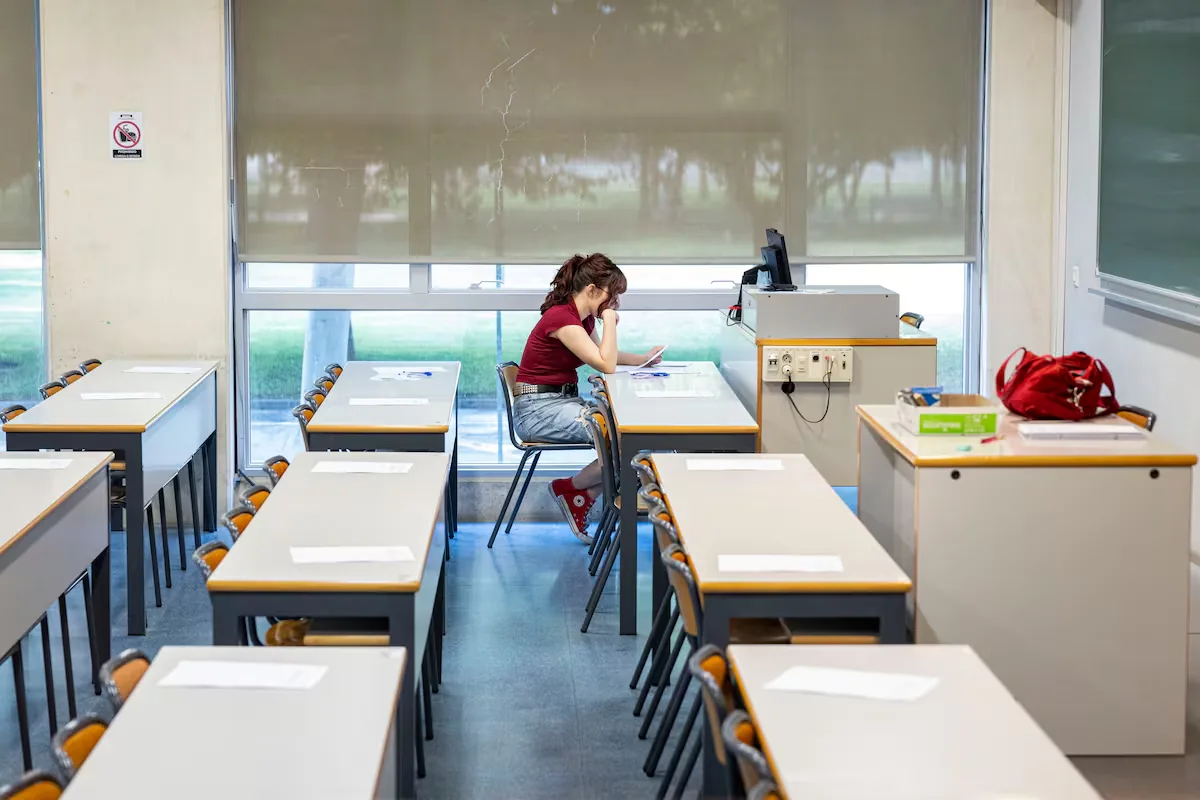
Our children are reading less and less. And when they do read, they show increasing difficulties in understanding texts, just as they do not know how to solve simple math problems. Among other reasons, because they arrive late to classrooms, where chaos reigns. Does it sound exaggerated? Well, that is our reality, whether we like it or not, according to the PISA 2025 results released by the OECD.
Read more Brussels approves the rule that gives preference to European companies in critical sectors
Summary: Argentina extended the decline it had already shown in 2018 and 2022, which dismantles the most comfortable excuses. The deterioration did not start with the Covid-19 pandemic, nor with the current government. It is earlier and deeper. We are falling behind as a society due to our own shortcomings, due to failures in our educational system, with a fact that challenges us: we are the most undisciplined country in the region. But, being who we are, is it really surprising?
The outlook is also worrying in many other Latin American countries. But the Argentine picture, however, is serious. Less than 8% of 15-year-olds reach the minimum threshold in the three core areas evaluated: less than one in every 12 students assessed.
Thus, Argentina is positioned in the lower-middle block of Latin America in the results of the Programme for International Student Assessment (PISA), below Uruguay, Chile, Costa Rica, Mexico, Colombia, Brazil, and Peru, and ahead of Ecuador, El Salvador, the Dominican Republic, Paraguay, and Guatemala. But the region does not celebrate either: Uruguay and Chile, which lead it, also declined.
The educational deterioration is, in fact, global in scope. But others doing badly does not lighten our collapse. And some Latin American countries manage to do better than us, even in an adverse regional context. Costa Rica, for example, improved significantly in science since 2022.
The picture becomes more disturbing when we observe that our students fall behind a little every day compared to their peers from Beijing, Shanghai, Jiangsu, Zhejiang, and Singapore, who show the best performance in the world. The rest of the top ten? It is completed by Estonia, Japan, Korea, Macao (China), Taiwan, and the United Kingdom.
And it is not a matter of throwing money at an ineffective system. On the contrary, good public policies and knowing how to invest resources are better predictors of PISA performance than spending per student. Luxembourg, for example, allocates US$288,521 per student throughout their schooling, the highest spending per student in the world, but obtained an average science score lower than Ireland, France, and Italy, which invested less than half.
I clarify, because the argument can lend itself to abuse or distortion: claiming that throwing more money at the educational system is not enough does not mean endorsing cuts. The Argentine educational budget suffered a severe pruning in the last two years, and anyone who thinks that will not leave a mark on the next measurements is deceiving themselves. But no increase in investment in education will bear fruit if we do not first decide what is taught, who teaches it, and how it is evaluated.
The challenge, then, is how to reverse a bleak picture. It is about asking ourselves what does work in the educational systems with better results, what we can replicate in our classrooms, and having the courage to implement the necessary reforms… or at least try. And don’t we want to copy Asia, so distant from our idiosyncrasy? Well, at least let’s look at what Costa Rica did well in science!
It seems difficult, however, for something like that to happen in Argentina and other countries in the region, where the urgent often eclipses the important, where governments stand out for their spasmodic or opportunistic actions to the detriment of state policies. Education is perhaps the perfect example of that difficulty: its results rarely arrive during the term of the decision-maker.
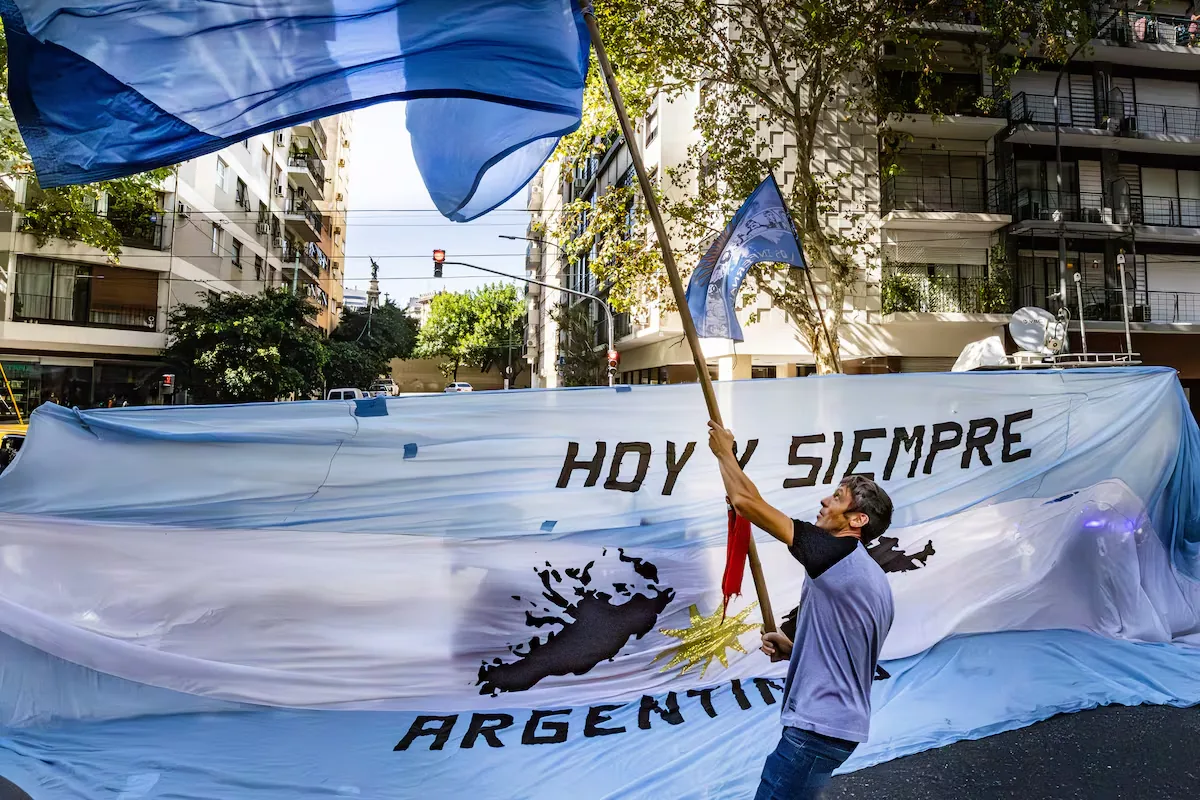
Nothing better illustrates that temptation than the preaching about the Malvinas Islands, a cause with immediate emotional and electoral yield, displacing an educational reform, uncomfortable to propose, difficult to implement, and with eventual returns within fifteen years. But that is where President Milei is, now championing a Malvinas preaching, a “sacred cause” as his supporters define it, after sidelining it since he entered the Casa Rosada in December 2023.
In challenges like education, however, is where we see who is who. The opportunistic politician only harvests, the good administrator cultivates, and the statesman sows. Educating the next generations is that: sowing for a future that others will have the privilege to harvest.
Read more Penélope Cruz, after the 15-minute ovation in Venice: “I am the most surprised by what is happening”