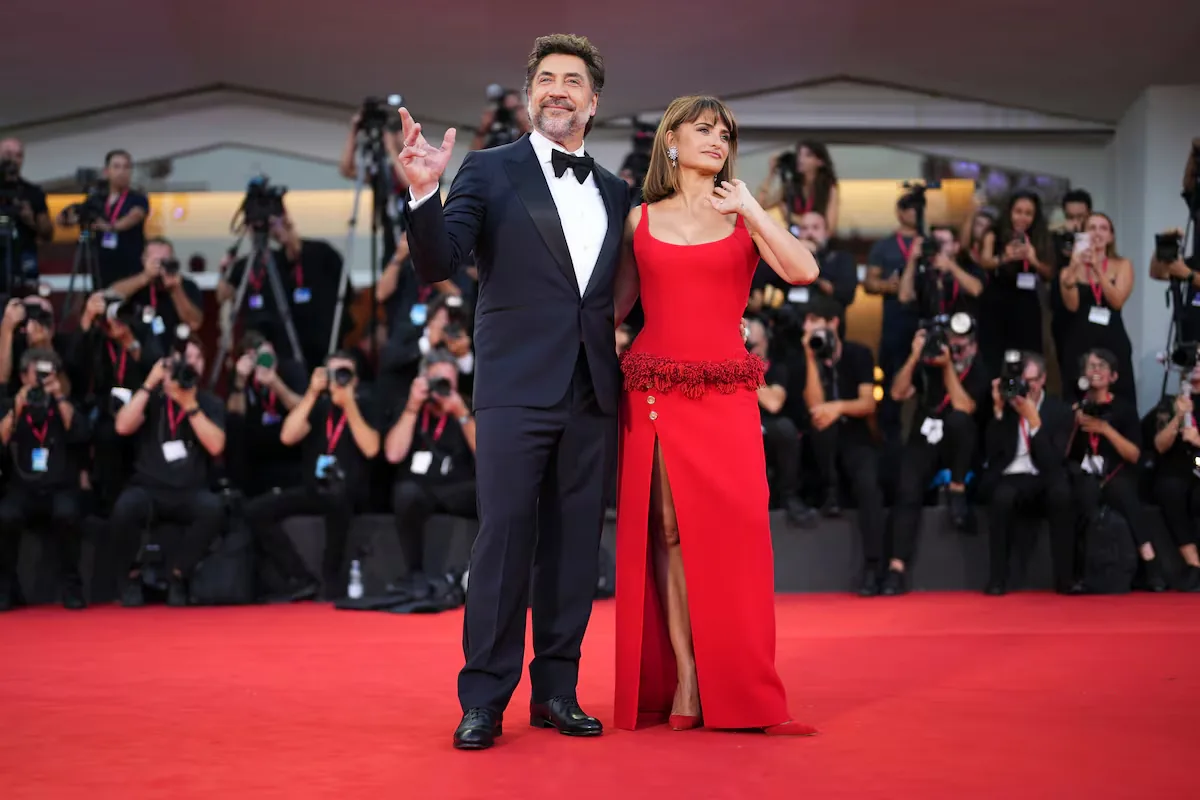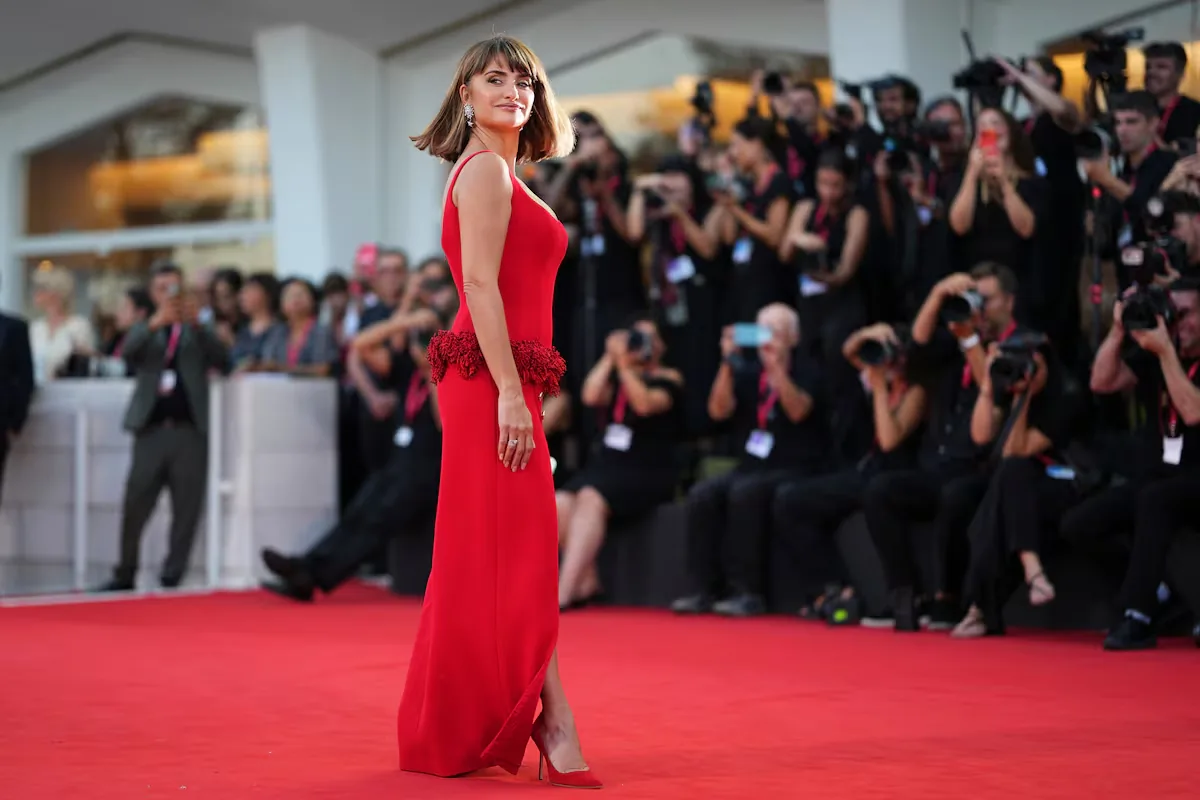
Penélope Cruz still seems to be surprised by the warm reception her various projects are receiving this year. The Madrid-born actress presented Bunker this Wednesday at the Venice festival, the new film by French director Florian Zeller, starring alongside Javier Bardem, Cruz’s partner, which last night received a standing ovation of about 15 minutes at the Cinema Palace. During a meeting with the media at the Mostra, Cruz admitted: “I am the most surprised by what is happening.”
The actress said she had only seen the film once and that it was not yet finished. “I already liked it a lot, it moves me a lot. But of course, seeing it with an audience…,” she explained. Bunker received a standing ovation of about 15 minutes, although Cruz joked that it was 16, in one of the highlights of Tuesday’s day.
In the meeting with Bardem, the actor was able to further elaborate on his vision of the character who triggers the film’s dilemma: a famous Spanish architect living in London who is commissioned by a technolord to build a luxury bunker in Hawaii. The actor recalled that his next professional goal is more intimate theater — “A wonderful vehicle for an actor,” he said — of Chekhov, Chekhov!, directed by his mentor Juan Carlos Corazza.
In Bunker, the possibility of that pact with the devil by the lead architect unleashes the marital crisis dramatized in the film. When asked how he has dealt with those hard-to-refuse offers in his career, he replied: “I have never felt that I was selling out for money. I have been paid very well, of course, and if they call you for Pirates of the Caribbean, welcome. But money has never been the priority. I remember when I was starting in Hollywood they called me for a studio film, Poseidon, by Wolfgang Petersen, and I preferred a smaller one, No Country for Old Men, which turned out to be decisive for me. So you never know. There are many people who feel they never have enough and that is not my case. I want enough to protect, care for, and provide stability to my family, especially so my children have security until they start to seek their own lives, but the message I give them is that you shouldn’t want more and more, because you pay a price and you have to look for the meaning of things.”
Penélope Cruz broke out into uncontrollable sobs as she kissed her husband and co-star Javier Bardem during the incredibly long 15.5-minute standing ovation at the premiere of “Bunker” at the #VeniceFilmFestival.https://t.co/D0OzKlxFjC pic.twitter.com/2TB0rM6WpQ
— Variety (@Variety) September 8, 2026
As Cruz did at the previous day’s press conference, Bardem admitted their reservations about playing a married couple on screen. “Our joke was that this couldn’t be Eyes Wide Shut,” the actor said, referring to Stanley Kubrick’s film with Nicole Kidman and Tom Cruise when they were married. “We don’t accept a film to destroy ourselves. It makes no sense for us or the audience. When the project came, the first thing that interested us was the theme, which talked about the disconnection of human beings, something that affects us all. The second was to check that there was no intention to manipulate us and put us in a dark place to be able to extract creative wealth through the camera.”
In the film, the couple has two young daughters and one of them, a teenager, is alienated by mobile phone use. “I am in favor of banning mobile phone use for those under 16,” the actor says. “It’s not easy to deal with children and their use, especially for someone as inept as me, who doesn’t even know how to send an email. I already know that my son at 15 knows how to navigate, it’s like when I used to put VHS tapes on for my mother, who didn’t understand either. But in our case, we have been strict and we didn’t give our son, who is 15, a mobile phone until a year ago. His 13-year-old sister doesn’t have one and won’t have one for now. Dealing with this is a matter that takes time and attention. And if we have achieved anything, it is that they tell us everything; we talk a lot about things. We are a very intense family. For example, the reggaeton debate. I’m not going to tell my daughter not to listen to reggaeton, but I do say: ‘Come on, let’s talk about reggaeton and what its lyrics say.”
I live in Spain, I never settled in Hollywood, I go for visits and come back… and that gives me freedom”Javier Bardem
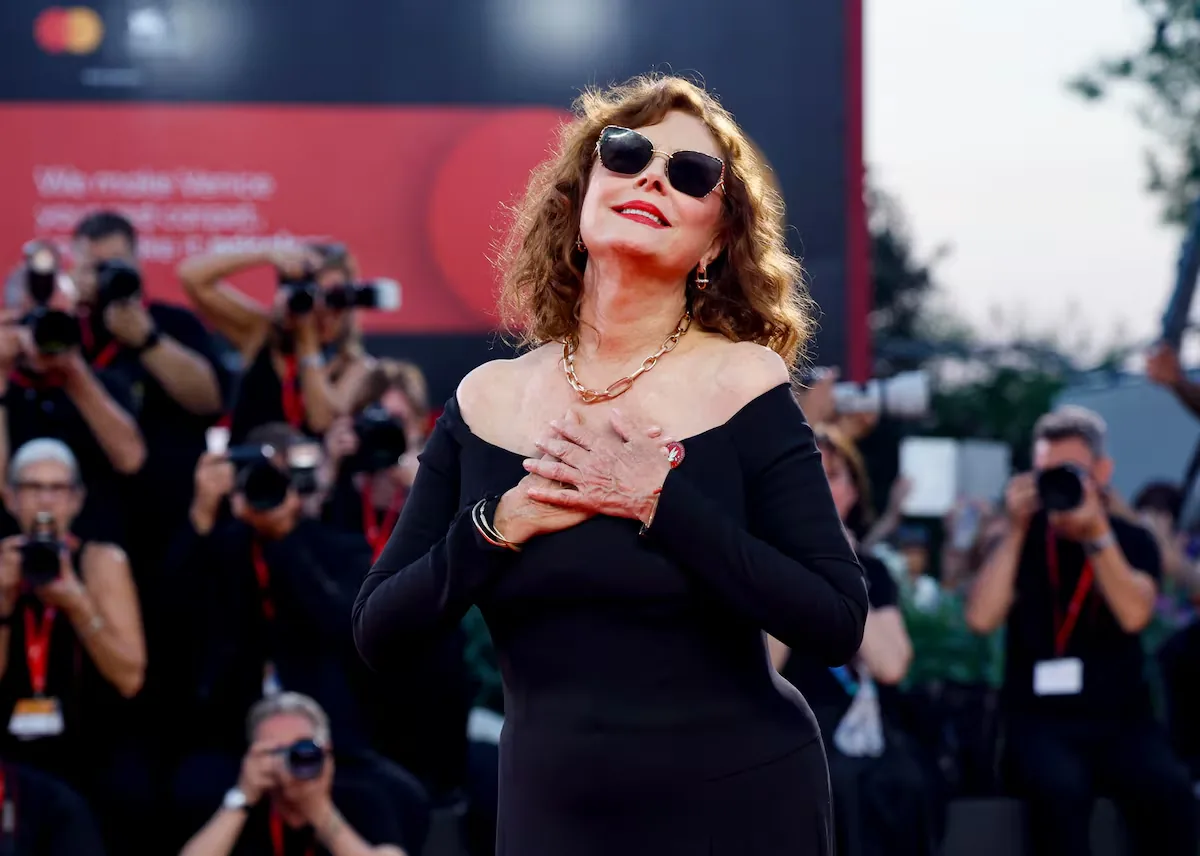
About his voice within the Hollywood ecosystem, especially with his exposure regarding the Palestinian genocide, the Spanish actor said he does not feel too much pressure from the industry and that it is hard for him that his attitude, like that of Susan Sarandon or Mark Ruffalo, is seen as something “extraordinary.” “I think the narrative is changing, although I was surprised by Sarandon’s statements the other day here about the projects in which she was blacklisted. I fear it is more difficult if you are a woman and it has more to do with the gender imbalance in the industry. The truth is that I have never felt the need to answer to anyone to keep working, maybe because I have never considered myself part of that industry. I live in Spain, I never settled in Hollywood, I go for visits and come back… and that gives me freedom. But I also think that right now there is a lot of support, more and more.”
That optimism, Bardem extends to youth, who, although according to data are more right-wing than ever, he believes there is still a supportive majority. “Making more noise doesn’t mean there are more. There are many young people who take to the streets to say no to genocide, to help those now in Ceuta, to give them water and food. I cooperate with several NGOs and I know there are many young people deeply involved, who sacrifice study hours, sports practice, or time with friends to help others, to work in soup kitchens or in the church of Father Carlos in Vallecas.”
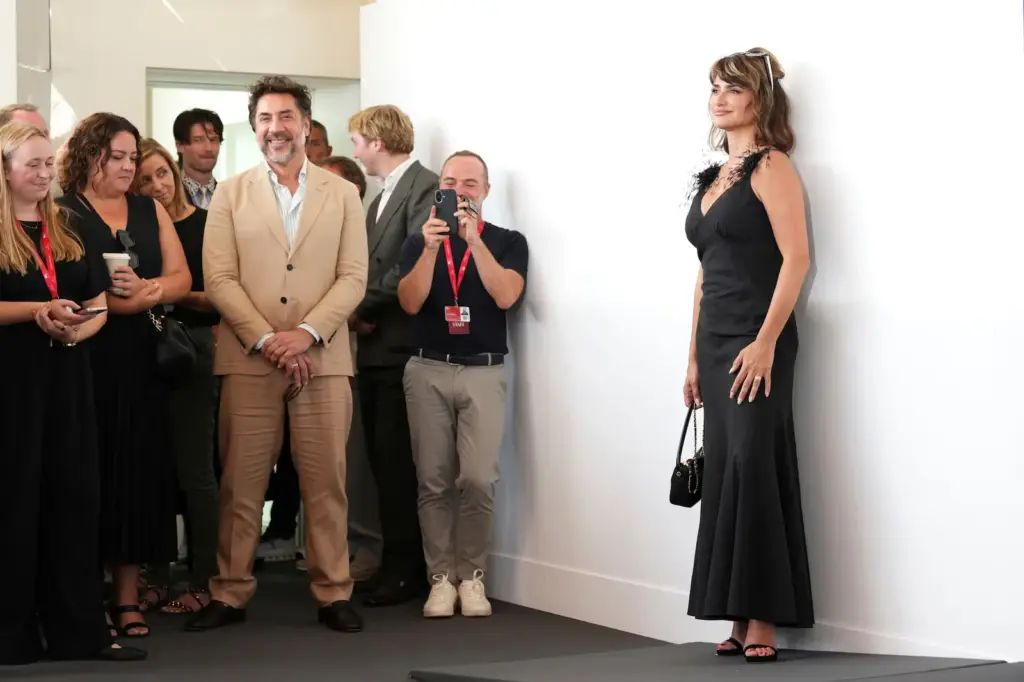
Bardem also joined that idea of personal and professional balance that Penélope Cruz expressed at the Bunker press conference as the basis of their relationship: “We are lucky to have two independent and totally satisfying careers for each of us, which have grown over time. It’s lucky because otherwise it’s not easy for a couple, whatever they work in. It has happened to me before and it greatly affects the stability of the relationship. Frustration, the perception that one cannot celebrate their own because it hurts the other… These are ugly things, and very human at the same time, but we have not suffered it and we have been able to celebrate and enjoy together respecting each other’s place.”
Read more Marius Borg Høiby, in the background but a protagonist at the funeral of King Harald of Norway