When Letizia Ortiz decided to stop covering her gray hair, while some media praised her decision, the British press preferred to turn women’s hair into a subject of debate again by criticizing the queen. The hair of most of the first ladies in modern United States history has also ended up being a subject of analysis. Nancy Reagan styled her hair at least once a week, Jacqueline Kennedy brushed her hair 75 times every night, and Michelle Obama, aware that her hair would be politicized, decided to wear it straight during her husband’s term. Because it is indisputable that hair is not a trivial matter, but a political issue.
Read more Madring: this is the new Formula 1 circuit in Madrid
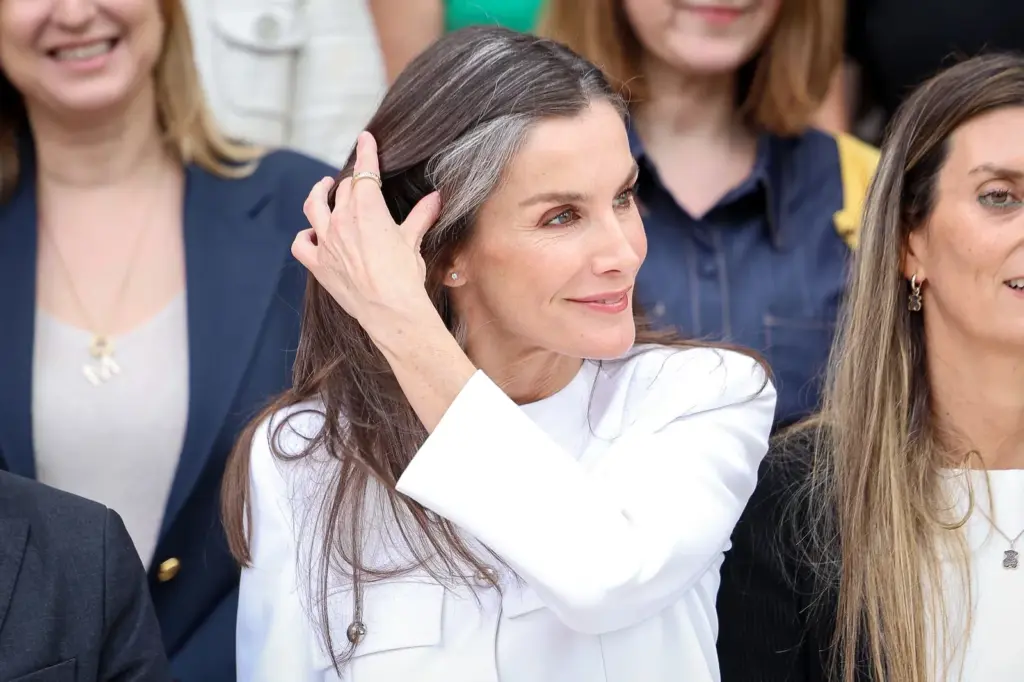
“The hair of white women is often perceived as an individual matter. The power it carries seems to be a small-scale authority: the authority of personal aesthetics that women can exercise even when public institutions have excluded them. Because the powers that hair seems to confer on white women are aesthetic, feminine, and often reinforced by popular culture, they may seem not only private but also trivial. The pleasure, play, and insecurities that white women experience when brushing, stroking, or styling our hair are easily relegated to the realm of fashion and appearance, seemingly outside those serious spaces—the court, Congress, university—where important racial policies are made,” writes cultural critic Sarah Mesle in Tangled (Bacon Press, 2026). “Here a clear component of misogyny intervenes. Spending a lot of time, money, or emotional energy on our hair can be interpreted, even by other women, as a sign that we are not serious people. However, the misogyny faced by white women serves a complex function. Misogyny can keep white women below white men. But the presence of misogyny acts as a filter that allows white women to blind themselves to their own racialized power. By assuming that our feelings about hair only have to do with our femininity, which has been trivialized, we avoid recognizing how those feelings intersect with our privileged racial position,” she asserts.
In the book, the author analyzes how hair has been a subtle vehicle to convey whiteness, privilege, and conservative values. While women of color experience hair as a deeply political terrain, white women often consider their styles as purely aesthetic. But the cultural critic nuances that this apparent innocence is what makes white women’s hair so powerful and, at the same time, so dangerous.
Hair can become an element of subversion in many ways, and of course, body hair occupies a prominent place here, because the moment a woman decides not to remove it, body hair becomes an act of insubordination that deserves an aggressive response. “Body hair has become a way to visually measure what we might call the attitudes our culture has decided are feminine. Since the ideal woman—unlike almost all real women—has no hair, our culture has turned the desire to eliminate hair considered unfeminine into a trait of femininity. We are supposed to feel repulsion for our own body hair, worry about looking like a gorilla or a peasant. And if we do not feel repulsion, shame, or concern, we are considered a problem. Simply letting the body hair that our body produces grow becomes an insubordination that deserves an aggressive response,” Mesle asserts.
A reel in which Gwyneth Paltrow promotes the benefits of dry brushing, which consists of using a brush with bristles on the skin, becomes in Tangled the starting point to talk about body hair. “Paltrow does not brush her hair. Instead, very carefully, she brushes her skin,” she says. “Imagine how much these dry brushing videos would change, how much more radical they would really be, if there were the slightest, remotest possibility that Paltrow’s brush was gently detangling the hair on her arm, instead of her arm itself; or, even more striking, the hair on her legs, instead of her legs. Imagine Paltrow with soft hair on her arms or with legs covered in a stubble beard. With curly hair growing between her thighs. Such a video would be an extraordinary piece of performance art, and I would like to see it. But it would ruin the dry brush ad,” she asserts.
Because if the actress had body hair, it would be that which would become the center of attention. “Although nominally this dry brushing video is about a sensation, a sensory state, and not about hair, in reality, its ability to announce this ‘ancestral modality’ depends on hair: it depends on Paltrow having absolutely no body hair,” she says. The author points out that hairless bodies have become the starting point from which beauty can begin; even the starting point from which ‘femininity’ can begin. Other ways to make hair a political act are not covering gray hair, a young woman shaving her head, or an elderly woman letting hers grow long.
Horror films often resort to the so-called Hagsploitation, the obsession with old age as a way to provoke or symbolize collective fear by showing elderly women who are usually naked, with sagging breasts and long gray hair. Because in a deeply ageist world, a woman who does not hide the passage of time immediately becomes the focus of terror. “Misogyny is very real. In the United States, there are very narrow standards that as a woman, you must follow without losing visibility, privacy, or approval. Although on one hand, approval is something many of us could do without, for many women, considering that in many cases they do not have as much economic access as men, approval is a real resource. My mother stopped dyeing her hair a few years ago, and I thought it was liberating. She simply said: ‘I’m 70 years old. I don’t want to spend the years I have left on this planet dyeing my hair.’ One of the proofs that hair matters is that when women do something slightly wrong, they receive so much criticism. That’s why dyeing or not dyeing hair and shaving or not shaving legs is tremendously political,” she explains to S Moda.
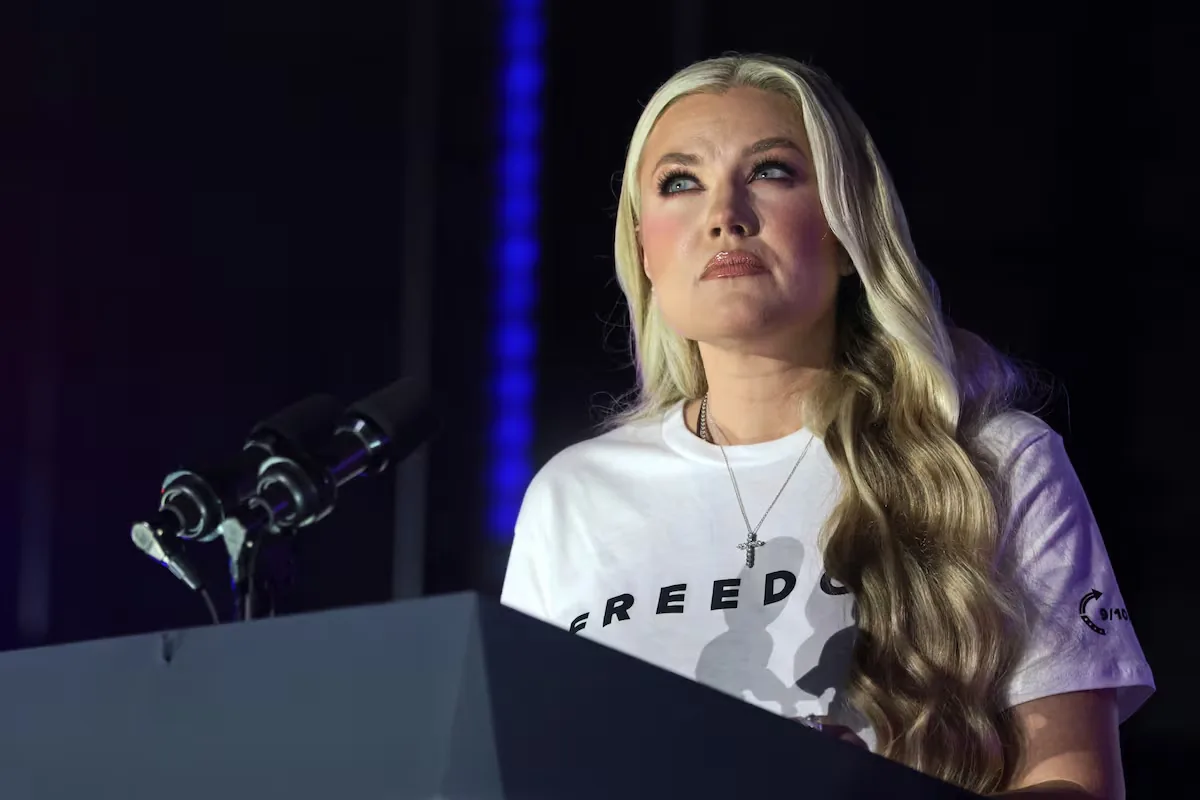
MAGA women are so obsessed with their long hair, which falls in soft waves and has been subtly highlighted with streaks. Mesle assures that it is long hair that evokes nostalgia for the past while being “clearly modern and technological,” since curling irons and extensions come into play. Often, the ‘Utah curls’ are mentioned, referring to the Mormon influencers who made them famous. “These curls are basically the opposite of Julia Roberts’ curls in Pretty Woman: they always emphasize that the hair of the wearer has been curled, but it grows naturally straight,” she says.
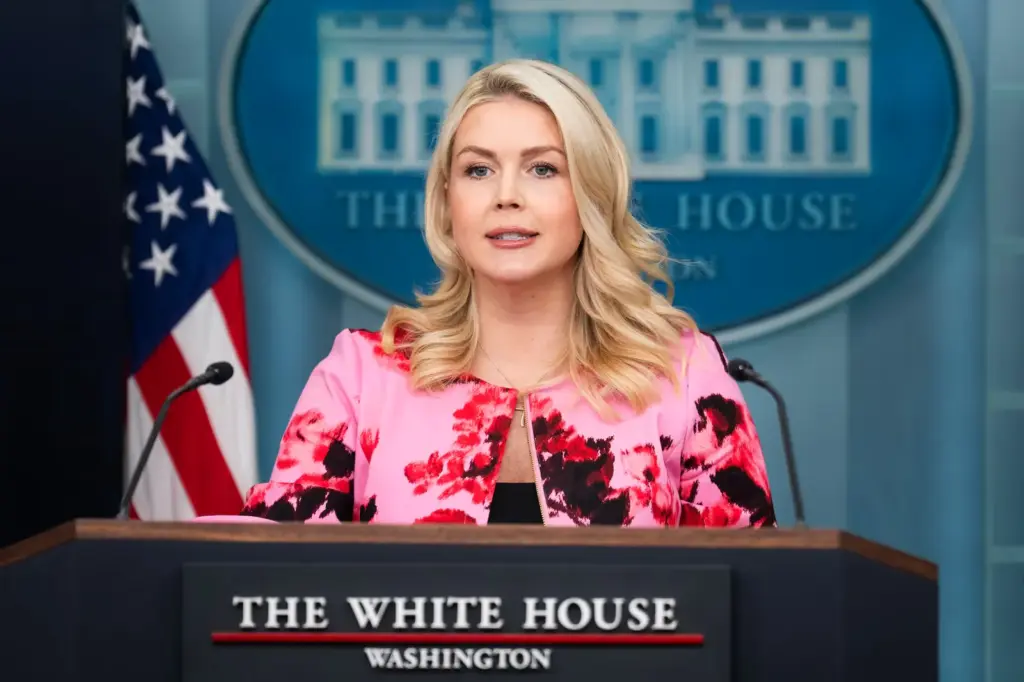
“The hair of Trump’s entourage, although in many cases it is the result of extensions, expresses a long-term commitment, and I think Trump is obsessed with loyalty. That’s why wearing this long hair is like saying: ‘I am totally committed to this: I am not just following trends, this is what I want.’ And that’s why, in part, he wants everyone to have the same type of cosmetic surgery. It is a true representation of loyalty and a willingness to submit to his definition of beauty. The same goes for her aggressive makeup, which I feel is the female equivalent of the Cybertruck,” she asserts.
The book also talks about Rachel Green’s haircut from the popular series Friends, which became an icon of the transition to the global economy, the digital era, and the information age. “The Rachel cut was powerful because of the way it became an aesthetic symbol of an impulse I can understand, one that still seems relevant to Generation Z viewers who watch it today,” the author assures.
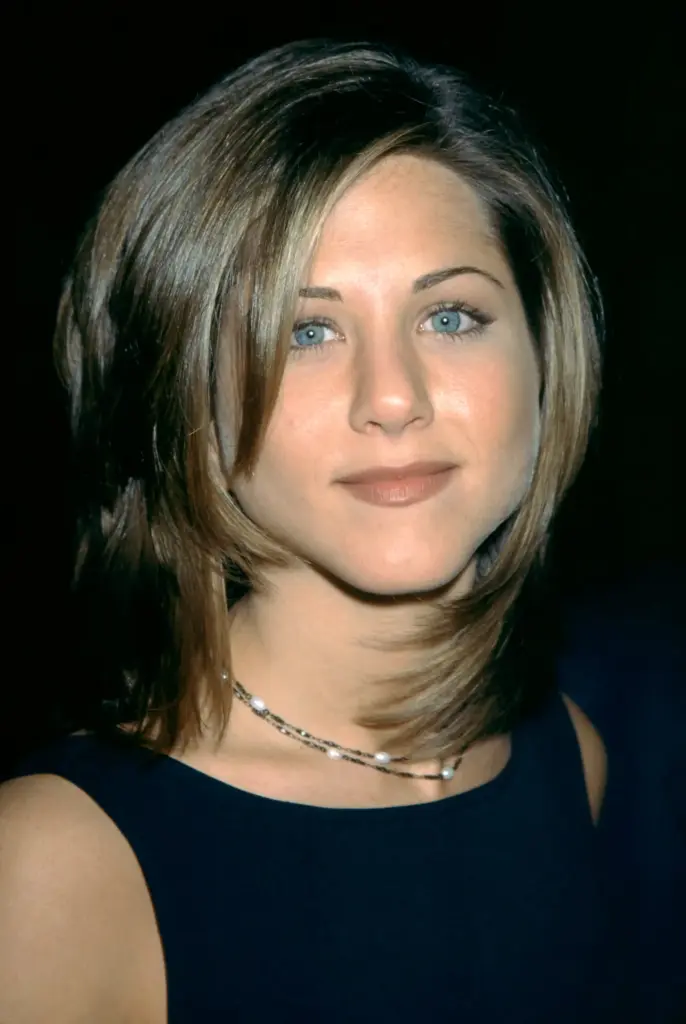
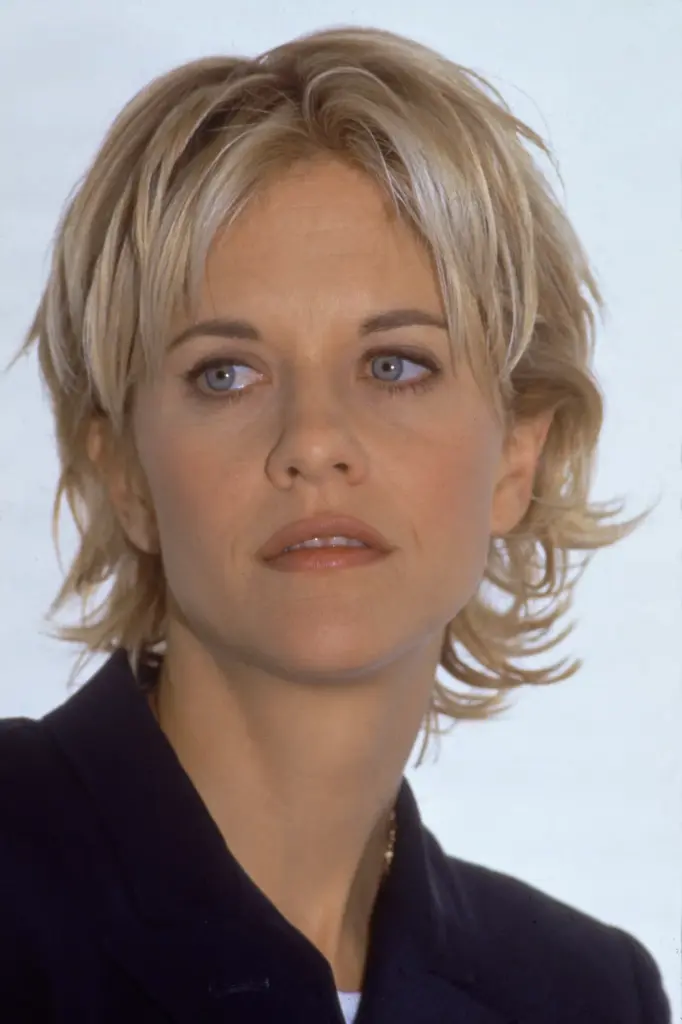
“Like Rachel, many of us want to free ourselves and, at the same time, feel safe. Rebel, but also be accepted. Be the future without giving up the past. Be ourselves and, at the same time, be normal,” she says. “I think a banal hairstyle can become powerful when it finds just the upper limit of what is considered normal. And thus, people can consider themselves modern or transgressive without ceasing to fit in,” she explains. “Another version of that, which I did not write about in the book, would be Meg Ryan’s tousled cut, which is a bit wild and crazy, but not too much. The other side of Rachel would be what we often call the ‘Karen’ cut, or that Kate Gosselin cut, who made it famous. She took Rachel and simply took it to the other side, and that became more impactful,” she asserts. It is noteworthy to point out that when Hillary Clinton tested her presidential candidacy, she cut her hair. And by doing so, she took as a reference the best model she had at her disposal. Hillary Clinton presented a hairstyle inspired by Rachel Green, proclaimed Vanity Fair.
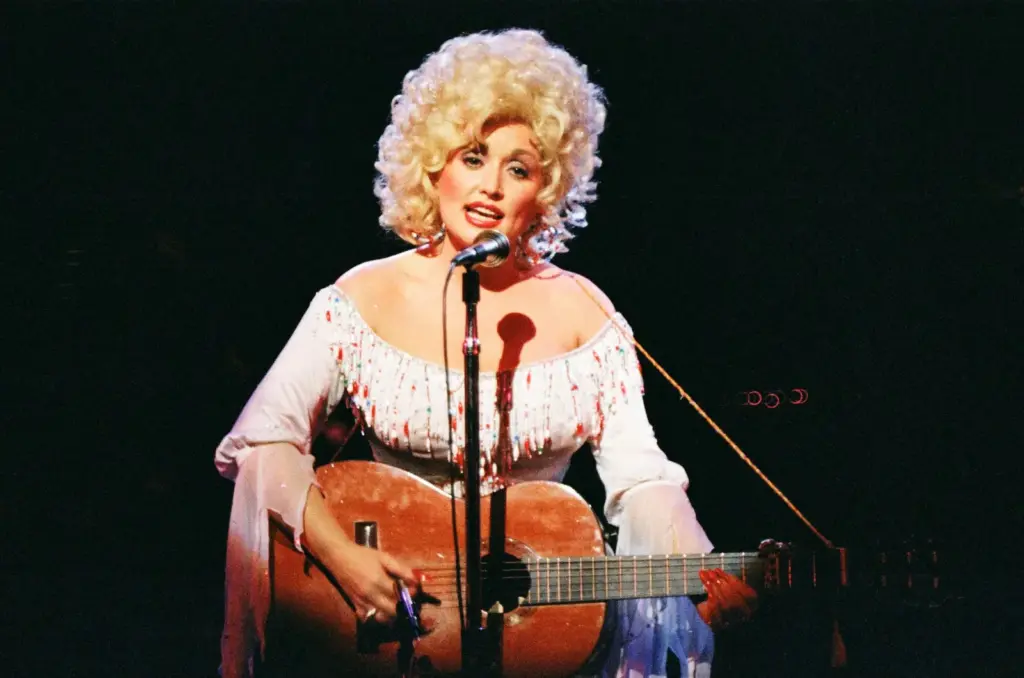
Ending a talk about iconic hairstyles without mentioning the recently deceased Dolly Parton would be a mistake. “Colleen Owens created many incredible hairstyles, especially using synthetic wigs, which at that time I preferred because they maintained the curl longer than those made with natural hair,” the singer wrote on her social media. And after her death, Sarah did not want to stop talking about Parton’s iconic hair in Avidly. “Dolly Parton is certainly not free from whiteness. She is constituted by it and moves within it. But she does so while brilliantly managing to short-circuit and evade its ideological machinery. Her extreme blonde wigs show that she understands the power of white norms and that she refuses to faithfully submit to their conditions,” she asserts. “Dolly Parton’s hair was real—you could touch it, it had texture, and it was always present—but it was not natural. It was abundant, luxurious, and undoubtedly expensive, but it did not imply any social benefit associated with appearing wealthy. Parton kept her hair as a sign of a morally responsible identity, but she also used it to show how little she cared about the normalized and dangerously narrow female codes of prosperity and sentimentality,” she says. In any case, thinking that talking about hair is trivial is deeply absurd. Because to not have a fool’s hair, sometimes it is necessary to talk about hair.
Read more The Social Democrats and the far-right compete for the working-class vote in Sweden