








The sixth edition of the Festival of Ideas, a forum by PRISA Media (publishing company of EL PAÍS), began this Friday in Villa de Leyva with a debate focused on one of the greatest concerns in Colombia: the crisis of democracy and the loss of institutional trust. In a panel moderated by Roberto Pombo, PRISA’s content director, the guests warned that the misinformation and polarization experienced by the country in the last electoral cycle are here to stay and could shape the agenda of the new Government.
“The health of democracy is not at its best moment. 60% of the citizens are not satisfied with the system. We have to make society reconcile with democracy,” said Hernán Penagos, national registrar. Without mentioning him by name, he referred to the tensions he had in the elections of the first half of the year with then-president Gustavo Petro. “Authoritarian constitutionalism consists of using the rules to, for example, call a referendum which generates serious difficulties. There are liars by profession and liars by conviction,” he added.
The well-being of democracy is also a concern for Michelle Muschett, director of the UNDP for Latin America. The United Nations Development Programme recently published a report certifying that citizens in the region do not feel that democracy is responding to their needs. “A citizenry with growing dissatisfaction. The trend is towards increasing dissatisfaction and the risk is not the collapse of the system but its emptying,” the expert indicated.
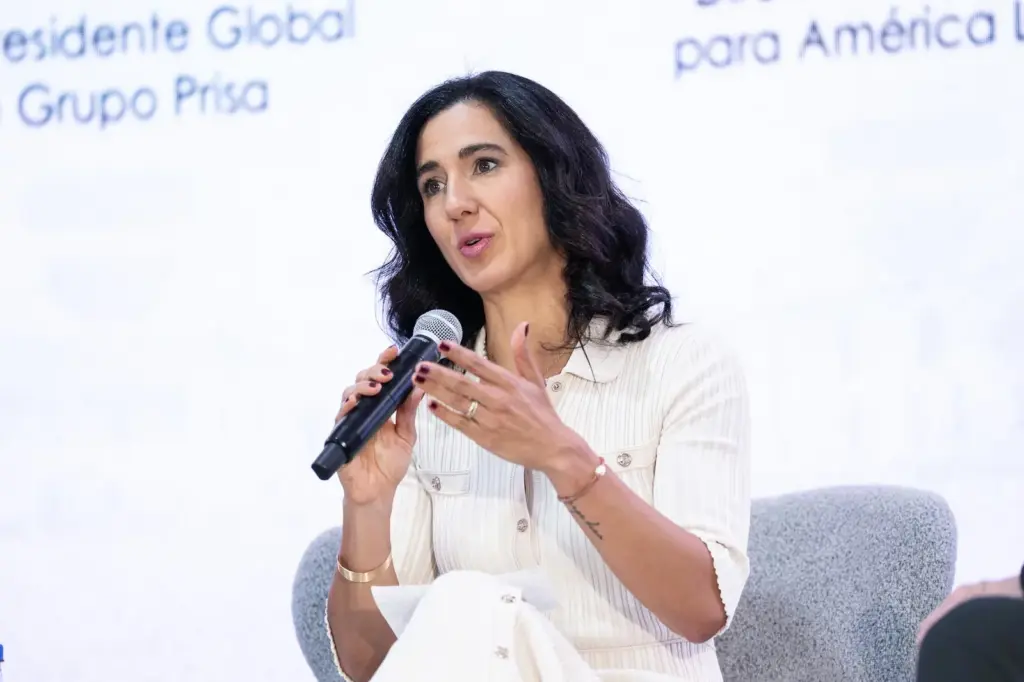
One of the spheres that most conditions satisfaction with democracy is security. “Those who feel safe support democracy at 50%. Those who do not, are satisfied only at 25%,” Muschett highlighted. Certain population groups show greater distrust of the system, such as women or indigenous and Afro communities. Still, the expert celebrates that, according to the report, Latin America and the Caribbean is the “most democratic developing region on the planet.”
Read more Robles goes to the CNI in redress for the criticism she has received over the Ceuta crisis
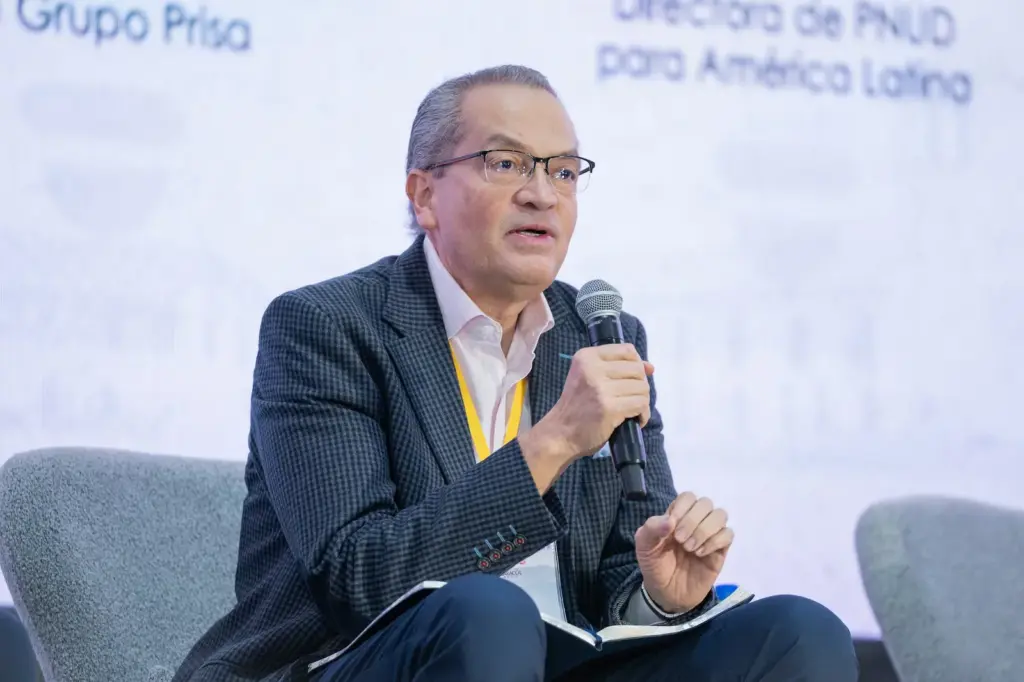
The inaugural forum also included former attorney general and vice president of Grupo Prisa, Fernando Carrillo, who raised several issues, mainly about misinformation and the challenges of new technologies such as Artificial Intelligence. “A post-truth [in public debate] turned lies into the greatest threat against democracy and freedom of the press,” he warned. Another of his concerns are the echo chambers, as he said, they produce “a breakdown of consensus.”
In his turn, the newly appointed comptroller general, Jorge Laverde, reported on the renewal he intends to carry out in the highest fiscal control body in Colombia. “The Comptroller’s Office cannot be seen only as an auditor: we are a proactive actor,” he stated. The official, elected to his position by Congress last August 12, said that one of his priorities is the digital revolution in the entity. “We need to strengthen with data science, algorithms and be more efficient.”
Several panel attendees, about 400 people — including politicians, academics, private sector figures, and civil society — expressed after the discussion that the new Government, led by President Abelardo de la Espriella, must prioritize restoring trust in the democratic system which, they considered, was severely affected during Petro’s administration. Still, the tone was optimistic: experts and officials highlighted that despite attacks on the system, Colombia has a solid institutional framework to face future challenges.
Read more Thief arrested for stealing four pieces from churches in Valladolid