








The investment plan worth nearly 10 billion launched by Aena to expand the capacity of its airports during the 2027-2031 five-year period aims to adapt the network to air traffic that will continue to soar in the long term. The expectations, endorsed by the Directorate General of Civil Aviation (DGAC) and included in the third Airport Regulation Document (DORA III) approved on Tuesday by the Council of Ministers, show that by 2041 a total of 433 million passengers should pass through Spanish terminals, strengthening Spain’s role as a global tourist power. The detailed text was published this Saturday in the Official State Gazette (BOE).
Read more One arrested in L’Hospitalet de Llobregat accused of murder
The traffic figure fifteen years from now is more than 100 million users above the forecast for 2026, revised upwards in July (it went from a growth of 1.3% to 3% compared to 2025 traffic) and set at 330 million passengers. In a closer horizon, with a vision more adjusted to the current economic and geopolitical moment, DORA III starts from an air traffic expectation of 338.8 million passengers in 2027; rises to 346.7 million in 2028; goes to 354.3 million in 2029; increases to 359.7 million passengers in 2030, and the third DORA concludes with 363.5 million passengers expected in 2031.
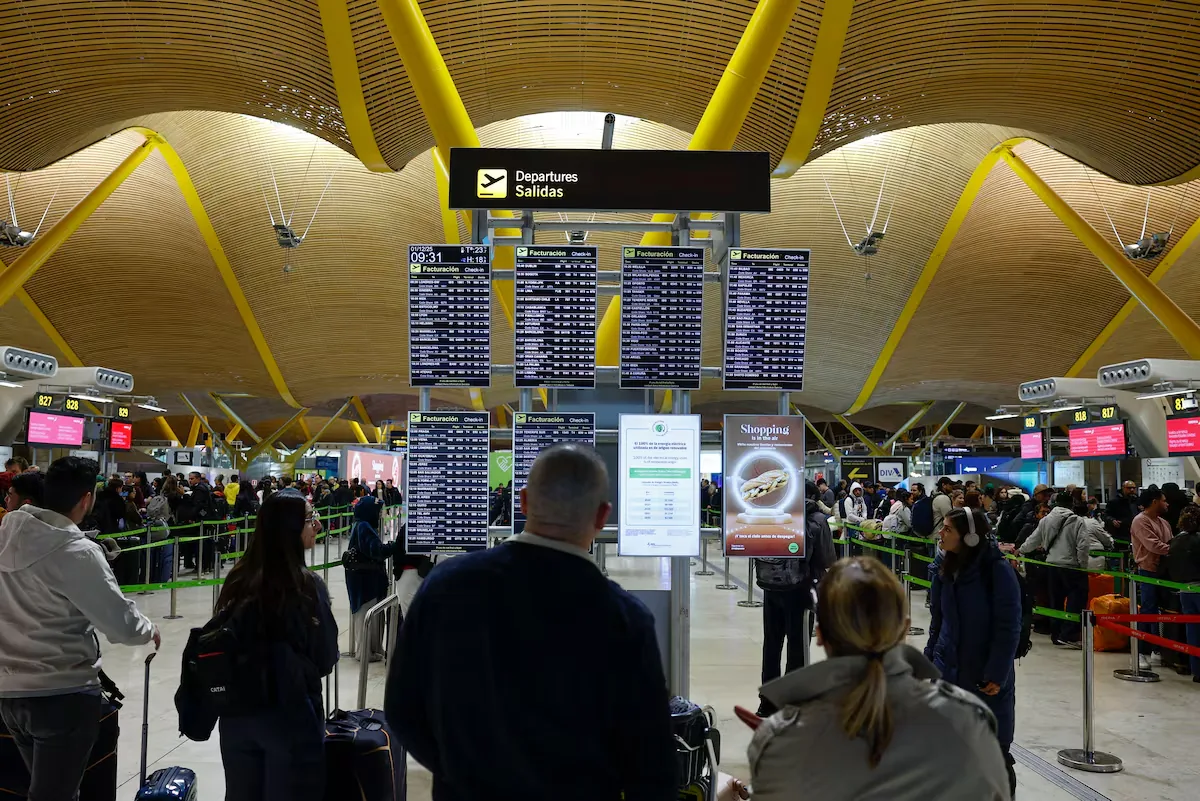
Aena’s airport network has the capacity to serve 358 million passengers, with about ten infrastructures at their limit, including Barcelona, Mallorca, Valencia, Seville, Ibiza, Lanzarote, and Madrid. The strong budgeted investment for developing new capacity will raise Madrid-Barajas airport from the current ceiling of 70 million passengers to 90 million, and Barcelona-El Prat will increase from the 55 million limit (already exceeded) to 80 million.
The airport manager has seen its investment needs in aeronautical or regulated activity recognized in the new DORA, where it recovers its effort and operating costs through tariffs. However, the Council of Ministers approved a tariff path below what Aena itself demanded, with a 0.33% annual increase (three cents per passenger per year) compared to the 3.8% proposed by the public company (the supervisory body, the National Commission on Markets and Competition (CNMC), proposed a reduction of 0.59%, and airlines demanded a 4.9% annual decrease). DORA III, which besides investments includes operating costs at airports, traffic estimates, and the cost of capital for Aena, has come to light with these last parameters amended.
For traffic, the regulated five-year period 2027-2031 is expected to close with 363.5 million passengers, compared to the 346.7 million established by Aena in its DORA III proposal (the CNMC suggested a forecast of 366.7 million in 2031). With a higher volume of passengers, operating costs increase, but so do revenues and there is less pressure on the tariffs paid by airport users.
Read more National Drill of September 19: a key guide to prepare it at home
Operating costs in the regulated part of the public airport network have been estimated at 13.862 billion from 2027 to 2031, both included (the five-year period starts with 2.552 billion in 2027 and reaches 2.982 billion in 2031). Regulated revenues, based on expected traffic, total 18.731 billion, rising from 3.576 billion euros in the first year to 3.886 billion in 2031. In the case of regulated operating costs, Aena started in its DORA draft with 1.988 billion euros in 2027 and reached 2.311 billion in 2031, with an annual growth of 3.8%. The final DORA sets an evolution from 1.929 billion euros to 2.078 billion throughout the third regulated five-year period. Aena is required to make a new efficiency effort in spending.
The cost of capital based on regulated assets granted to Aena is 8.32%, up from the current 6.02% and against the company’s aim to reach 9%. The company went for a high scenario in a context of rising interest rates and geopolitical uncertainty (the CNMC recommended 7.4%).
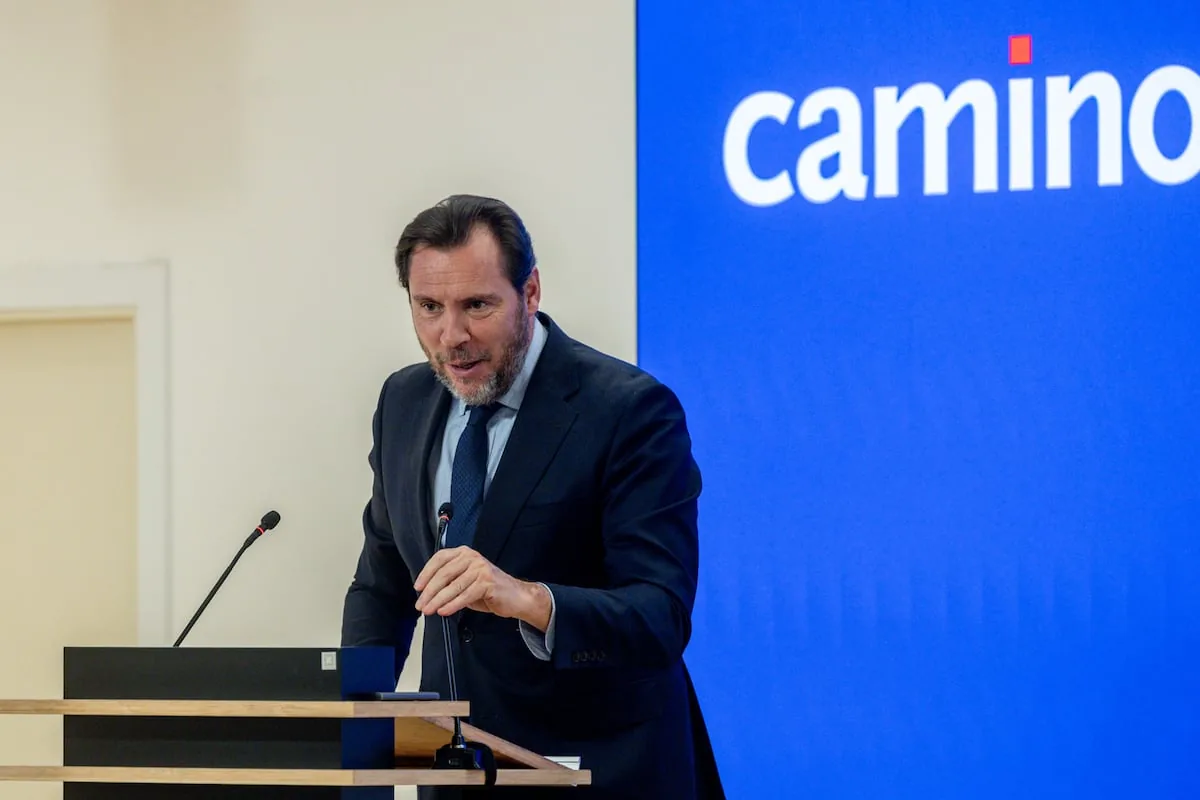
On these bases, many of them revealed this Saturday in the BOE, the maximum annual revenue per passenger (IMAP), before adjustments, that Aena will reach is 10.52 euros in 2027, rising by 0.33% per year to 10.69 euros in 2031. The Minister of Transport, Óscar Puente, referred on Tuesday, after the approval of the new airport regulation document, that Spain will continue to have the most competitive tariffs in Europe while seeking to adapt infrastructures to growing demand. The Airline Association (ALA) has applauded the near tariff freeze and demands maximum cost control. The leading airline by traffic in Spain, Ryanair, also recognized the Government’s work to moderate the tariff path but spoke of a missed opportunity to establish a downward path and attract new traffic especially to regional airports.
The Ministry of Transport explains in DORA III itself that “the challenge is not only to continue developing airport infrastructures, but above all to have an airport system capable of responding to a context in permanent transformation.” Among the challenges ahead are digitalization, technological innovation, environmental sustainability, adaptation to climate change, operational resilience, and cybersecurity.
Read more Catalan teachers warn of new mobilizations: «The struggle will be long»