







A group of 24 vessels from the Global Sumud Flotilla heading towards the Gaza Strip attempted this Monday to intercept a cargo ship that, according to organizers, is transporting “critical resources” for the Israeli arms industry. The action, coordinated off the coast of Tunisia, forced the freighter —identified by the flotilla as the MSC MAYA— to slow down and slightly alter its course. However, the vessel was not stopped and continued its route towards the Israeli ports of Ashdod and Haifa. The flotilla, which set sail from Barcelona on April 15, continues its course towards Sicily and is expected to arrive before Tuesday.
Read more The rise of Sant Andreu reopens the conflict over the turf of the Narcís Sala stadium
The organization asserts that this is the first “civil disruption” maneuver of a maritime logistics chain linked to the Israeli army. The vessels formed a north-to-south line to hinder the ship’s passage. During the action, the flotilla broadcast a radio message to the crew: “We appeal to your humanity: turn back, choose peace over profit, life over death.” The freighter responded only once with a “shut up” (“be quiet”) before cutting communications and changing course.
The decision to carry out the blockade had been communicated to the rest of the flotilla participants only a few hours in advance. Each sailboat had to decide by unanimous crew vote whether to join the maneuver, facing possible consequences such as denial of entry to the next European port or, in the case of captains, sanctions that could jeopardize their license. Relying on the right of way that international maritime traffic regulations grant to sailboats over motor vessels, more than half of the flotilla managed to delay the merchant ship’s arrival in Israel for several hours.
According to the organizers, the MSC MAYA transports raw materials —in particular, alloy steel— used in the Israeli military industry. The flotilla has accused the shipping company MSC of maintaining logistical agreements with the Israeli company ZIM, which it links to this war-related supply chain.
The flotilla, made up of 39 vessels, had already stopped off Tunisia on Sunday to demand the release of six activists from the organization detained in that country since March 6, accused of alleged money laundering. Their defense has maintained that it is a politically motivated process. During that stopover, the vessels carried out a symbolic protest with flares, although on this occasion they avoided approaching Tunisian territorial waters. In the previous expedition, one of their ships was damaged in port in a drone attack that the organization attributes to Israel.
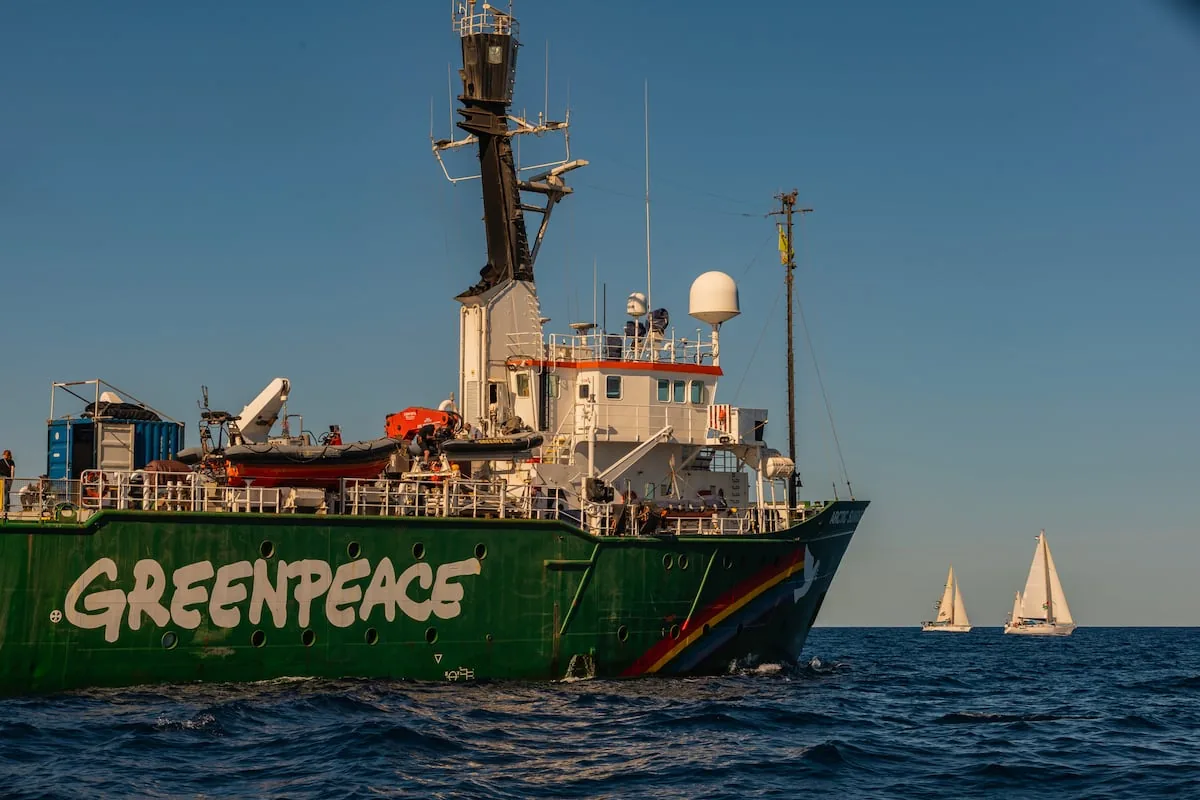
The journey towards Italy has been marked by technical problems since departing Spain. The trip, initially planned for about three days, has been extended to almost a week. Many of the vessels are old sailboats, reconditioned for the mission, which have sailed at reduced speeds, around five knots. Mechanical failures, autopilot breakdowns, problems with bilge pumps — which prevent flooding— and difficulties with rudders and engines have been reported. This has forced several stops at sea for refueling or repairs, with the support of ships such as the flotilla’s mechanical schooner, fuel provided by Open Arms, and towing maneuvers carried out by Greenpeace.
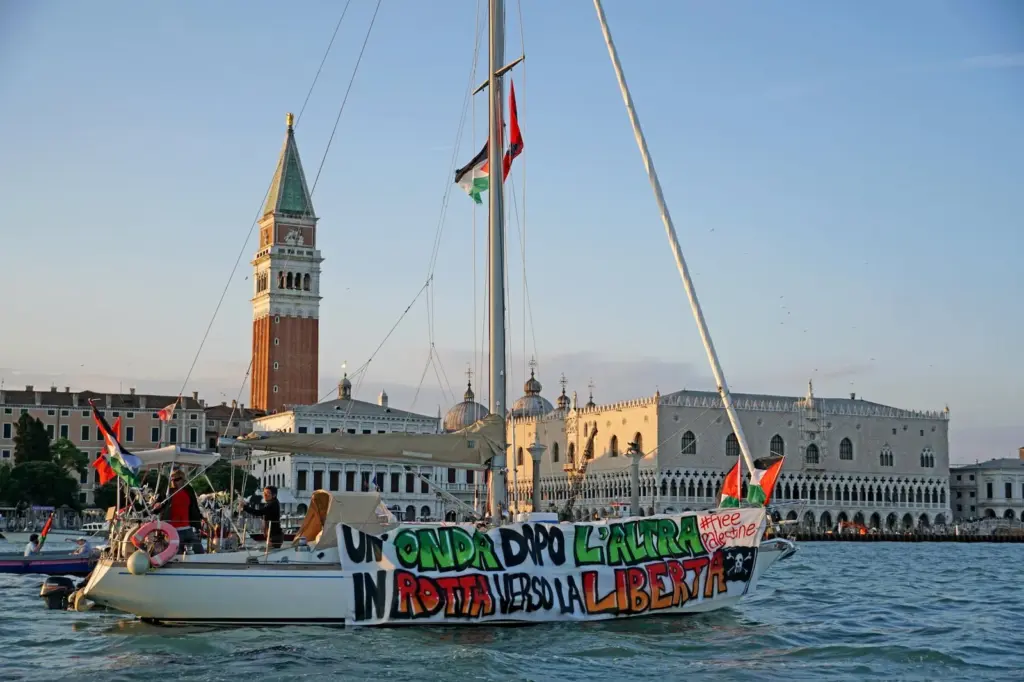
On board, daily life combines survival and activism. Food consists mainly of canned goods and vegan meals. Brands like Nestlé, Coca-Cola, or Sabra are avoided, as they are included in boycott campaigns for their alleged support of Israel. Participants have also been asked not to film food, as a sign of respect for the Gazan population affected by famine.
The passengers —many of them without prior sailing experience— organize themselves into shifts for cooking, cleaning, and covering night watches, while facing seasickness, fatigue, and anxiety about a potential Israeli interception or attack. For this purpose, the organization has distributed laminated sheets with emotional containment exercises, such as the “silent scream,” the “self-hug,” or gentle relaxation movements. Participants come from very diverse backgrounds: Latin American activists, European pilots, Malaysian Muslims who have lived in Gaza, aspiring captains from various countries, parliamentarians —mostly Argentinians, from anti-Milei factions— and, above all, children or grandchildren of Palestinians expelled from their lands.
Next moves
All vessels have been renamed after Palestinian towns destroyed during the Nakba. On one of these ships, the Sirius-Ramle, travels Carl Wahab, a 55-year-old American participating, motivated by the story of his father, who was expelled from that same city. “Our governments have failed us. The United States has blocked all attempts to bring Israel before an international court. I do this because my father is Palestinian, but also because I am human,” he says. His twin brother, who participated in the previous flotilla and spent seven days detained in an Israeli prison, is now following the expedition from the control center, where he monitors the journey using cameras installed on the stern of the boats to document a possible interception or attack.
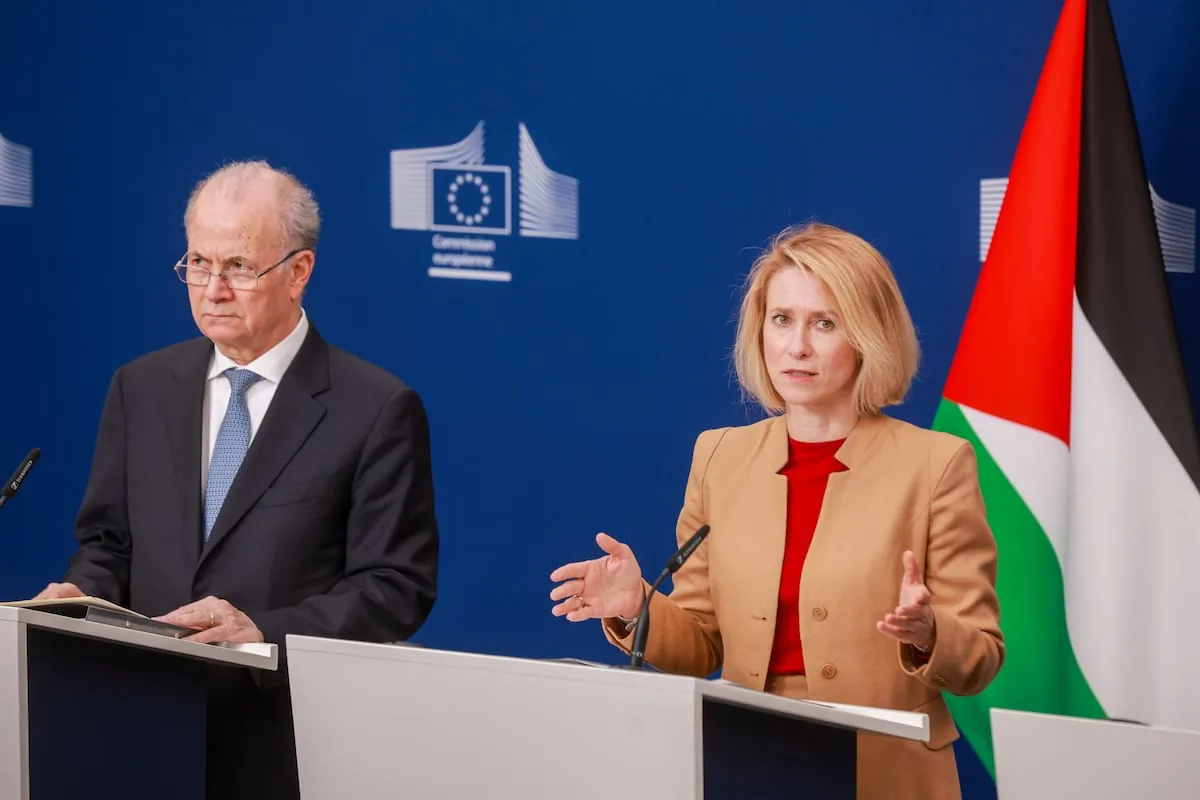
In parallel, the Global Sumud Flotilla has launched other initiatives: a land convoy destined for the Rafah crossing and a parliamentary congress in Brussels scheduled for April 22, where a proposal to establish an international supervised humanitarian maritime corridor will be debated. Meanwhile, the flotilla has evaluated its next moves after arriving in Italy, including a possible stopover in southern Turkey or an attempt to sail directly to Gaza.
Read more FBI director sues ‘The Atlantic’ magazine for $250 million for calling him a drunk