






Books of pieces not intended to be part of any compilation are often published: collections, miscellanies, and recipe books. Here is the example of Rascaparets (Galàxia Gutemberg), by Julià Guillamon, in which the author gathers and refines previous columns and produces a memorable book of short stories. Or here is La dolçor de viure (LaBreu), by Joan Todó, a selection and polish that give new life to already published texts, a more atmospheric perspective, and an anthological existence.
Read more Chess analysis | Barceló, 9 years old, wins his 4th medal in four months
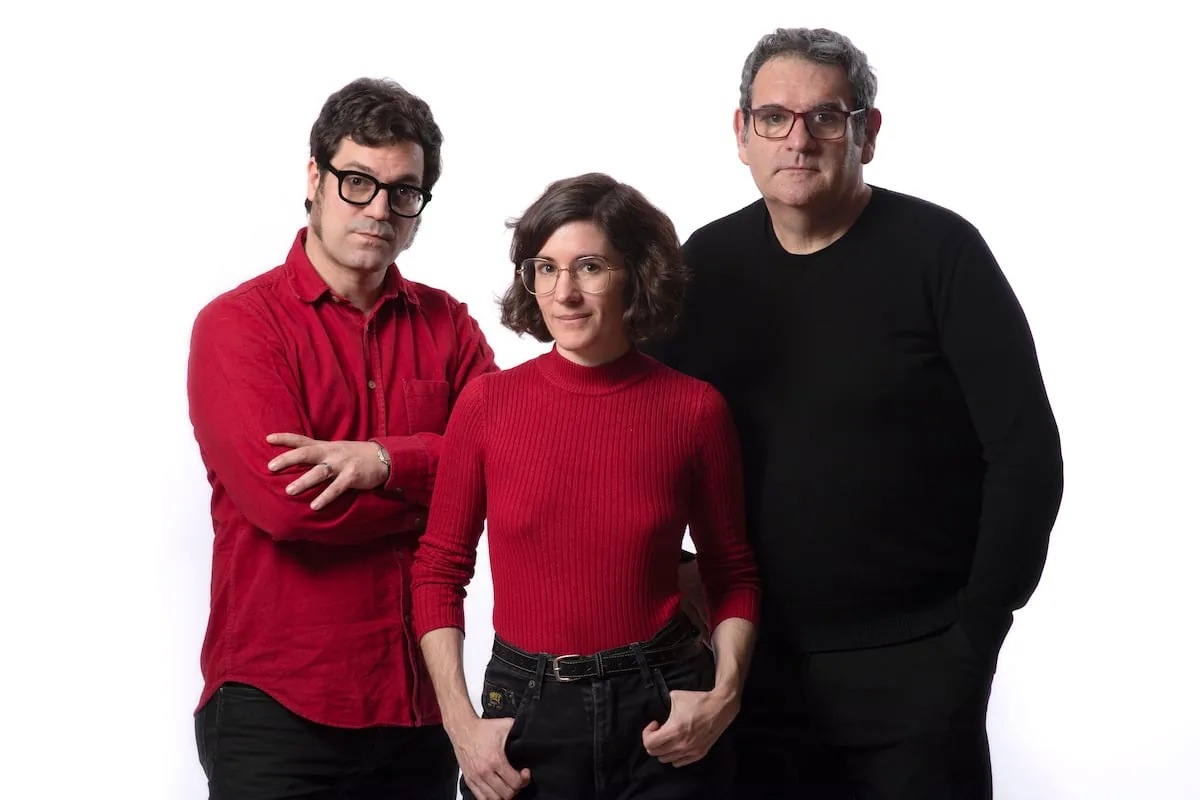
Last month, one of these books was published, one of those that revive, fix, and bring together a series of stories born, in this case, on the radio. It is Sembla mentida (Quaderns Crema), and it is signed by Miqui Otero, Irene Pujadas, and Jordi Puntí. The prologue is by Sergi Pàmies, and it explains that, some time ago, Roger Escapa, director of the program El suplement on Catalunya Ràdio, wanted Jordi Puntí to collaborate more. The writer and the presenter will have a brilliant idea: listeners send voice notes with anecdotes, shocking stories, and Puntí, Pujadas, and Otero transform them into short stories that they will then read on the radio.
Father of the contemporary Catalan short story, Pere Calders accustomed readers to a cocktail of intelligence, amenity, and humanism, but we must not deceive ourselves: crafting a story in which an Egyptian sarcophagus is found in a farmhouse in La Garrotxa, one that is credible and at the same time an ardent fiction, that goes down like a sip of water and incidentally leaves the taste of having touched a special matter, this is within the reach of few writers. It is, in any case, within the reach of Otero, Pujadas, and Puntí.
In Sembla mentida, interspersed, all three authors brush with excellence. Let’s repeat it, the formula is magnificent, fresh, oral. We imagine them receiving notes from listeners, each choosing the one they like best, the themes are more universal than love and death, and then each one gives birth to a story inspired by real events, yes, but it is a story that mutates, like the uncle’s adventure, yes, that of the squid he caught in 1987, a cephalopod that every time he tells it grows a handspan, takes on monstrous, epic forms, and today, this coming Christmas it will already be a kraken.
Miqui Otero (1980) offers us stories in a very Catalan tradition, in the sense that they are populated by relative losers, in the style of many of Quim Monzó’s narratives. The looser does not emerge victorious from any vital obstacle, of course, but illuminates the human con(tra)diction wherever he goes and, more importantly, levels us as a species. Furthermore, playful as he is and seasoned in pop culture, Otero combines localism very well with global shifts, the source of so many humorous misunderstandings.
Irene Pujadas (1990) is a writer gifted for hilarious flash fiction, but she also knows how to combine it with a recognizable foundation: the reality of ordinary people and their earthly, everyday philosophy. At certain moments, she recalls the most story-telling Francesc Trabal, equally rooted and Martian, or the most irreverent, tropical, and cunning Ramon Vinyes. Pujadas’s pieces are those we would want every good friend to be able to recite at any after-dinner conversation, because they are the ones that remind us that we are alive.
And Jordi Puntí (1967), the most veteran, gives us his wise gaze, like living ash, of a born narrator and seasoned reader, and gives us round, sharp, and multilayered stories that reconcile us with life. They recall the forgotten mastery of Àngel Ferran who, having tasted the passage of time, knew how to look at the world with a mixture of good nature, critical spirit, and, above all, clairvoyance. Puntí is a very good storyteller, because he would never tire of it, full of craft, and that is to be appreciated.
Read more The United States and Iran are nearing positions for a new round of talks, despite the cross-attacks
Sembla mentida is a very good book.
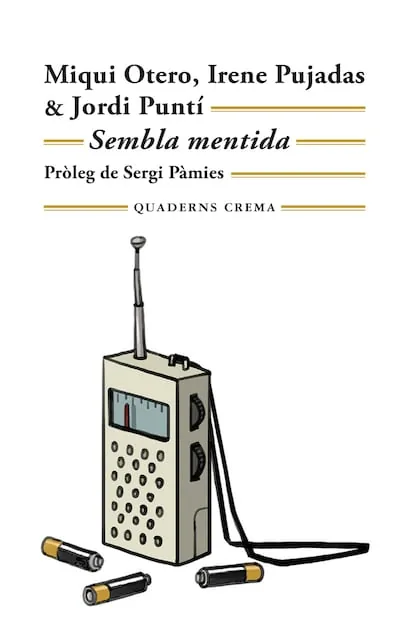
Sembla mentida
Quaderns crema
192 pages. 16 euros