








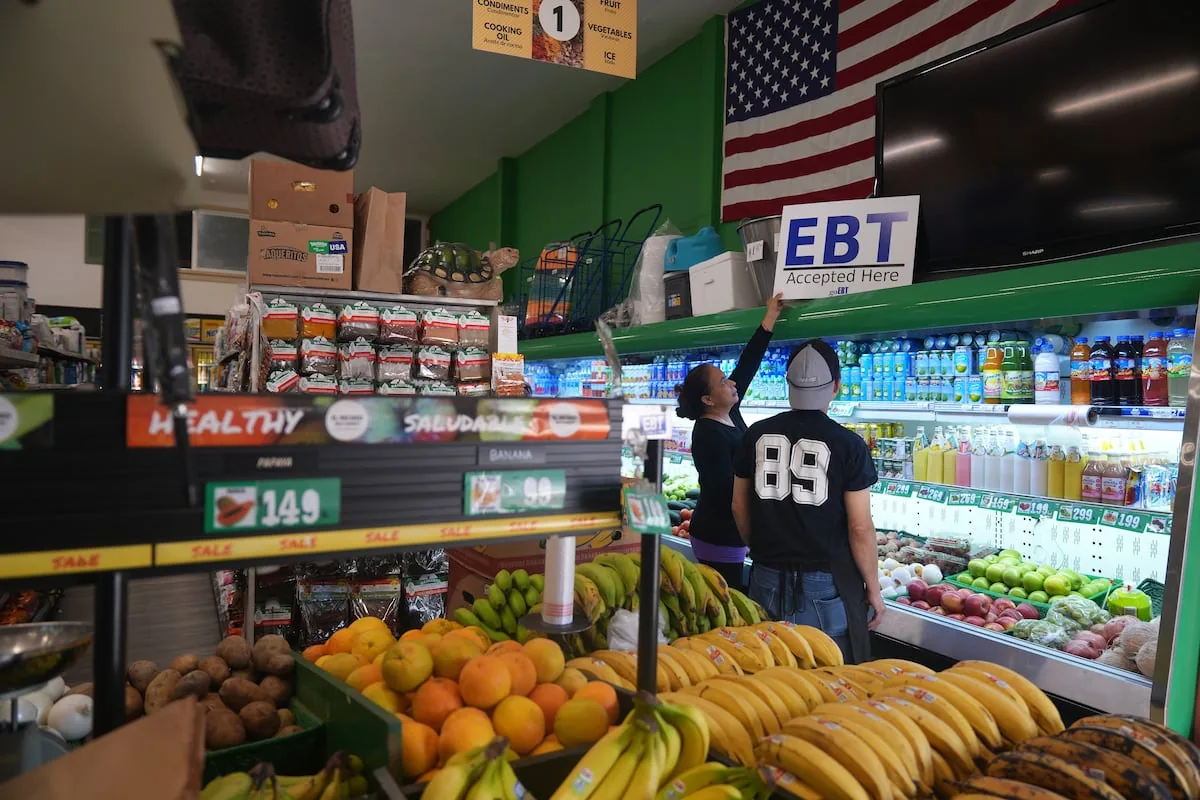
Starting this Monday, April 20, the Supplemental Nutrition Assistance Program (SNAP) in Florida begins a new phase with the implementation of rules that seek to transform the shopping habits of its beneficiaries. The State has restricted the use of these funds for the acquisition of soft drinks, sweets, and ultra-processed desserts, focusing resources on options with higher nutritional value, which may sound positive, but at the same time can represent a problem due to the costs of healthier foods.
Read more Otero, Pujadas and Puntí: three great contemporary short story writers
What are the changes to SNAP?
SNAP beneficiaries in Florida will no longer be able to check out with soft drinks, energy drinks, candies, or long-lasting ultra-processed desserts. Well-known brands like Coca-Cola, Pepsi, Monster, or Red Bull, as well as sweets from Hershey’s or Skittles, have been excluded from the system. Even mass-consumption products like Twinkies or Oreo cookies are now prohibited items for those who depend on this aid.
However, the regulation allows for certain gray areas that, in theory, seek to encourage less harmful alternatives. Sports drinks like Gatorade, sparkling mineral waters, and juices with more than 50% fruit or low in sugar remain eligible products. In fact, products like granola bars, Pop-Tarts, and freshly baked breads from supermarket bakeries will continue to be allowed, which has raised questions about the nutritional consistency of the list.
Health as a Political Argument
This transformation in Florida is the spearhead of the federal initiative “Make America Healthy Again” (MAHA, Let’s Make America Healthy Again), a movement driven by the director of the Department of Health, Robert Kennedy Jr., which seeks to reverse decades of chronic diseases linked to diet.
Florida thus becomes one of 22 states that, with Washington’s approval, seek to “align SNAP with its original purpose.” For proponents of the law, taxpayer money should not incentivize the consumption of sugars that collapse the healthcare system.
Read more Chess Analysis | Barceló, 9 years old, achieves his 4th medal in four months
Criticism
For social advocacy organizations, the measure is a “micromanagement” of poverty that does not solve the underlying problem: the price of healthy food. Joel Berg, CEO of Hunger Free America, told Fox 13 that the ban is a punishment for the lack of affordable options: “It’s not that low-income Americans don’t want healthier foods; it’s that they can’t afford them. We should make America a healthier country by making healthy foods more affordable, practical, and easily accessible. We shouldn’t micromanage adults’ eating habits to try to achieve that goal.”
Cindy Huddleston, an analyst at the Florida Policy Institute, told WLRN about the change: “It blames participants for something beyond their control, which is having sufficient benefits to be able to buy healthy food at every meal, and what is needed is an increase in benefits, not finding ways to make it harder for people to buy.”
The Next Cut: From SNAP to the WIC Program
Pressure on families intensifies with the parallel announcement of cuts to other pillars of social assistance. While SNAP restricts processed foods, the government has proposed drastically reducing the budget for fruits and vegetables in the WIC program, intended for mothers and children. According to data from Hunger Free America, these cuts could withdraw $1.4 billion in fresh produce benefits from over five million people.
This double pressure—the prohibition on one side and the increased cost of access to healthy options on the other—puts local food banks in a critical situation. Lorena Hardwick, from Feeding Tampa Bay, told WUSF that the reality for many will be the loss of small daily pleasures without a real alternative at the table.