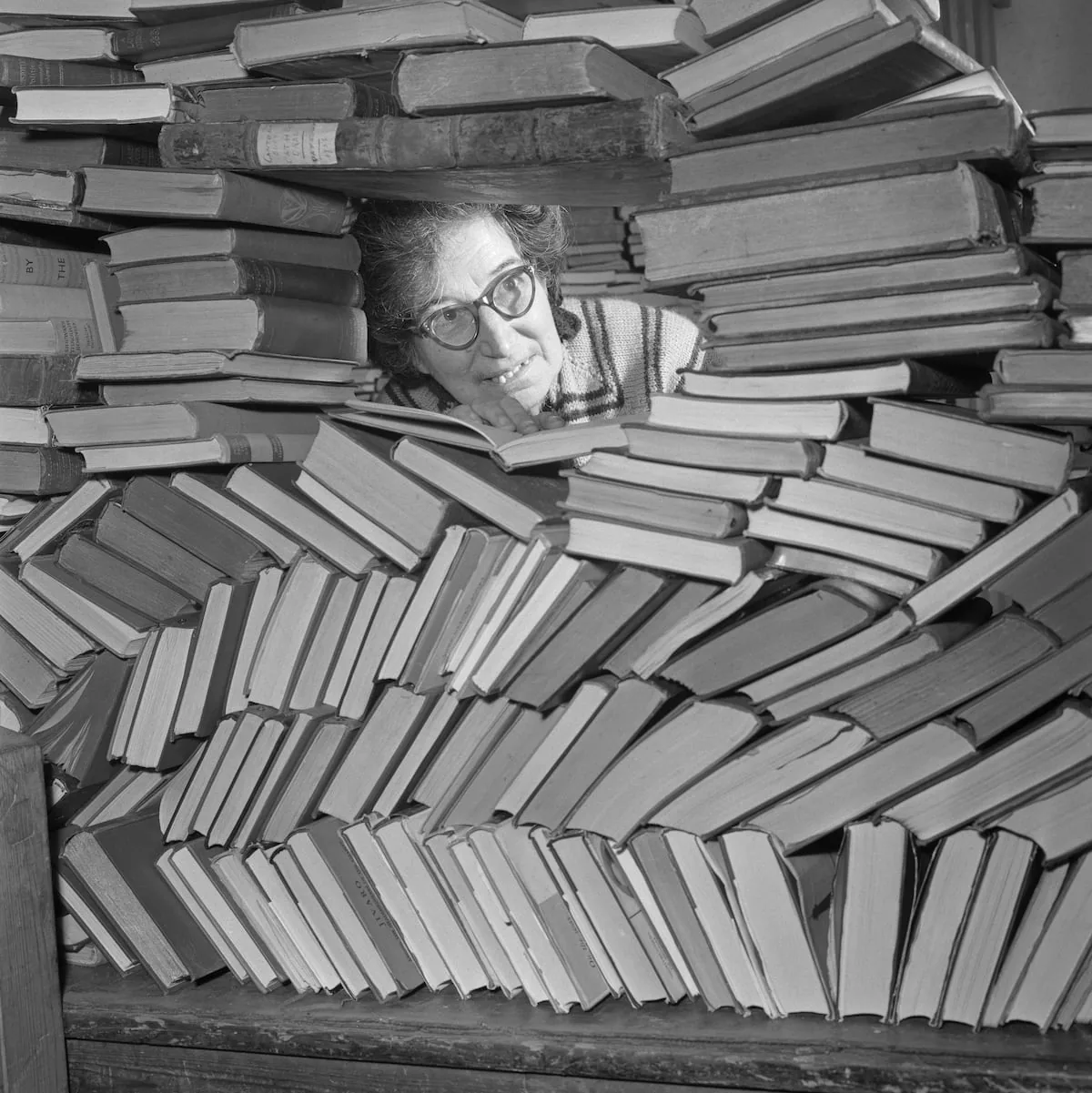






Science assures us that reading doesn’t cure diseases, but it helps a lot to face life in times of wars, anxiety, stress, and everything else that happens to us. As Nuccio Ordine says in his essay The Utility of the Useless: “Nourishing the spirit can be as important as feeding the body,” and some studies prove him right. As Enrique Alpañés reported in this article, according to a review of five studies published in 2023, reading fiction can positively influence mood and well-being.
With this premise and to celebrate Book Day, we have asked our readers to share with us those titles that make them feel better, that have made them smile, or to which they always return when they need to find light on a gray day. They have sent them to us through the EL PAÍS Libros Instagram account and the Correo Sí Deseado newsletter, a bulletin that selects positive and useful news every week. These are some of the recommendations we have received:
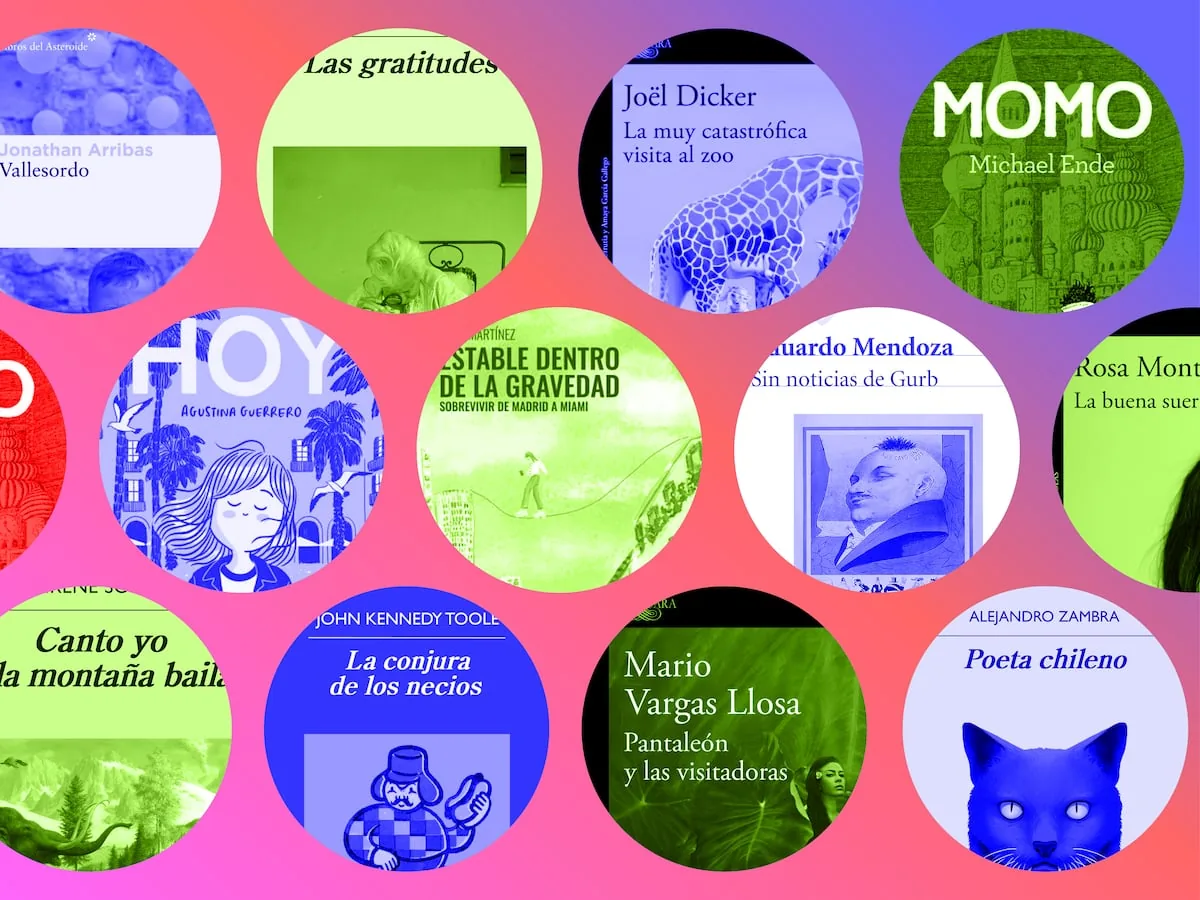
Readers’ favorites. This year, the book most chosen by readers has been Joël Dicker’s Very Catastrophic Visit to the Zoo. As Carlos from Guernika told us, it’s a fresh and fun novel, but at the same time, “it has a very intelligent way of showing us what the society we live in is like,” Elena highlights. Also among the most mentioned were Stable Within Gravity (Neus Martínez), Chilean Poet (Alejandro Zambra), or The Gratitudes, by Delphine de Vigan, because as Diego from Huelva writes to us, “you always have to give thanks and know how to enjoy life and friendships.” A special mention goes to No News from Gurb, because once again, when we ask for books that put people in a good mood, readers always remember the story of this alien in pre-Olympic Barcelona.
Books that make you feel peace. Many times, when we read, we are not looking for good humor, but rather to find a refuge that makes us feel better. And that’s what Daniele found, for example, in I Sing and the Mountain Dances, by Irene Solá: “It’s not a book that makes you laugh, but it makes me feel at peace.” Something similar happens to Carla with 84, Charing Cross Road, by Helene Hanff, which comforts her every time she reads it. Cecilia highlights “the beauty of the everyday” in Games of Late Age by Luis Landero, and Carmen tells us about the good taste and feeling of love and affection that Good Luck, by Rosa Montero, left her.
Books that explain the world to you. We live in a complicated world. Every morning we wake up to news of wars, murders, and many things we don’t understand. To try to understand it, our readers have recommended some titles such as Life as Told by a Sapiens to a Neanderthal, by Juanjo Millás and Juan Luis Arsuaga, which explains existence through humor and kindness; How to Lose a Country, a manual of resistance against fascisms, populisms, nationalisms, and dictatorial temptations of governments; Surely You’re Joking, Mr. Feynman!, by physicist Richard Feynman, which makes Laura feel good because “it extols the importance of a sense of humor in one of the most serious jobs that can exist,” or The Mystery of the Yeonnam-dong Laundry because, as Iría Elena told us, “although the world sometimes seems so cruel, the humanity of people shows you that it is not.”
Read more The CEO is content
Books to face bad times. In addition to the world’s problems, each of our readers has personal problems that make them cling to books that explain or encourage them. Patty, from Mexico, recommends The Other Side of the Road, by Maya Shankar, because it made her feel that there was light in the face of her problems. Sergio suggests Things the Grandchildren Should Know (by Mark Oliver Everett), because it turns “tragedy into fuel for optimism.” Finally, Blanca has recommended (and we also highly recommend) Killer Bodies, by our colleague Miriam Ruiz, in which she recounts her medical process and, as Blanca says, “puts emotions into words and describes something as complex as illness very well.”
Books to return to childhood. Many times we find peace by returning to our favorite place in the world or to a moment when we were happy. And for this reason, many readers return with their readings to transport themselves to the fantastic world of childhood. Luis has recommended Momo, a beautiful book about a girl who reminds us of something that seems obvious but that we sometimes forget: that what is important is within everyone’s reach, in simple things, in listening and sharing, and in being present. He adds, “this book is a refuge for anyone who has ever felt they live too fast.” María, from Ourense, recommends another children’s book, The Story of Mo, a Summer Day, by the Japanese Yeonju Choi, and recommends rereading it whenever you need a luminous story. And another recommendation, from Lucía from Madrid, is Vallesordo, by Jonathan Arribas, which is not a children’s book, but tells the story of Nico, a 10-year-old boy who lives in a village in Zamora and is “tender, endearing, and makes you relive your childhood.”
Books to laugh with. Although, as we said, books that make us feel good don’t necessarily have to be humorous, many readers have remembered readings that made them burst out laughing. One of the most recommended has been A Confederacy of Dunces, about which Lucía says that “rarely have I cried with laughter with a book despite having the most despicable protagonist in the world.” But many readers have recommended other books to laugh with: Captain Pantoja and the Special Service, by Mario Vargas Llosa; Órdago: The Cinquillo Gamers (Rocío A. Gómez Sustacha); the complete works of Jardiel Poncela; the hilarious People Who Come and Go, by Laura Norton; or another of the most recommended, My Family and Other Animals, by Gerald Durrell.
You can find all the recommendations we have received in this search engine:

You can receive Correo Sí Deseado for free in your email every week by signing up here.
Read more Ecosocial transition and immigration: a little-explored opportunity