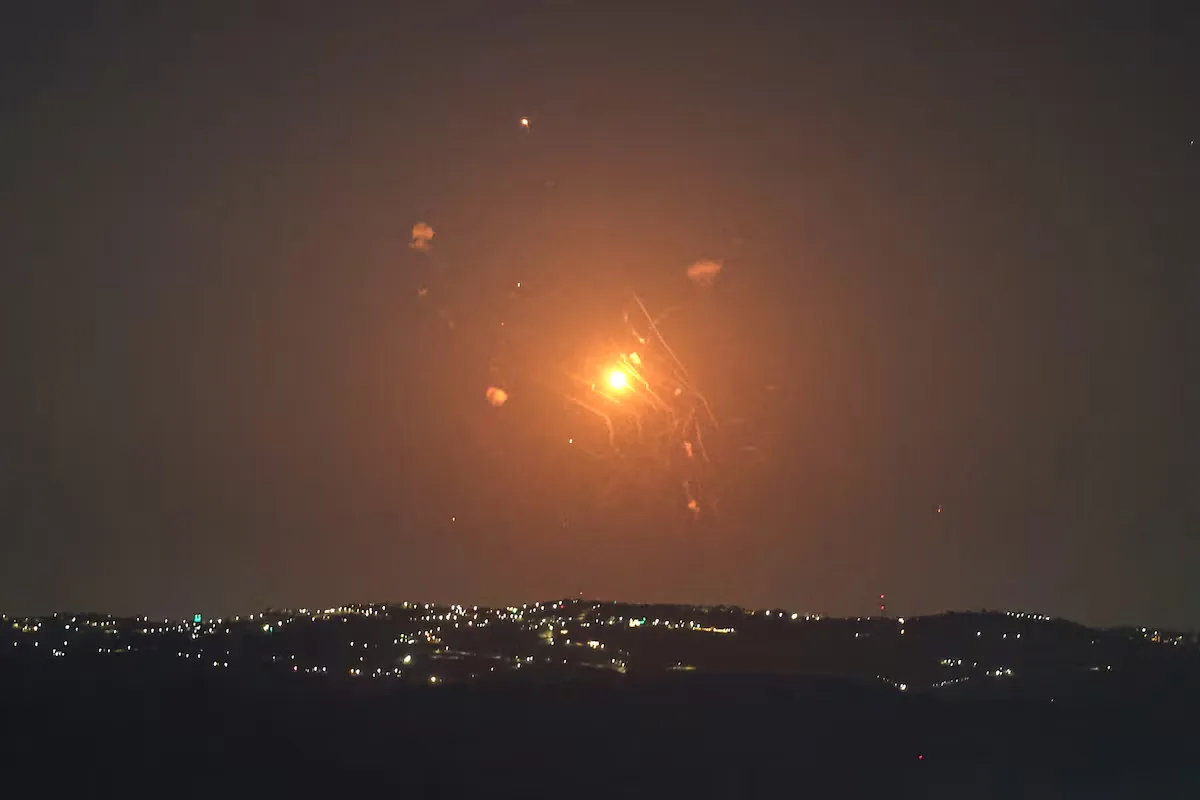





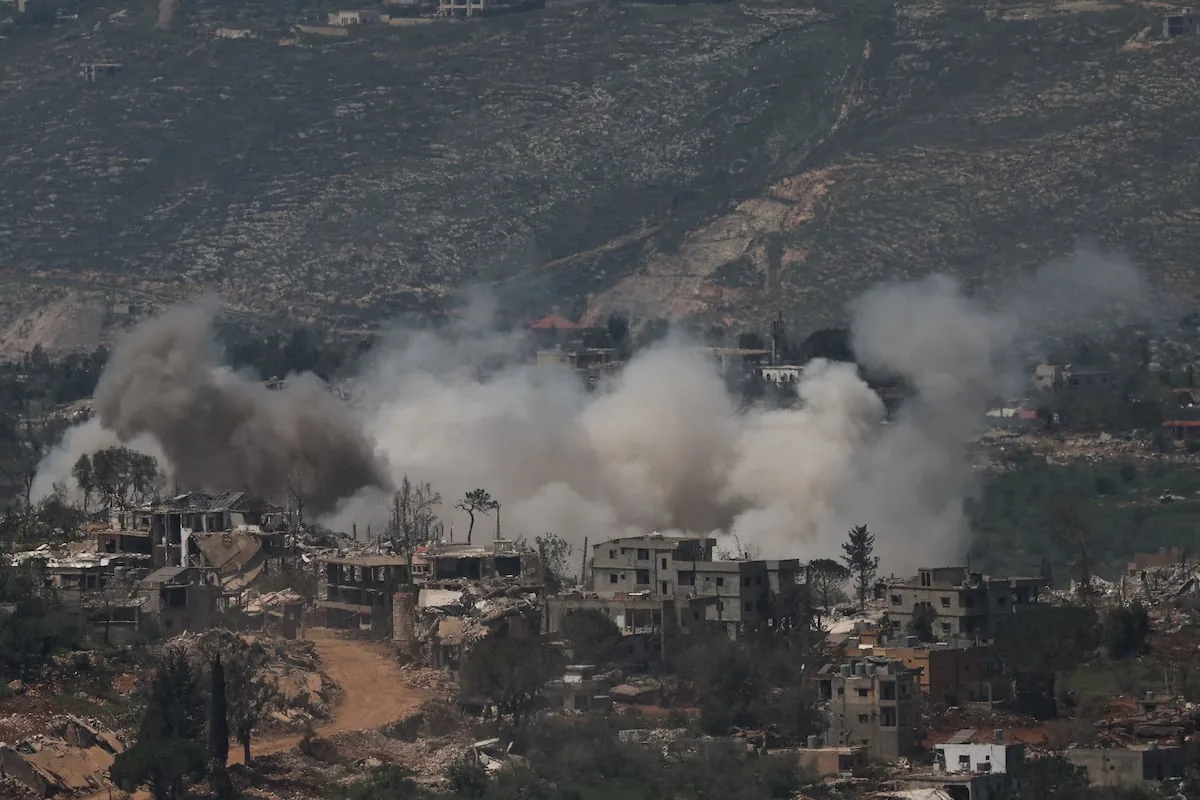
The Israeli army bombed the Beqaa Valley in eastern Lebanon this Monday. It is the first time since the 16th, when a fragile ceasefire with Hezbollah began, which increasingly resembles an open war. Since Sunday, the Israeli offensive has caused more than twenty deaths in Lebanon. The first days of the truce significantly reduced the pace of Israeli attacks, but the exchange of fire has been growing, with Israeli Prime Minister Benjamin Netanyahu ordering “strong” bombings and Hezbollah leader Naim Qasem assuring that he will continue fighting “to respond to Israeli aggression.”
Read more Justice archives the case of the three Mossos investigated for Puigdemont’s escape
This Monday, while Lebanese health authorities raised the death toll in the war in Lebanon, which began on March 2, to 2,521, the Israeli military aviation launched a wave of bombings in Beqaa, one of the three points with the highest Hezbollah presence, along with the south of the country and Dahiye, on the outskirts of Beirut.
Israel has not bombed the capital for two weeks. A few days earlier, it reacted to the truce agreement between the US and Iran with a brutal attack in Dahiye to make clear its rejection of applying the ceasefire in Lebanon. The aggression, which was part of a nationwide offensive with 160 bombs in 10 minutes, killed more than 300 people in Lebanon.
Donald Trump then demanded that he slow down and exempt the capital, which is why he has since focused the bombings on the south and, above all, the systematic destruction of villages in the first border strip. It is almost 6% of the country with 55 villages where, as it did in Gaza, the army is using private contractors to demolish infrastructure, including all houses, so that only a handful of Christian localities remain standing.
Israel’s Foreign Minister, Gideon Saar, accused Hezbollah this Monday of “undermining” the ceasefire with its attacks. In recent days, with the escalation in the exchange of fire, the militia has resumed its rockets and drones against northern Israel, after an initial few days more focused on ambushes against troops. In a meeting in Jerusalem with the United Nations Special Coordinator for Lebanon, Jeanine Hennis, he estimated around 10,000 rockets, missiles, and drones launched by the militia against Israel since March 2, when the pro-Iranian group reopened the front against Israel, according to a statement released by his office.
No alternative to war
Hezbollah reiterated on Monday its rejection of a ceasefire that allows Israel to launch attacks on Lebanon. In a speech broadcast by Al Manar television and Al Nour radio, media affiliated with the Shiite movement, the organization’s secretary general distanced Hezbollah from the diplomatic process that the Lebanese government has initiated with the Israeli one, and suggested that the militia will keep its weapons raised until the Israeli army disappears “from the last inch” it occupies in a border strip in southern Lebanon.
Read more Albares defends in Puerto Rico the recognition of Spanish as a native language of the US
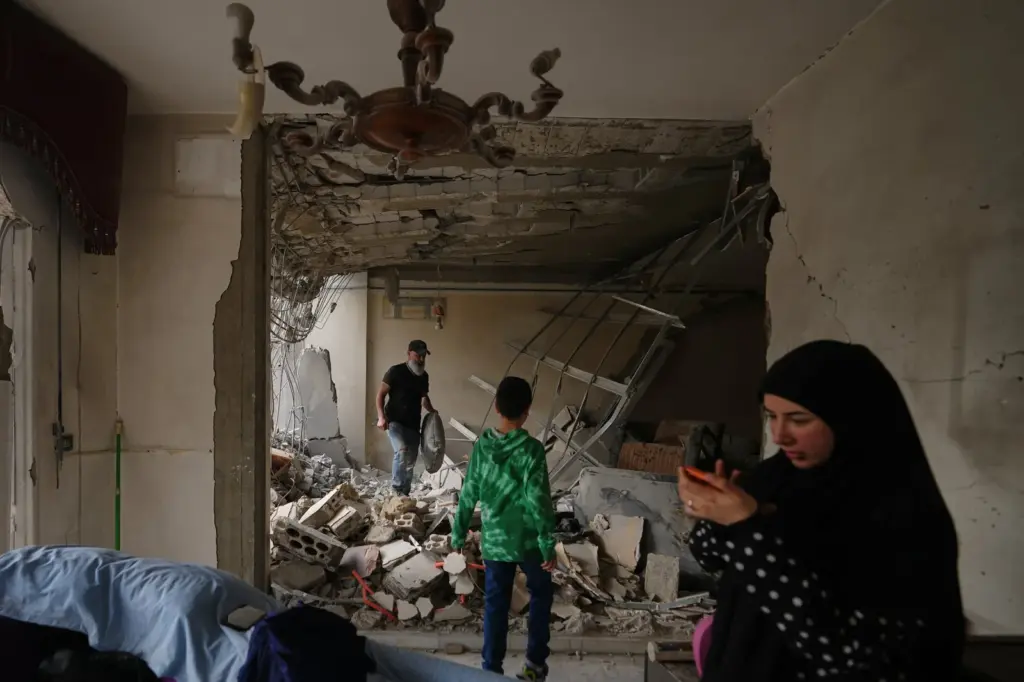
Hezbollah’s warning comes amid the resurgence of cross-border attacks. After adhering to the truce during the first days of the cessation, the militia resumed hostilities against Israeli troops in Lebanon —killing one soldier and wounding six others— and against communities in northern Israel, after confirming that the Israeli army avails itself of the freedom of action guaranteed by the cessation.
The attacks in Lebanese territory, which Israel links to militia targets, have caused the highest number of fatalities in recent hours since the start of the fragile truce. This Monday, a missile in Souaneh, a municipality five kilometers from the border, killed two people, including a woman, and wounded four others —all, from children to grandparents, from the same family—. On Sunday, the Ministry of Health registered 14 fatalities, the deadliest day during the cessation.
While Beirut tries to end the war at the negotiating table and the south is once again emptying of civilian population, Hezbollah, which warned on Sunday that international conventions allow it to respond to Israeli actions, shows signs of preparing to take the confrontation to the next level.
This Monday, a “military leader” of the organization reportedly told the Qatari media Al Jazeera, on condition of anonymity, that the group will activate suicide squads to prevent the Israeli army from entrenching its presence in Lebanon. It will be, according to that source, “a return to the tactics of the 80s,” when Israel already occupied southern Lebanon for two decades in a project in which it got bogged down, with more than 600 soldiers killed. “Large groups of suicide attackers will be deployed in occupied southern Lebanon,” the militiaman warned. There, he anticipates, “they will confront enemy soldiers in the occupied villages.”
Read more The White House blames the “left-wing hate cult” for the attack against Trump in Washington