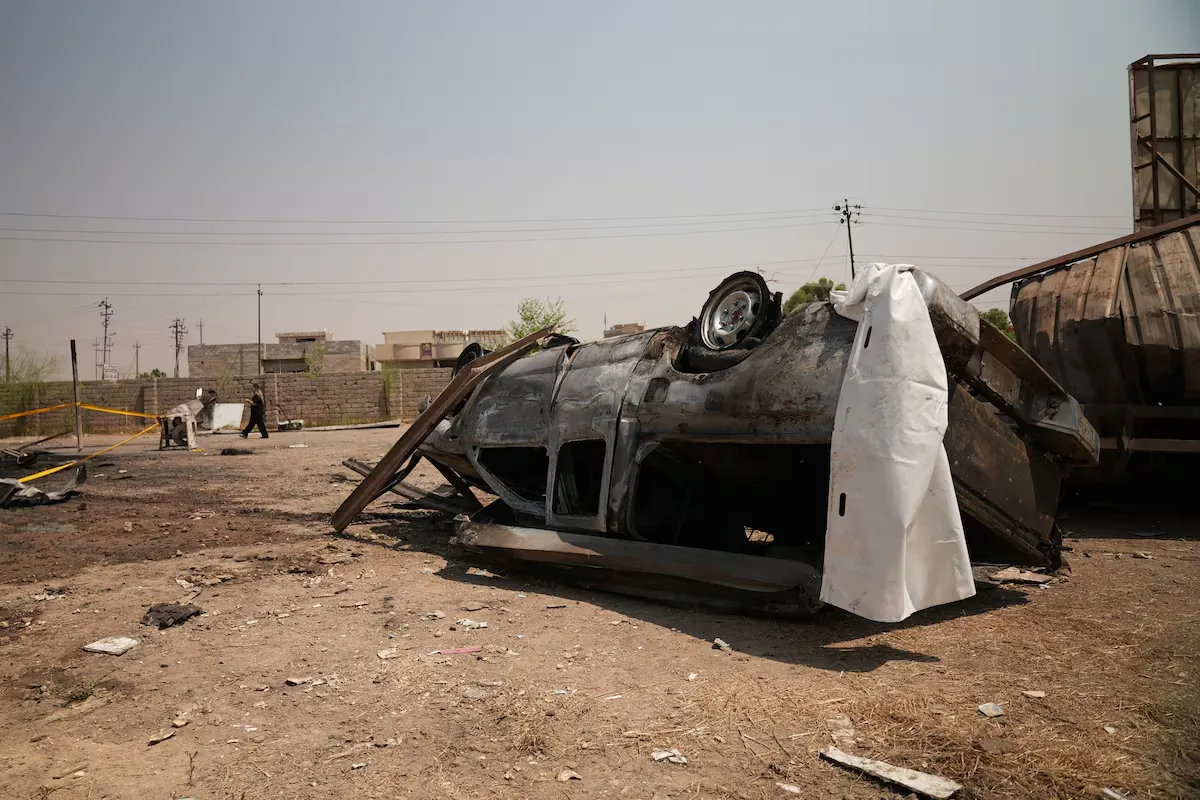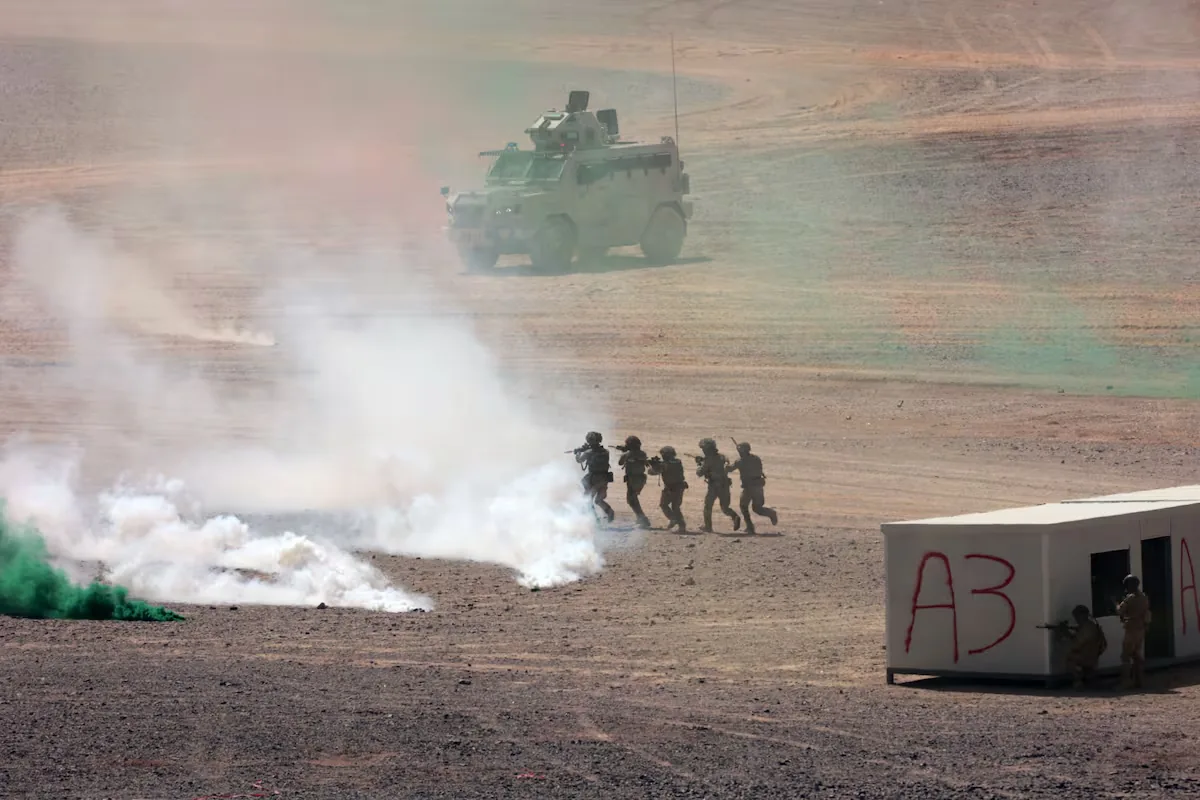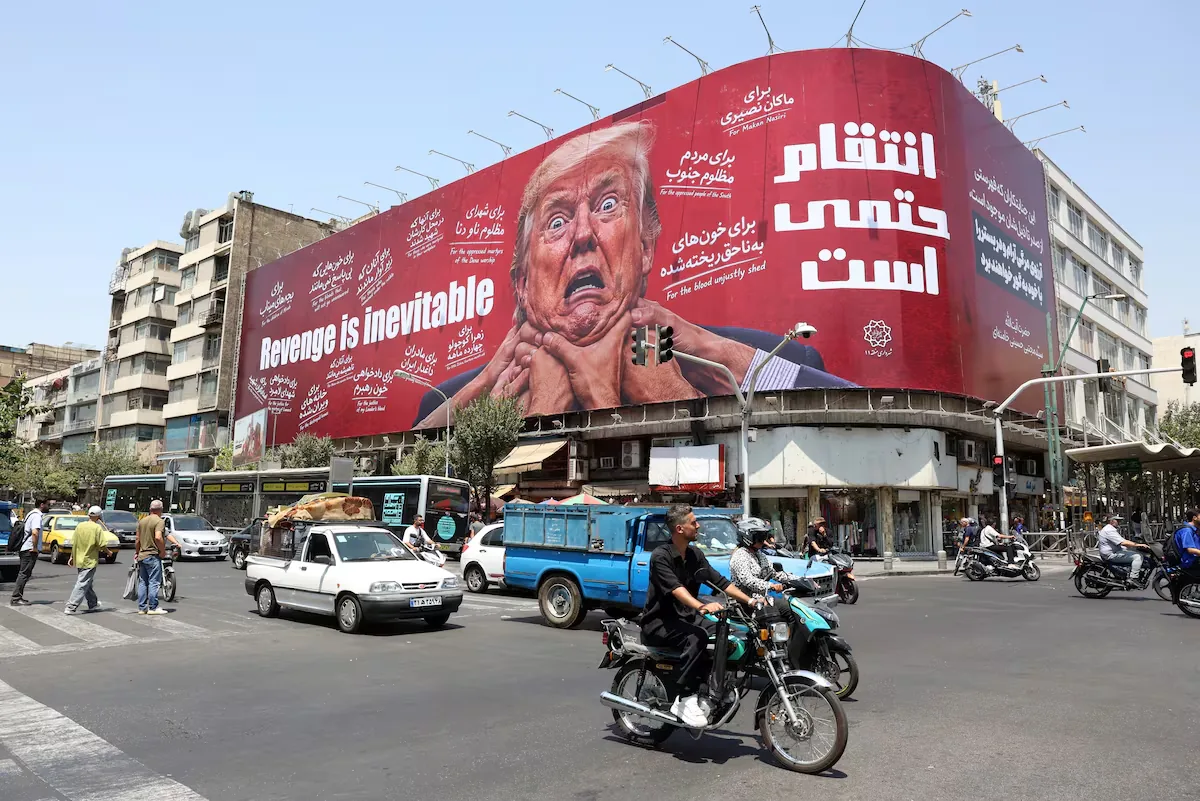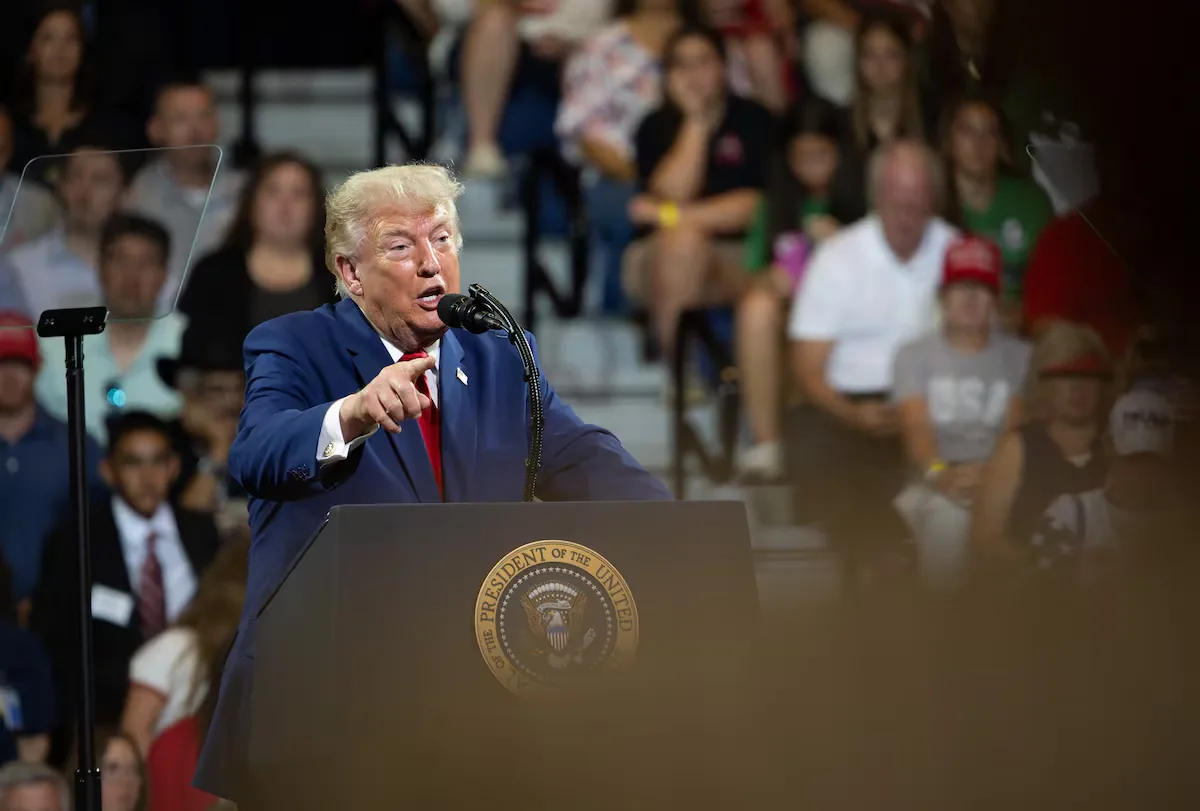









Neither fighting nor ceasefire. The US-Israeli offensive against Iran has become Schrödinger’s war, as this week marks 60 days since the conflict began. The only certainty is that the current limbo is prolonged. Negotiations are stalled, Iran shows no signs of yielding to pressure, and President Donald Trump is preparing for a prolonged closure of the Strait of Hormuz.
Read more Microsoft earns 31% more in nine months with the market on edge due to the AI boom
Trump has made it clear that, for now, his option is to prolong the US blockade of Iranian ports, convinced that Tehran is beginning to suffer problems even in storing its crude oil as it cannot export its petroleum. “The blockade is, in a way, more effective than bombings. They are choking like a stuffed pig. And it’s going to be even worse for them,” he warned this Wednesday in an interview with the digital outlet Axios. And he repeated what the United States claims is its main goal in the conflict: the Iranians “cannot have a nuclear weapon.”
The US president appears defiant. Early this morning he posted a message on social media in which, alongside an AI-generated image of himself armed and wearing dark glasses, he warned Tehran that “they better wake up soon.” He added: “They can’t behave coherently. They don’t know how to sign a non-nuclear agreement.”
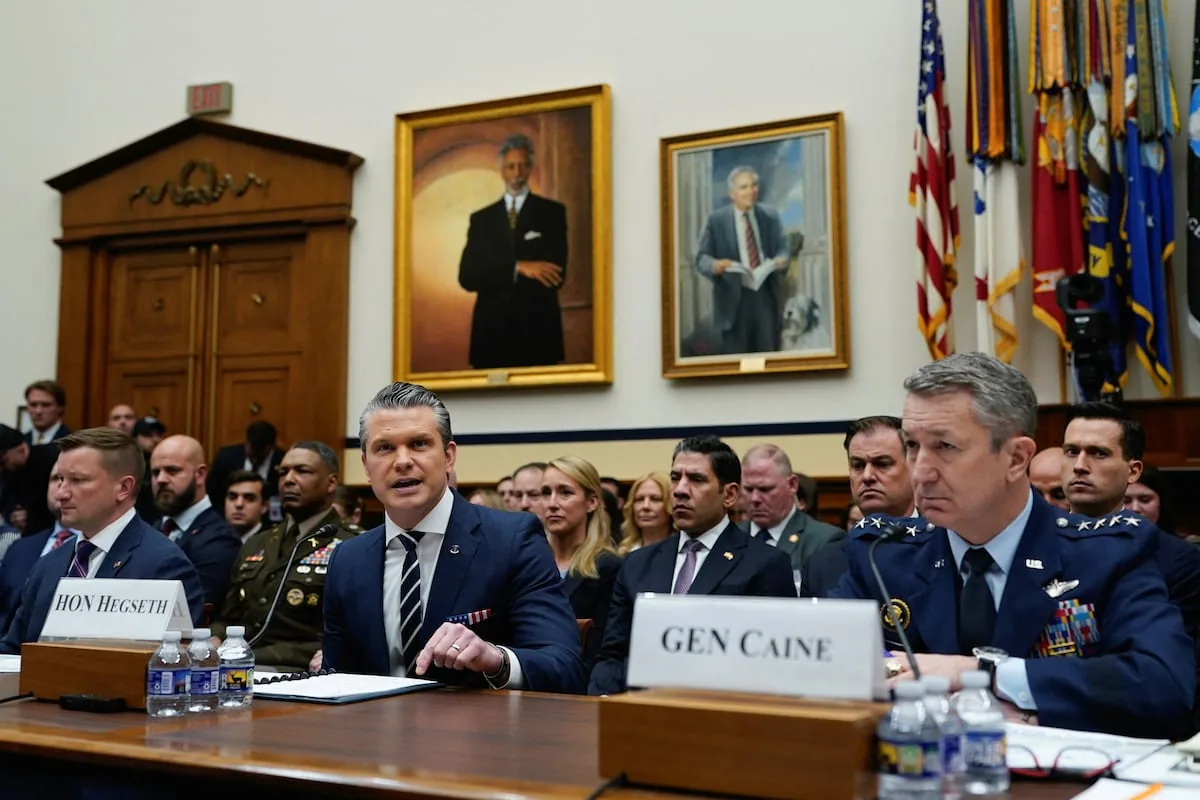
In his interview with Axios, he stated that the Islamic Republic “wants to reach an agreement. It doesn’t want the blockade to continue. I don’t want to lift it, because I don’t want them to have a nuclear weapon.” His Secretary of Defense, Pete Hegseth, defended the war in a congressional hearing: “We have barely been two months into an existential fight. I remind you how long we were in Afghanistan and how long in Vietnam.”
But the costs are mounting: in addition to the thousands dead in Iran —and 13 among US troops— there is the escalation in energy prices. Although the Trump Administration boasts that the United States is the world’s leading producer of gas and oil, the average price of gasoline is already the highest since the start of the war in Ukraine ($4.23 per gallon). Prices of fertilizers and other basic products are also soaring. The Pentagon’s accounting officer estimated military spending so far in the conflict at about $25 billion during a congressional hearing this Wednesday. Three aircraft carriers are already in the area and reinforcements continue to arrive, which will further increase that cost.
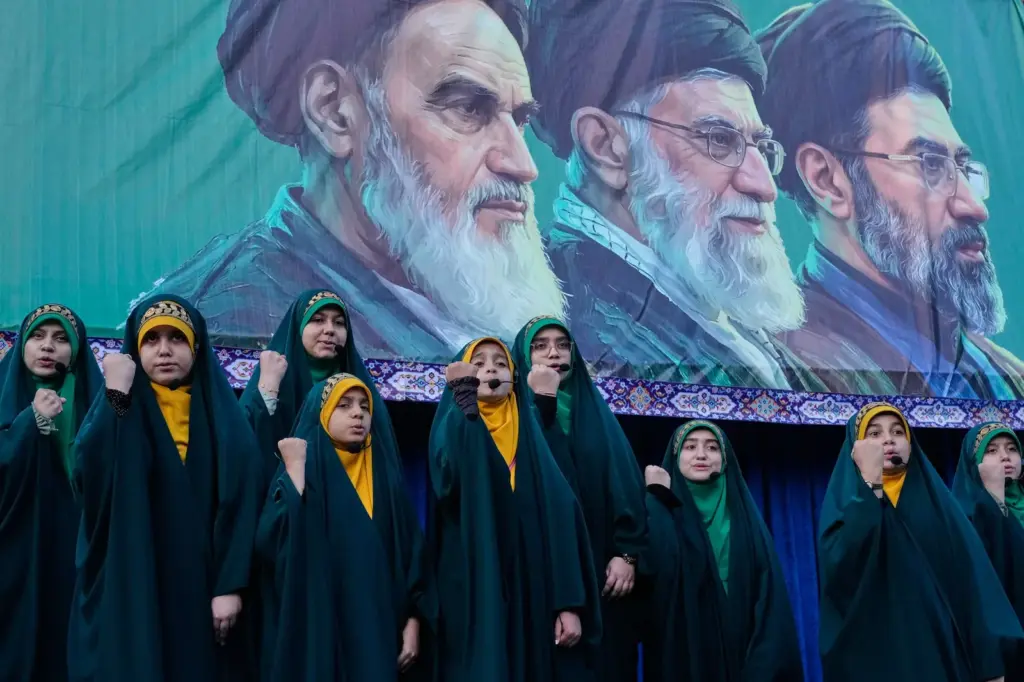
On Tehran’s side, the impasse and the blockade now also imposed by the United States equally accumulate consequences: it cannot sell its oil and its currency, the rial, trades at historically low levels against the dollar.
The popularity of the war in the United States, very low from the start, is plummeting. In mid-March, 38% of citizens agreed with the offensive, according to a Reuters/Ipsos poll. By the end of April, that figure had dropped to 34%.
Trump, for his part, continues the swings he has shown since the first attacks on Iranian territory were launched on February 28. One day he shows signs of weariness and seems ready to declare victory and end the conflict as it stands. Another day, he leans toward continuing sine die.
The president met on Monday in the White House crisis room with his national security team, who presented him with a series of options on how to tackle the blockade of the Strait of Hormuz, closed by Iran for two months and through which the United States also prevents passage of merchant ships authorized by Tehran, after negotiations under Pakistani mediation have so far led nowhere.
Among the options examined was the possibility of increasing or reducing the military deployment around the Persian Gulf or that US forces be more aggressive in their operations in the area, according to a senior US official who spoke to NBC television.
Trump also met with representatives of major oil companies on Tuesday, with whom he discussed possible new steps in the blockade of the strait and Iranian ports. This was the moment when Trump leaned toward continuing the closure “for months, if necessary.” In this meeting, organized by Treasury Secretary Scott Bessent, representatives from firms such as Chevron, Trafi, Vitol, and Mercuria participated.
The situation in Hormuz was not the only issue addressed at the meeting with executives, according to a White House source. Possible steps to mitigate the effects of the blockade and rising gasoline prices among US citizens were also discussed, as well as the situation in Venezuela’s oil sector.
Meanwhile, the future of the Pakistan-mediated negotiations remains uncertain, after last week’s fiasco when the anticipated second round in Islamabad did not take place. The Republican administration has shown little enthusiasm for Iran’s proposal to open the strait in three stages, without resolving the nuclear program issue.
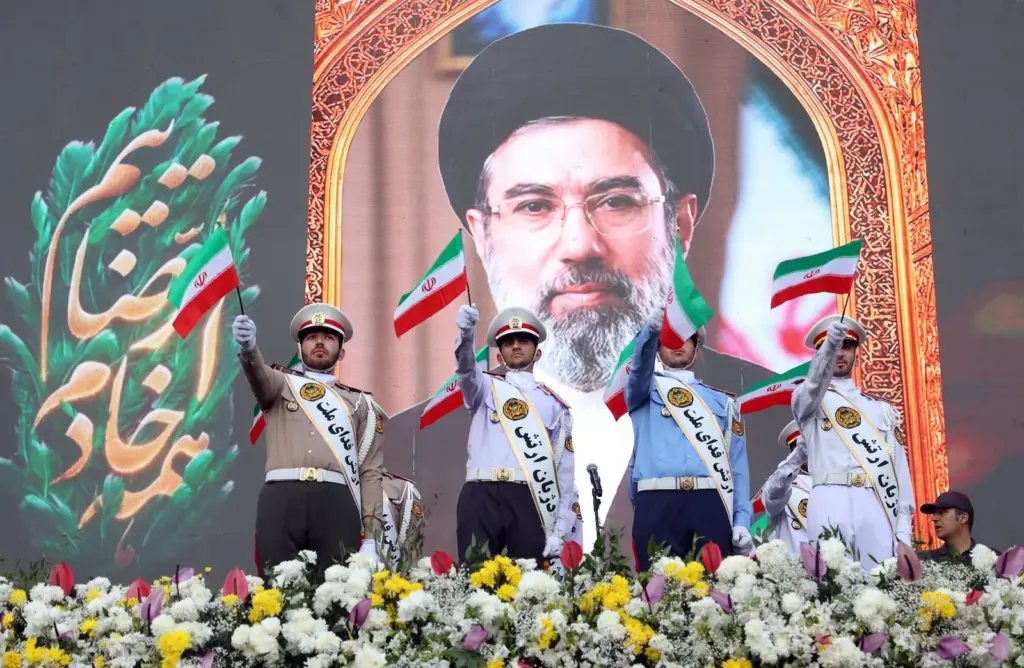
This Wednesday, Bessent insisted that the US government will increase its “maximum pressure campaign.” According to the Treasury Secretary, Iran loses $170 million every day the closure of its ports continues, and will eventually be forced to capitulate. So far, however, the theocratic regime has shown no signs of weakening. Its Foreign Minister, Abbas Araghchi, traveled to Moscow this week to meet with Russian President Vladimir Putin and celebrate “the depth and strength of our strategic alliance.”
“We are in a vicious circle in which both the United States and Iran believe the other is bearing the worst part of the current situation, and as a result, each is waiting for the other to surrender,” says Trita Parsi, co-founder of the think tank Quincy Institute for Responsible Statecraft.
Attempts by the Democratic opposition to impose limits on Trump in this war also seem to gain no momentum. Although this Friday will mark 60 days, the legal limit the Administration has to launch military operations abroad before being forced to seek Congressional authorization —the clock started the day the White House officially notified Capitol Hill of the start of bombings— all initiatives to approve a resolution requiring the president to adhere to the 1973 war powers resolution —whether in the case of Iran, Venezuela, or Cuba— have systematically failed. In none of these cases have Democrats managed to persuade a sufficient number of Republican majority legislators to pass them.
Read more Alphabet earns 81% more in the first quarter and fuels the frenzy for artificial intelligence