








Brazilian congressmen passed a law this Thursday that aims to considerably reduce the prison sentence of the far-right former president Jair Bolsonaro and others convicted of attempting a coup d’état. The bill was approved at the end of last year, but President Luiz Inácio Lula da Silva vetoed it entirely, arguing that it was unconstitutional and sent a dangerous message of impunity.
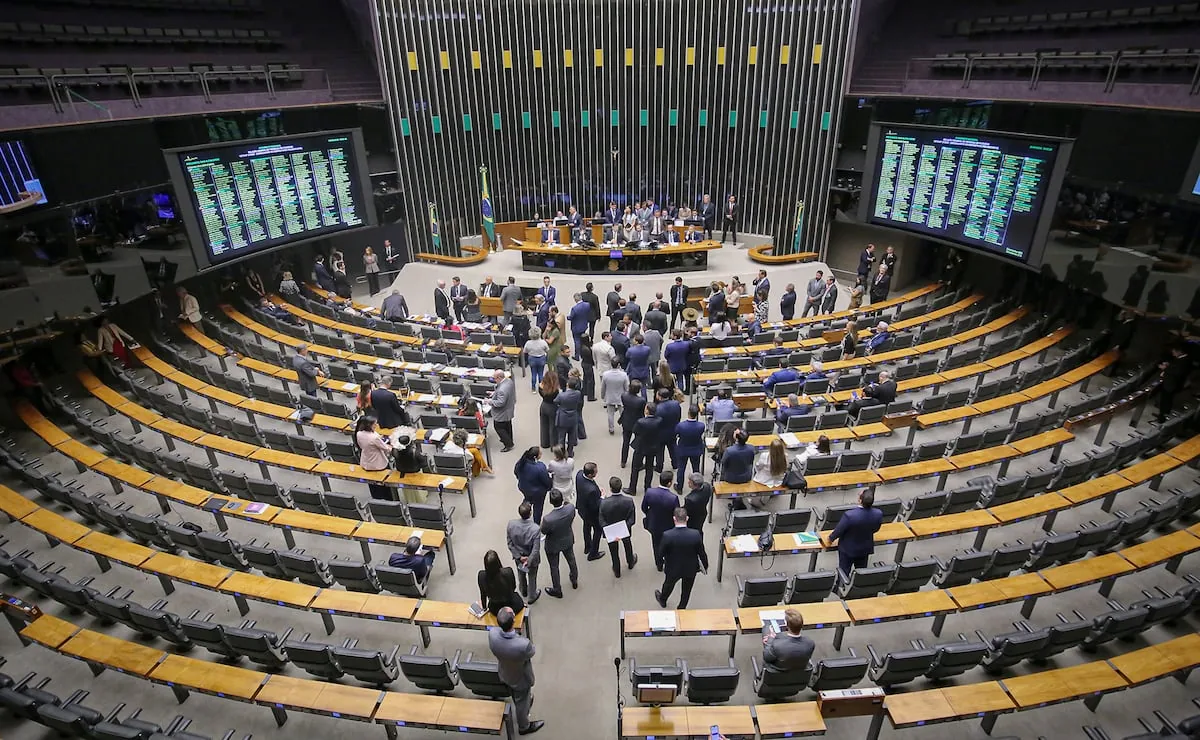
Now, the congressmen have just overturned Lula’s veto: 318 votes in favor and 144 against in the Chamber and 49 to 24 in the Senate. The wide margin confirms the poor state of relations between the Government and the conservative-majority Congress, just months before the elections. Now Lula has no choice but to sign the law for it to come into effect.
The new law is a tailor-made suit to benefit Bolsonaro, sentenced to 27 years in prison for leading the coup plot. He was convicted of five different crimes and began serving his sentence in November last year, although he has been under house arrest for health reasons for a month.
Alongside him, dozens of senior officials and hundreds of protesters who participated in the January 8, 2023 riots in Brasilia, when they invaded the Congress, the Supreme Court, and the Planalto Palace, the seat of the Government, were convicted. In principle, all of them will be able to benefit from the sentence reductions, although it is very likely that the new rule will end up in the Supreme Court, which will have to decide if it is constitutional.
The Government spokesperson in Congress, Senator Randolfe Rodrigues, indicated that the annulment of the presidential veto could be judicialized with the argument that crimes against the democratic rule of law are not subject to amnesty, pardon, or sentence reduction. During his speech at the podium, he lamented that the vote “continues a sad tradition in Brazilian history, the tradition of amnestying those who attack democracy.”
It is still unclear how the sentences will be reduced, as it will depend on interpretations, but various experts suggest that Bolsonaro could move to a semi-open regime within two to four years, and not in 2033 as previously planned.
The new text reduces the years of imprisonment because it prevents the addition of two crimes (violent abolition of the rule of law and coup d’état), establishing that only the penalty for the most serious crime should be applied. It also reduces the sentence by one to two thirds when the crimes occur in a crowd context, provided that the convicted person did not finance the acts or act as a leader. This specific point will benefit the hundreds convicted for the invasions in Brasilia.
The reduction of sentences had already been brewing even before Bolsonaro and his associates sat on the bench. Before the trial that would determine whether he was innocent or guilty began, the right was already stirring marches in the streets demanding forgiveness and forgetting. There were also significant mobilizations from the left in the opposite direction.
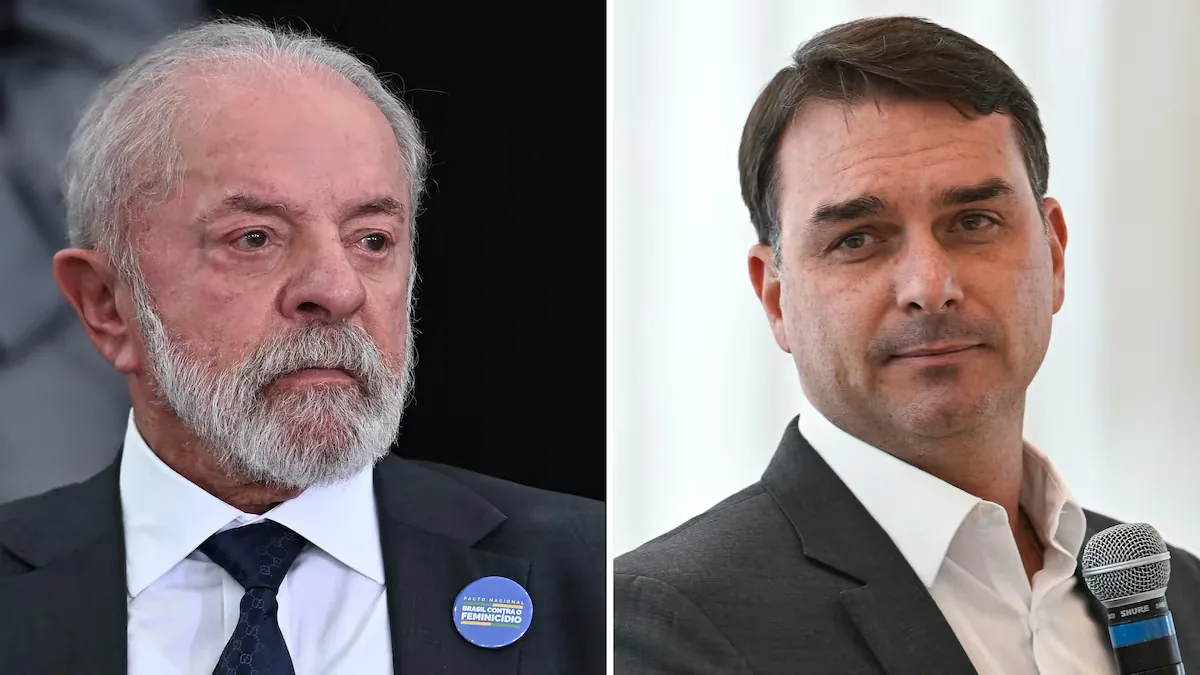
Alerted that a complete clean slate would not be viable, the hard core of Bolsonarism chose to lower their ambition and bet everything on a sentence reduction. However, a full pardon remains on the horizon and is one of the promises of his son, Senator Flávio Bolsonaro, if he comes to power. He is the main candidate of the right, and polls place him in a technical tie with Lula ahead of the October elections.
The resurrection of the law in favor of the coup plotters is the second major defeat for Lula in less than 24 hours. The day before, the Senate rejected the candidate the president proposed to fill a vacant seat on the Supreme Court, something that had not happened in more than 130 years. The Attorney General of the Union, Jorge Messias, received the senators’ rejection in another vote that showed how much Lula’s always fragile relationship with Congress has worsened.