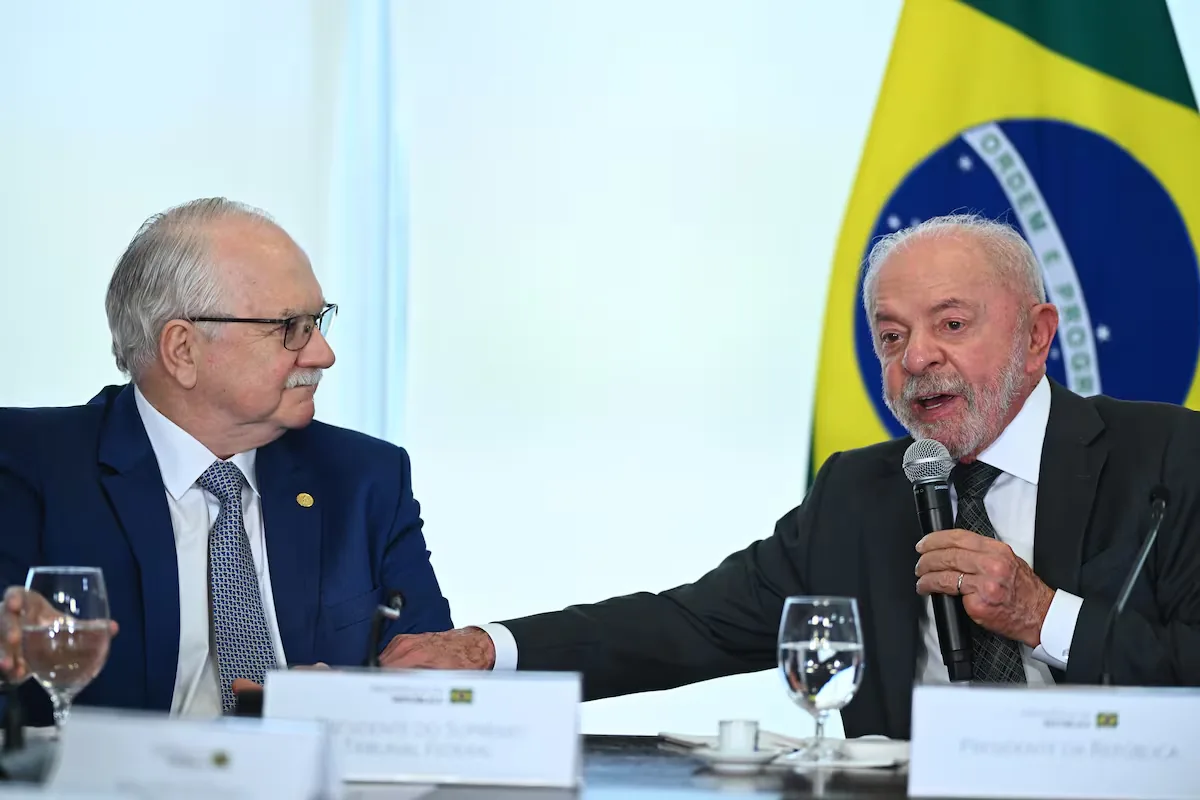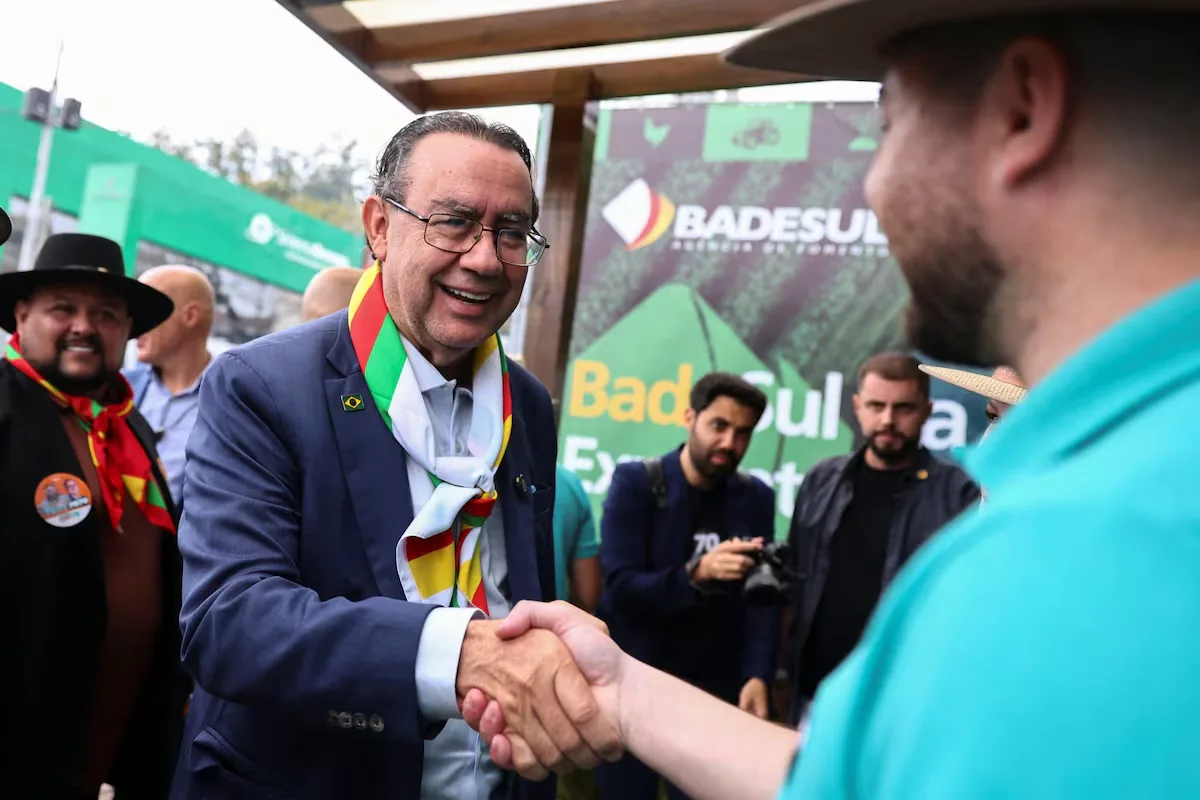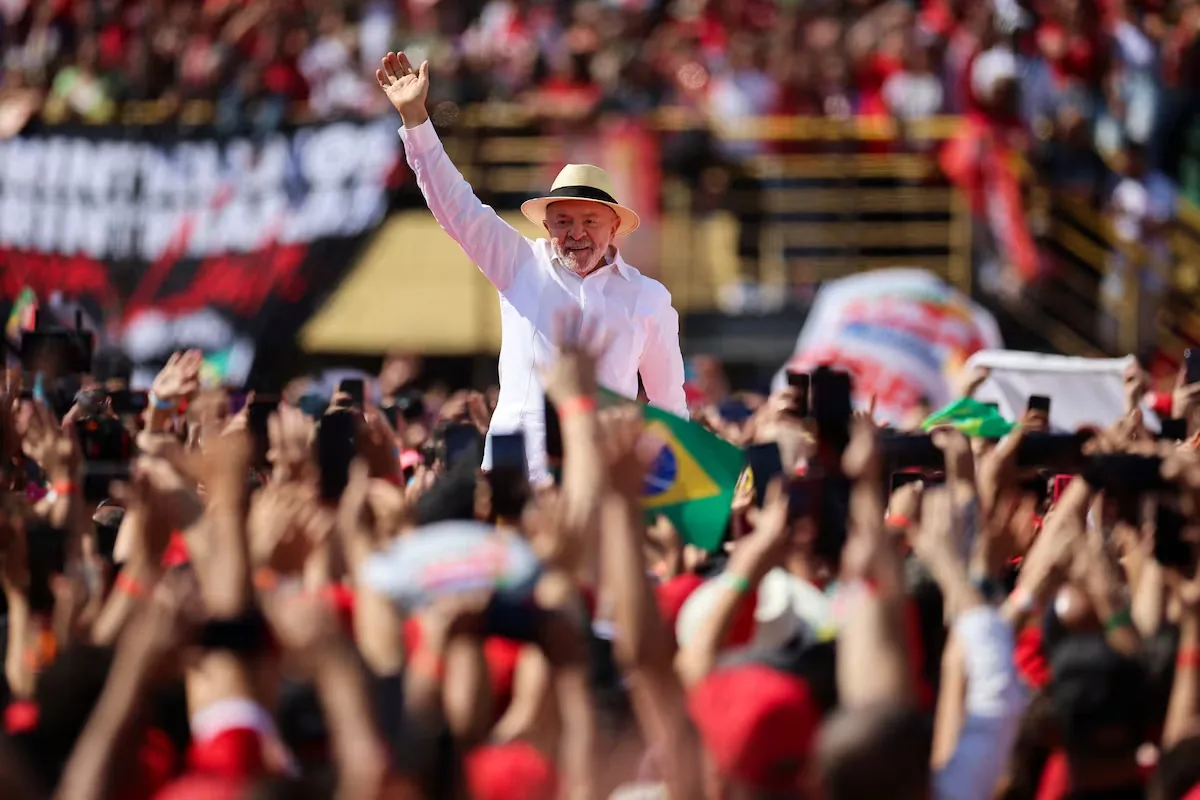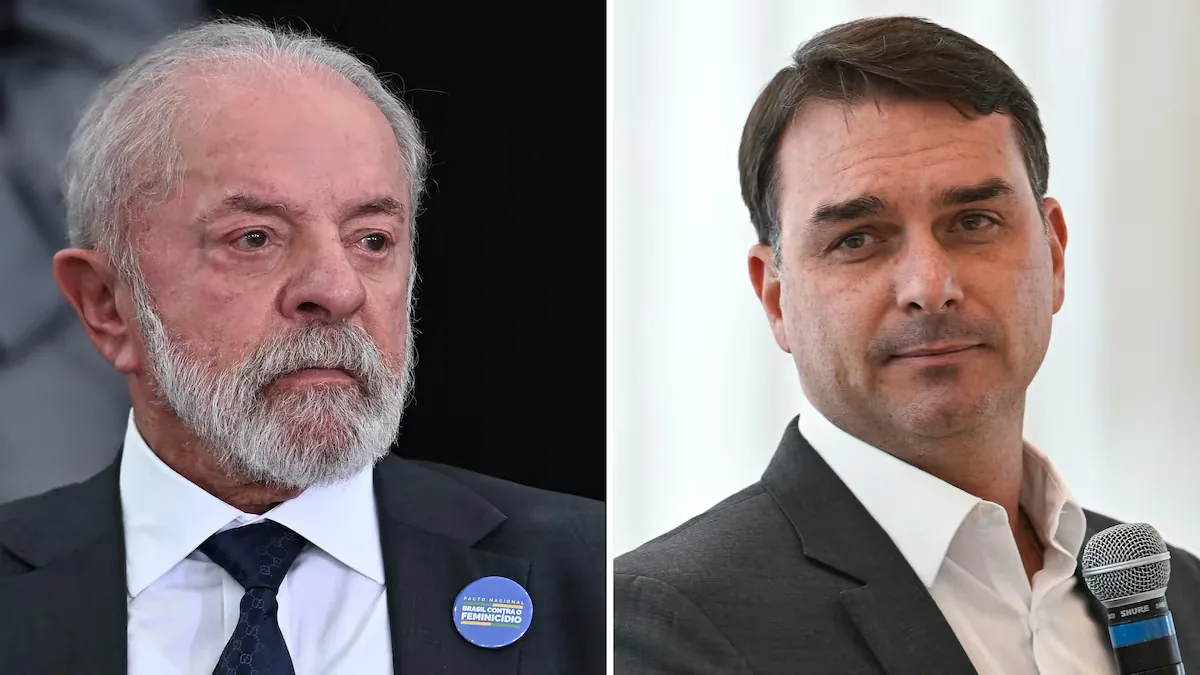
To find the only parties in Brazil with a clear ideological line, it is necessary to look to the left or the far right. Only Lula’s Workers’ Party, the PT, the split that emerged from the PT when it first came to power, called PSOL, and the centrist party that shifted to the far right with the arrival of the Bolsonaros, the Liberty Party, maintain a firm line of defense of certain principles. Between these two extremes, there is a wide political space populated by the so-called Centrão, the big center, a constellation of swing parties. Conservative on moral issues and liberal in economics, they are very flexible, known for offering their parliamentary support to the highest bidder. The novelty in this election is that the Centrão bets on neutrality in the presidential election, without declaring in advance its support for the ultra Flávio Bolsonaro or the left leader, President Luiz Inácio Lula da Silva.
Read more The enzymatic cleaner in spray format that eliminates stains and bad odors at home
Six relevant parties of the Centrão, including the formations in which the presidents of the two Chambers of Congress are members, have decided to forgo presenting presidential candidates or publicly supporting any of the other candidates. Specifically, the MDB, PSDB/Cidadania, Progressistas, União Brasil, Republicanos (linked to the Universal Church, a powerful evangelical denomination), and Podemos. Four years ago, the main ones among them sided with Jair Bolsonaro, father of Lula’s main rival now.
Polls have shown for months the Lula-Flávio Bolsonaro duo in the lead, far ahead of any other contender and with the head of government in the lead. The most recent survey points to a technical tie. Given this scenario, the Centrão is extremely cautious, preferring not to bet its chips on either of them.
Anyway, behind the bet on neutrality by this opportunistic, or pragmatic, center, depending on how you look at it, there are other important factors. The main one is the power that in recent legislatures Congress has taken from the president, regardless of color, through the so-called parliamentary amendments. Thanks to these, parliamentarians can decide the fate of a growing part of the government budget, which they usually invest in their electoral strongholds.
The key is that the slice of the pie they decide on has increased exponentially since 2015. If then they decided on nine million dollars, the amount has multiplied by a thousand, to almost 9 billion.
Claudio Couto, from the Getúlio Vargas Foundation, explained in a recent seminar on the elections that “this means that before Congress aligned with the Government because it needed it, but now it does not need to make concessions to the president to be reelected.” Couto emphasized that, despite the significance of the change, “the electorate has not yet realized” and pays much more attention to the presidential vote than to that of Congress, which many voters cast in rushed last-minute decisions.
Lula won the previous presidential elections by 1.8 points. From that election, the closest in Brazil’s history, emerged the most right-wing Congress, with Bolsonaro’s PL having the largest parliamentary group, followed by Lula’s PT. For that reason, each of the laws the Government has required painful parliamentary negotiation. This is how the tax exemption for Brazilians earning less than 5,000 reais per month was passed.
Lula trusts that this bet on neutrality will increase his chances of attracting support from the center electorate. In recent weeks he has accelerated negotiations with the presidents of both Chambers of Congress to approve significant measures such as ending the 6×1 workday (so that the current six days of work for one day off becomes 5×2) and thus pave his way to reelection.
The undisputed leader of the Brazilian left runs, as in 2022, at the head of a broad coalition and with his vice president, Geraldo Alckmin, again as number two. Lula has chosen to repeat the electoral formula with Alckmin, a former rival and symbol of the classic right, with an eye on the moderate voter. The alliance with Alckmin, with whom he has built a great relationship, helps the PT leader soften the widespread antipetismo.
Read more The question of the usefulness of knowledge is the dispute over common sense