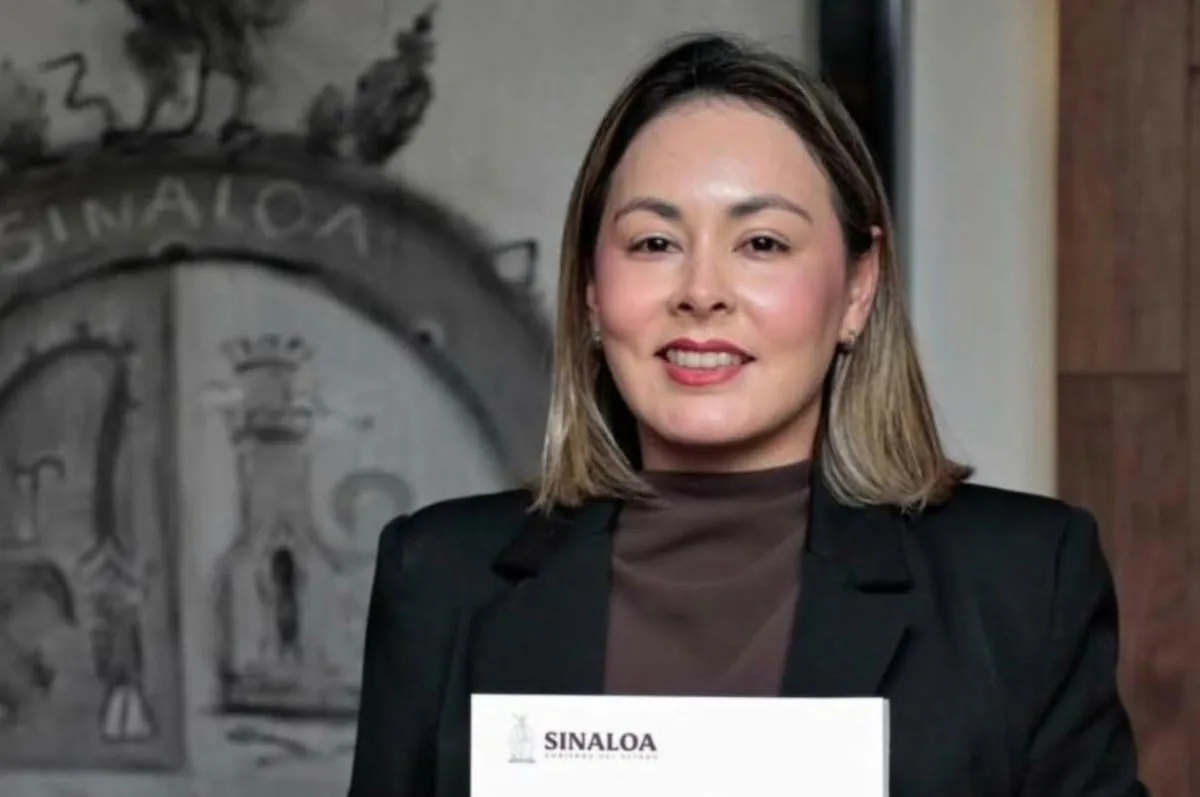




When she was leaving the party headquarters in her car, five vans with dark windows blocked her way. She does not remember how many men got out, but they were dressed in black, had their faces covered with balaclavas, and carried rifles. From there, everything becomes more blurry. They put her in the back seat of one of the vans, blindfold her, and start driving around Culiacán, the capital of Sinaloa. There were no blows or insults, only very veiled threats like “we have half of Culiacán here” or “whenever you want, we’ll take you home.” Almost nine hours later, as the sun began to rise over the gentle mountains surrounding the city, Paola Gárate’s blindfold was removed and she was released near a supermarket. It was Sunday, and in a few hours the polls would open to elect the new governor of the State. Thus, both stunned and relieved, the electoral day began for the president of the PRI in Sinaloa.
In the days leading up to those 2021 elections, reports of kidnappings and beatings of more than 50 PRI operatives followed one after another. At that time, Sinaloa was one of the almost impregnable strongholds of the historic Mexican party, which was defending the governorship against a veteran candidate, an old teacher with two failed attempts behind him. This time, Rubén Rocha Moya came backed by Morena, which was growing like a tropical cyclone across the country and would also sweep through Sinaloa.
During these years, opposition complaints barely moved from the drawers of the state Prosecutor’s Office. But since this Wednesday, everything is seen differently. What happened those days before the election has changed in magnitude with the indictment by a New York court against Governor Rocha and nine senior officials of his government, accusing them of working on the payroll for the Sinaloa Cartel, the mothership of Mexican drug trafficking.
Moreover, prosecutors claim that during the campaign, Rocha met with Los Chapitos, escorted by “hitmen armed with machine guns,” to help him win. And even more, that the future governor gave the sons of Joaquín El Chapo Guzmán “a list of his opponents and their respective addresses, so they could intimidate them and force them to withdraw from the electoral contest.”
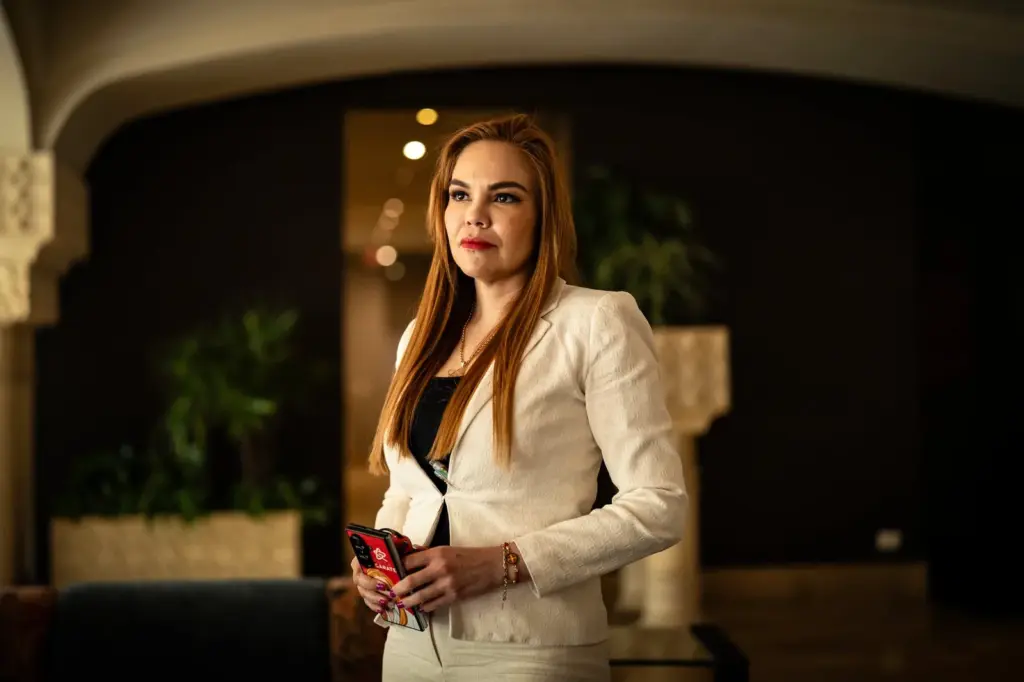
Sitting in a hotel café, the PRI leader says that the accusation by the U.S. justice system confirms what they have been denouncing these years. After an initial defensive reaction from the Mexican government, the blow, which has greatly strained bilateral relations, has so far precipitated Rocha’s temporary resignation from office, opening the door to a possible investigation by Mexican authorities. Gárate also says that during the campaign, young men, presumed cartel lookouts who work by providing information, approached her more than once and said: “My blondie, don’t keep following, Morena is going to win.”
Gárate left the presidency of the PRI last year but remains one of the most influential voices in the opposition. She says she is not afraid, although she assures that opponents in Sinaloa “are in the crosshairs.” And she cites another murky episode deeply etched in Mexico’s recent memory as an example.
On July 25, 2024, Héctor Cuén, a veteran politician and businessman who contributed to Governor Rocha’s victory only to break with him later and become one of his main adversaries, was murdered amid a fog of contradictions. First, the state Prosecutor’s Office claimed the incident was a robbery attempt to steal his van at a gas station. Months later, the Federal Prosecutor’s Office intervened to confirm what rumors in Culiacán suggested: Cuén was killed in the same place where one of the founders of the Sinaloa Cartel, Ismael El Mayo Zambada, was treacherously ambushed by one of El Chapo’s sons, his former godson, to hand him over to the United States.
Already imprisoned across the border, where El Mayo has pleaded guilty and has become a sort of informant, he claimed that the bait of the trap was a arranged meeting with Cuén and the governor himself. Rocha has repeatedly denied it, but the shadow of that meeting is now, after the State Department’s accusations, longer than ever.
The episode of the meeting with El Mayo has been like one of those traffic signs indicating a change of direction, a watershed with many branches. Barely a month later, the internal war in the cartel began. The two families that had been united for decades for the sake of business now became the worst enemies, in another chapter of the traditional story of betrayals and revenge in the underworld. Los Chapitos against Los Mayitos. A war that has already lasted over a year and a half and has left thousands dead and missing, with Culiacán as its epicenter and bloody trench.
Weariness and resignation
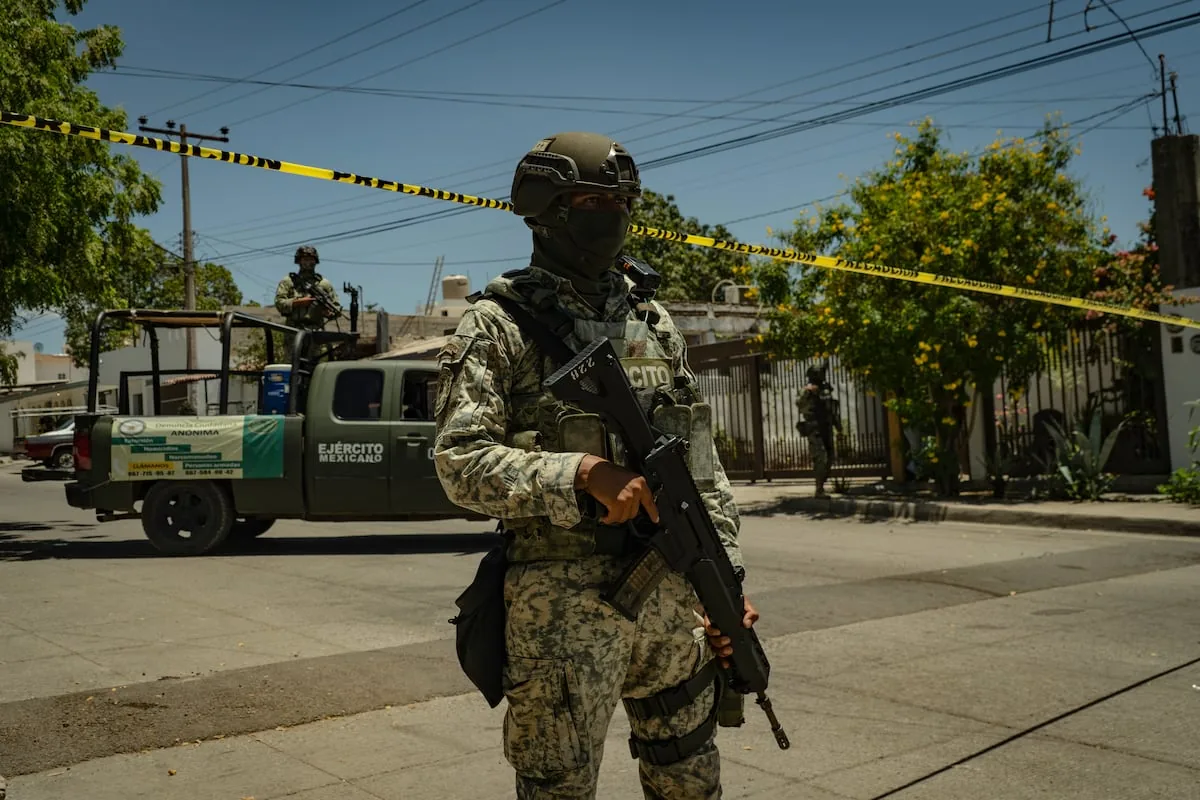
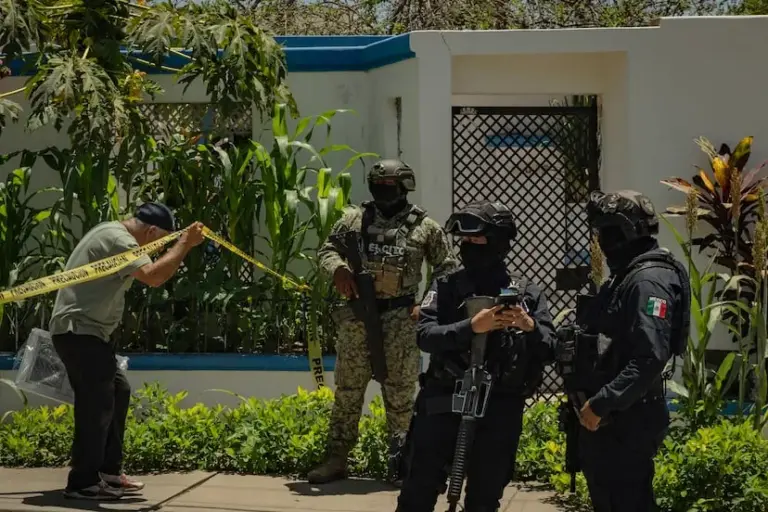
The street is deserted and cordoned off by the army’s yellow tape, which watches over the area under the stifling spring sun of Sinaloa. Only a gray head peeks through the bars of the entrance to one of the houses. It is a neighbor who was cooking for her grandchildren when she heard the crash. She does not want to give her name and says she was not going to come out because “sometimes things get ugly around here.” But upon hearing the soldiers arriving, she decided to see what was happening. The crash the lady heard was a car crashing into a house. The neighbor says it was abandoned, but sometimes she saw people coming and going who were not from this popular neighborhood in the city center.
Read more Podcast | How hard is it to be a mom in Colombia?
The most likely thesis is that it was a safe house for crime groups. The neighbor says that since the internal war in the cartel began, she locks herself in when night falls. Between fatigue and resignation, she does not have much hope that things will change with the indictment of the governor and the other politicians accused of being narcos: “They are all the same, this war will never end.” A few blocks from here, the army also has another street sealed off. The facade of another suspicious house looks like Swiss cheese. A car stopped for a few seconds and unloaded a burst of gunfire before fleeing at full speed through these dirt streets.
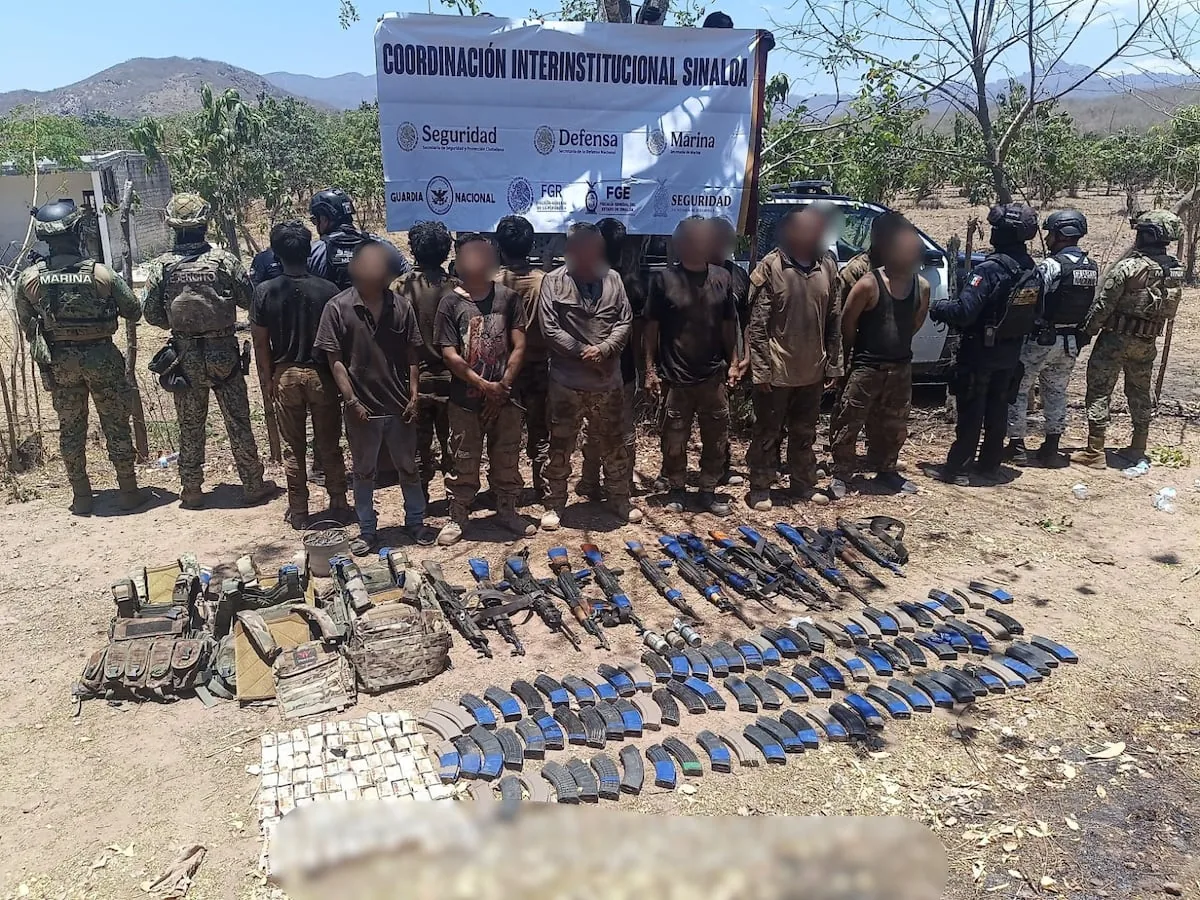
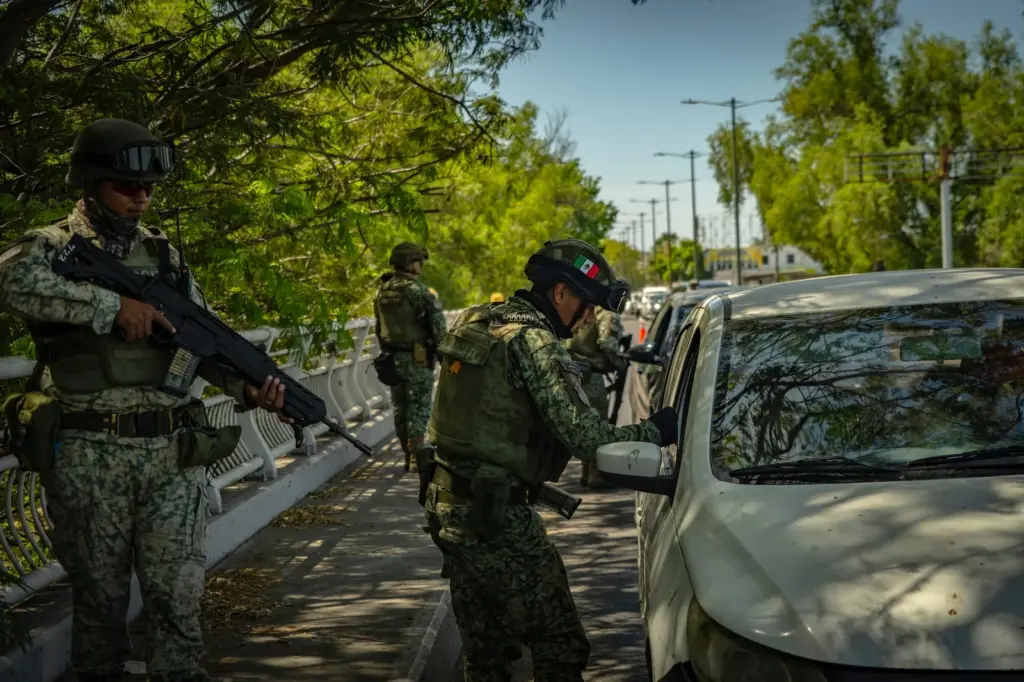
Since the battle between factions started, the federal government has taken control of security in Sinaloa, multiplying the presence of soldiers by sending thousands of troops. While Governor Rocha first tried to downplay the crisis and then tried to ignore it, the violence figures overflowed. During the worst months, they exceeded an average of seven murders per day. Sinaloa is the cradle of the great historic Mexican drug traffickers, and Culiacán was deceptively calm territory since the last internal battle almost 20 years ago. When the cartel was united, scandals did not interest them. Noise is not good for business.
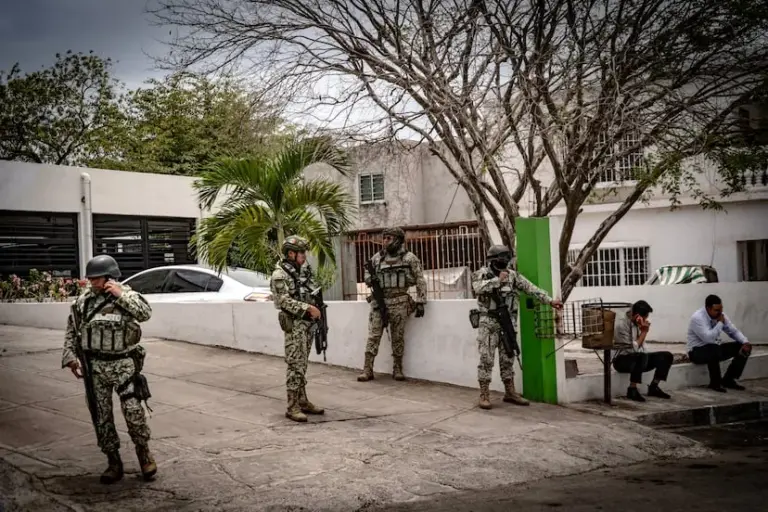
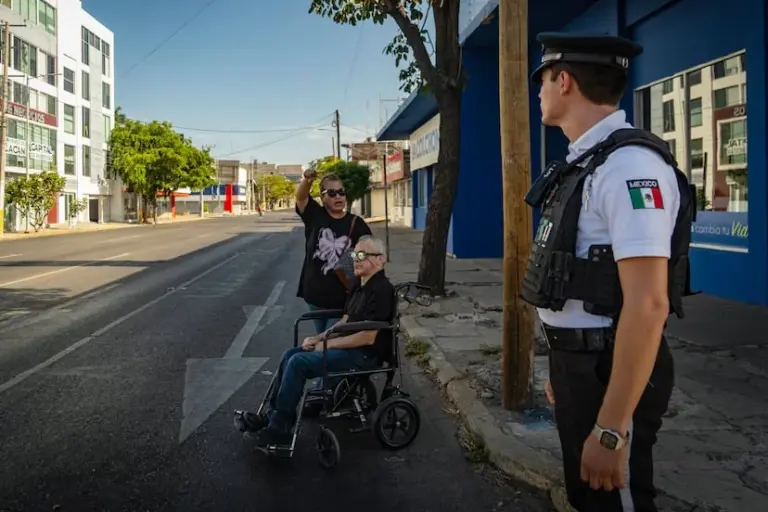
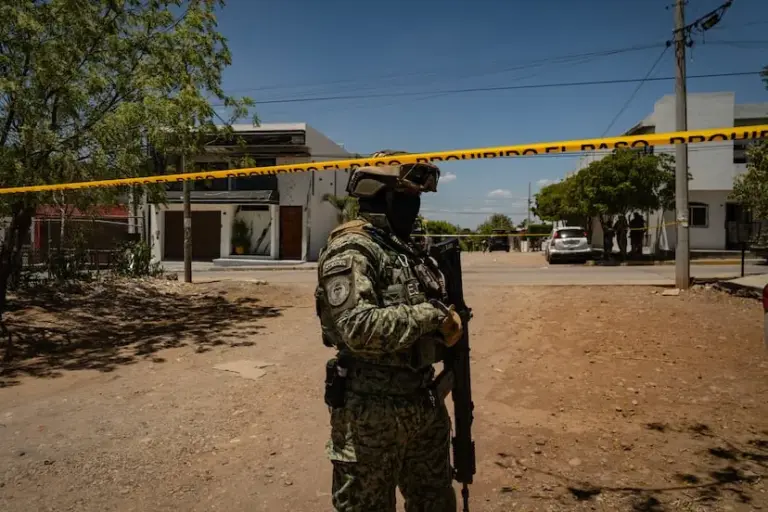
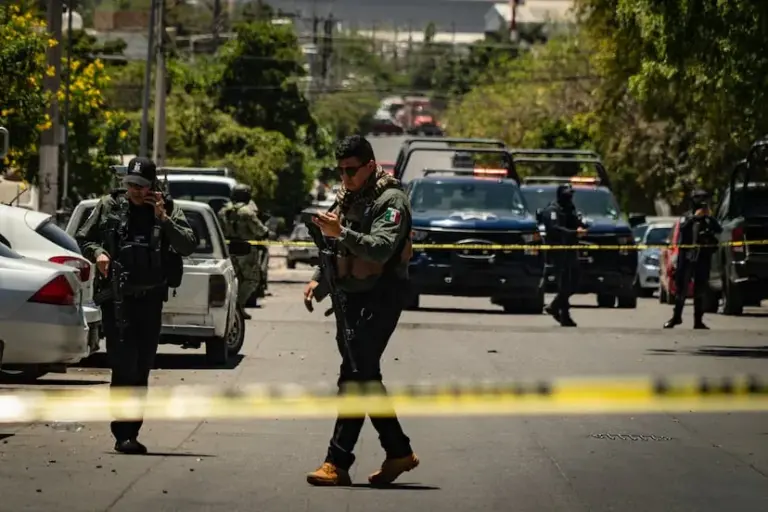
The residents of Culiacán have gotten used to the presence of the military. Some affectionately call them “the nephews.” The latest official figures indicated an improvement. Murders dropped by almost 50%, despite still being high, with an average of more than two per day.
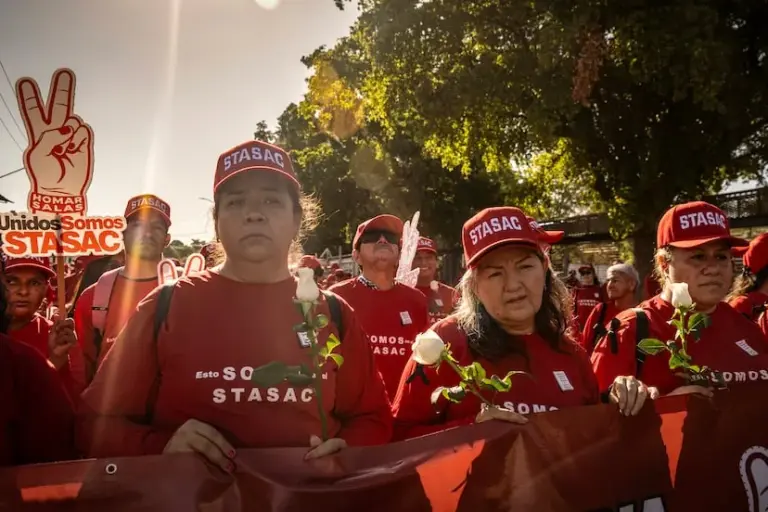
It is still too early to verify if the blow from the U.S. justice system represents another turning point. But just the day after the State Department’s announcement, crime reporters recorded nine murders in the capital. One of them was the newly elected president of the Culiacán Municipal Workers’ Union, an influential political operations center. Homar Salas was shot dead along with his bodyguard as he was taking the car out of his garage.
A long history of narcopolitics
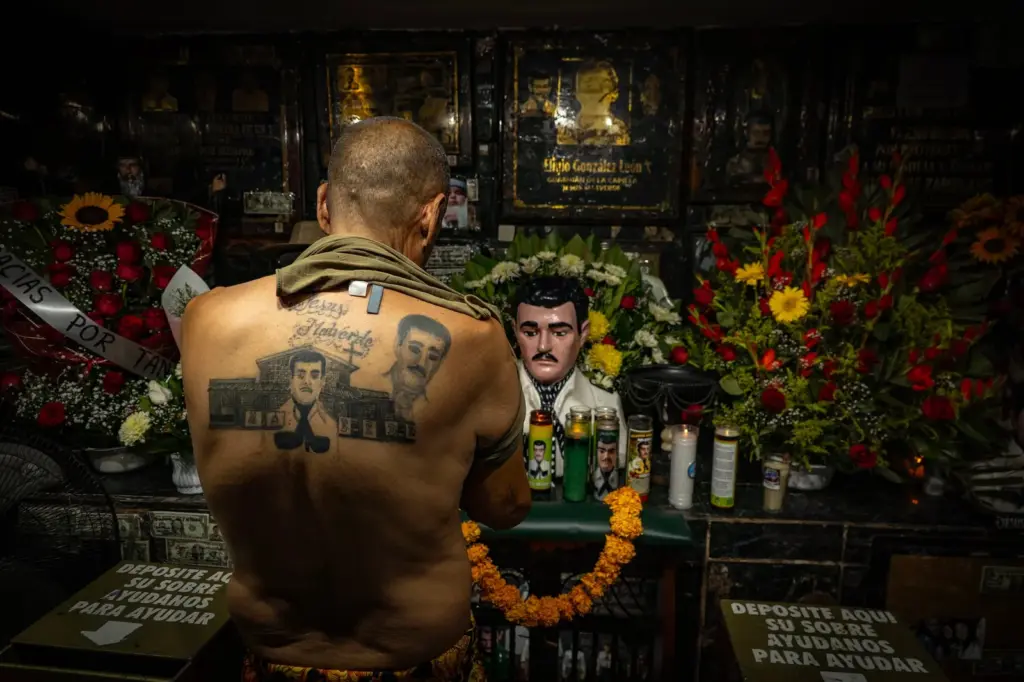
The shadow of narcopolitics has accompanied Sinaloa for decades, with pressure from the United States breathing down its neck. Since the late sixties, when the Mexican Pacific State was already the heroin and marijuana granary to be dispensed on the other side of the border, the White House pointed to then-Governor Sánchez Celis for his closeness to Miguel Ángel Félix Gallardo, the father of modern drug trafficking. Nicknamed for a reason the Boss of Bosses, Gallardo was the personal bodyguard of the governor’s family and even became the godfather of one of his sons. In the eighties, the DEA certified that Gallardo had a direct line with another governor, so much so that he landed his drug planes on the runway of the politician’s ranch.
A history that has been meticulously documented by Alejandro Sicairos, a veteran Sinaloan journalist with more than four decades following the matter. “Narcopolitics in Sinaloa has operated like the dead man’s mat to subjugate institutions and politicians to the designs of the United States,” he says in the offices of the magazine he directs. “People think what Rocha is doing is new. There have always been pressures. In the end, everything will be resolved in negotiations between governments, at the diplomatic level. And surely the United States will end up keeping the file against Rocha for when it needs to use it again.”
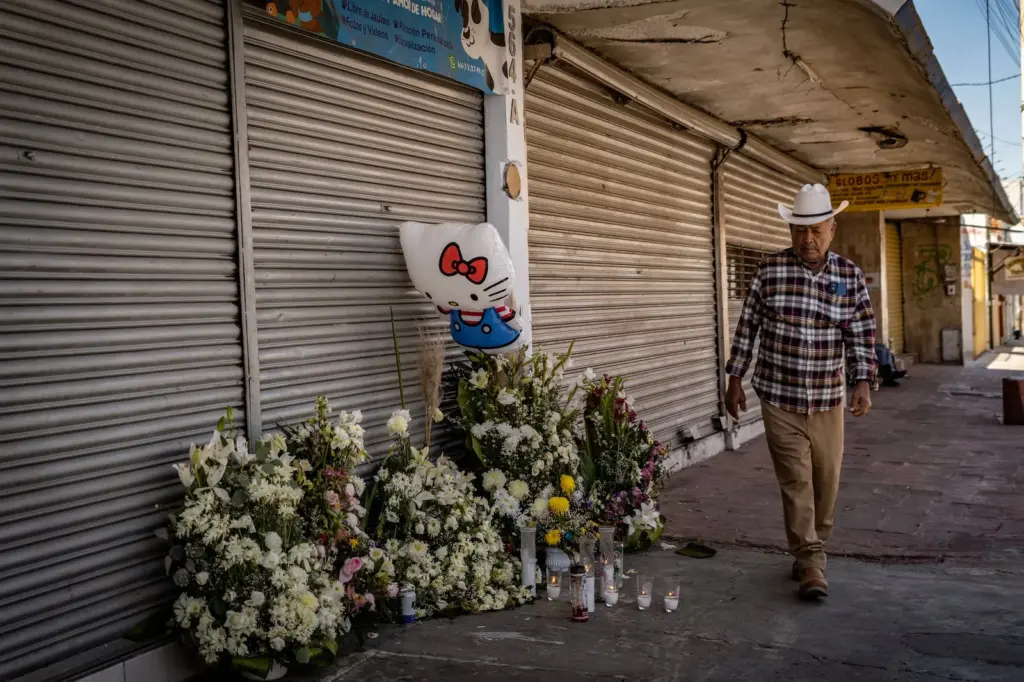
For Marlene Fontes León, director of Iniciativa Sinaloa, a local civil organization that fights against corruption and for transparency, “beyond the political implications, we see a structural problem. A weakness of control systems in Sinaloa and throughout Mexico. Corruption is a transversal mechanism and where organized crime filters in. Now it is up to Mexican authorities not to evade their responsibility to investigate and punish any act of corruption.” For now, the governor’s temporary resignation opens the door to a possible investigation by the federal Prosecutor’s Office, which has the U.S. request to arrest and extradite the accused over its men.
Besides Governor Rocha, there are nine other accused, mostly men very close to him. Senator Enrique Inzunza is almost like his younger brother; he saw him born and cared for him from childhood until he became a lawyer. Then he became his legal advisor and secretary general of Government. The mayor, Juan de Dios Gámez Mendívil, who has also temporarily resigned from his position, is his godson, his campaign manager, and pawn in the Culiacán City Council. The deputy attorney general, Dámaso Castro Saavedra, was in charge of the investigation that covered up the murder of Héctor Melesio Cuén.
In the halls of the state congress, nothing else was talked about these days. From the Morena parliamentary group, they euphemistically acknowledge that “the climate is complex.” And they try to deflect with the argument that this type of accusation has been constant since the times of the iron PRI that also governed the State for decades. The same argument Rocha himself used to respond to the accusations in the days following his electoral victory. “The ones who have worked with crime all their lives are the PRI, where would we have that ancestral precedent that PRI governments have? Who have they understood with? With them. It’s not us!”
Read more Piedad Bonnett finds the fullness of life in a spinning top