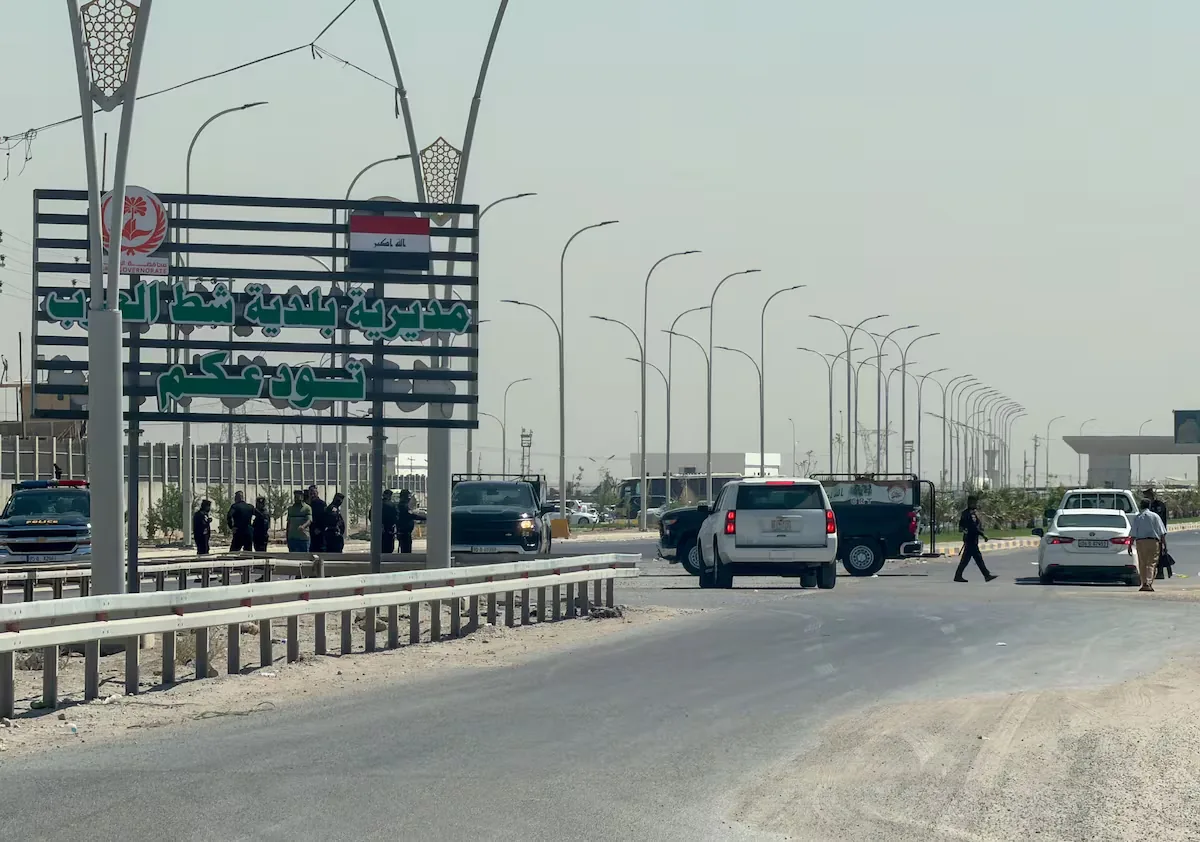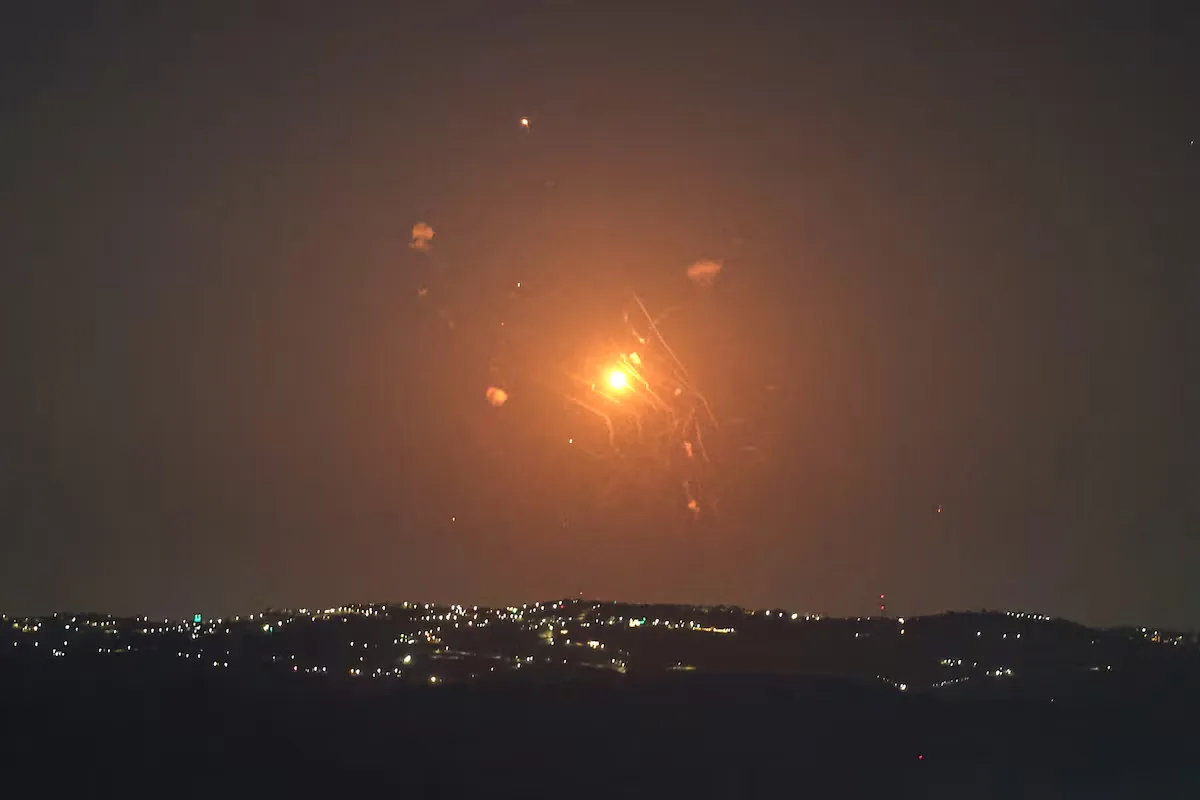







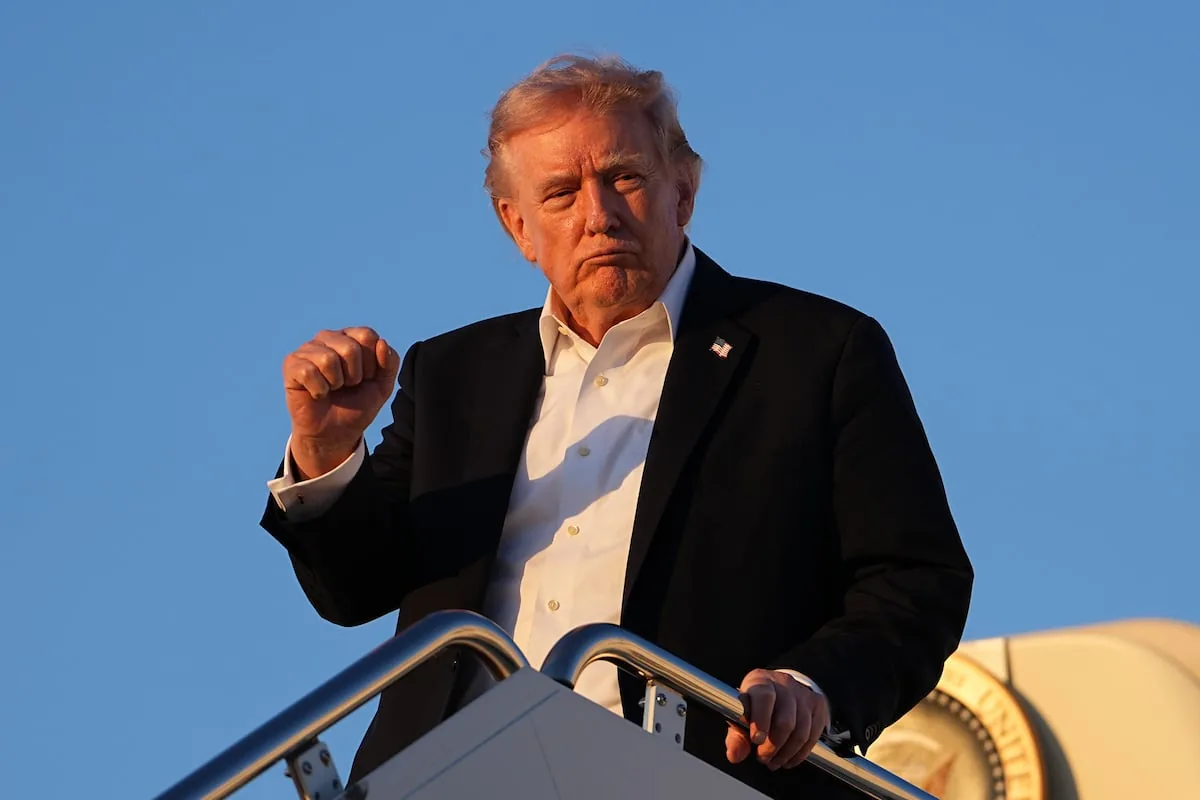
The United States will begin this Monday an initiative to free merchant ships from neutral countries that have been trapped in the Strait of Hormuz due to the blockade imposed by Iran since the beginning of the war, according to Donald Trump, who has described this operation as a “humanitarian gesture.” The Central Command, responsible for the U.S. military forces in the Persian Gulf, has stated that the measure, called Project Freedom, aims to defend freedom of navigation in international waters.
Read more Arbeloa: “It hurts me when all the rivals run more than us”
In a message on his social network, Truth, the president specified that the initiative by which the United States will guide those “neutral and innocent” ships so they can leave the restricted waters will benefit “countries from all over the world, almost all of which are not involved in the current dispute in the Middle East.” Experts estimate that nearly a thousand merchant vessels, with a total of about 20,000 crew members, are trapped in those waters.
“For the sake of Iran, the Middle East, and the United States, we have told those countries that we will guide their ships to safety outside that restricted maritime route, so they can freely continue their tasks. I repeat: these are ships from parts of the world that are in no way involved in what is happening in the Middle East,” the president said, not mentioning any specific nationality in his text. Trump has not provided details about the nature of the operation, although he warned that the United States will respond “decisively” against any attempt to prevent it from proceeding smoothly.
The initiative, he insists, aims to help the ships and crews “trapped” in the strait who are beginning to run out of food and other essentials while waiting for the conflict, now in its third month, to be resolved and for traffic to resume through that maritime bottleneck, through which before the war passed 20% of the world’s oil and gas.
The operation will have military and diplomatic components, according to Central Command in a statement. The State Department and the Pentagon had already announced last week an initiative to form a coalition that would coordinate and exchange information to strengthen security in the strait and reopen it. France and the United Kingdom also plan to lead a multilateral mission to ensure free passage once hostilities have completely ceased, although Trump has disparaged that initiative and the lack of help, in his opinion, from NATO on more than one occasion. The U.S. initiative, Maritime Freedom Construction, “seeks to combine diplomatic action with military coordination, which will be essential during Project Freedom,” Central Command explains.
Read more Vinicius extends the League until the clásico
The Pentagon will contribute to the U.S. mission guiding merchant ships “destroyers equipped with guided missiles, more than a hundred aircraft from air and land, multi-domain unmanned platforms, and 15,000 soldiers,” lists the Central Command statement distributed via social media. “Our support for this defensive mission is essential for regional security and the global economy while we maintain the naval blockade” of Iranian ports, declared Admiral Brad Cooper, head of Central Command.
Despite the ceasefire agreed between the two adversaries and in effect since April 8, Iran maintains its blockade of the strait. As retaliation, and as an attempt to pressure Tehran to yield and sit at the negotiating table, the United States has also imposed its own closure on the passage of ships departing from Iranian ports.
Trump also indicates in his message this Sunday that his representatives are holding “very positive negotiations” with Iran, and those talks “could lead to something very positive.” His announcement about the new operation to guide merchant ships comes as Iran has presented a new peace proposal, the third and consisting of 14 points, through Pakistani mediators.
The U.S. president had stated on Saturday that he would review the proposal but would probably reject it because Tehran “has not yet paid a high enough price.” Iran announced this Sunday that it had received Washington’s response to its new plan. Upon arriving in Washington after spending the weekend in Florida, the president did not provide further details and limited himself to saying that the situation “is going very well.”
Read more So the Madrid alive, at least