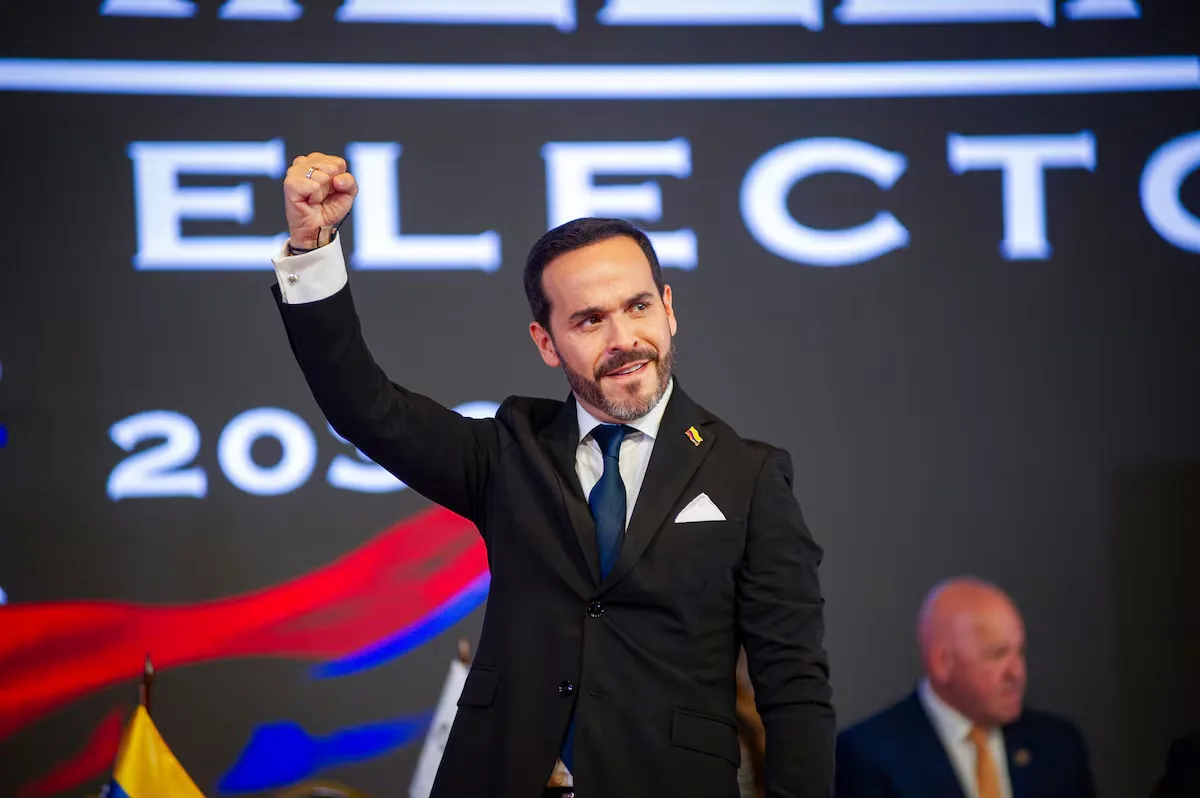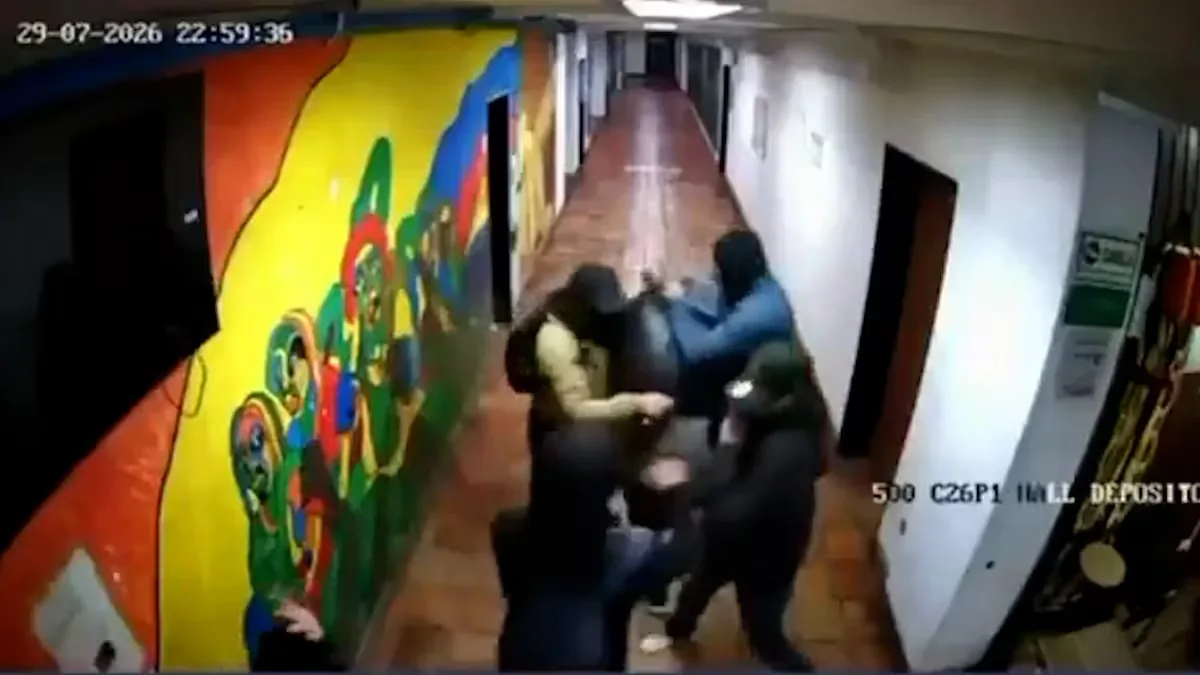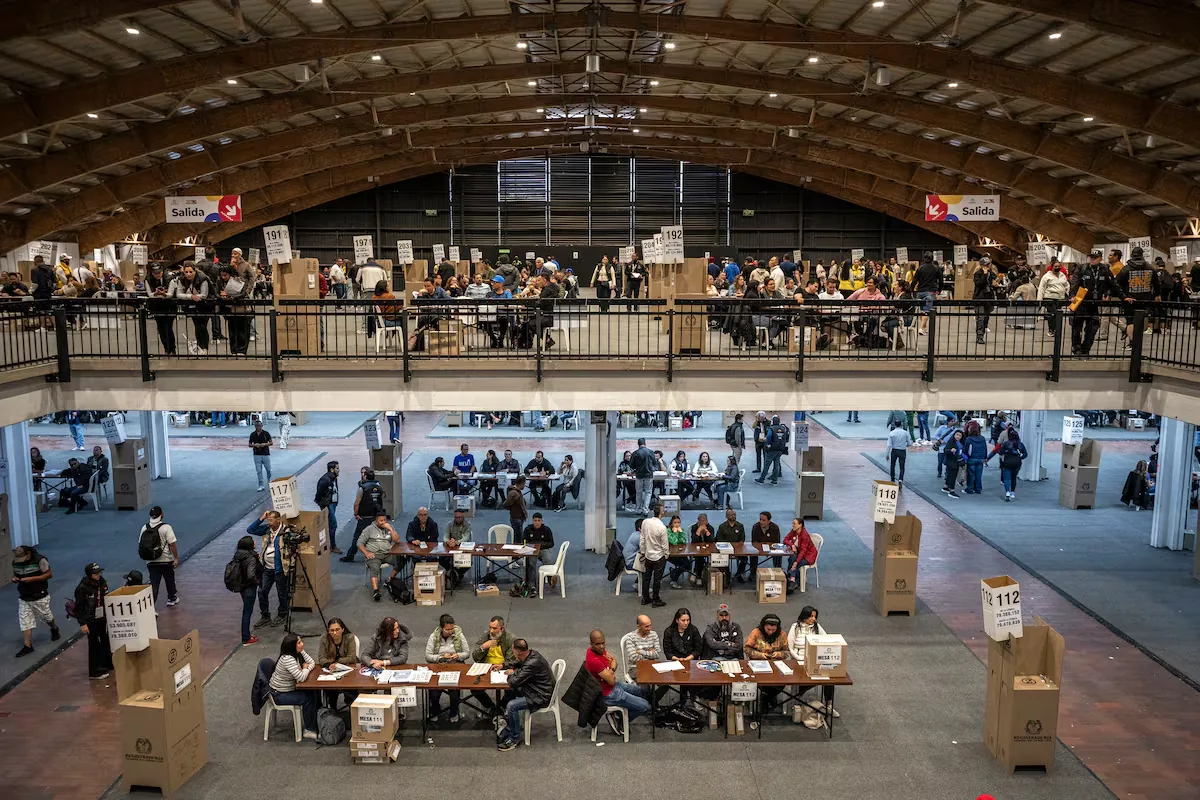






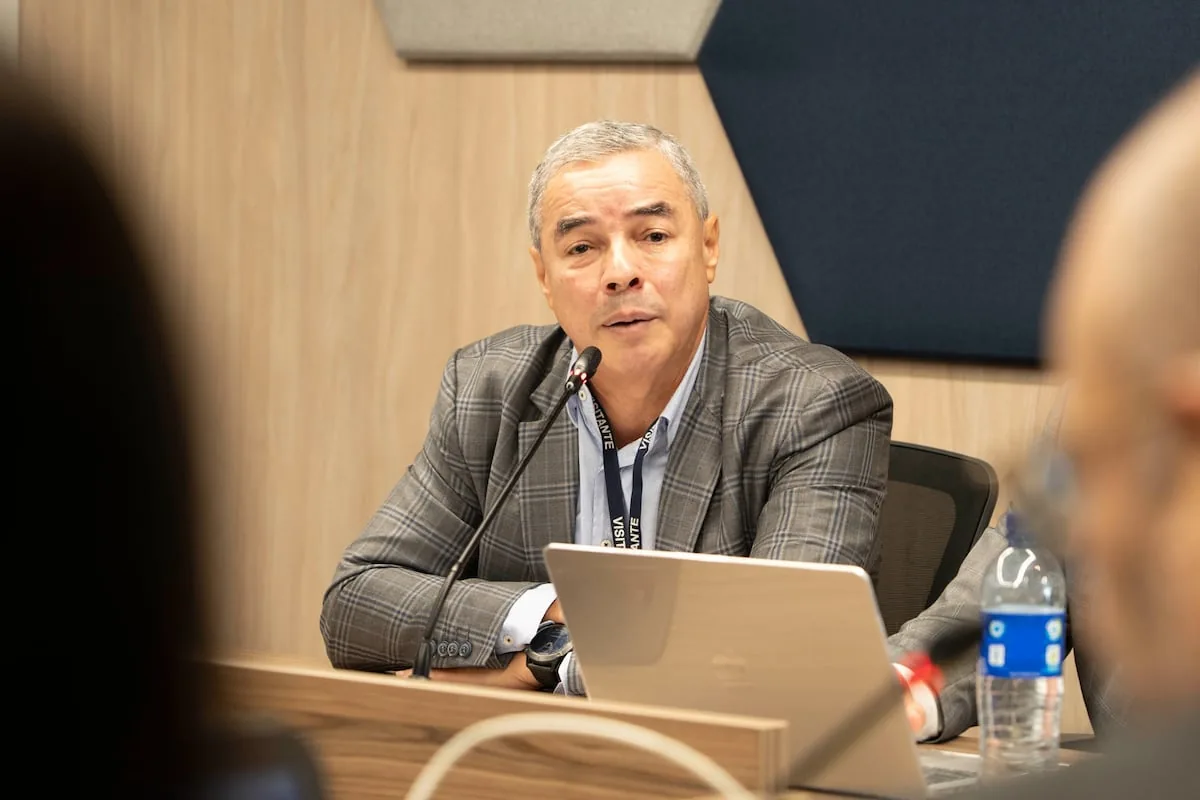
The confession of former governor Álvaro Pacheco before the Special Jurisdiction for Peace (JEP) starkly portrays how paramilitary groups infiltrated local institutions in Caquetá, one of the departments most affected by the armed conflict in Colombia. In his three reserved statements, known by Caracol Radio, the Liberal Party politician admitted before the transitional justice system that he made deals with the United Self-Defense Forces of Colombia (AUC), received funding from them for his electoral campaigns, and allowed them to operate freely while he advanced in his career.
Pacheco, mayor of the city of Florencia between 2001 and 2003, representative to the Chamber from 2008 to 2014, and governor of the Amazonian department between 2016 and 2019, was sentenced by the Supreme Court of Justice to seven years and five months in prison for parapolitics. After submitting to the JEP, he was released in 2024. He did not serve his entire sentence in ordinary justice; his process remains open because the victim reparation phase has not concluded, and despite this, he has taken advantage of parole to try to maintain his political power through his wife, the Liberal congresswoman Gilma Díaz.
In his appearance within the framework of macro-case 8 — focused on crimes committed by State agents in alliance with paramilitaries or third-party civilians — the former governor acknowledged that he held political and economic agreements with paramilitary structures linked first to Carlos Castaño and then to Carlos Mario Jiménez, alias Macaco. According to his account, the AUC also provided electoral support to his candidates in various municipalities of the department.
“We asked for funding for future campaigns, for them to support our candidates,” Pacheco declared before the magistrates. He also explained that he asked for permission to campaign in territories under the control of the self-defense forces, and that these not only spoke with community leaders to gain their support but also prevented rival movements from entering.
The statements describe a systematic relationship between local power and the paramilitaries. The politician admitted that he allowed the criminal actions of these groups in Florencia, that he knew the places from which they operated, and that he was aware that extortions against city merchants were coordinated there.
The former governor acknowledged that he provided logistical and economic aid to the AUC, including medicines, sports uniforms, and vehicles. He also accepted that he shared information with the paramilitaries and that, instead of fighting them, he asked them to moderate some violent practices, especially within the urban area. “We demanded that they stop the homicides within the urban perimeter and not exaggerate with extortion,” he stated.
According to his account, the link with the self-defense forces also involved his officials, such as his former Secretary of Government, Néstor Oswaldo Martínez (deceased), who allegedly acted as a liaison with the armed groups, while other officials provided information about contractors and public employees who were later extorted.
Read more Morena, between the PRI and hope
The former governor also maintained that various sectors of the regional institutionality ended up permeated by the AUC, and that he himself intervened with public force officers to reduce pressure on the paramilitaries.
From the dock to the public square
Despite not having his legal situation resolved and the seriousness of the crimes he has confessed, the former governor takes advantage of his parole to continue actively participating in politics.
At the beginning of this year, in the same weeks he was preparing his last appearance before the JEP (on February 24), he appeared in photos and videos inviting people to vote for his wife. The couple even jointly attended several interviews, in which Pacheco presented himself as an advisor.
Díaz, who was not re-elected in the last legislative elections, today supports Paloma Valencia’s presidential aspiration. Asked about the proselytism with the confessed parapolitician, the national overseer of the Liberal Party, Rodrigo Llano, said that criminal responsibilities are personal and not familial, and that Pacheco has already paid society with prison.
The Legal Ethics Commission of the Chamber of Representatives also does not plan to take action. In the opinion of its president, Juan Fernando Espinal (Democratic Center), there is no merit to investigate in this case.
Read more The Viveros de Coyoacán in Mexico City are closed until further notice