







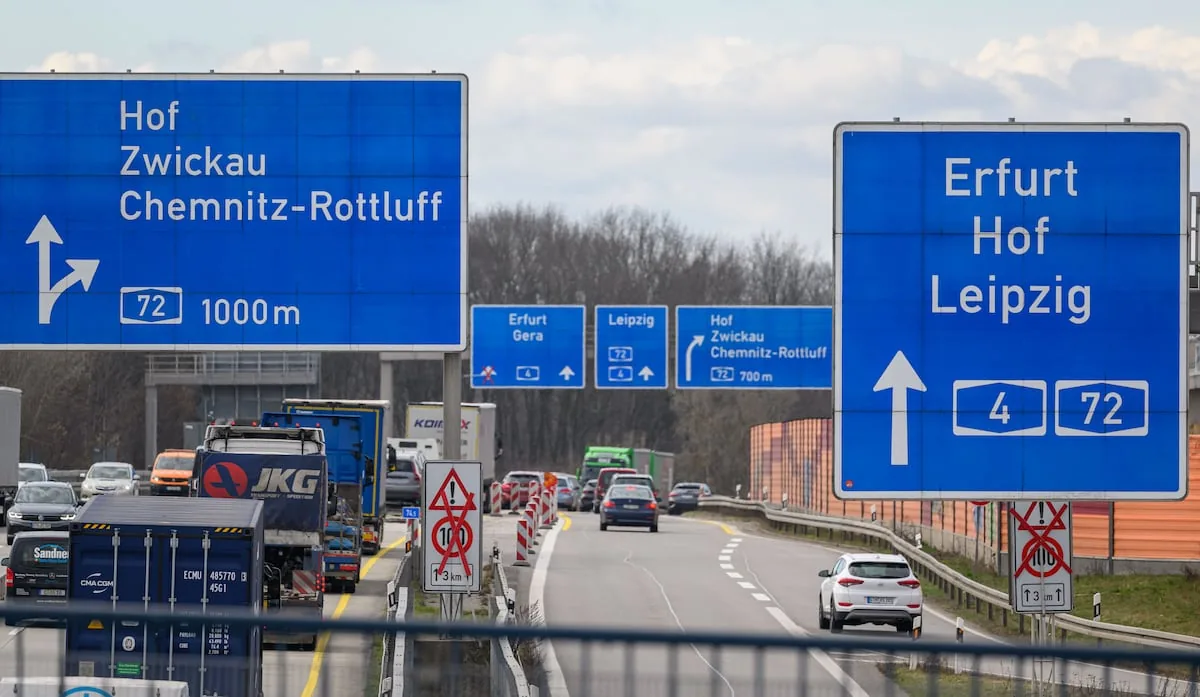
Amid strong criticism of the German government’s package of measures to mitigate the effects of the energy crisis caused by the war in Iran, German parliamentarians debated this Thursday, in addition to those measures, the Greens’ proposal to establish a general speed limit on the country’s highways to reduce fuel consumption and, therefore, the energy bill.
Read more Former Virginia Lieutenant Governor Justin Fairfax kills his wife and commits suicide
The debate over whether or not to limit speed on the highways is delicate in a country focused on the automotive industry and proud to have Autobahnen where the limit is set by the driver and the vehicle’s performance and where part of society sees it as a kind of human right they refuse to give up. Therefore, any attempt to slow down drivers sparks a heated discussion in the country. However, about 30% of the highway network does have some speed limit.
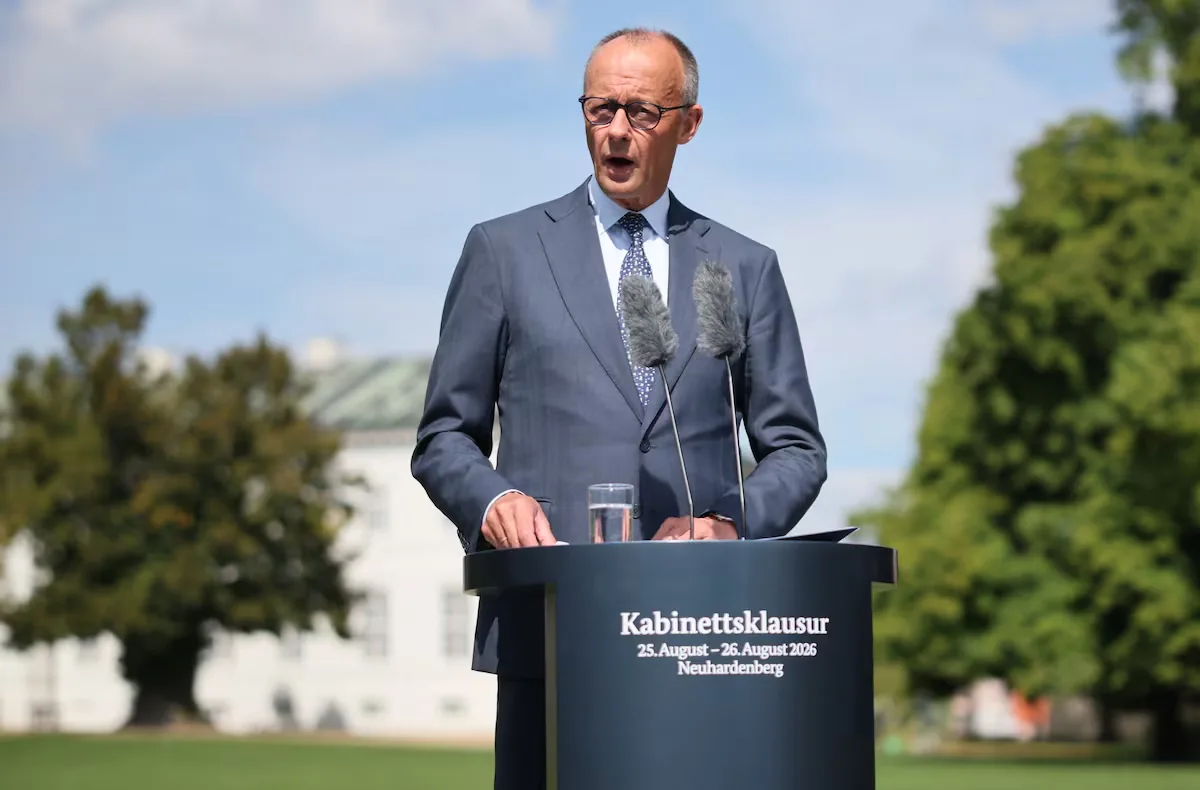
“Faced with a fossil fuel price crisis with enormous extraordinary profits for the major companies in the sector, the government has responded with subsidies precisely to those same companies. The government therefore believes that the best way to react to a fire is with an accelerator of the fire, because that is exactly what this fuel discount is,” criticized Julia Verlinden, a Green Party deputy, in a parliamentary session marked by the executive Friedrich Merz’s proposal to reduce the fuel tax by about 17 cents gross per liter for two months. In addition, employers will be allowed to pay their employees a tax- and contribution-free relief bonus worth 1,000 euros.
For the Greens, the important thing now is to make “moderate use of fuel.” In this regard, they presented a bill to limit speed that “immediately reduces fuel consumption, costs the state nothing, saves money at the gas station, and increases safety on our roads,” said the deputy. Meanwhile, her party colleague estimated the savings at nearly 1.5 billion liters of fuel per year and recalled the benefit it would also entail in terms of climate protection and road safety. The Greens are willing to accept that it be tested for a few months and then evaluate the situation.
Read more Yes to the noes
The coalition government agreement signed between conservatives and social democrats did not include any section on a permanent speed limit on the highways, something SPD deputy Truels Reichardt recalled this Thursday. However, he acknowledged the benefits this would have for the climate and road safety, where almost half of the fatalities are due to speeding, and he was open to the possibility of introducing a temporary speed limit in the case, for example, that “a real oil shortage occurred or there was a serious threat that this would happen.”
The possibility of limiting speed also has the support of some of the country’s most prestigious economists, such as Veronika Grimm, who is part of the expert council advising the German government. “It would not be harmful, but perhaps even a smart signal for people to take the situation seriously,” the economist told the newspaper Rheinische Post.
But, what speed is actually driven on German highways? According to an analysis by Der Spiegel based on data collected by navigation provider TomTom for the year 2024, about a quarter of all vehicles traveled at a speed of at least 130 kilometers per hour on German highways and nearly 4% of vehicles reached at least 160 km/h.
Read more Oracle expands its alliance with Amazon and accumulates a 20% stock rebound in four days