







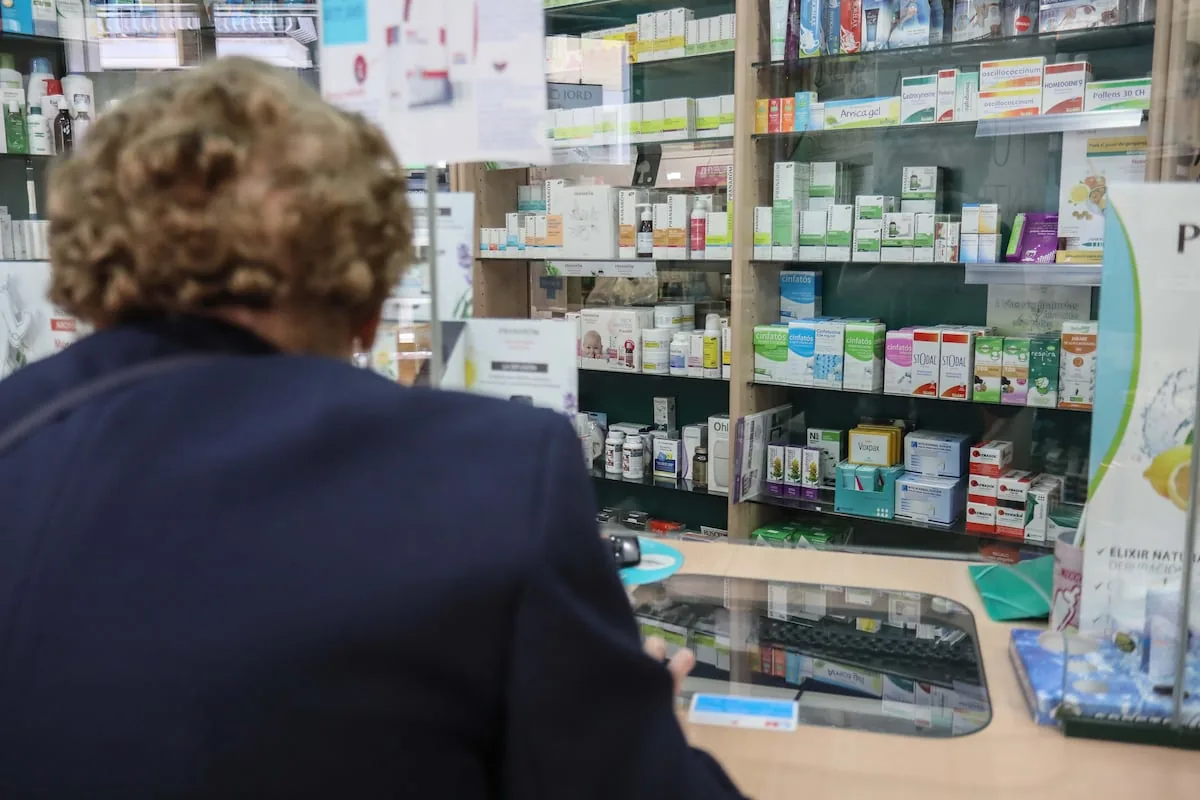
The new pharmaceutical copayment system approved by the Council of Ministers on Tuesday has come into effect today. It is a more progressive system than the previous one, which reduces the contribution of middle and low incomes and will result in savings for Spanish families of 265.63 million euros, according to calculations by the Ministry of Health.
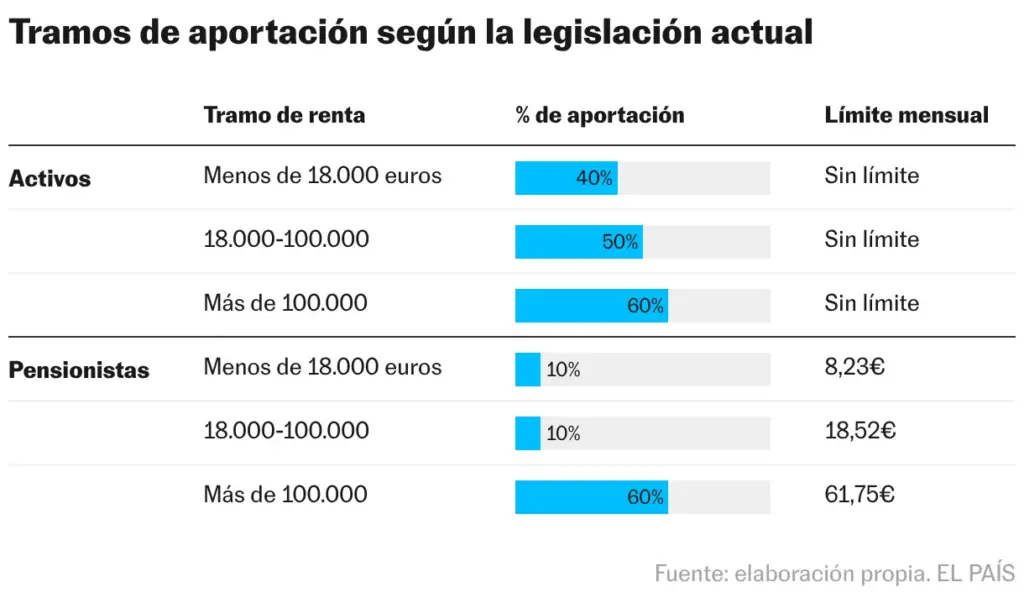
Until now, for the working classes there were only two brackets: incomes under 18,000 euros paid 40% of prescription drugs and those over 100,000, 60%. Health considers that it makes no sense for a person earning 20,000 euros a year to contribute the same as another earning 90,000. To solve this, four brackets have been added, making a total of six.
The Minister of Health, Mónica García, explains to EL PAÍS that with the old system “therapeutic adherence was being put at risk.” That is, people with low incomes were often not picking up their chronic treatments from pharmacies because they could not afford them.
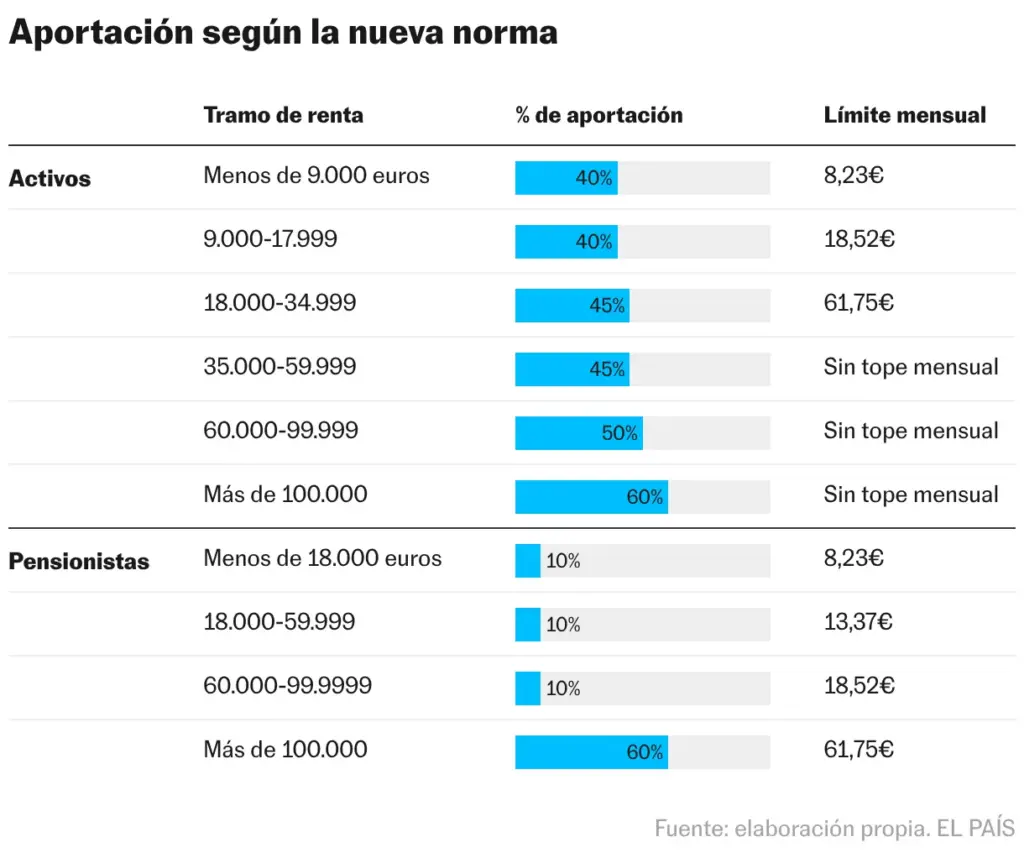
The Royal Decree-law that comes into effect this Thursday adds a first bracket: incomes under 9,000 will continue to pay 40%, but will have a monthly contribution limit of 8.23 euros. The next bracket will go up to 17,999 euros, with the same contribution, and a limit of 18.52 euros per month.
The next bracket, which until now ranged from 18,000 to 100,000 euros, paid 50% of the drugs. It is now divided into one that goes up to 34,999 (they will pay 45%, with a limit that did not exist before of 61.75 euros); another up to 59,999, which drops to 45%; and another up to 100,000 euros, which is lowered to 50%. Those earning more than this amount will maintain their contribution as before, at 60%.
Among pensioners, the situation remains as it was for incomes up to 59,999 euros, who will pay 10%. The monthly contribution limits change: it remains at 8.23 euros up to 17,999 euros of income) and drops to 13.27 up to 59,999. For those earning between 60,000 and 99,999 euros, the contribution remains at 10%, with the same limit as before (18.52). Finally, for those earning more than 100,000 euros, nothing changes: a 60% contribution, with the same limit (61.75 euros).
“We have always looked out for the protection of pensioners, who have limits, and it turns out that those who were suffering the most from lack of therapeutic adherence due to economic problems are the working people who have chronic conditions and more expensive medications,” explains the minister.
García assures that this is something they have seen both in their own studies and in conversations they have had with pharmacists. She also mentions a report from the Foundation for the Promotion of Social Studies and Applied Sociology (FOESSA) that showed these difficulties. “This is something we cannot allow in our country: that there is someone who cannot access medication because their income does not allow them to pay for the drugs,” she adds.
The new copayment was initially integrated into a new drug law, which still has a long parliamentary process ahead. To speed it up, Health has decided to approve this Royal Decree-law, which must be ratified within a month by Congress.
When asked if she trusts to have a majority for this system to remain in force, García responds: “It is a positive measure for all citizens. The State takes on a greater part of the economic contribution so that people can pick up their medications and there is a criterion of equity and health protection, regardless of income, which is one of the guiding principles of our health system. I understand there will be no problem if other political interests are not interposed.”