









Subscribe here to the World Wave newsletter to receive it earlier in your inbox.
Read more Soldiers of Solferino
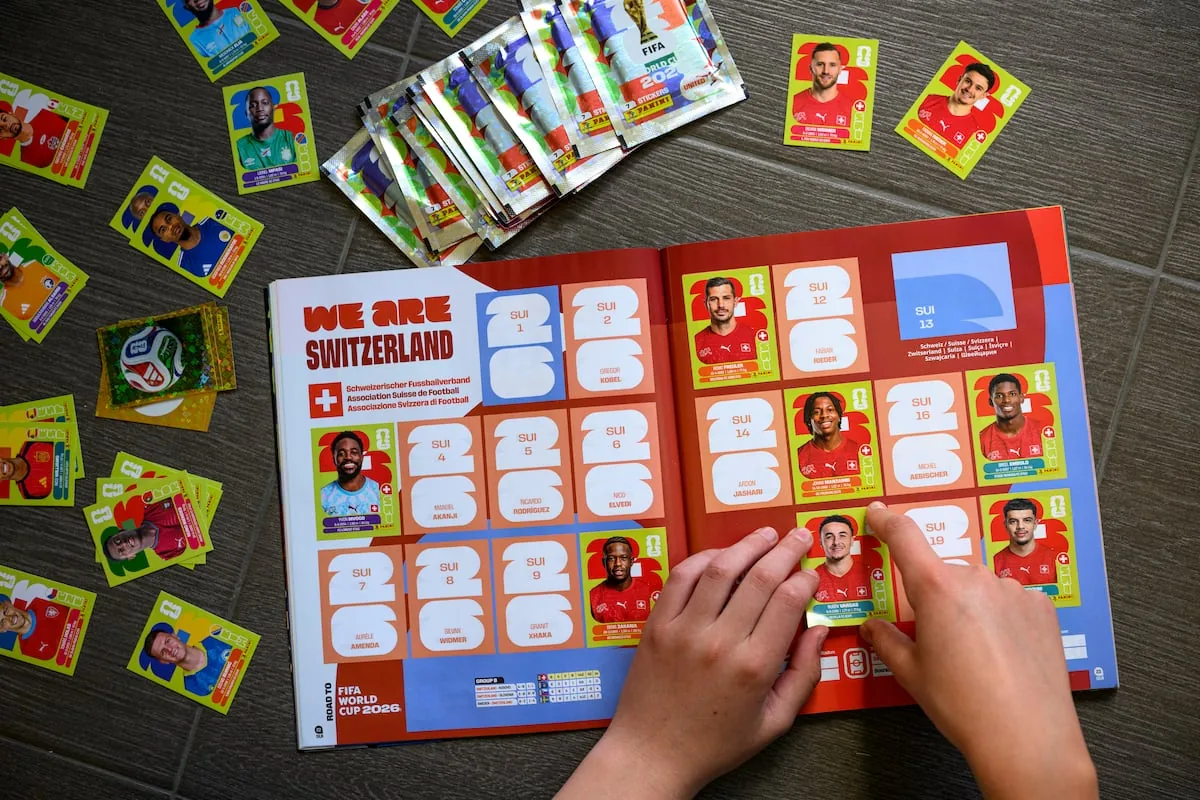
There is no football without nostalgia. And there is no World Cup without a sticker album. Every four years, on the eve of the World Cup, the spirit of the tournament materializes in a booklet full of crests, players, teams, and stadiums that end up becoming a collective obsession. Once the album appears in stores and kiosks, the great task of adults, children, football fans, collectors, and curious people is none other than to fill those 980 gaps. Behind each glued sticker there are exchanges, strategies, calculations, superstitions, and, above all, patience.
The first edition of the Panini album was released at the Mexico 1970 World Cup and celebrates 56 years of tradition in the same country. Since then, entire generations have passed. The anticipated launch in Mexico occurred just two weeks ago, in the midst of Children’s Day celebrations. The perfect date to honor a ritual that blurs ages. Adults become children when they once again feel the childlike excitement of opening an envelope, and children become adults when they learn the patience, effort, and sacrifice that the activity deserves.
In a world where everything is already virtual, the album creates community during breaks that turn into important exchange negotiations, office desks fill with stickers, and mass gatherings are organized on social media to get rid of duplicates. The conversations are always the same: “How many do you need?”, “Did you get Messi yet?”, “How many duplicates do you have?”. Like football itself, the album transcends ages, languages, and borders.
And as the weeks go by, the matter becomes more serious. Empty spaces begin to become scarce and certain stickers acquire an almost mythical value. At the Qatar 2022 World Cup, the crisis escalated to diplomacy when the Argentine Government intervened due to the shortage of envelopes. The then Secretary of Commerce met with Panini representatives and distributors to find solutions to this state matter. Such importance exists at home because family and friends also understand it, showing solidarity by finding missing stickers or buying figures, which lessens the burden on the person assembling it.
But, as with so many other hobbies, collecting also brings out inequalities. While some children save for weeks to buy a couple of envelopes, others acquire complete boxes from day one. Images circulate on social media of fans who finished the album just 48 hours after its launch. At the same time, there are children who hand-made their own album because they couldn’t afford the official one.
The gap widens with each World Cup. This year, the album costs 99 or 349 Mexican pesos depending on the type of cover. Each pack with seven stickers costs 25 pesos, and a box with 100 packs, 2,500. In total, completing it can exceed 4,000. An expense that adds to the many other items any average Mexican fan desires. 2,000 for the national team jersey, 4,000 for the premium ball, official mascots for 2,000 more, commemorative coins, and an endless number of collectible items with inflated costs. Not to mention tickets to the matches. For many, the World Cup romance ends with the price. For those who can afford it, it survives in the smell of freshly printed paper and in the brief illusion of finally finding the missing sticker.