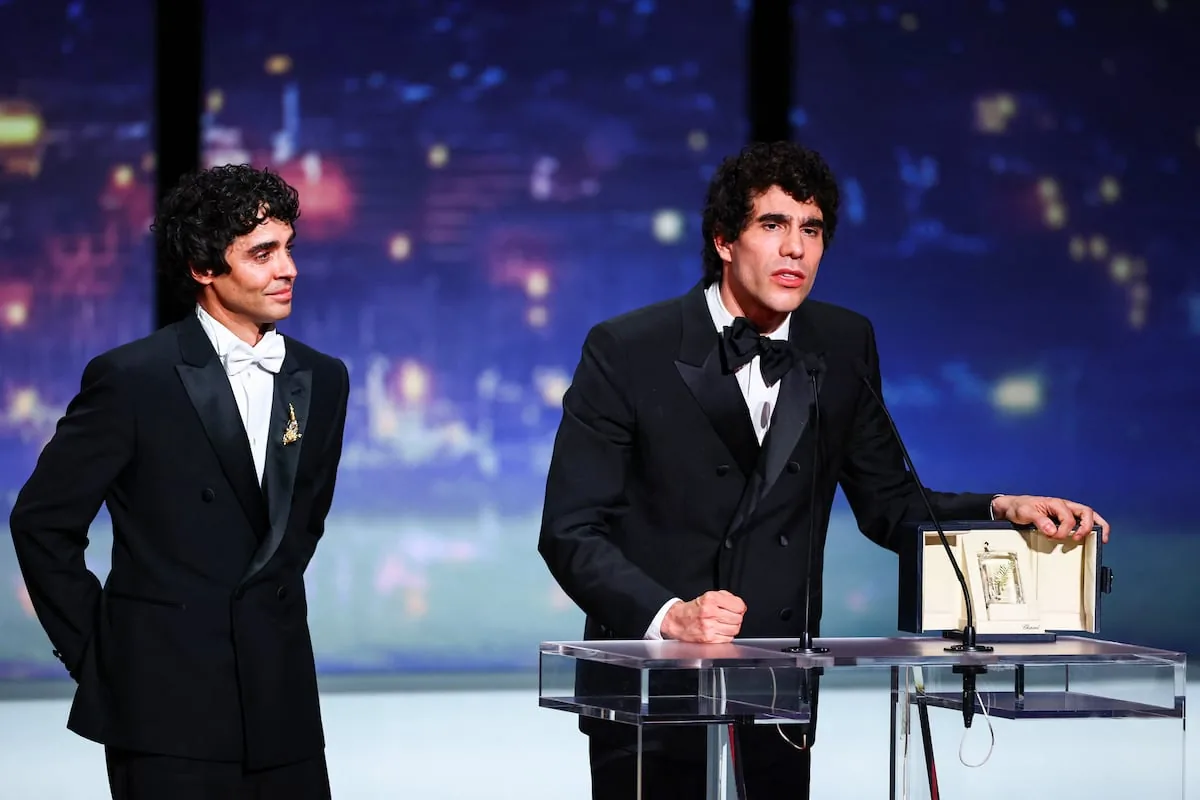

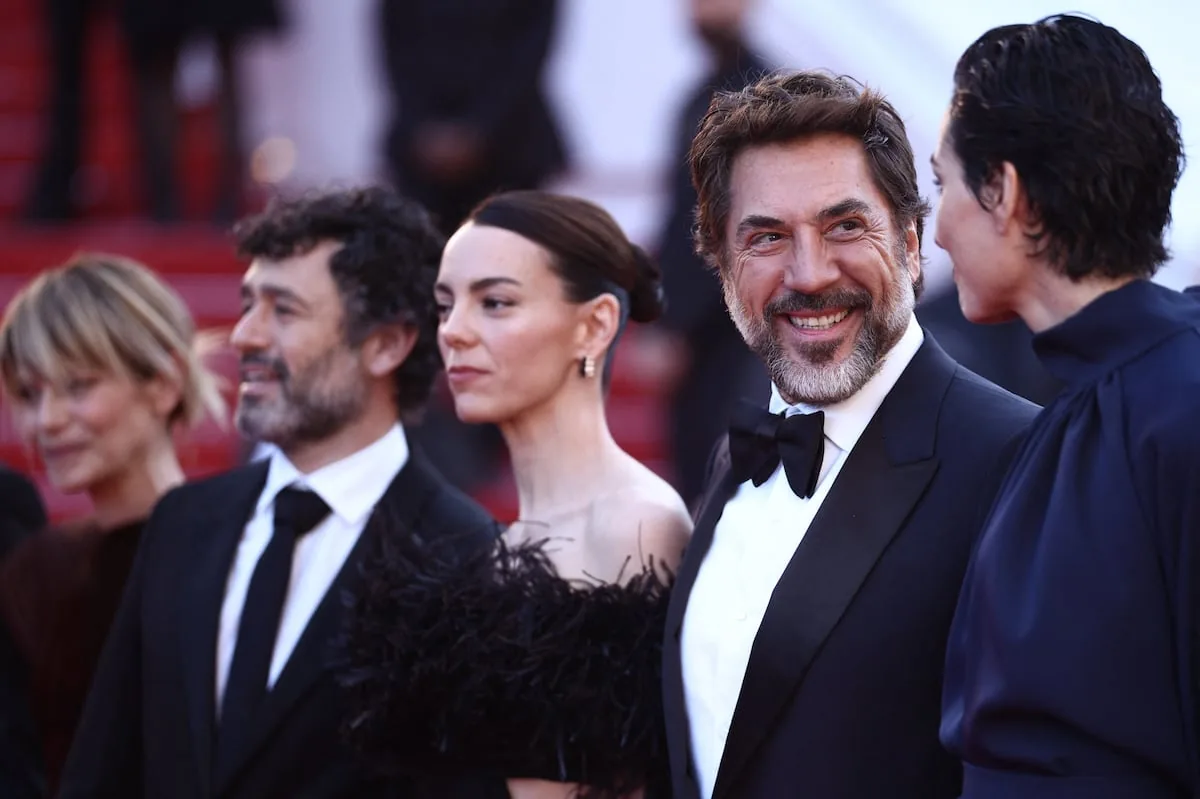
Javier Bardem breathes easy. He is talkative. Next to him, Victoria Luengo smiles. They are aware that they have done a good job, that if El ser querido, by Rodrigo Sorogoyen, is screened on a Saturday at the gala afternoon session at the same time it premieres in commercial theaters in France (it will arrive in Spain on August 26), it is because it is a great film. In the movie, they play a father, a film director, two-time Oscar winner, who returns from New York to Madrid to shoot a story about the Sahara in Spain, and the daughter of his first partner, a former actress turned waitress, whom he hasn’t seen in 13 years, a very painful abandonment for her. Bardem and Luengo met once, eight months before filming, and then did not see each other again, to maintain that distance, until the first day they filmed the family reunion in a restaurant that opens the film.
And that is where the conversation with a group of journalists begins on Saturday at noon, just hours before its gala premiere in Cannes. Luengo recalls that day, when the 19 minutes that start the drama were shot in one hour and a half take in a fake restaurant, with hidden cameras, diners around them, and a menu to choose from. Pure theater.
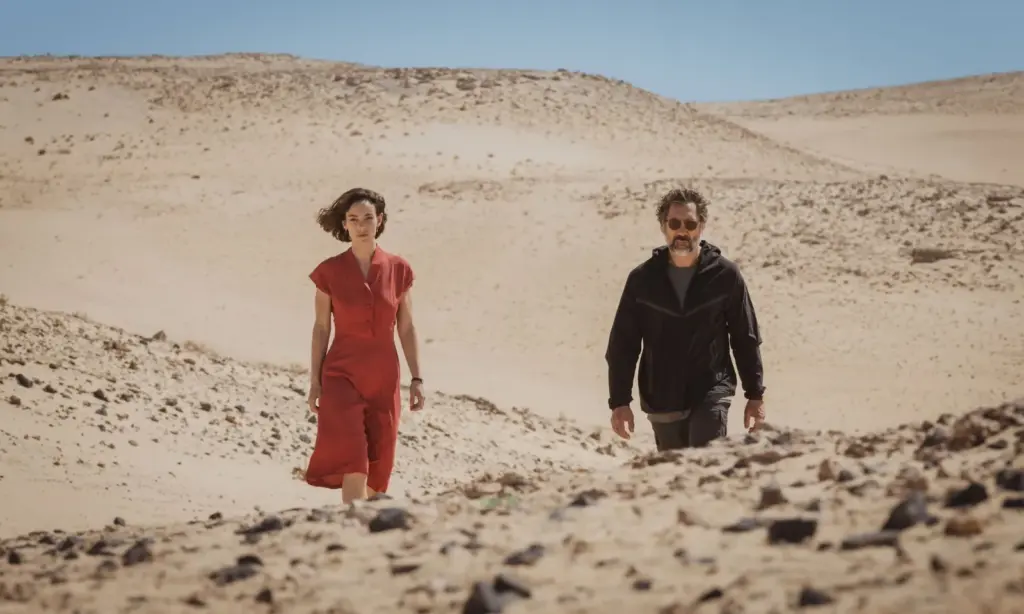
Luengo explains: “When I found out that Javier was going to be the person playing the father, I was very moved. It moved my teenage self a lot, who watched him work and admired him. And I was very moved in the present. I also thought, my goodness, how am I going to be up to this gentleman, this beast. Luckily, we started filming the first sequence, very improvised, without rehearsing. It was such a leap into the void that, when we finished, after feeling so accompanied, comfortable, and respected, I thought that if we had supported each other like that, the rest would be easy. He is an actor passionate about his craft, and that is not so easy to find.” Next to her, the Oscar winner looks at her laughing. “You are the scary one,” he points out. Bardem is slim and fit, in great shape, having arrived in Cannes from the filming of Hello & Paris, with Kate Hudson. “My Esteban is a man of his time, about sixty, I am 57, and he was raised with outdated beliefs, related to the poor identity of what it means to be a man, a misunderstood masculinity. He does not have the ability to ask for forgiveness, and I think he begins a journey towards the ability to recognize something. Many men still struggle with listening, letting the other in, and asking for forgiveness.” Esteban offers his daughter the lead role in a film set in the Sahara in the 1930s. And there he will unravel as a director and as a father.
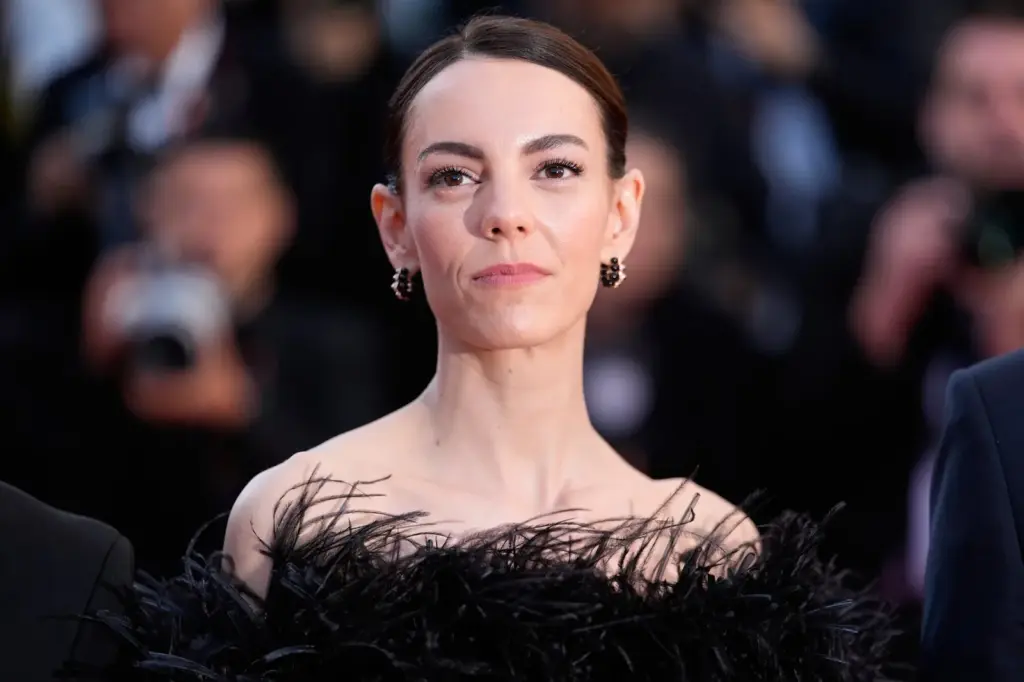
Luengo emphasizes: “Emilia is a woman with a deep wound of abandonment, who starts the film with a very strong contradiction, because she is an actress, although we do not know if she is an actress because she wanted to be or to get closer to her father. That is why she hesitates to accept the project, since, like any human being, she is a woman full of contradictions. She carries very deep wounds.”
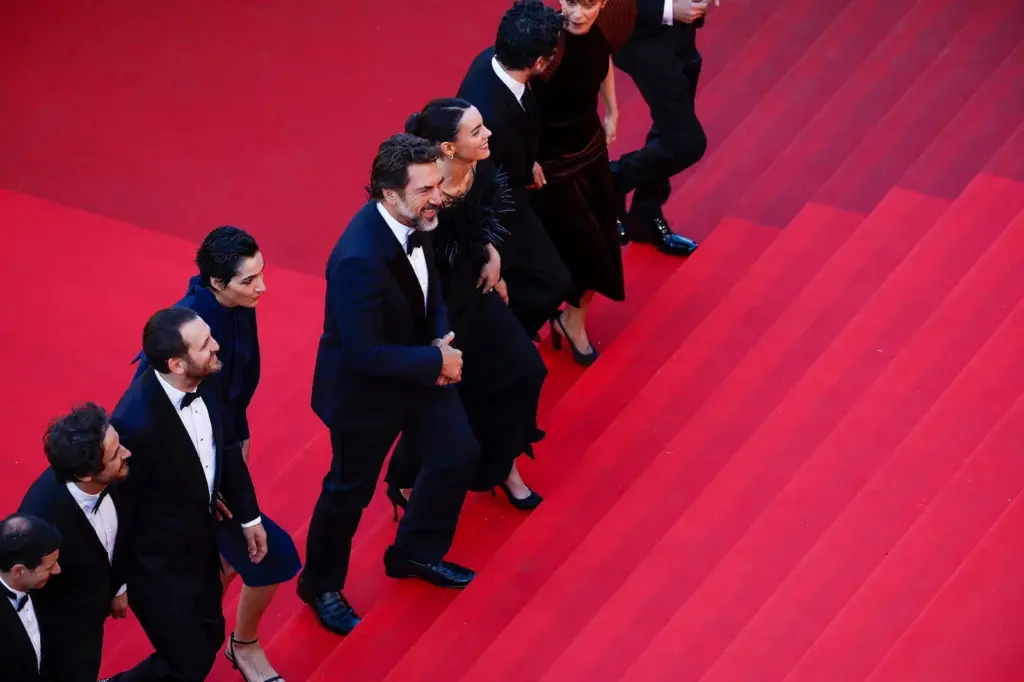
The paternal-filial abandonment and the rollercoaster relationship they experience during filming echoes in the movie they are making in the Canary Islands about the Sahara, the colony abandoned by Spain. Bardem responds: “Isabel [Peña, the co-writer], Rodrigo, and I talked a lot about that topic, which I wanted to emphasize by highlighting the abandonment of the Sahara. Because it relates to my personal history and my social activism. It is interesting to tell it and I hope it draws attention to this fact. It is a very forgotten conflict that must continue to be denounced and is like a small Palestine. With differences, of course, but they are countries abandoned by real politic.”
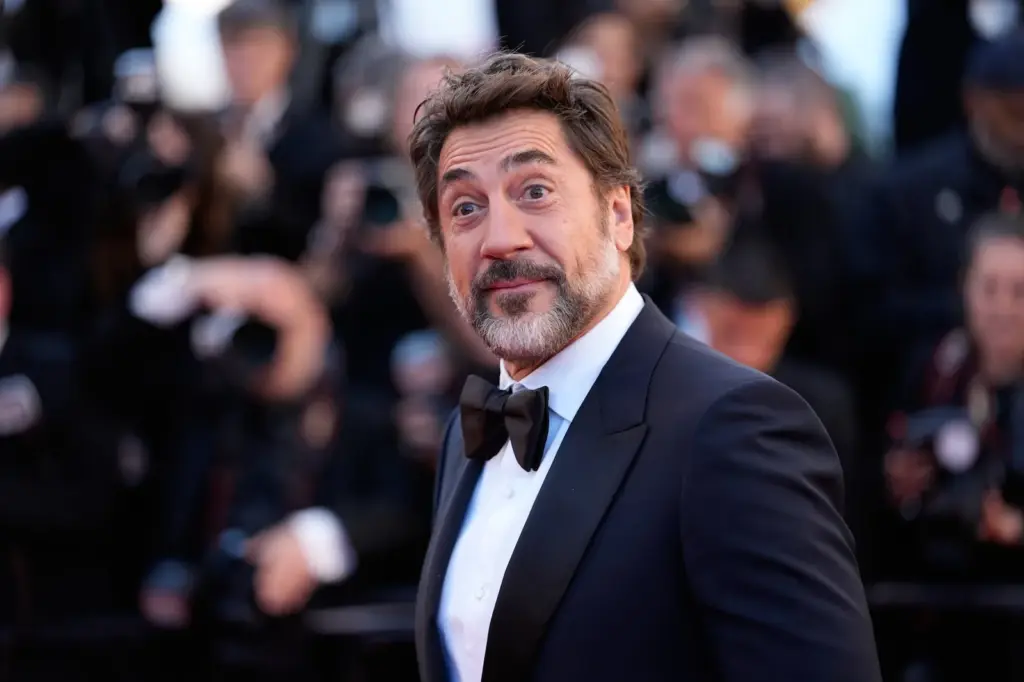
Victoria Luengo is the second actress, after Marisa Paredes, in the history of Spanish cinema to present two films in Competition in the same edition. “I feel very honored to be here. I am privileged to be here, but I am not going to revel in it. It is part of the journey, making films that make me proud with people I admire. Every night, when I go to sleep, I think about giving thanks because it is not easy and it could have not happened to me. As an actress, I fight not to give it too much importance; you have to avoid that. But I am sure I will cry this afternoon.”
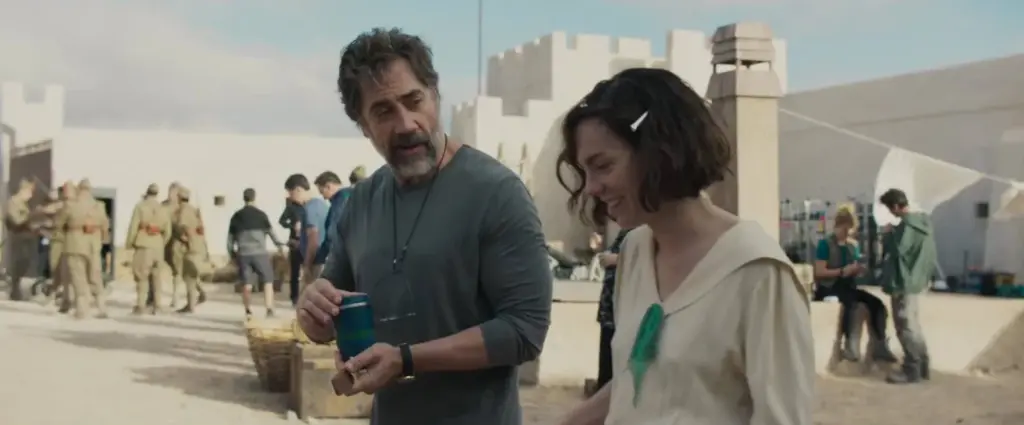
The filmmaker portrayed by Bardem comes from times of emotional abuse, from dictatorial conceptions of what a film shoot is. “I have been on shoots in the nineties where no one questioned the director’s power. That is a good breeding ground for abuse. Now there is awareness about that mistreatment, you can report those who commit it. There has been a change in the film world, and in this fiction, you see how three women say no to the dictator filmmaker.” Before moving on to another interview, the actor wants to thank Paul Laverty for his words about Gaza and about himself at the jury presentation press conference. “Paul is a reference both artistically and personally. I feel that regarding the Gaza genocide, the film world is changing. Every day more people call me supporting me, even to film. I have heard about the blacklist, although I have not noticed it. Maybe there are not more people speaking publicly, but they are recognizing themselves in the refusal to remain silent about this crime. And that has to do with the new generations who have said this is unacceptable.”