
Time accelerated in Cuba this Thursday to the rhythm of sensational news and images like that of the CIA director in Havana, never seen in seven decades of Castroism. The day ended with the reasonable certainty that change on an island on the brink of collapse, a change imposed from Washington, is approaching after more than four months of economic and political pressure from the Donald Trump Administration to accelerate the end of the regime. So this Friday, both Washington and Cuba woke up watching the next milestones of an uncertain calendar, with the President of the United States and his strongman, Secretary of State Marco Rubio, aboard the Air Force One, returning from China.
First was the official announcement of Washington’s offer of 100 million dollars to “provide direct assistance to the people” through the Catholic Church, which Cuban leaders initially rejected and then accepted after acknowledging that the mission undertaken with the military intervention in January in Venezuela − to leave the island without fuel − is producing its final effects.
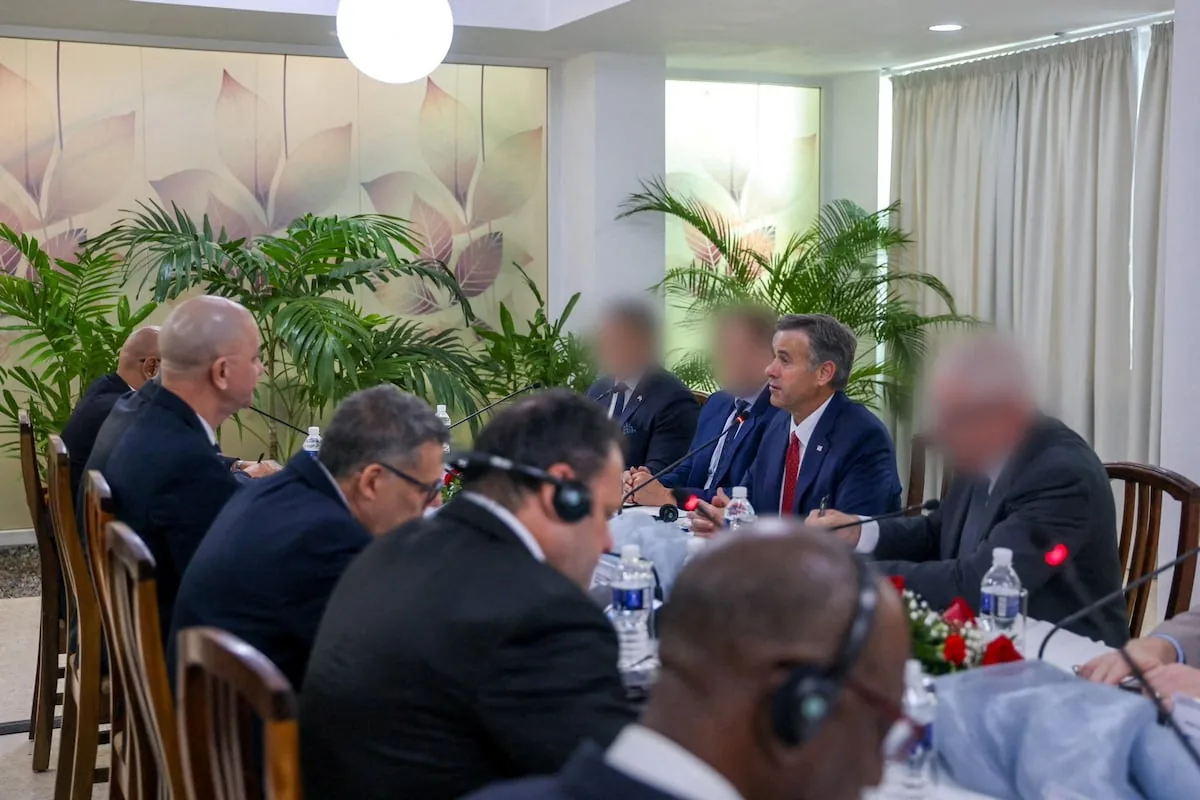
Then came the release of the political prisoner Sissi Abascal Zamora, who traveled into exile. Shortly after, the confirmation that CIA director John Ratcliffe was in Havana, as evidenced by a series of photos that make you rub your eyes. The latest was the leak to the U.S. media that a prosecutor from South Florida, the second home of an exile living anxiously for any sign about the end of Castroism, was preparing for an uncertain judicial adventure: charging 94-year-old Raúl Castro for the 1996 downing of two planes from Brothers to the Rescue, a humanitarian organization based in Miami. Four people died in that attack. The possible legal step would represent a new pressure measure in the strategy Washington seems to be following toward Havana, similar to that used in Venezuela or even Iran: loaded with sticks, but with few carrots.
In the rhetorical escalation of Trump and his government, the “taking” of the island is taken for granted, but with the rush of these events, it is no longer so clear that it will come, as the Republican promised, once the crisis in the Middle East is resolved. The war against Iran remains stuck in an impasse of crossed peace proposals and the collapse of global energy trade due to the closure of the Strait of Hormuz in the Persian Gulf.
The President of the United States has been focused this week on Taiwan and his meeting with Chinese President Xi Jinping, and the reporters accompanying him on the presidential plane did not question him about Cuba, which deprived the world of a new dose of his contradictory messages.
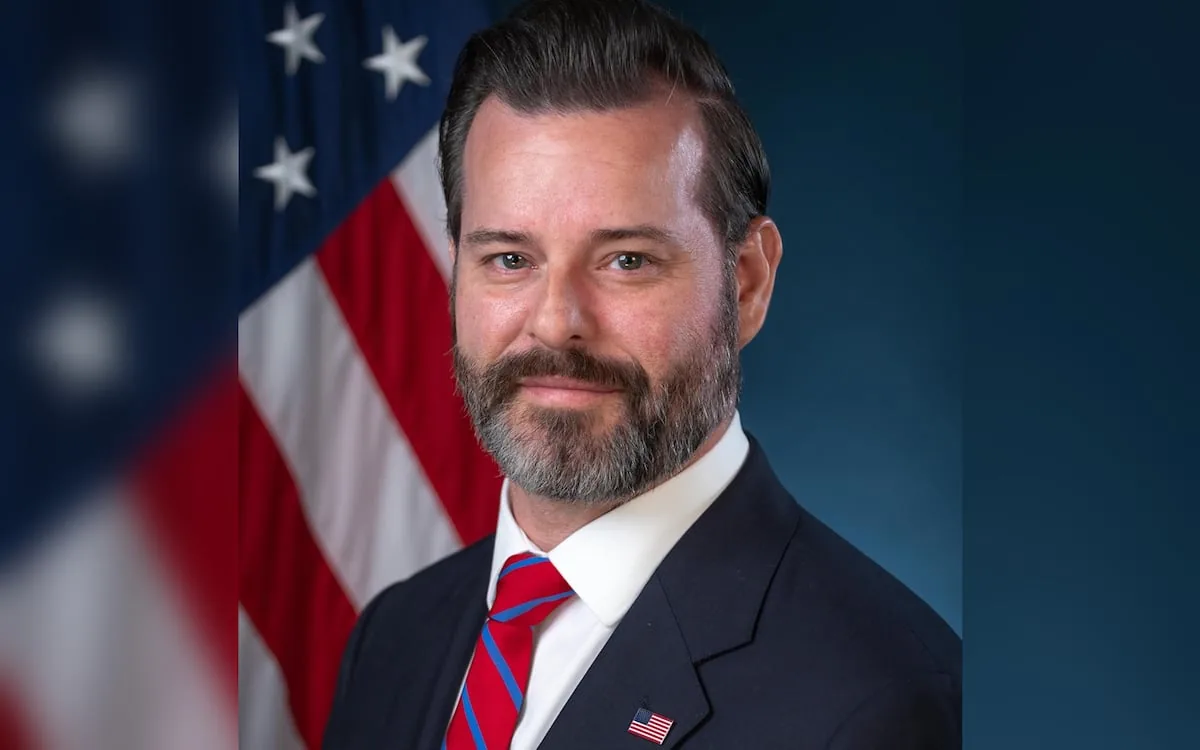
The CIA director, who arrived with the warning to Havana to refrain from collaborating on intelligence matters with China and Russia, is the highest-ranking U.S. government official to set foot on the island since Trump’s campaign began. His presence marks a step forward in Washington’s pressure strategy and its design did not seem left to chance; it took place the day after Vicente de la O Levy, Cuba’s Minister of Energy and Mines, announced that oil supplies for domestic consumption and power plants had run out. And that includes the million barrels of Russian origin that Washington let pass in April.
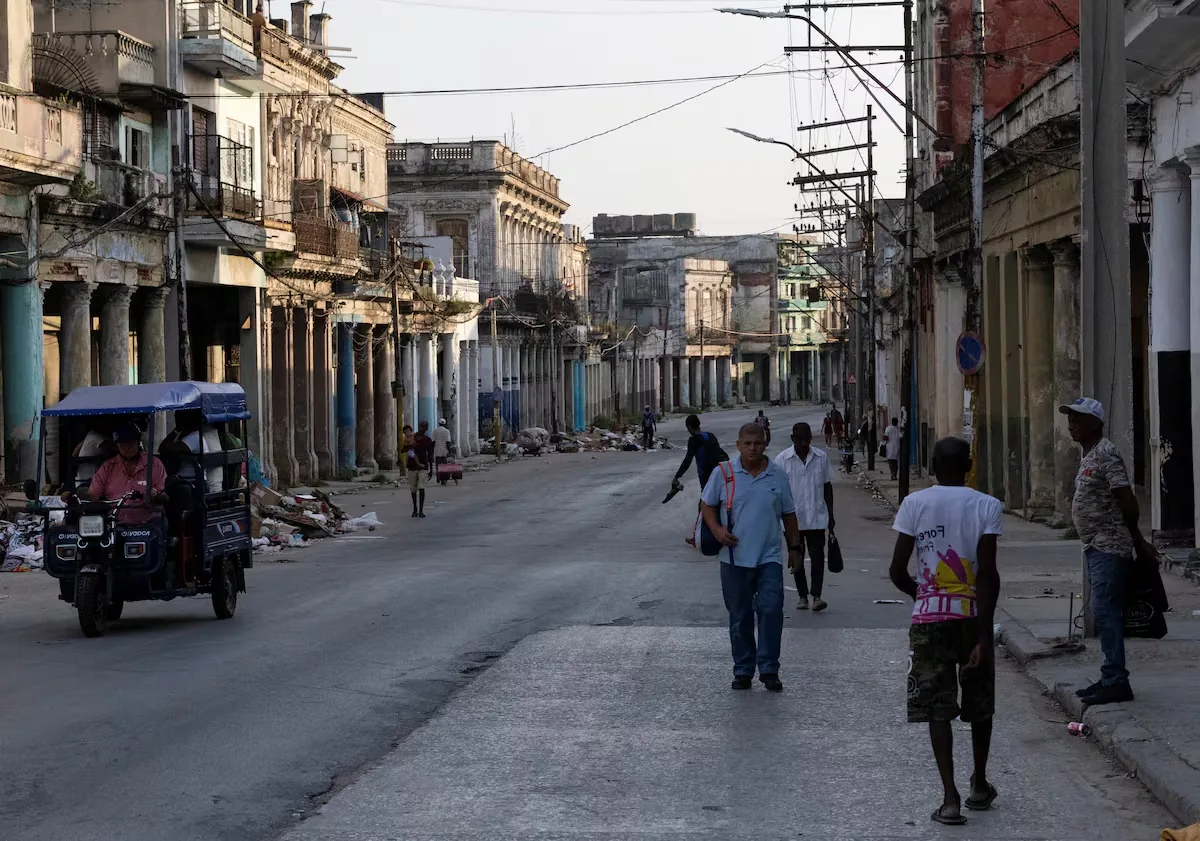
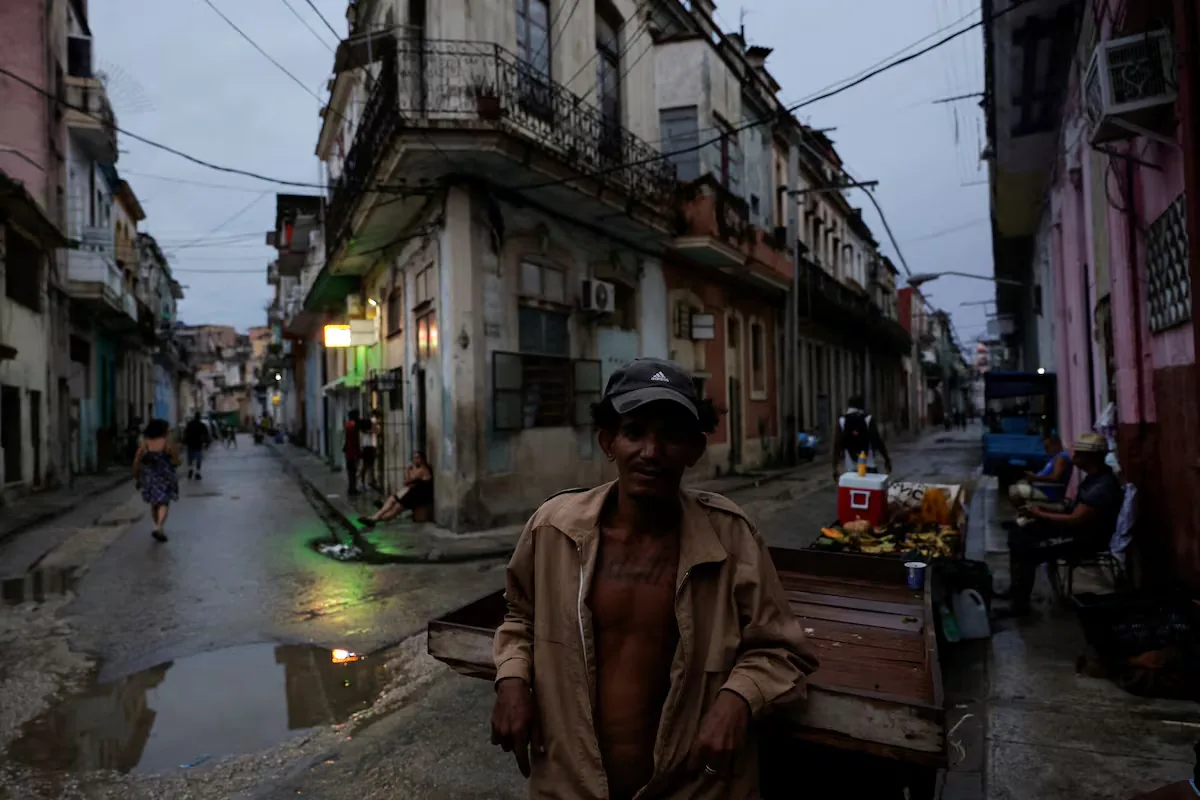
“We have absolutely no fuel, absolutely no diesel. In Havana, blackouts today exceed 20 or 22 hours [per day],” said the minister, who preferred to spare the part where his compatriots, continuously on the edge of the abyss and always a little more at the limit, protest with the noise of pots and pans in streets blocked by accumulated garbage set on fire and with useless gas stations. “This dramatic worsening has a single cause,” wrote Cuban President Miguel Díaz-Canel on X: “The genocidal energy blockade to which the United States subjects our country.”
The Trump Administration’s decision to send Ratcliffe to sit at the negotiating table with Cuba’s Minister of the Interior, Lázaro Álvarez Casas, and the island’s intelligence chief, General Ramón Romero Curbelo, a meeting the CIA conveniently publicized, not only stirred doubts about who really rules Cuba; it also fueled the enigma about a figure who has taken prominence since Washington is suffocating the island: Raúl Guillermo Rodríguez Castro, known as El Cangrejo, the grandson and bodyguard of Raúl Castro.
In a pre-recorded interview with NBC aired Thursday night, Marco Rubio, son of exile, insisted that Cuba’s prosperity is a “matter of national interest” in the United States. “We don’t want a failed state 150 kilometers from our shores,” warned Rubio, who also repeats that the United States could settle for broad economic reforms, leaving, at least for now, drastic changes in its political structure for the future. Or, in plain language, to copy the Venezuelan model to apply it on the island that was for years the main support of Chavismo.
Read more Juan Carlos Carpio, the financier who will take the reins of Pemex
Although the similarities, and the possibilities of exporting that model, are not absolute. Castroism is not Chavismo. And the involvement of the U.S. government itself is not identical either. Rubio, son of Cuban immigrants, has expressed on several occasions his doubts about the competence of the regime in Havana: he usually points out that it is the lack of capacity of its leaders that has ruined the island’s economy, not the blockade nor the other U.S. pressure measures.
Rubio repeated that idea this very week, in an interview with Fox News. There he expressed his skepticism about the possibility of “changing Cuba’s trajectory while those people are in charge of that regime.”
To those arguments, the CIA added another on Thursday, also worn out, in the statement following the meeting in Havana: Cuba, the text accuses, is a “refuge for the adversaries of the United States,” in a thinly veiled reference to Russia and China.
The Communist Party of Cuba defined that meeting with the CIA director, a senior official who had already been secretly received in Havana during Barack Obama’s time, as “part of efforts to face the current scenario.” The Ministry of the Interior, in charge of the large espionage and repression apparatus, spoke, for its part, of “developing bilateral cooperation,” and defended its “unequivocal condemnation of terrorism in all its forms and manifestations.”
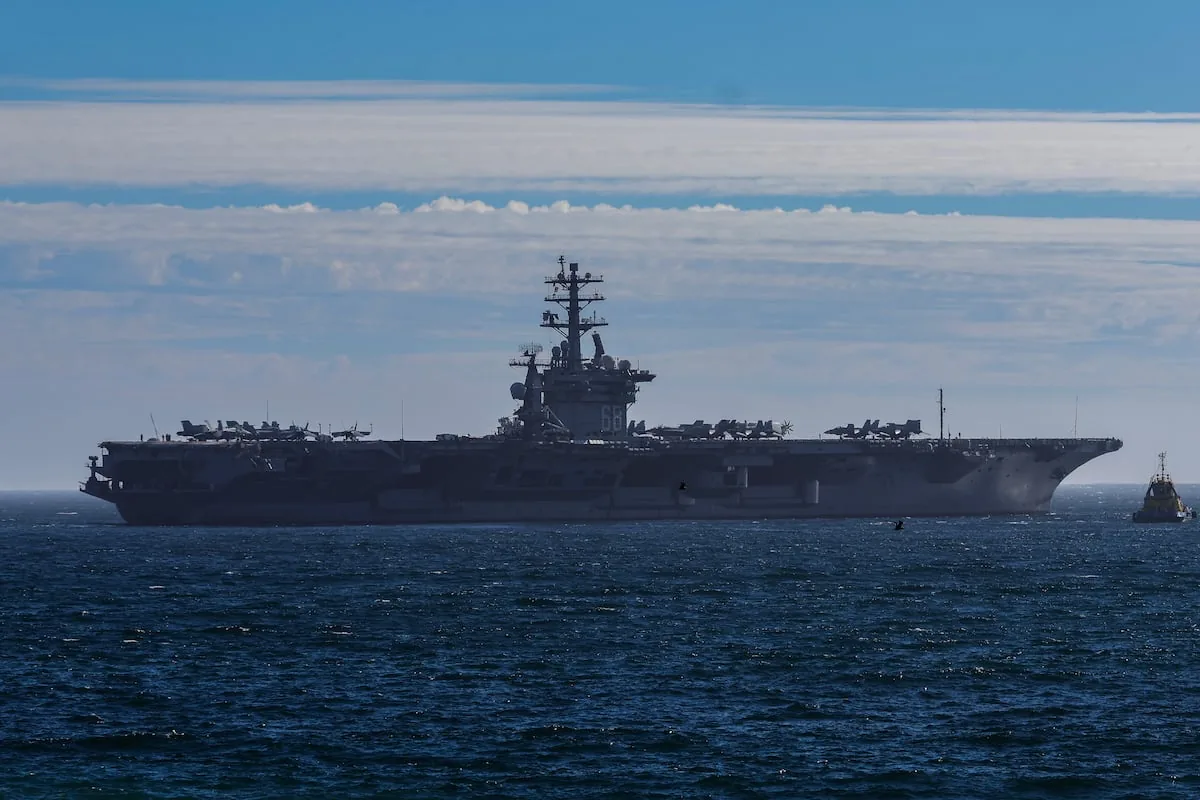
With those words, the regime added euphemism to the repertoire of contradictory stances its officials have wielded in recent months, while enduring Washington’s pressures. The messages have oscillated between willingness to cooperate with Washington and warnings that “any external aggressor” to the island “will face an impregnable resistance,” while Trump hints that he could send a powerful aircraft carrier to finish the job. Meanwhile, and despite the pressures from U.S. negotiators, the massive release of political prisoners has yet to arrive.
In February, it became known that Rubio was in talks with El Cangrejo, and that he had traveled to the capital of Saint Kitts and Nevis, within the framework of the Caribbean Community (CARICOM) summit, to hold a meeting with the Secretary of State’s advisors. In March, President Díaz-Canel, whose role in this process is also in question, acknowledged for the first time that they were negotiating with the Trump Administration. Then came the first visit of a U.S. delegation to Havana on April 10.
Thursday’s visit, to which Ratcliffe arrived aboard a Boeing C-40B Clipper, coming from Andrews Air Force Base — used for official trips of the U.S. president and other senior officials due to its proximity to Washington — is the second visit since Trump’s pressures began. What will come next (whether only an economic change is applied, a comprehensive political reform, a tutored transitional state like Venezuela’s, or everything stays as it is) is still a mystery in a Cuba on the brink of collapse where time accelerated this week.
Read more The surprising surrender of General Gerardo Mérida