









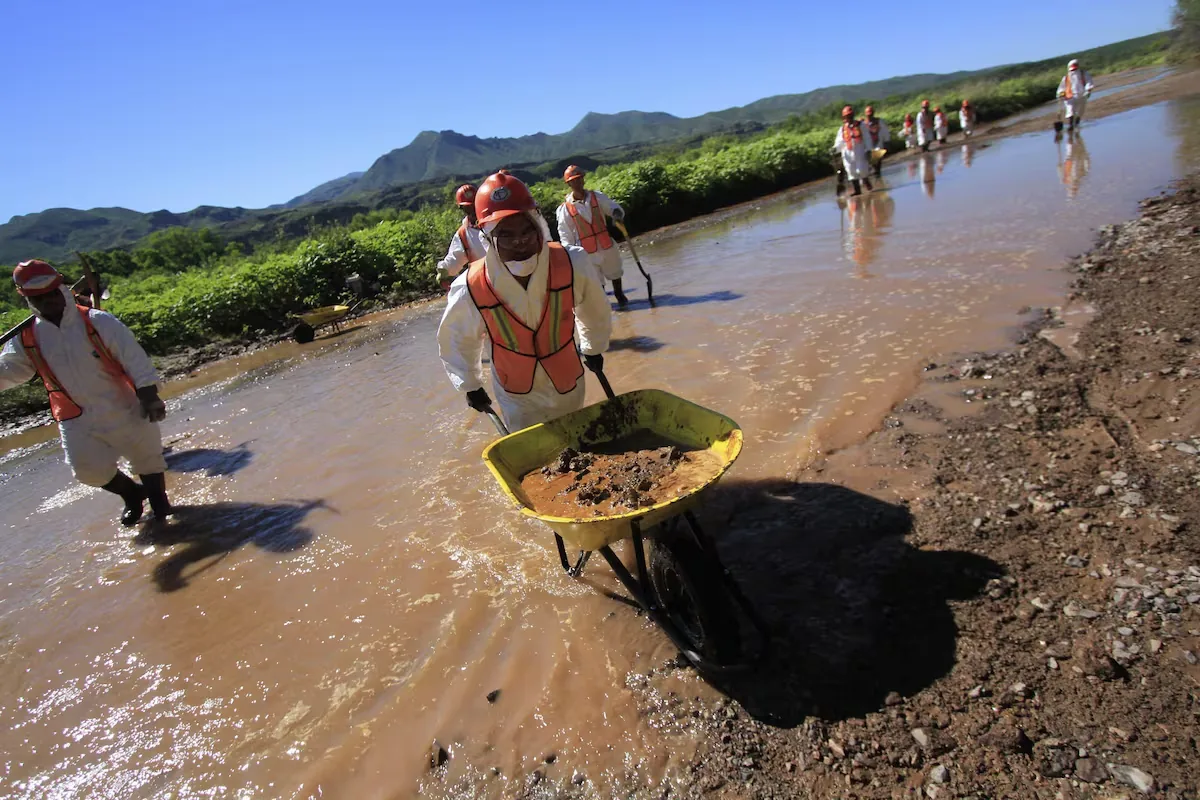
María Filomena Bonilla Oliva is 61 years old and can no longer walk without the aid of her cane or someone to accompany her. She lives alone in her home in the community of San José de Gracia, about 50 kilometers from Hermosillo, the capital of Sonora. In 2022, Mena, as her friends and family know her, was confirmed to have six heavy metals present in her body. That same diagnosis came too late for her 72-year-old husband, who died four months before they received the results. Bonilla Oliva and her husband are just two of the inhabitants of the Sonora River basin who were severely affected after the spill of 40 million liters of acidified copper sulfate that the Buenavista del Cobre mining company, owned by Grupo México, dumped into the waters of the Sonora and Bacanuchi rivers on August 6, 2014. 12 years have passed of institutional mistreatment towards the hundreds of victims of this disaster and impunity in the case, where the company continues to operate normally despite the inaction of successive governments.
Read more What might Sheinbaum and Ferguson have talked about?
Mena survives by paying for her own treatments amidst continuous emotional and physical exhaustion due to the indifference of the authorities. “I feel very let down because I believe the insensitivity lies with them. It doesn’t matter what color, what party they belong to, they have all been the same. They have shown no sensitivity towards the suffering people, because they have all the investigations, all the studies have been carried out, but they always want to start over. It’s already 12 years of waiting, but the government has not yet delivered results. Everything remains up in the air, in meetings, in photos, in speeches, and in their publicity,” she laments with a sad and tired voice on the phone.
Mena needs prostheses for her knees; doctors told her that the veins in her legs are blocked. She has been “dealing” with her thyroid for two years, where she also has cysts that, they tell her, only need to be monitored annually. The pain in her legs is now unbearable; she says it also has a severe emotional and psychological effect because she can no longer water her plants or tend her land as she used to. Nor can she go to the nearest IMSS Bienestar hospital by herself anymore; paying for a taxi is very expensive, and walking, even a short distance, is unsustainable for her.
It was that same hospital, located more than 50 kilometers from her home, that she stopped going to because on her first visit, the doctor on duty asked her about her symptoms and illnesses, and without examining her, prepared a medical prescription with an order for tests that could determine the presence of metals in her body. When Mena asked if those tests would be done there, the doctor replied no, that the State did not have those resources, and that she should go ask the responsible company for them. “She told me to go to Grupo México so they would sponsor them for me. ‘How can you tell me that, doctor, do you think if we are suing them, they will welcome me with open arms?’ I replied.”
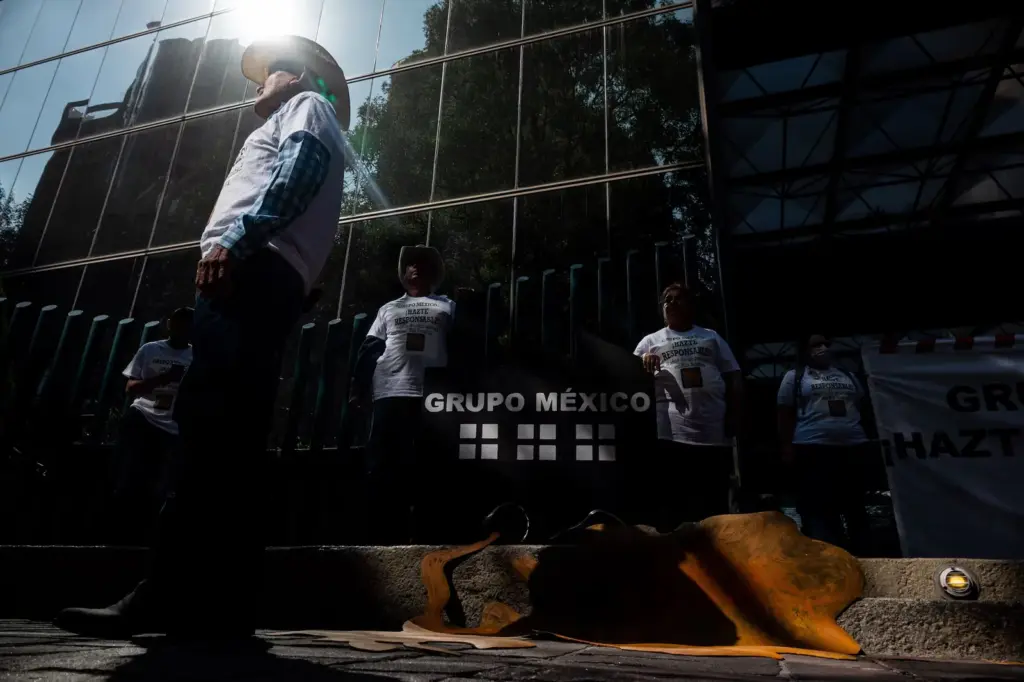
On August 6, 2014, the worst mining disaster in Mexico’s history occurred. The toxic waste dumped into the water bodies that supply communities around the Sonora River basin affected the health and lives of some 22,000 people from the communities of Cananea, Arizpe, Banámichi, Huepac, San Felipe de Jesús, Aconchi, Baviácora, and Ures.
Many of these families abandoned their towns due to sick land where nothing could be cultivated anymore. The water and air are also still contaminated, and remediation actions have remained on paper. Residents of the affected municipalities created the Sonora River Basin Committees (CCRS), through which they communicate and maintain their fight against the company, which they have sued for some 55 omissions verified by the Federal Attorney for Environmental Protection (Profepa) and 11 ‘amparo’ lawsuits to push for a true reparation of the damage, which has not happened so far despite what the Government has repeatedly communicated.
Lawyer Cynthia Arco, from the civil organization Poder Latam —which has accompanied the eight affected communities since the first moments after the tragedy— defines the actions of governments at all levels and the company as “a simulation”.
“The CCRS have achieved victories in the country’s highest judicial instance, where it has been determined that Grupo México has not complied with remediation, and that the Río Sonora trust, which was supposed to be the payment mechanism for the damages, was a simulation, a failed mechanism. And despite all these judicial decisions and all these victories, Grupo México resorts to administrative courts that are inferior to the Supreme Court with the purpose of maintaining these endless justice processes, of challenging with arguments that have no legal basis to delay justice,” she says.
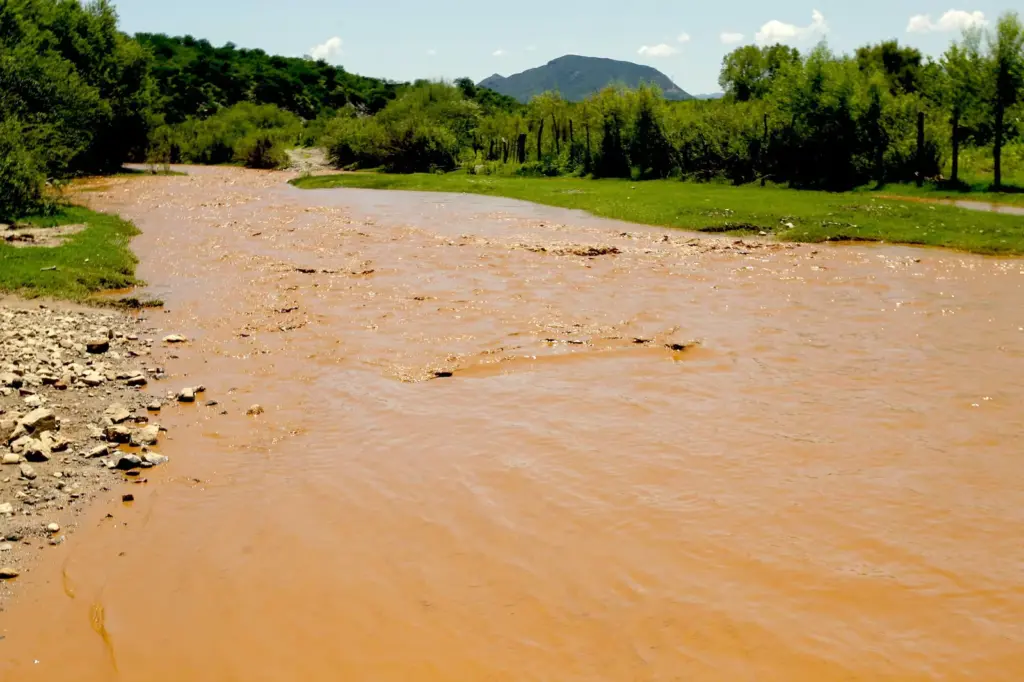
Arco recalls that in 2014, Profepa signed an agreement with Grupo México to repair the damages from the spill, and from that agreement, the Río Sonora trust was born, which, in communiqués, announced that they committed to contributing 2 billion pesos, including an initial contribution of 500 million. “In these processes, victims were never given citizen participation,” she claims. Furthermore, three years later, in 2017, that trust was closed with opacity without verifying compliance with what was promised.
Read more Presidential notice
It is something Mena also mentions, who assures that she has been present with all the authorities who have approached the committees, of which she is a part, and to whom she has personally asked again and again that their testimonies be taken into account in the decisions made and that they be informed about what the Government has negotiated with the company. Arco adds: “All this data, the doubts, all these lack of guarantees, this lack of transparency, this simulation on the part of the authorities, make people feel that the same vices as in 2014 are being repeated. Because an agreement is being celebrated again with the company behind closed doors, with confidentiality clauses, without giving people participation, without truly addressing all the historical demands of the communities.” Until now, neither the legal defense of the affected communities, much less the inhabitants, many of whom are seriously ill, know exactly what the Government of Claudia Sheinbaum and the company have agreed upon in this case, which in fact has involved 12 years of impunity and abandonment of the victims.
In late 2021 and early 2022, the Ministry of Health, through the National Center for Disease Prevention and Control (Cenaprece), conducted blood and urine tests on 1,500 people, identifying 705 cases that tested positive for lead in the blood requiring lifelong treatment, and further determined that 99.8% of the population is exposed to heavy metals in a “homogeneous” manner.
“This means that in the eight municipalities there is still a presence of contaminants and they require epidemiological surveillance and health care in toxicology throughout the basin. However, of these 1,500 people, 705 already require lifelong treatments, already present chronic diseases such as arsenicosis, cancer, kidney damage. Some people will even require chelation [a therapy that uses intravenous or oral drugs to trap heavy metals or toxic minerals in the blood and eliminate them from the body through urine],” the lawyer recalls.
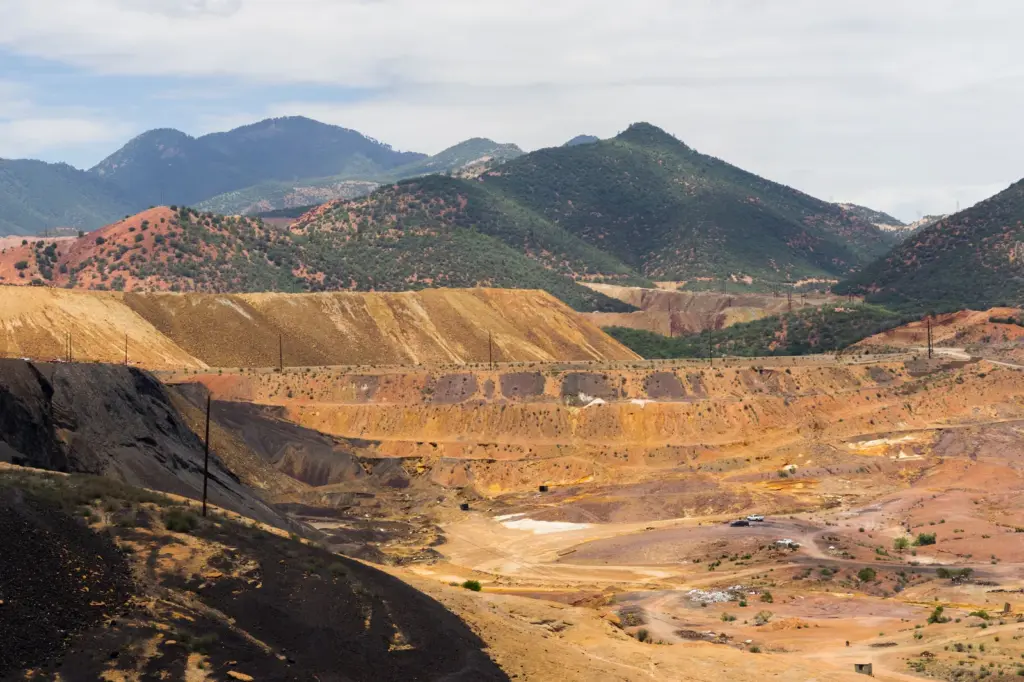
With this data, Poder Latam filed a request for precautionary measures via ‘amparo’ before a court. “The district judge categorized the matter as urgent and serious and ordered that comprehensive medical care be provided to the people, that environmental and health authorities coordinate to issue alerts to the population, that monitoring be carried out, and that measures also be issued in favor of children living in the different school campuses of the basin, precisely because children do not know and consume water directly from the tap, which has resulted in children having high levels of lead in their blood. To date, the authorities have not complied with these precautionary measures. In the Sonora River, there is no urgent care plan to address these health problems,” says Arco.
In contrast to the dozens of Mena’s companions who have died in recent years and the illnesses and damages to the communities directly affected by the toxic spill, the activity of the responsible company, Grupo México, owned by businessman Germán Larrea, the second richest man in the country, is booming. The group just signed an agreement last April with BlackRock, the world’s largest fund manager, to create an energy platform with 14 generation plants strategically located in high-demand areas throughout Mexico. Although lawsuits for its waste management or illegal spills in various parts of the country have not ceased. In 2019, the Mexican government opened an investigation into the spill of 3,000 liters of sulfuric acid into the Sea of Cortez, a natural jewel and reserve in the northwest of the country, just to mention another example.
A ‘ghost’ hospital
In December 2025, the federal government announced the construction of a specialized hospital to provide care to this population. Just a few days ago, for the anniversary of the tragedy, the Government of Sonora, led by Morenista Alfonso Durazo Montaño, symbolically laid – once again – the “first stone” of a medical center that had previously, in 2015, also been promised as a measure of remediation and “environmental justice”. Through a public statement read during the ceremony, the CCRS said: “That project was never completed; it was a monument to impunity that still stands today, and in our sight. Today, for the second time, the first stone of a hospital is being laid, representing an enormous debt to the communities of the Sonora River”.
As of August 4, they stated, and despite the time elapsed since the hospital announcements, there is no public evidence that the work has begun. “This does not prevent the Ministry of Health, IMSS Bienestar, or any health authority at the three levels from implementing the ordered actions. As Mena says, there isn’t even a toxicologist in the region to address this problem. Despite being one of the main mining states in Mexico, there are no means of prevention. We continue fighting for them. So, the fact that there is no health care plan does not solve the hospital problem; the problem would still be a building [also without the necessary budget], but truly without the capacity to address a serious problem like that of the Sonora River case, in epidemiological and toxicological matters,” says Arco.
Neither the Official Gazette of the Federation (DOF) nor other formal documents account for the agreements between the Sheinbaum Government and Grupo México. Nor are there official traces of the money available to remedy the health and territorial damages after 12 years of the worst mining disaster in the country’s history.
Read more Lessons from Brazil for our right