They are one of the literary charms of Buenos Aires and their shelves offer literature throughout the country: about 1,500 bookstores and more than 500 small and medium publishing companies exist today in Argentina. That ecosystem, warn its protagonists, is at risk. “A network of bookstores, and the cultural life around them, can take decades to form, and very little to lose,” states a joint declaration from the main organizations representing those who publish, sell, and write books in the South American country. The warning signal was triggered in rejection of a project by the government of Javier Milei to deregulate the sector.
The initiative aims to repeal the law protecting the bookselling activity and is the third attempt by the Executive in that direction since the far right came to power at the end of 2023. Approved 25 years ago, the current law establishes that books can only be sold at “a uniform retail price,” set by the publisher or importer. The regulation allows a few exceptions: discounts not exceeding 10% at book fairs and related activities, reductions of up to 50% only for purchases made by public bodies, for free distribution.
It is a regime similar to that operating in many countries, such as France, Spain, Germany, and Mexico, among others. The purpose of the fixed price is to prevent large supermarkets—and today also large web platforms—from offering the best-selling titles, the bestsellers, with discounts that destroy that diverse world that includes neighborhood bookstores and independent publishers.
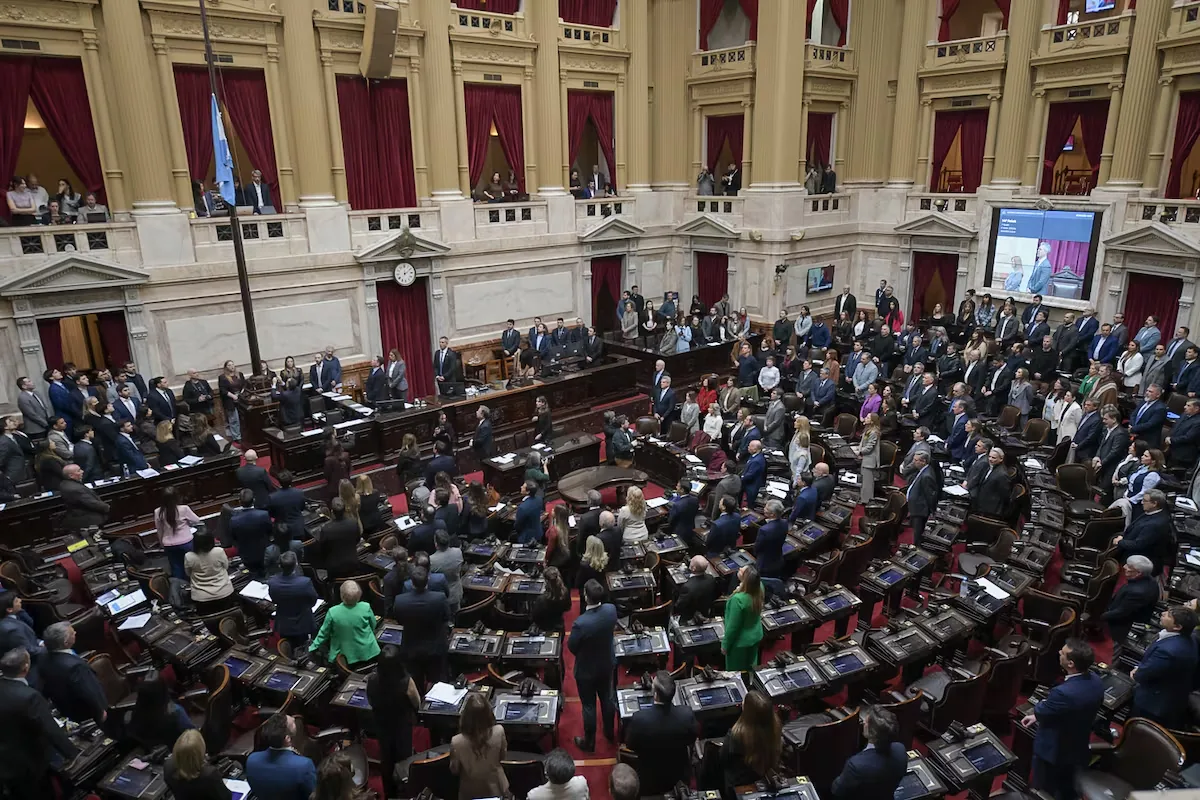
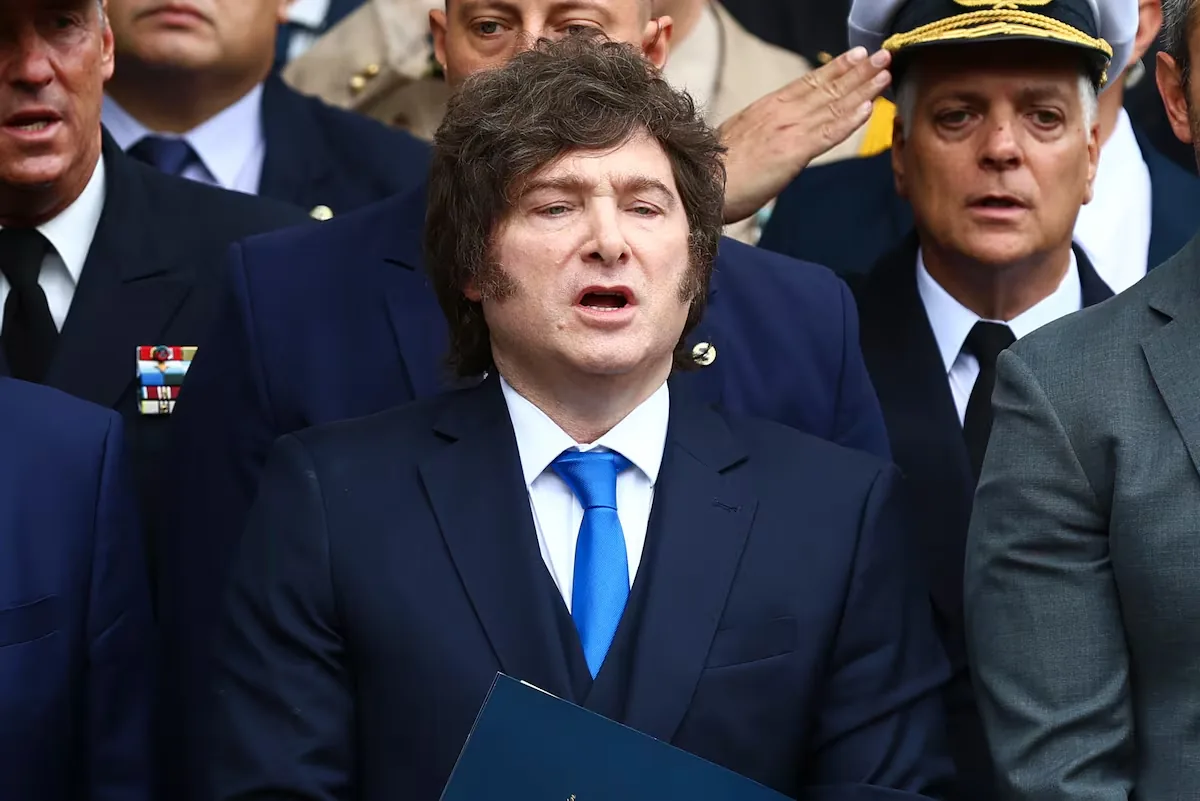
The project to end that scheme was prepared by the Ministry of Deregulation, headed by Federico Sturzenegger. In addition to repealing the unified price, the proposal from the Colossus, as Milei calls his minister, dismantles the National Fund for the Promotion of Books and Reading.
“In Argentina, there is a law that does not allow you to sell cheap books, it forces you to sell them at a uniform price throughout the country,” Sturzenegger defended his initiative. “I wonder on what planet or in what universe could one oppose books reaching consumers cheaper. I wonder how someone can think that culture is defended with expensive and inaccessible books,” he argued through his social networks. Without established prices, he maintained, “competition would simply force [the sector’s actors] to offer more products and at better prices.” From his perspective, the dilemma is posed between “defending a business protected by a law or thinking about the people.”
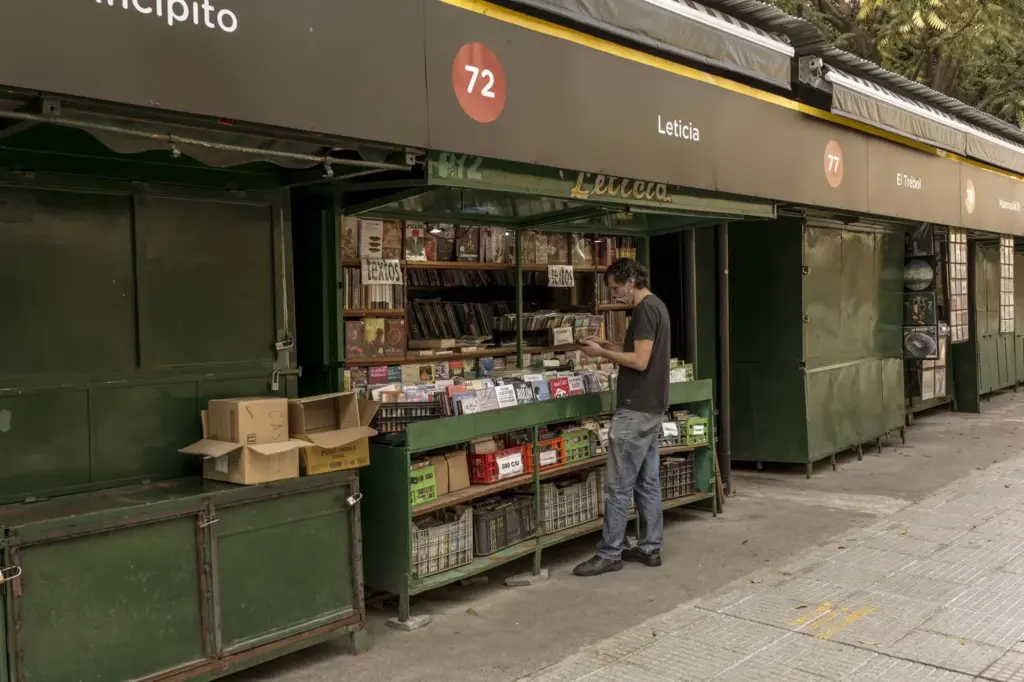
The rejection of the far-right government’s project is widely majority across the entire book production chain, bringing together branches of multinational companies and independent publishers, large and small bookstores. This was reflected in a declaration defending the current law by the Argentine Book Chamber, the Argentine Publications Chamber, the Federation of Bookstores, the Chamber of Independent Bookstores, the Argentine Union of Writers, the Argentine Society of Writers, among many other sector organizations. “If our cultural, literary, and intellectual life is recognized throughout the geography of our language and beyond, it is largely due to a broad and diverse network of bookstores,” they state in the joint statement. “These are bookstores that carefully select their catalog, bring it closer to their readers in every city, in every town, and sustain countless cultural activities. That network is what makes the existence of hundreds of small and medium publishers viable, and it is those publishers who publish new authors.”
In the same statement, they respond to the government’s arguments: “International experience disproves the official promise. Where the uniform price was repealed, books did not get cheaper. In Switzerland, the study commissioned by the State Secretariat for Economic Affairs after the 2007 repeal found no significant changes in prices. In the United Kingdom, official indexes show that after the fall of the Net Book Agreement in 1995, book prices grew above general inflation, despite wider and deeper discounts. What did happen was the decline of independent bookstores and the shift of sales towards chains and non-specialized channels.”
Read more What might Sheinbaum and Ferguson have talked about?
More titles, fewer copies
The drastic reform the government seeks to implement occurs in a particular context for the publishing industry, affected by declining consumption and income, especially among the middle classes, and by the withdrawal of the state. Sales in bookstores, the sector estimates, have dropped by about 30%. Although in the last year, the Argentine ISBN Agency registered a total of 36,942 publications, a 17% increase compared to 2024, in the same period there was a marked drop in total print run: it went from 52.6 million to 34.6 million copies, a decrease of more than a third. That contraction is largely explained by the abrupt decline in institutional purchases and for state educational publishing programs, which went from representing 29% of the total print run in 2024 to only 5% last year, according to the latest report from the Book Chamber.
“Even with problems and Argentina’s crises, we have a very powerful publishing industry that provides excellent books by very good authors, with great translations,” says writer and editor Damián Ríos, co-director of the Blatt & Ríos imprint. “The current law,” he adds, “allowed us to go from about 500 bookstores to around 1,500 and for hundreds of publishers to be created thanks to the fact that we can market titles that are niche in many cases, for an Argentine audience that is very sophisticated in its readings, with very diverse interests.” The editor emphasizes the weight within the system of books that are not big sellers. “The title that sold the most in recent years in the country is Sincerely [the book by former president Cristina Kirchner]. It sold about 400,000 copies. Yenny [the largest bookstore chain in the country] sells 5 million books a year. That is, 10 times more than the book that sold the most in the last 15 years. The weight of bestsellers is about 12% of total sales. The books that nobody reads are almost all of them,” he highlights.
One of the government’s central arguments to promote its project is that, it claims, it will foster competition. “Publishers already compete, we all want the reader to dedicate their time to our books,” says Ríos. “We compete by making books that are well written and well edited… We talk with authors from the moment they have an idea, they send us a draft, we comment, make suggestions, then we correct it, look for an attractive cover, publish it, and take care of distributing it. A book is months or years of work.”
For Rodolfo Hamawi, professor of Cultural Economics and former national director of Cultural Industries (2009-2014), the key to the current book regime is that “it guarantees bibliodiversity: the existence of many titles, thematic diversity, and accessibility. Those three characteristics found in Argentina are not seen in many countries, even less so in Latin America.” The author of Books and Governments warns that “there is no bibliodiversity without bookstores. Because specialized premises are needed to house and display the more than 30,000 titles published each year. If bestsellers are sold cheaper by a supermarket, those bookstores will close, because to be able to sell 500 poetry books a year they also need to be able to sell those bestsellers. So, something that in immediate terms may, for some titles, mean a price drop, will end in a process of concentration.” The government, Hamawi concludes, “forgets or does not care that the book is a cultural good, a public good. There our authors and our culture are expressed, our identities are built, and young people are educated. There we share views about our history, our future, and our present. A book is much more than just any commodity.”
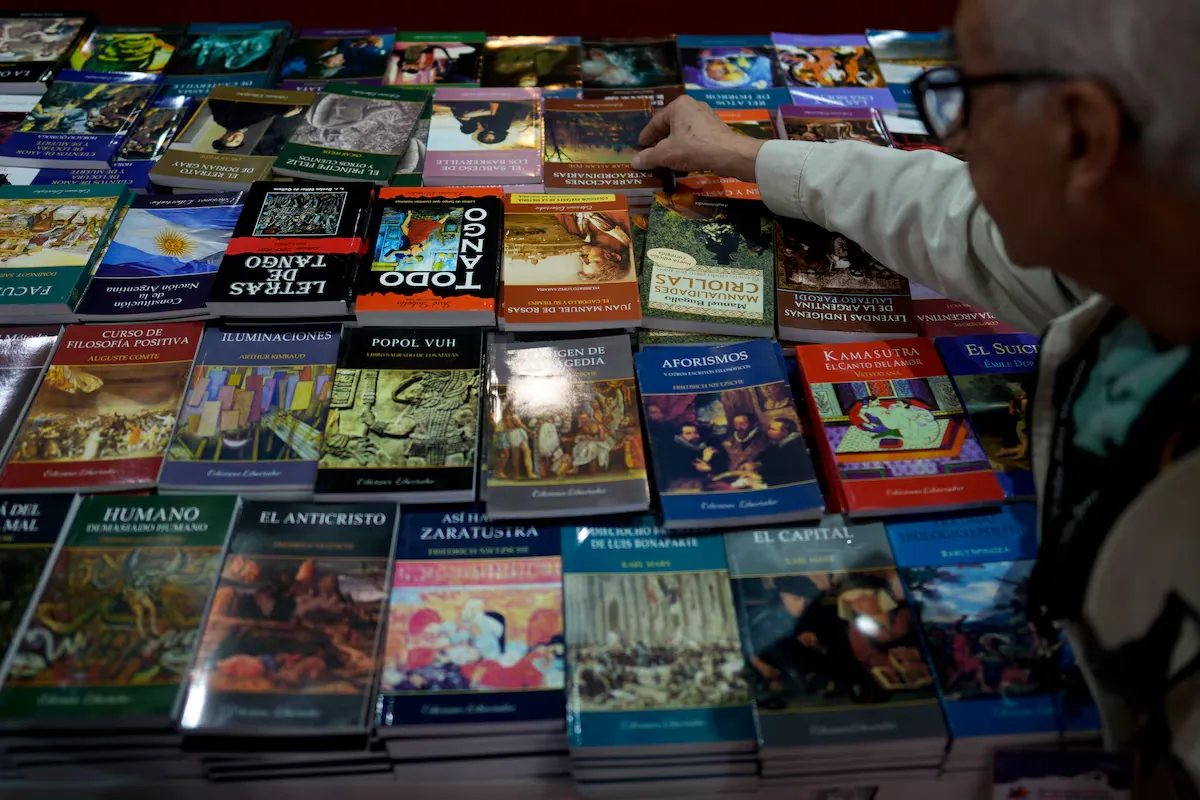
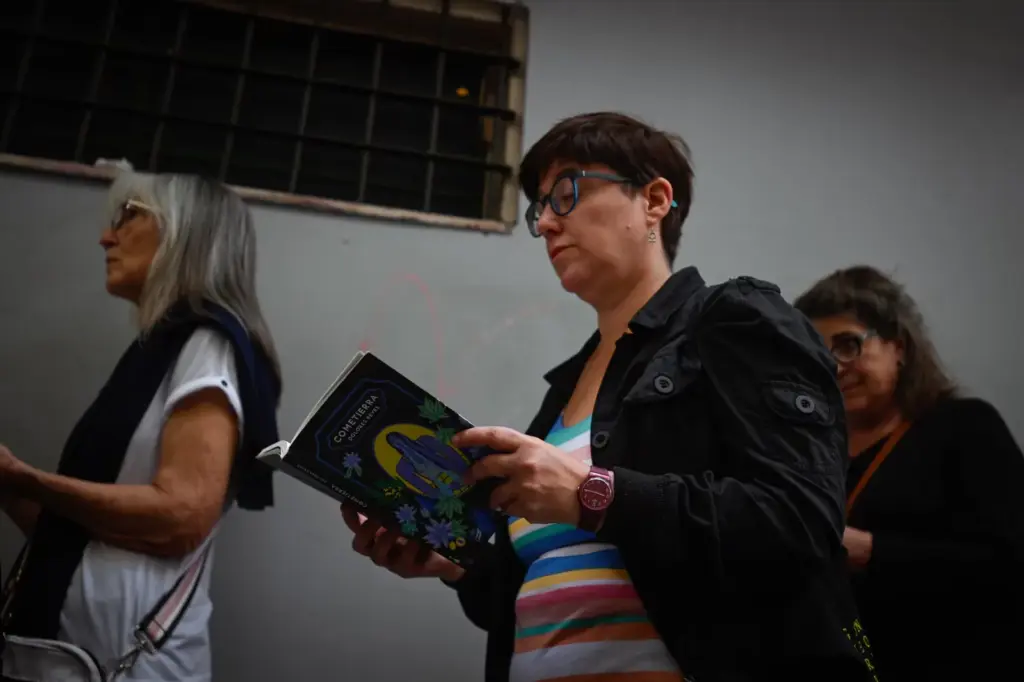
The sector’s consensus in defense of the law and rejection of deregulation is palpable these days at the Editors Fair (FED), open in Buenos Aires until this Sunday. Among the books exhibited by more than 300 small and medium publishers from the region, signs can be seen with slogans such as “no to the repeal of the book law,” “we defend the bookselling activity,” and “Argentina defends its cultural sovereignty.” In the fair’s aisles, which bear the names of renowned deceased writers such as Juan José Saer, Juan Forn, Sara Gallardo, and Hebe Uhart, smiles and comments show a sudden change of mood: the pessimism that had reigned among editors, booksellers, and authors for weeks turned into hope in recent hours. In the early hours of Friday, the Argentine Senate put a stop to one of Milei’s main projects for this year, his proposal to eliminate limits on the foreign ownership of the country’s lands. The far right lost part of the parliamentary support it had, and the failure gave way to rumors that the Executive might postpone its battery of deregulation initiatives. At the FED, the Córdoba publisher Documenta offers to stamp its copies, as an exlibris, with two legends: “a book is not a yogurt” or “books are also our territory.”
Read more Presidential notice