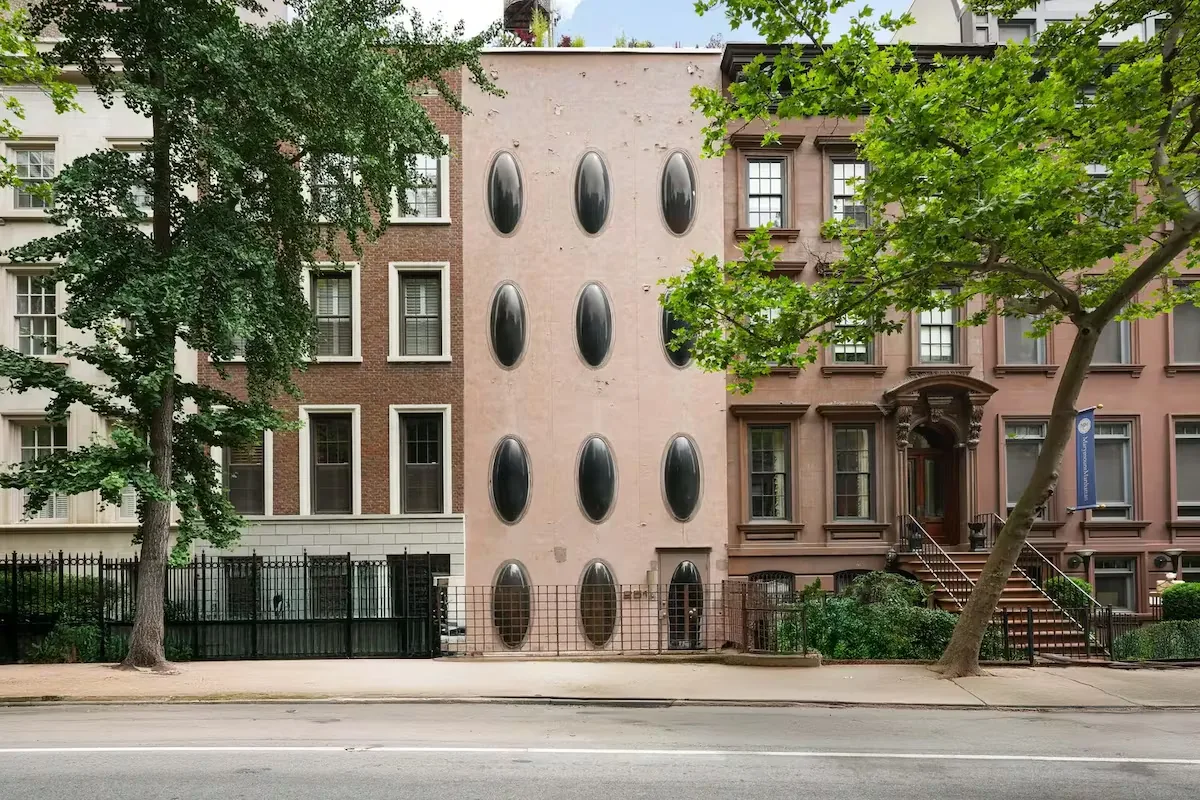
The Bubble House already has a buyer. Unfortunately, the new owners do not seem very willing to keep its peculiar facade intact, the detail that makes it unique. Adriane Quinlan, editor of the New York magazine Curbed, contacted them last spring to ask about their intentions and received a very discouraging response: “We have not made a decision yet.”
Read more Saga or ‘nepobabies’? The new generation of artists living with their parents’ legacy
Richard Prestfelder, the real estate developer who managed the sale of the property, located at 251 East 71st Street, is clear: it is very likely they will decide to renovate it “completely,” without concessions or scruples. After all, they have just invested 4.99 million dollars (4.24 million euros) in acquiring a 500-square-meter property in the heart of Manhattan’s Upper East Side, in the increasingly gentrified Lenox Hill neighborhood. Their priority is, predictably, to carry out a thorough makeover, adapt it to the style of the surrounding brownstones (the classic reddish sandstone New York buildings), and rent out its four floors and basement to the highest bidder.
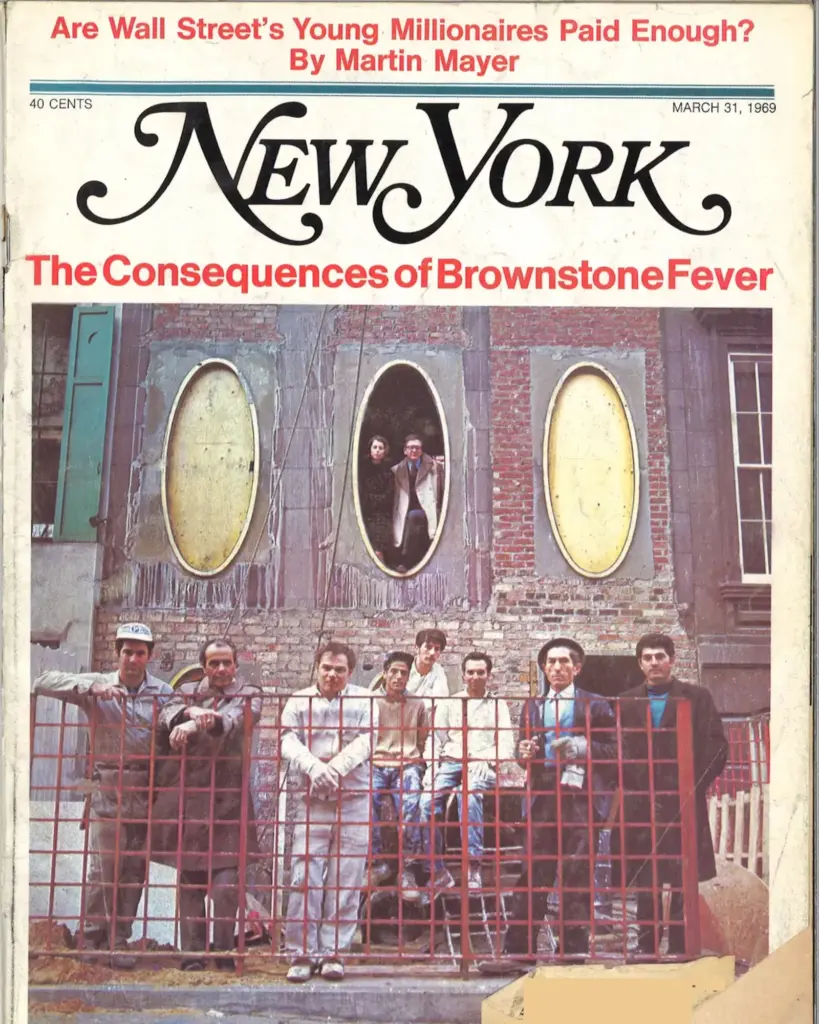
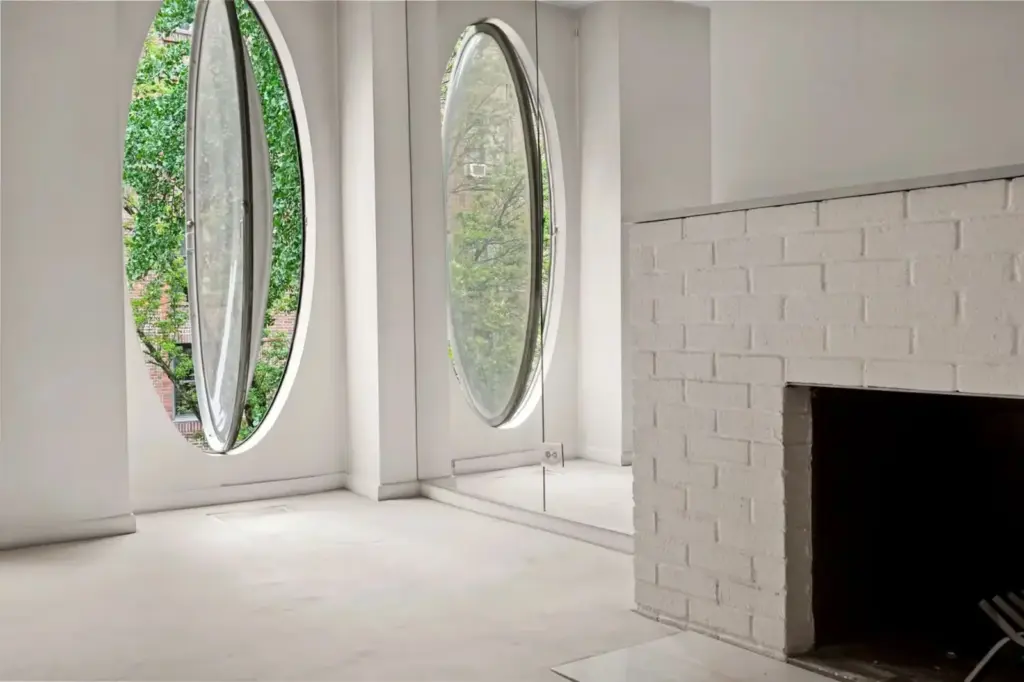
In this context, the four rows of raised oval windows that adorn its pink stucco facade are more a nuisance than an incentive. In Prestfelder’s opinion, the house is “too unique,” a last stronghold of late modernism and pop avant-garde in the much more conventional Lenox Hill environment. Moreover, it has practical problems such as how difficult it is to prevent the convex glass of its windows from filling with insects in summer.
Interviewed by the New York Post weeks before the sale closed, Prestfelder highlighted that it is a building that attracts a lot of attention, “one of the few that makes people decide to approach it and knock on the door to see if they are allowed to take a look inside, something very rare in New York.” At that point, the seller still considered the property’s curious aesthetic an asset to capitalize on.
In his opinion, the bubbles on the facade made the property ideal “for informed buyers who value history, design, and individuality.” He even acknowledged that the 5.75 million dollars they were asking included a small premium “for architectural excellence” that, after all, no one has been willing to pay. Prestfelder concludes, after closing the deal at a lower price than expected, that one thing is to have your attention caught by a building with so much personality that it stands out at first glance from the rest, and quite another to be willing to live in it.
Not even the NBA saves the bubbles
One of those who almost took the bait was an NBA star, Jaylen Brown, shooting guard for the Boston Celtics. Brown, a man whose annual salary exceeds 50 million dollars, became interested in the property upon noticing that its windows (which make Adriane Quinlan think, besides bubbles and retinas, “of the hatches of a yacht”) closely resemble one of the elements of the logo of the sports shoe brand that bears his name. A happy coincidence that ultimately was not enough. The basketball player was one of the few potential buyers who openly showed his intention to leave the facade intact, but in the end, he did not decide to come to the rescue and buy the Bubble House.
At this point, the chances that the building will preserve its identity are very slim. It is not on the list of buildings protected for their historical, cultural, and aesthetic value, and no municipal regulations protect it. Moreover, experts do not fully agree on whether it actually deserves to be preserved.
Architect and blogger Helena Ariza seems to think it does, but the words she dedicates to the building sound almost condescending. She values it as a striking eccentricity (“a photomontage inspired by a futuristic watercolor from the sixties”), an intruder in a neighborhood not known for its architectural uniqueness. Little more.
Daughter of a lesser god
In reality, the Bubble House has never had very good press. Although architecture and travel blogs or Instagram profiles have given it some visibility in recent years, the building has tended to go quite unnoticed in its more than 150 years of history.
In fact, its first century of existence was very unremarkable. 251 East Street was part of the first batch of brownstones and townhouses in Lenox Hill in 1865, a neighborhood in an early stage of urbanization. The farms at what was then the northern end of Madison Avenue were beginning to be replaced by rows of “Italian” style buildings next to the Harlem railroad tracks and the old German Hospital, and the future Bubble House was just one of them, virtually identical to the others. One of its first residents was a certain William G. French, an Episcopalian reverend, a man who acted as a “missionary” of his faith among the colonies of workers, mostly European immigrants, settling in the area.
The turning point that would put the building on the map came in the 1960s. This is explained in his digital blog by New York-based historian Tom Miller, one of those who does believe the building should be preserved. In 1961, a real estate agent acquired the property and converted it into an apartment building. Years later, in 1969, in an attempt to increase the property’s value and adapt it to the upscale neighborhood the Upper East Side was becoming, he commissioned a complete renovation from the architecture firm Hills & Metcalfe, based a little further south on Madison Avenue.
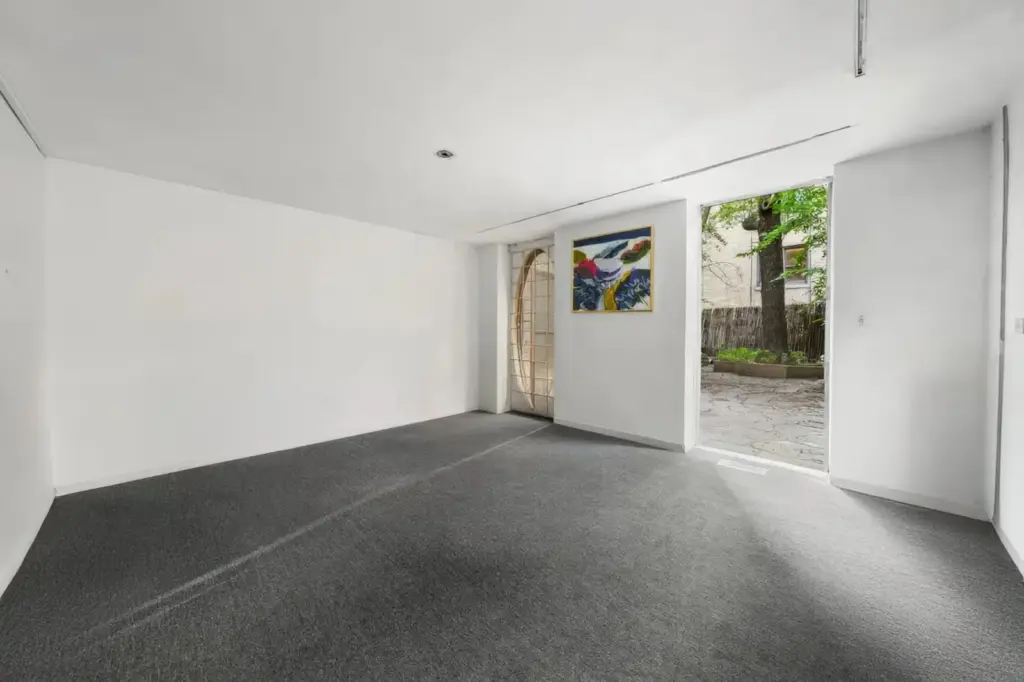
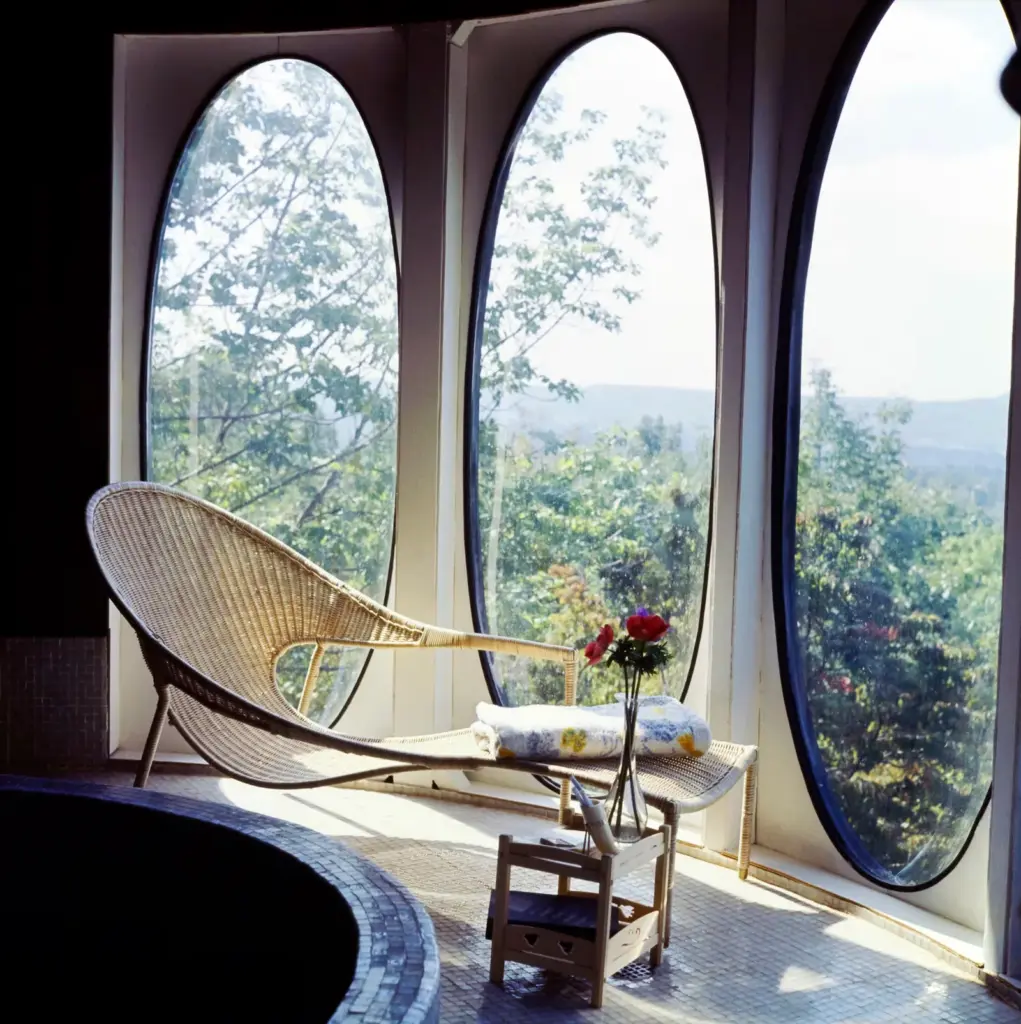
Maurice Metcalfe, one of the two partners of the firm, took the owner’s exhortation to do something “creative” very seriously and proposed, according to Miller, a building “in tune with the space age.” In July 1969, the first manned expedition to the Moon arrived, unleashing an intense space fever worldwide. Metcalfe wanted to pay a humble but striking tribute to NASA’s aesthetic with its stucco and glass facade and its hatches that are both galactic and aquatic.
For Miller, that was like the spectacular landing in Lenox Hill of one of the camp spaceships from the movie Barbarella, inspired by a comic and released the previous year. In Ariza’s words, “the Bubble House, so named by its perplexed neighbors, was nothing more than a classic New York townhouse with a patina of ultra-modern design that contrasted markedly with the conservative homogeneity of its surroundings.” Its facade “dyed pink and devoid of superfluous ornaments, gave all the prominence to the extravagant oval windows, which seemed to project toward the street like a dozen watchful eyes.”
Metcalfe was never a big star in architecture. The Bubble House is, without a doubt, the most remembered of his buildings, the only one that seems to have passed the relentless test of time. Helena Ariza wrote that it is a building that takes you “from Manhattan to the sky.” Today we know that the journey of 251 East 71st Street was a round trip: from the modest conventionality of the late 19th-century brownstones to pop and galactic retrofuturism and from there, barring a miracle, back to a conventionality this time a bit more opulent. Not even NBA stars have been able to save the bubble facade.
New York, in the opinion of nostalgically oriented analysts like Pierre Markuse, editor of Medium, is rapidly losing its uniqueness and old-fashioned charm. Hence, small catastrophes like the conversion to normality of one of Lenox Hill’s most characterful facades happen almost daily.