


Novíssims has ended, the cycle organized by COAC as part of the activities for Barcelona 2026’s World Capital of Architecture, which has brought various meetings spread across different cities: Tarragona, Figueres, Tortosa, Manresa, Menàrguens, and Barcelona. The architecture of the meetings, we could call it that, has been uniquely crafted, selecting young architects’ studios and cooperatives and pairing them up, always seeking to encourage conversations between a local team and an outsider. There have been a dozen meetings involving about fifteen architecture studios. Each conversation had a curator responsible for selecting the teams, pairing them, and leading the sessions.
The chosen architecture studios are diverse, starting with the professional names, which range from those simply formed by grouping the members’ surnames —Atienza Maure, Sarquella Torres, Solanellas Van Noten Meister— to composing enigmatic, cryptic, and somewhat naïve names, such as Arjub, Mach, Lligams, or Pigaa. The works of Novíssims are mostly small, which in many cases also means intense, as expected from architects under forty years old.
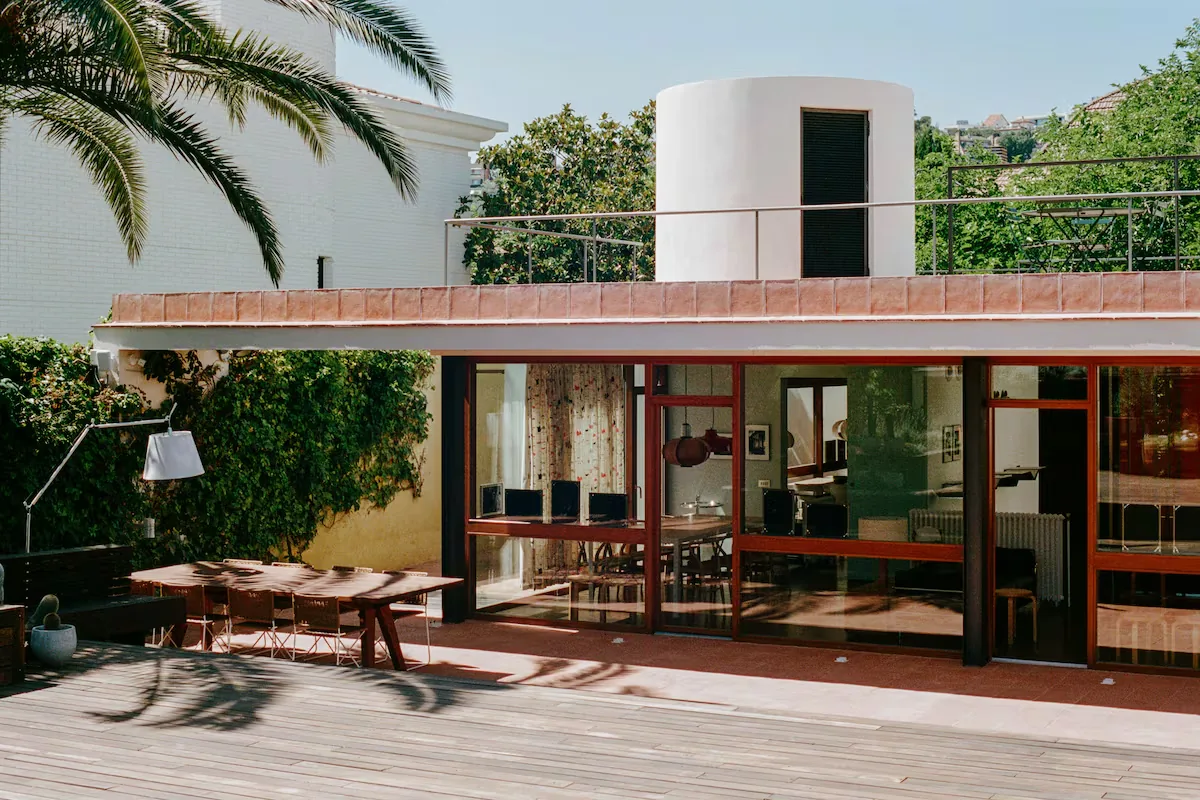
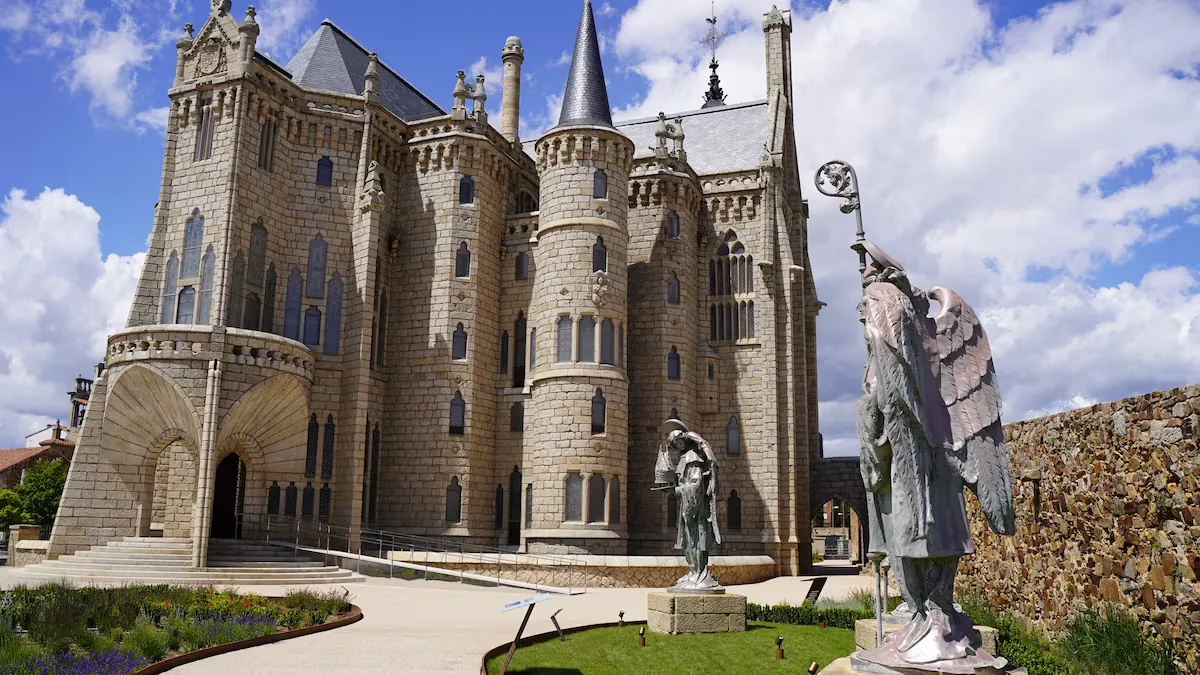
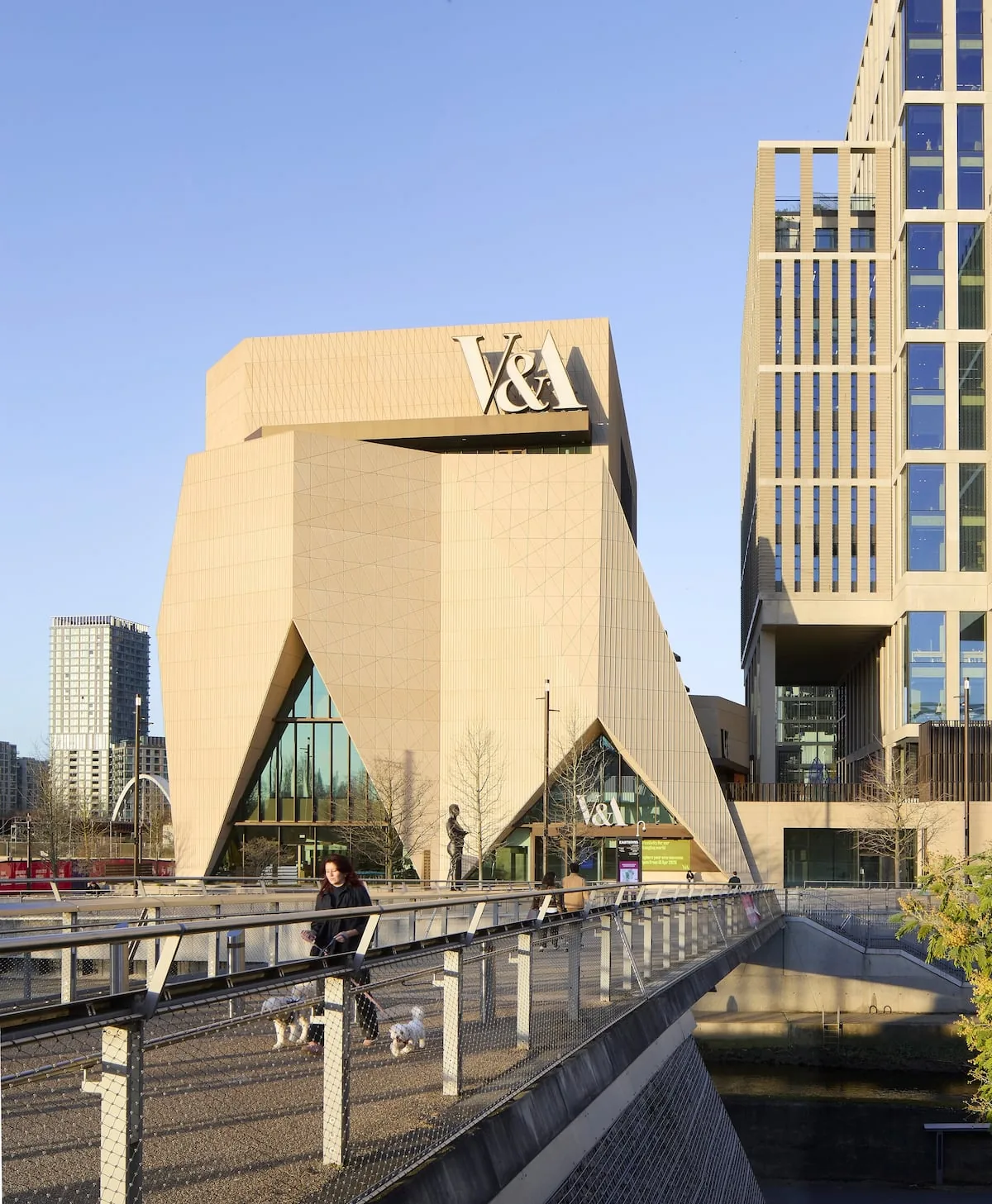
A conglomerate made up of family houses, many of them the result of renovations and repairs, huts or shelters, mixes of houses and offices, some shops or exhibition setups and almost DIY interventions, and also a few —few— apartment blocks or public buildings. Among these works of similar genetics, some stand out that do not fit the usual narrative of this very new architecture, with low budgets, economical construction, and things of that sort.
These are singular examples among monochromatism, simplicity of finishes, omnipresent wood, and good intentions. In this sense, it is striking that one of the gathered studios, to refer to their interests, used the words “hedonism and eclecticism,” things that precisely are not abundant in most of the works, in which there does not seem to be fun and rather little diversity.
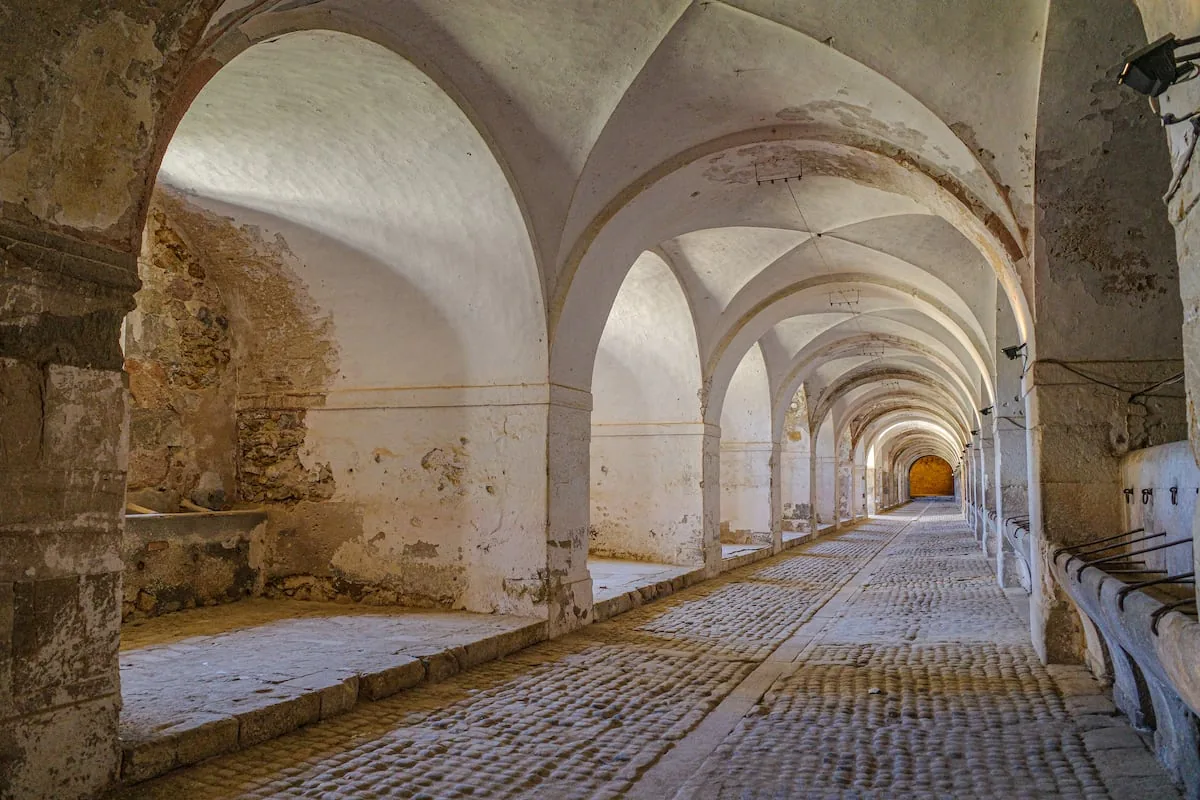
But the most interesting aspect of this cycle has been the places chosen to host these meetings. “Unprecedented” places, as the curators have dubbed them, which have allowed giving a body to the entire selection, with a consistency that escapes the usual. A powerful brick factory in Tortosa that has ceased its activity; an aviation engine factory closed for years in Bon Pastor; an abandoned sugar factory in Menàrguens; the old headquarters of the Bank of Spain in Tarragona; the stables of Sant Ferran castle in Figueres or the Torre Lluvià; a restored house in Manresa —perhaps the one that fits least in the set, although it serves to realize the uniqueness of the other places.
The degree of preservation of the chosen spaces is different and, in summary, the abandoned air somehow aligns with a job that is yet to be done. Even so, among the places there are differences, which have served to confirm that what unites them is the state of abandonment. An empty building or house shows a radically different aspect than the same space before being emptied. The marks left by furniture or machines on the walls, those of lights and installations on the ceilings, and the various “wounds” from nails or the discolorations of carpets on the floor, are more than wounds; they are the confirmation of the absence of the use to which it was intended and the omen of a future for this very new architecture. But the most forceful lesson is that it has been enough to put a group of people, four chairs, and a screen in these practically ruined spaces to realize that what we call space is made by people. Abandonment turns out to be inspiring.