








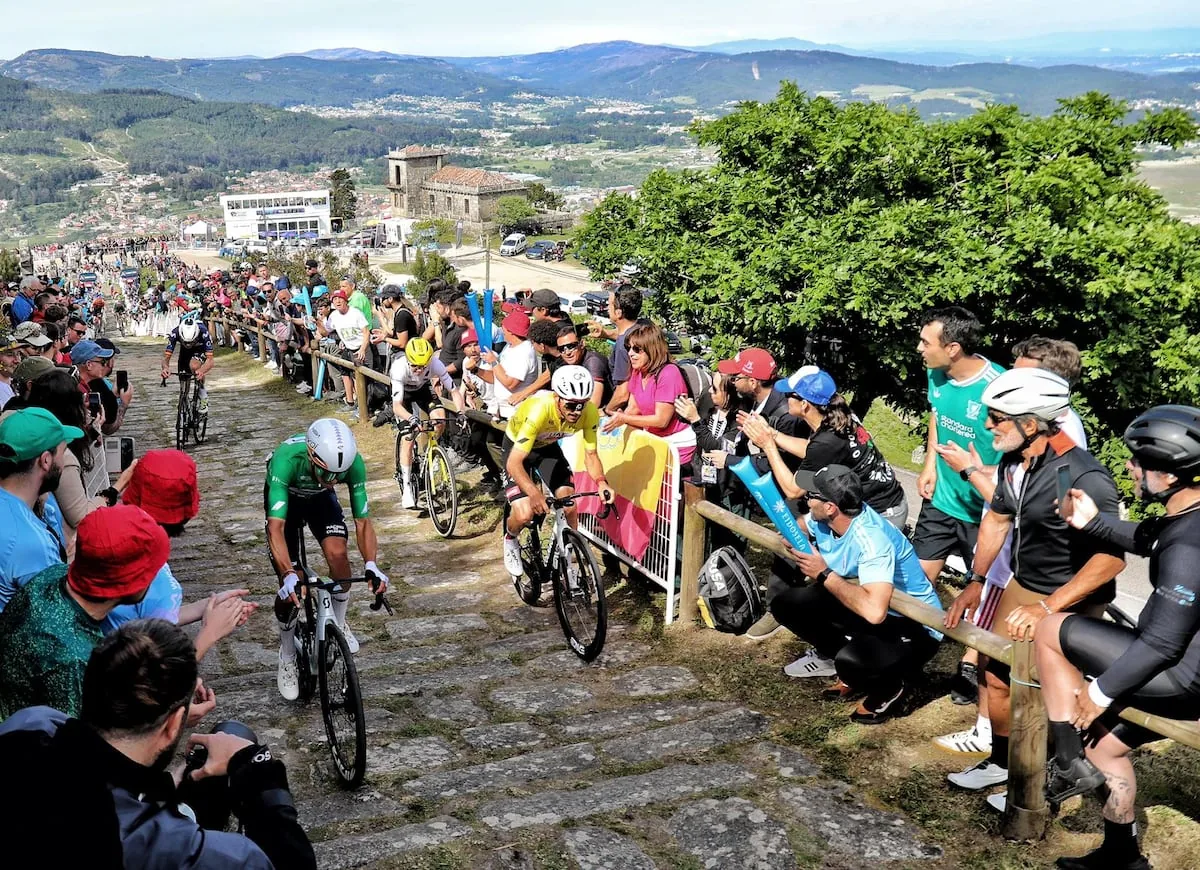
Ezequiel Mosquera, who feels like the Legolas of cycling but is a smuggler elf of the soul, calls the Middle-earth and its state of mind what everyone else calls A Raia, 1,234 kilometers of no man’s land and everyone’s land, of smugglers of Manila shawls, coffee and tobacco, from Alcoutim and Sanlúcar, a boat where the children of doctors from both sides fall in love and a zip line next to the Guadiana, so deep in the peninsula, and Alberto Contador’s Barcarrota, A Guarda, a mirror of Caminha and Seixas next to the Minho, up to Monte Trega, happy pilgrimages, pickled lamprey, albariño and vinho verde and a painful via crucis, over the Minho that dies placidly in the Atlantic. On the other side, Portugal, and over the uneven stones of the steep final path Alessandro Pinarello bounces, happy as a hobbit, and his cheeks.
Read more Marc Barceló wins the Rapid World Championship U10
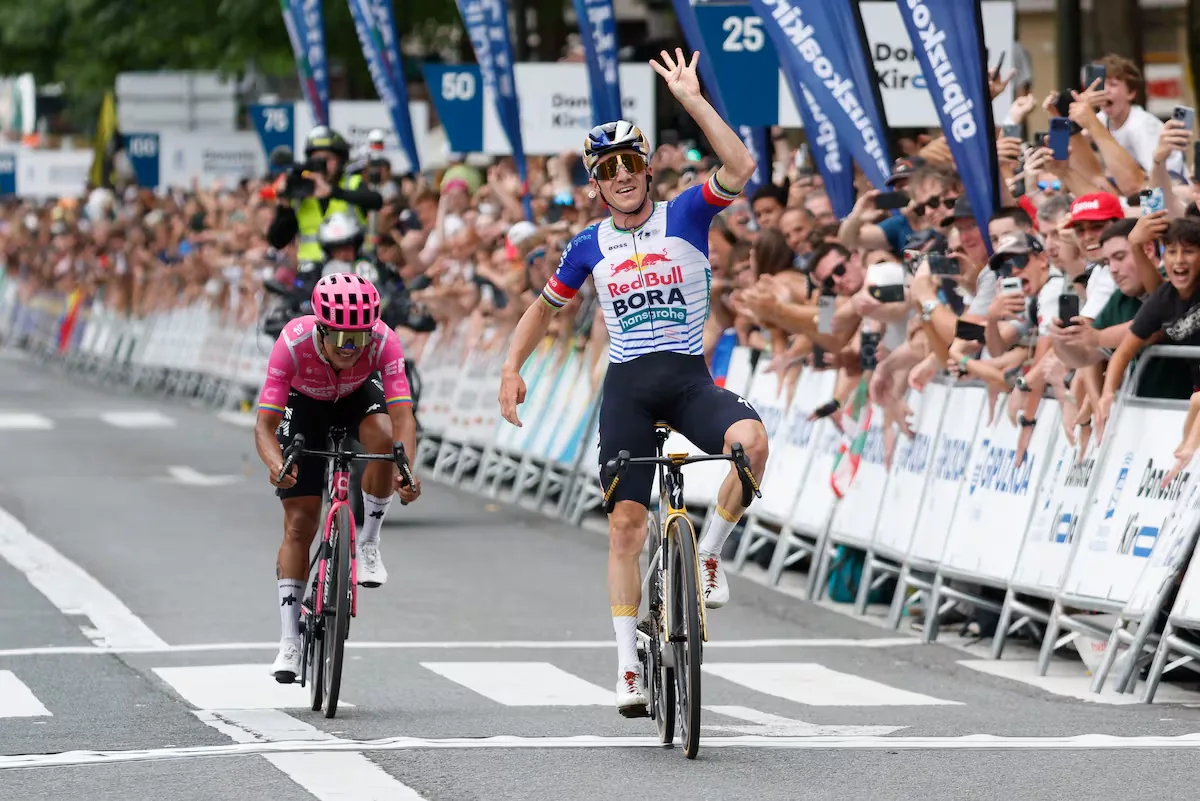
A survivor of all the persecutions, ambushes and betrayals of the last stage, Pinarello, a 22-year-old from Veneto, arrives riding a Scott from Conegliano, hills where Marzio Bruseghin raises donkeys, bouncy as ponies, and harvests cartizze to make prosecco with fine bubbles. In the region, the cult of cycling and the Pinarello bike, from nearby Treviso, is cultivated, but Alessandro has no family ties to the saga started by Giovanni Pinarello, who set up the factory starting with a small workshop equipped thanks to the money he was given for winning the maglia nera as the last classified in a post-war Giro.
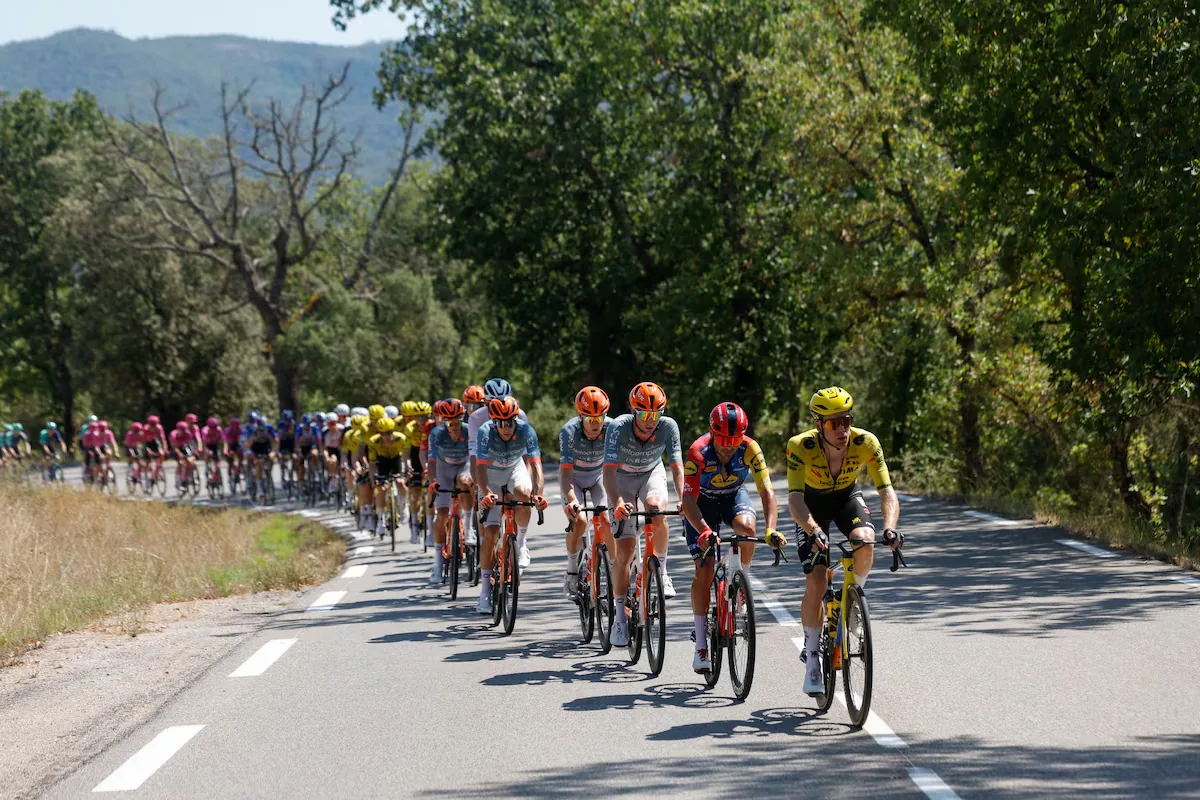
A cyclist trained at the Bardiani school of the Reverberis and already a revelation in the last Tirreno (eighth), Pinarello enters the 200-meter path of the via crucis behind Adam Yates, superb in yellow, who attacked two kilometers earlier; Jorgen Nordhagen, the Norwegian boy, inseparable shadow of the Englishman, and Iván Romeo, who doesn’t want to miss a party with his endless legs. They are the four best in the race. Seated, the Italian moves better, more agile, jumping from stone to stone without hesitation. He always takes the curves of the last 500 meters first. Unbeatable. He races for Rubén Plaza’s NSN (formerly Israel), where he is pampered and protected by veteran New Zealand champion George Bennett, who attacks on the second ascent to Valga, leaving his rivals without a team. Ready for Pinarello’s knife.
Read more Sheinbaum and Sánchez seal peace and inaugurate a new stage between Mexico and Spain
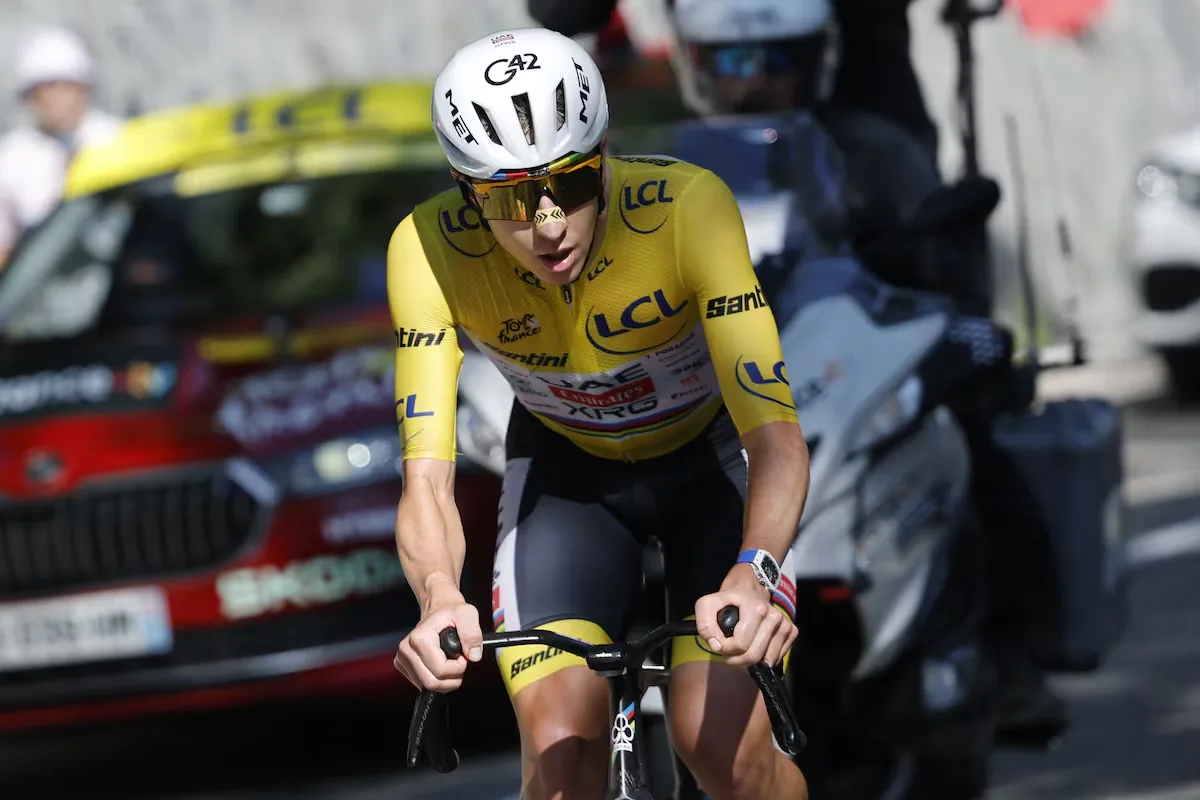
“I like to get out of the saddle when climbing, and on the stones I couldn’t,” laments Yates, justifying his inability to overtake the Italian. “And, well, there’s a perfectly paved road right next to this cobbled climb, so maybe next year they’ll put it there and it will be much better, but I think, overall, the race was great and I hope to be able to come back in the coming years.” Adam Yates, smiling, accessible and friendly as almost never before, has just won his first stage race since the Tour of Oman in February 2025. He blesses the affectionate race that all the champions who have passed through it fall in love with, and Vingegaard the most, despite the Dane winning it twice when it was run in winter, with rain, snow and cold. And he also wonders why it is only a category 2.1, and gives so few points to the winners that many teams don’t want to come because there are races in China and beyond, easier, more anonymous, without love, that give more points. Pinarello joins his speech of love for O Gran Camiño, its hotels, its organization, its routes, exalted after achieving his first professional victory. Afterwards, their paths diverge like in gardens and labyrinths to reunite in Bulgaria from May 8, when the Giro d’Italia begins, which Adam Yates wants to win a year after his brother Simon to be the first rider to follow his twin in the history of the three Grand Tours. “We’ll see, we’ll see. First I have to go back to altitude and do the final preparations. We’re going to go there with a strong team and some options,” says the 33-year-old Englishman, who will attend sharing the leadership of UAE with the Portuguese João Almeida. “The competition [Jonas Vingegaard] will be quite tough, so I think it’s better that we go with a few options and then we’ll see.”
Yates is a hero who only lacks the sack on his back and the backward glance of the smuggler entering the water for the people to adore him. For something, there, in A Raia, so profane, Ezequiel Mosquera, its inventor, makes O Gran Camiño, the Tour of Middle-earth, end there, and not in Santiago, another mysticism.