









It was during “a period of injuries,” sleepless nights and days off the field, when Ansu Fati began to write. Music became “an escape route” for the young footballer, who currently plays for AS Monaco after being transferred from FC Barcelona, “to somehow express the frustration he felt at that moment.” But he kept the lyrics in a drawer because “first comes football, then everything else.” It couldn’t be any other way for someone who burst onto the scene as a teenager at Barcelona, breaking records, and who later, after Messi’s departure in 2019, received the number 10 jersey in a club that was then looking for a new idol. Almost a year after writing it, Fati (Guinea-Bissau, 23 years old), launched that song this past June: Sea como sea, a track that has accumulated over a million plays in its first month on digital platforms.
Read more How a total solar eclipse looked a century ago
When an active athlete releases a song, it often raises a question: whether it’s a genuine concern or just an experiment. Fati assures that he was never too worried about that interpretation. “It’s my life. As long as I don’t hurt anyone, I do what makes me happy,” he explains over the phone. For him, music doesn’t compete with football nor does it respond to the need to find another path. It’s another part of his identity, a hobby that “was always present” and that now, for the first time, he has decided to share. “I do it for fun, to disconnect from sports,” he says. “My main focus is football, but I do it better if I’m connected to music,” he admits.
“Like all football lovers,” Fati says, he experienced the World Cup final with “tension.” There were moments when he wanted to go through the television to the stadium in New York, where Spain ended up beating Argentina (1-0). “I would have liked to be there, but it couldn’t be.” “All that’s left is to support and congratulate them, because I have many friends there and I’m very happy for them.” And although being called up for a World Cup “is what he continues to work for every day,” he now prefers to talk about music. Ozuna, Burna Boy, Rema, or Chris Brown are part of a personal soundtrack that, he says, “makes him happy.” But he surprises by mentioning Michael Jackson as one of his first idols: “I was born on October 31st, and on my birthday, Thriller always plays.”
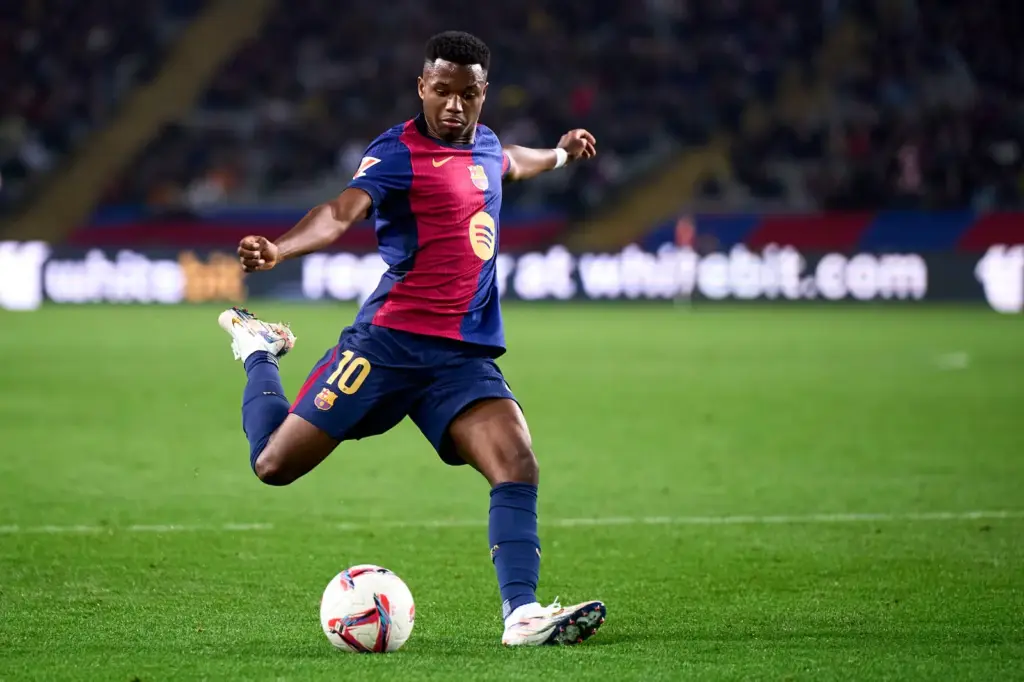
Considered by many to be the missing link between Leo Messi and Lamine Yamal, with an ascending career path halted by injuries, Fati defines himself simply: “In the end, I am a normal person who can do several things.” The phrase, however, seems difficult to fit into the life of someone who, at 16, became the youngest goal scorer in the history of FC Barcelona, the club that trained him at La Masía and from which he has just said goodbye after being permanently transferred to AS Monaco, after playing on loan for a season at that club. He was also the youngest starter at Camp Nou and (until now) the youngest goal scorer in the Champions League. Even so, Fati finds hours in a studio in Nice, after training, to develop this musical phase because it “goes hand in hand” with his sporting passion.
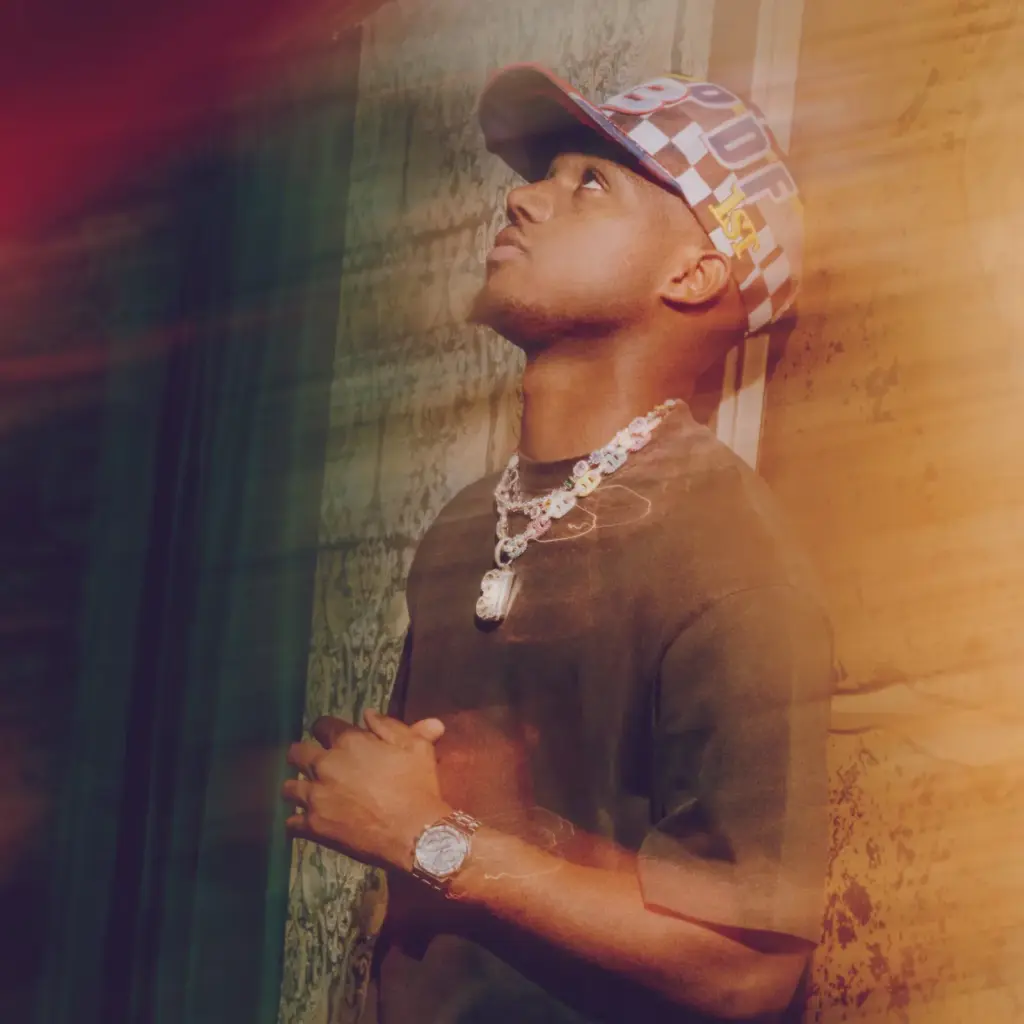
“Those who truly know me are not surprised that I have released a song,” Fati assures. “They know about my joy and my passion for music. In the locker rooms, I always put on the songs.” This facet also extends to the music video for Sea como sea, where he momentarily steps away from his image associated with the pitch. Far from his sports uniform, Fati appears in the favelas of Rio de Janeiro with a backward cap and chains around his neck, an aesthetic linked to the urban genre. The track mixes reggaeton, amapiano (a subgenre of electronic music born in South Africa that combines influences from house and jazz), and sounds close to afrobeat. “Some expected me to dance more in the music video,” he jokes on the other end of the phone.
He is not the first to explore that boundary between football and music. Other players have already tried their luck with the microphone, such as Sergio Ramos, who released the rap track Cibeles; José Manuel Pinto, who developed his musical project under the name of Wahin; or the Dutchman Memphis Depay, who has maintained a musical facet parallel to his sports career. But Fati’s case has a particularity: it happens while he is still looking for his place in elite football. “It’s difficult” to compare both passions, he admits. “What one feels when scoring a goal or when people chant your name is something inexplicable.”
The lyrics and title of the song summarize an idea that Fati repeats several times during the conversation: that of pursuing goals despite obstacles. Sea como sea is born from a difficult moment, but it is not a song about defeat. “I am going to achieve my dreams with hard work and dedication, anything is possible, no matter what,” he explains. Although he admits that he can also write from sadder places, his intention is different: “That when people listen to my music, they feel encouraged and happy.” And it doesn’t seem like the experience will be limited to a single release. Fati says he has more tracks saved, which feature “overcoming, love, and joy,” although he doesn’t yet know when they will see the light: “I take everything naturally, letting it flow.”
Releasing the song meant exposing a side of him that until then had been reserved for his closest circle. It was some friends who encouraged Fati to release Sea como sea. “They told me it could be the song of the summer,” he says with a laugh. However, he assures that he didn’t feel “vertigo” about external reactions, especially from those who have followed him since his first steps at Camp Nou. “I’m already used to people having opinions about me and saying things that are often not true.” For the footballer, the key is not to let those opinions condition his decisions: “One has to do what makes them happy; I can’t live based on what people will say. The most important thing is to be at peace with myself,” he points out.