





Whoever does not have a digital presence is as if they do not exist in politics. And presidential campaigns know this, having flooded the internet with their advertising and content. Some have been successful; others, despite achieving great reach, fail to convince the public.
Read more The Milei Government trusts in imposing the economy over politics to win the elections
In the final stretch of the electoral race, everyone competes for attention. And that is noticeable. In an effort to captivate new audiences and gain the favor of citizens, almost all have used tools to optimize their posts, such as artificial intelligence. Hence we have seen the “fruit novelas” on TikTok, the image of a tiger standing out in most of Abelardo de la Espriella’s posts, or Mauricio Lizcano entertaining with a cat commercial.
Social networks are also redefining the way to connect with politicians. Those who only spread their political content, without considering sentiment and without a clear objective, will fail. “Politics has been more about emotions than proposals for quite some time, and these videos fit that logic. And now they are saving a lot of money with AI,” says Juan Diego Castañeda, co-director of the Karisma foundation.
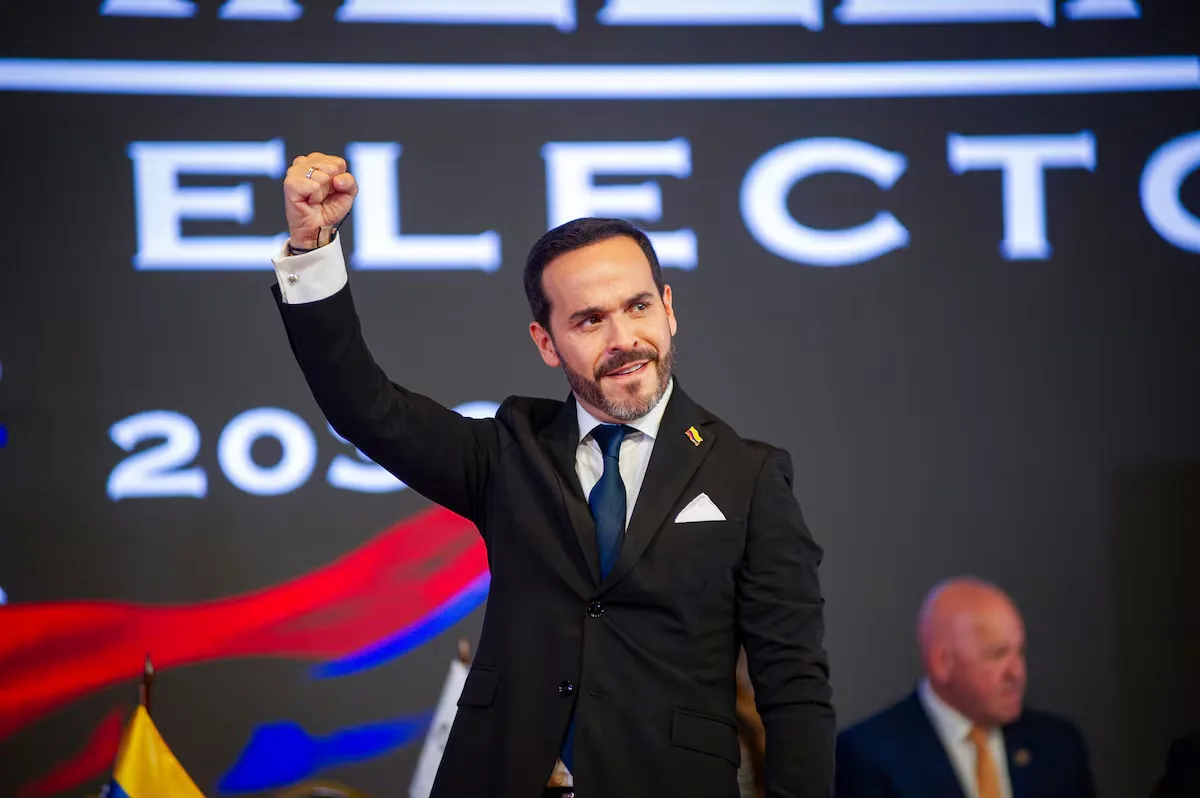
This has been well understood by the ultra candidate Abelardo de la Espriella, who has promoted patriotism, with messages of order and strength, in a consistently coherent visual language.
For his part, Iván Cepeda, a leader in the polls, has demonstrated digital muscle thanks to users and activists who act as influencers and take care of what he does not do: they pick up his messages and translate, simplify, and adapt them to make them viral. All this organically. “It is a strategy that works very well for the left. Organic content will always have more sympathy and sound much more authentic than paid content. Especially when it comes from influencers who already have a fairly organized digital community. It worked for Gustavo Petro at the time and it is working for Cepeda,” says Eugénie Richard, professor at Externado de Colombia.
Read more Chess analysis | This time, Carlsen knocked down Gukesh in Norway
On the other hand, candidates positioned in the center, like Sergio Fajardo or Claudia López, have fallen behind. Sometimes due to lack of authenticity, sometimes because they have difficulties adapting their rational speeches to different platforms, sometimes due to problems beyond social networks and communication. “The center was left without a voice and without oxygen because the other campaigns captured all the useful vote,” notes Richard. The academic highlights that although Fajardo has deployed a strategy on TikTok, people connect little, they see it as foreign: “there is a mismatch between the narrative and the campaign persona.”
In the case of Paloma Valencia, the traditional right-wing candidate competing with De la Espriella for a spot in the second round, she has stuck with the communication of traditional politics. It has been her vice-presidential formula, Juan Daniel Oviedo, who has contributed a new language. Everyone knows his “periodicazo” strategy, his immediate response to criticism, and how he uses social networks to boost his figure.
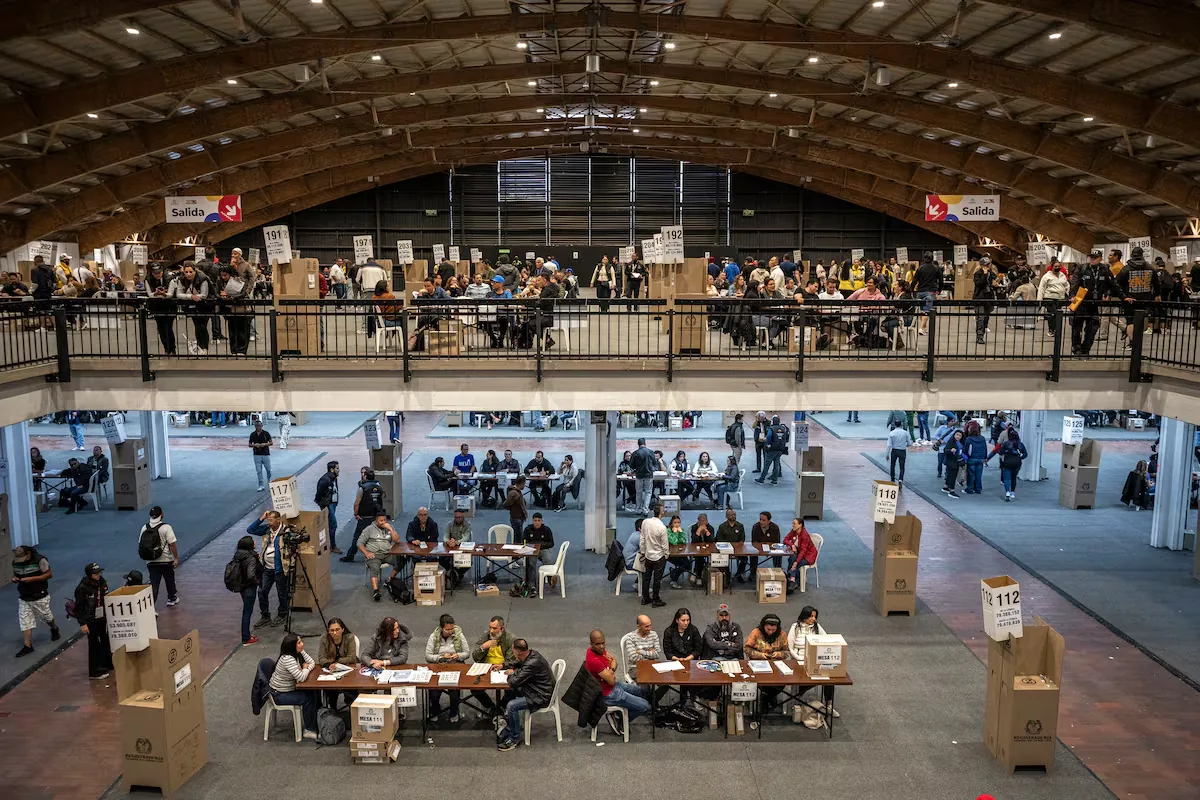
That said, social networks are not everything. If we learned anything from Mockus’s Green Wave in 2010, it is that putting all efforts there is not enough. They are one more element in the bet, which must synergize with other channels and strategies, such as speeches, presence in public squares, and traditional media. This Sunday we will see who manages to land the concentrated attention on social networks and translate it into votes.
Read more Neymar has a more serious injury than expected and could miss the start of the World Cup