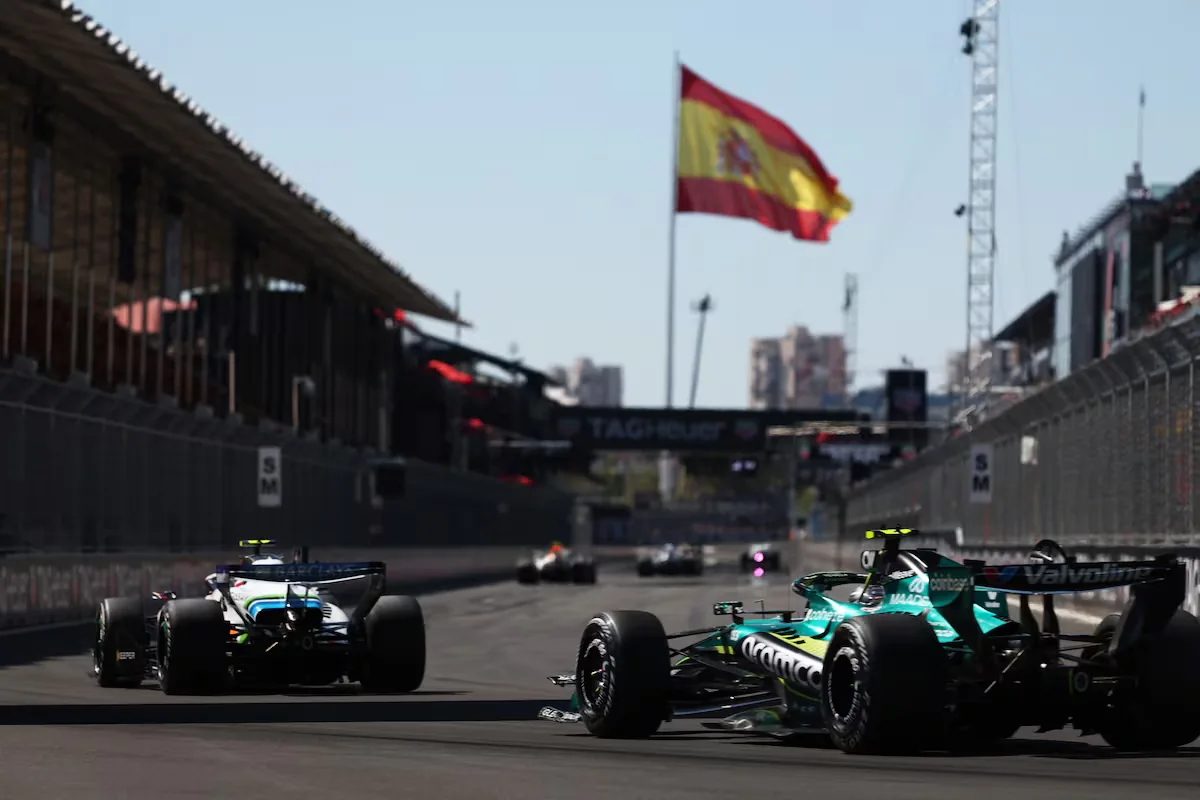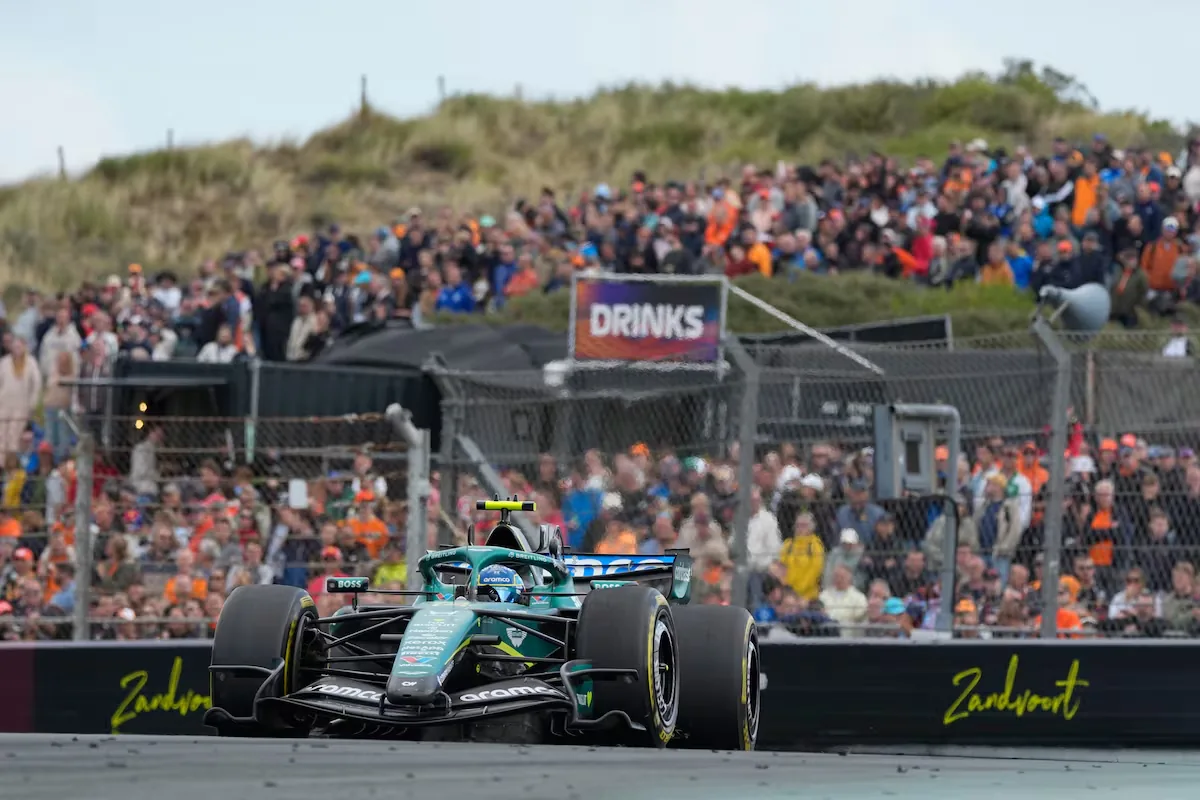
With Aston Martin, everything comes in waves. From the initial high caused by the hiring of Adrian Newey, one of the engineers with the greatest impact on modern Formula 1, to the speculations about the overwhelming potential that, always from a theoretical point of view, the first single-seater born from the genius of Stratfor-upon-Abon would be able to develop this year, coinciding with the shake-up of the technical regulations. The debacle that was the debut of the AMR26 put all dreamers in their place and shifted their hope to the first stop on the calendar after the summer holidays. In Zandvoort, where this Sunday (11:00 PM, Dazn) the World Championship already faces its second half, the green car team expected to receive an optimized version of the engine powering the cars of Fernando Alonso and Lance Stroll. With this update, the only major one scheduled by the Japanese supplier for this season, the single-seater was supposed to be able to leave the catacombs of the timing sheets and poke its nose into the midfield zone. Again, all that on paper. And again, the expectations generated resulted in another disappointment that anticipates a second half of 2026 as rough as the first for the Silverstone (Great Britain) squad.
Read more Carlos Alcaraz will play with Serena Williams in the mixed doubles at the US Open
Shinharo Orihara, Honda’s chief engineer, stepped forward in the preview, although he did not want to commit and quantify, with the stopwatch in hand, the gain from that B-spec engine. “We cannot explain to what extent we will reduce the gap with the fastest, in F1 there are no miracles. But we do believe there will be steps forward.” With the reservations required to draw a conclusion in a weekend with a sprint race, that is, with only one free practice session; it seems undeniable that both Honda and the team have reached the Everest base camp. Ahead of them is climbing the highest mountain in the world to approach the standards promised from Newey’s incorporation. The team has to get its act together so that the problems that emerged this Friday in the Netherlands — the rear wing articulation failed on Alonso’s car — do not repeat, where the Asturian was last in the sprint qualifying, and Stroll, 19th.
After the short race, won by George Russell with the Oviedo driver 18th and his workshop neighbor one place above (17th), the knockout rounds that set the grid for the long race confirmed that the new version of the power unit improves the previous one, but very little. Alonso will start 18th and Stroll 19th after both fell in the first cut (Q1) and were far from Lando Norris’s pole, the second consecutive for the current champion. Carlos Sainz, meanwhile, will start 17th.
THE STARTING GRID FOR THE 2026 DUTCH GRAND PRIX 👇#F1 #DutchGP pic.twitter.com/yO69YvsD87
Read more The migrants of Ceuta accept the reception spaces, but they still distrust that they are a trap
— Formula 1 (@F1) August 22, 2026
The margin of two and a half seconds that separated the Aston Martins from the front row, on such a short circuit (4.2 km), makes it clear that the work Honda has ahead is huge if the idea is to meet what is expected from the company that helped Red Bull win four of the last five titles. What happens is that nothing and no one remains from that alliance with the red bull brand that glorified Max Verstappen, something Aston Martin did not discover until November last year, two months after signing with the Japanese supplier.
Considering what was seen in free practice, the sprint, and the two qualifying sessions, the deficiencies of the power unit brought to Zandvoort are concentrated in how it delivers power. Precisely, the newly introduced regulations require fine-tuning both at the moment of acceleration and braking, the points where Honda was most exposed in the Netherlands. Alonso complained about the car’s tendency to understeer when reducing speed to enter corners. “It was very difficult to stop the car because the engine pushed when it shouldn’t,” lamented the Spaniard.