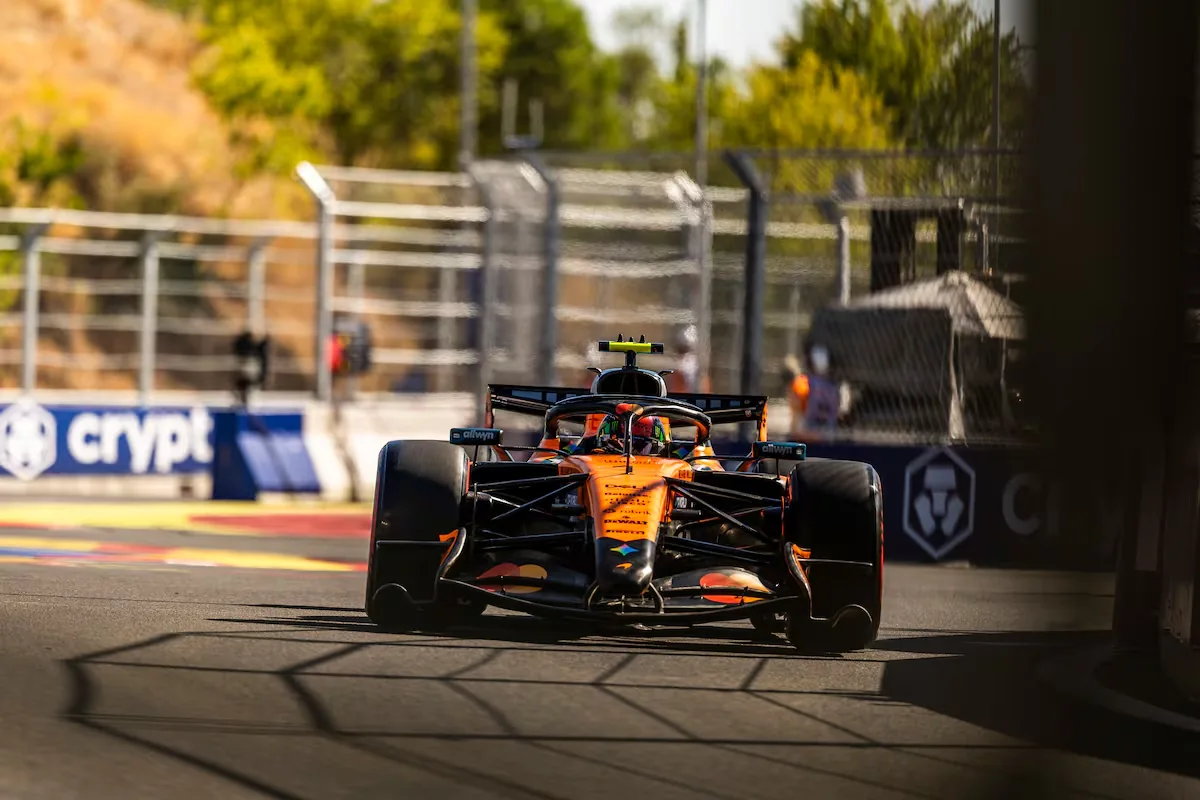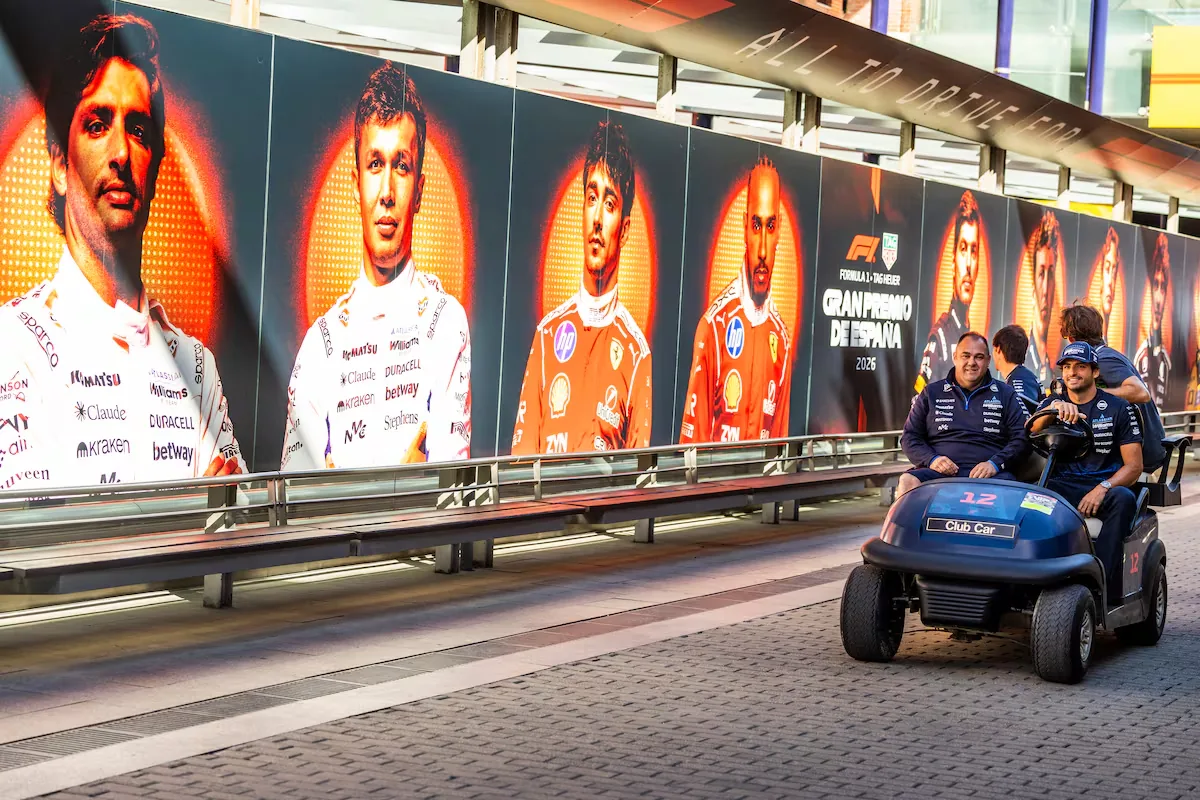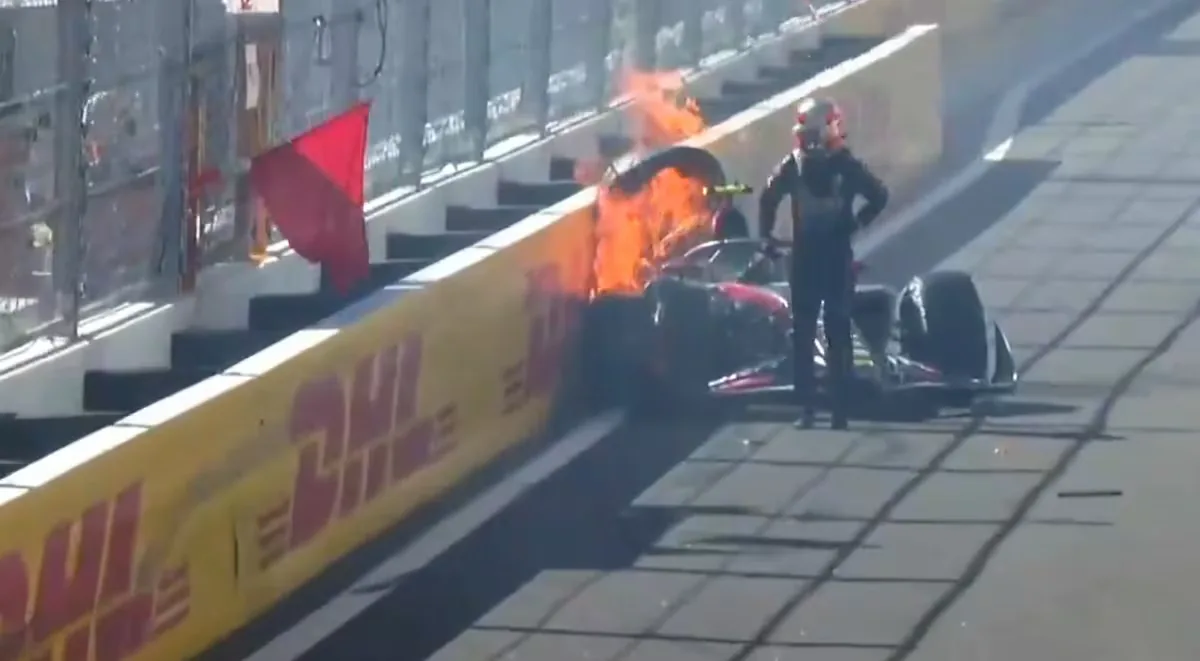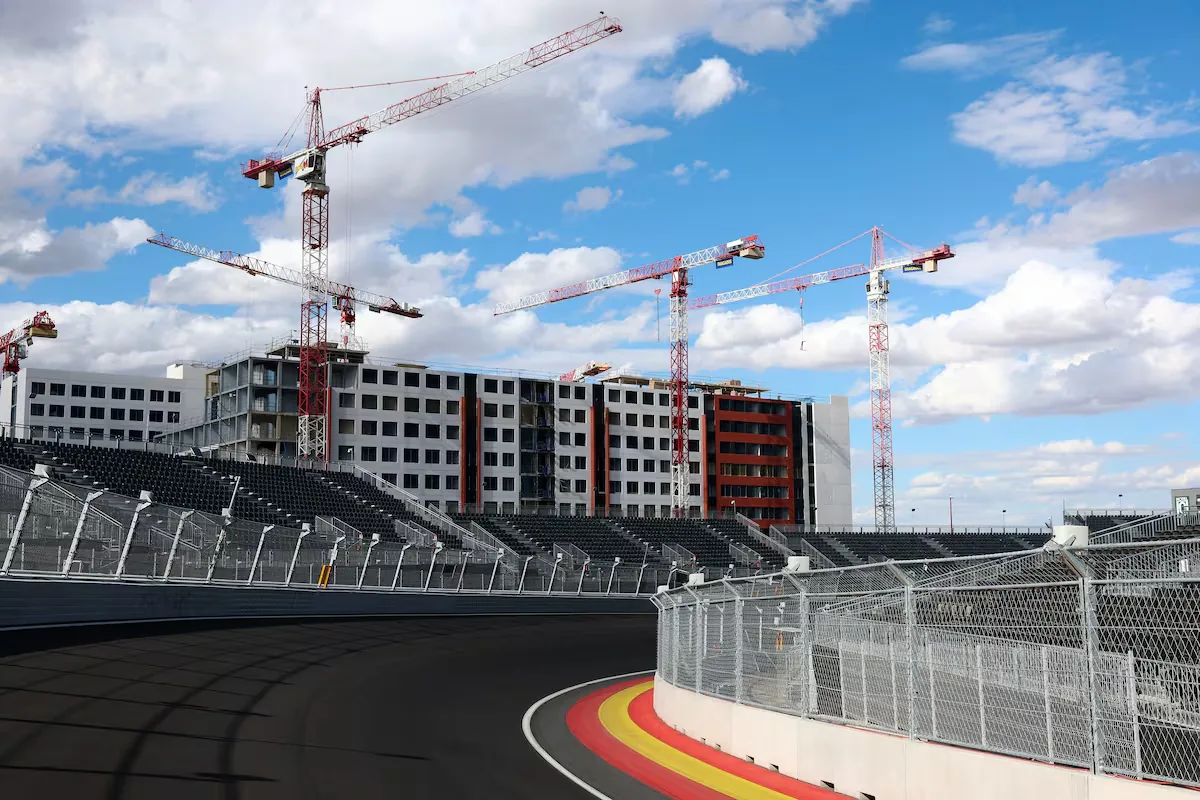

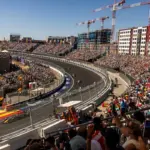


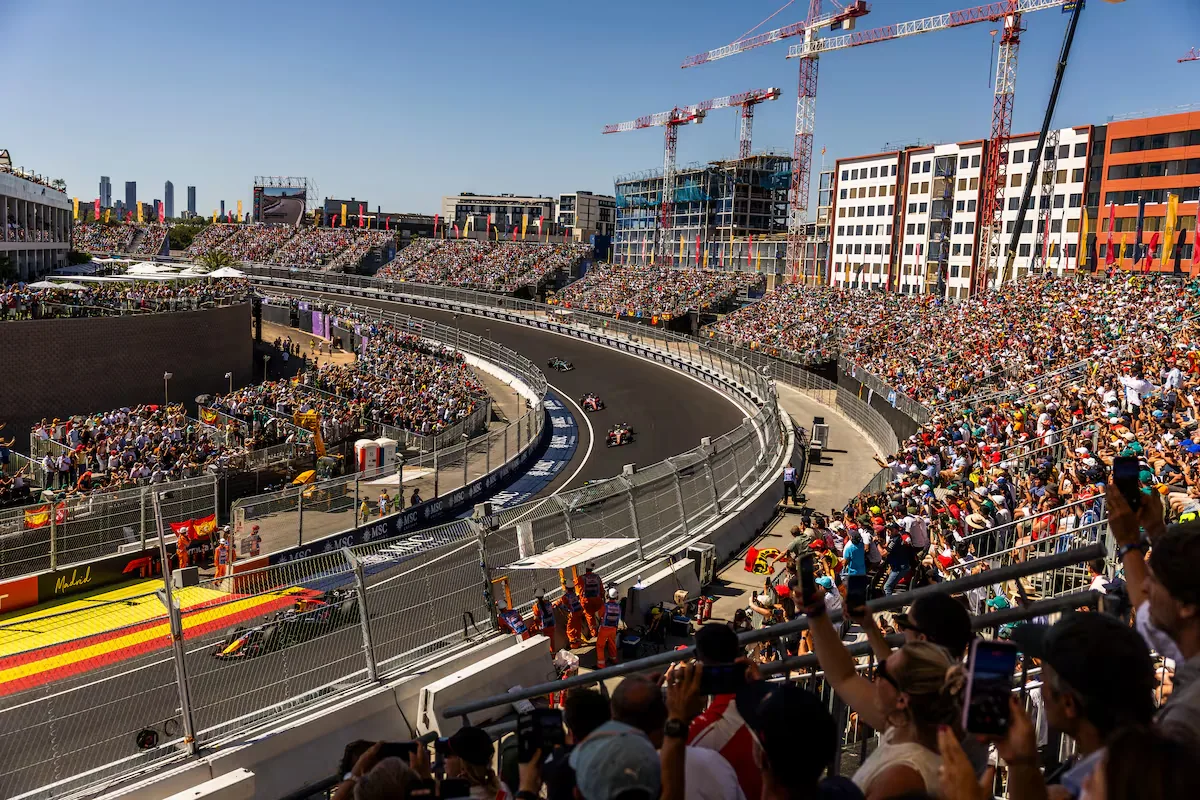
Almost half a century later, Madrid once again hosted a Formula 1 race this Sunday. Through the Madring, the semi-urban circuit built by Ifema next to its pavilions in the northeast of the city, passed from Friday until today the expected 350,000 people, according to the organization’s data, a number far higher than the 25,000 who had been at Jarama in 1981 during the previous visit of the Grand Circus to the country’s capital. The Spanish Grand Prix, which ended with a victory by Kimi Antonelli (Mercedes) in an event also marked by the few overtakes allowed by the narrowness of the track, showed full stands, displayed the largest paddock in the World Championship, and met attendance forecasts in a city that saw notable increases in hotel prices — 70% more than a year ago, according to the SiteMender portal. The logistics of the first edition of the ten agreed with Liberty Media, the company owning the F1 rights, worked despite the fact that the construction of the venue had to be expedited between April 2025 and May this year and that some points remained to be polished, such as the pelouse, the general admission without assigned seating raised on dirt steps that were uncomfortable for fans who had spent hundreds of euros due to the dirt and dust in the air.
Read more Spain wins bronze at the World Cup with a golden generation
The numerous international visitors mixed with the fever of the Spaniards for Fernando Alonso (Aston Martin) and Carlos Sainz (Williams), who suffered another bad race. The caps of the two drivers were the two most seen at the Madring despite the Asturian finishing in the penultimate position (17th) and the Madrilenian retiring after a scuffle between them including contact that earned him a five-second penalty. The public attended the race without knowing if this will be the last time they can see Alonso race in Madrid, the man who ignited the passion for Formula 1 in Spain, while the scorching heat of 32 degrees at noon, intensified by the asphalt effect, made the thousands of fans in the stands sweat, most of them uncovered.
The organization placed sunscreen dispensers and several water fountains throughout the venue due to the high temperatures, but did not address the attendees’ complaints about not being able to bring food, which many consider an abusive practice. A large part of the fans came to the Madring by metro as it is inside the city, a convenience that does not exist in circuits like Malaysia (Sepang) or Shanghai. According to the latest regional government data, 115,000 people took the subway. “Congratulations to the organization, the teams, and the fans. Proud to welcome thousands of people to our community. Next year, even better,” wrote the president of the Community of Madrid, Isabel Díaz Ayuso (PP), on her X account. The city’s mayor, also from the Popular Party, José Luis Martínez Almeida, used the word “feat” to refer to the construction of the circuit in just 15 months: “We have been able to do it under the best conditions.”
Many other fans, more than 20,000 VIPs, arrived in private transports arranged by the organization after spending thousands of euros on hospitality category tickets, an experience that includes access to the paddock, the exclusive area that functions as an operations center where drivers, engineers, and celebrities attending the event move and which also serves to conduct business and sign contracts. Among those who passed through this Sunday were King Felipe VI, who presented the trophy to Antonelli and was accompanied by his daughters, Princess Leonor and Infanta Sofía, as well as personalities like Rafael Nadal, Zinedine Zidane, Luis Figo, José Mourinho, and a large representation of Real Madrid players. “That events of this level continue to take place in Spain is great news for the country. Madrid has been continuously growing for years, hosting international events from different fields and of top level. What it does is make our country more international than it is and make us a reference,” Nadal pointed out.
The pomp and posturing in the paddock contrasted with the protest that several neighborhood associations from the Madrid district of Hortaleza held at the gates of the Madring to criticize what they consider a “waste” while they suffer “cuts” in public services, in addition to the disturbances caused by the noise — above the legal maximum allowed — and mobility restrictions during the three days of the Grand Prix and the months that the assembly and disassembly of the circuit last.
There are no figures yet on the economic impact of the event, but a PwC report published before the event estimated it at 467 million euros, in addition to another 83 million in taxes and social contributions and about 8,850 jobs generated. The project’s bill, according to the opposition, amounts to almost 500 million, but the amounts cannot yet be compared because they refer to different time periods.
The president of the International Automobile Federation (FIA), Mohammed ben Sulayem, said these days that he would like the city, the only European capital to host a Grand Prix, to become a “permanent reference that leaves a mark”: “Can it be the capital of Europe? Well yes, because it is passion, desire, dedication.” Almost half a century later, Madrid appears again on the visibility map that F1 provides.
Read more Confined a municipality in the mountains of Málaga due to a forest fire